Simple Italian Salad with Pepperoncini
Simple Italian Salad with Pepperoncini
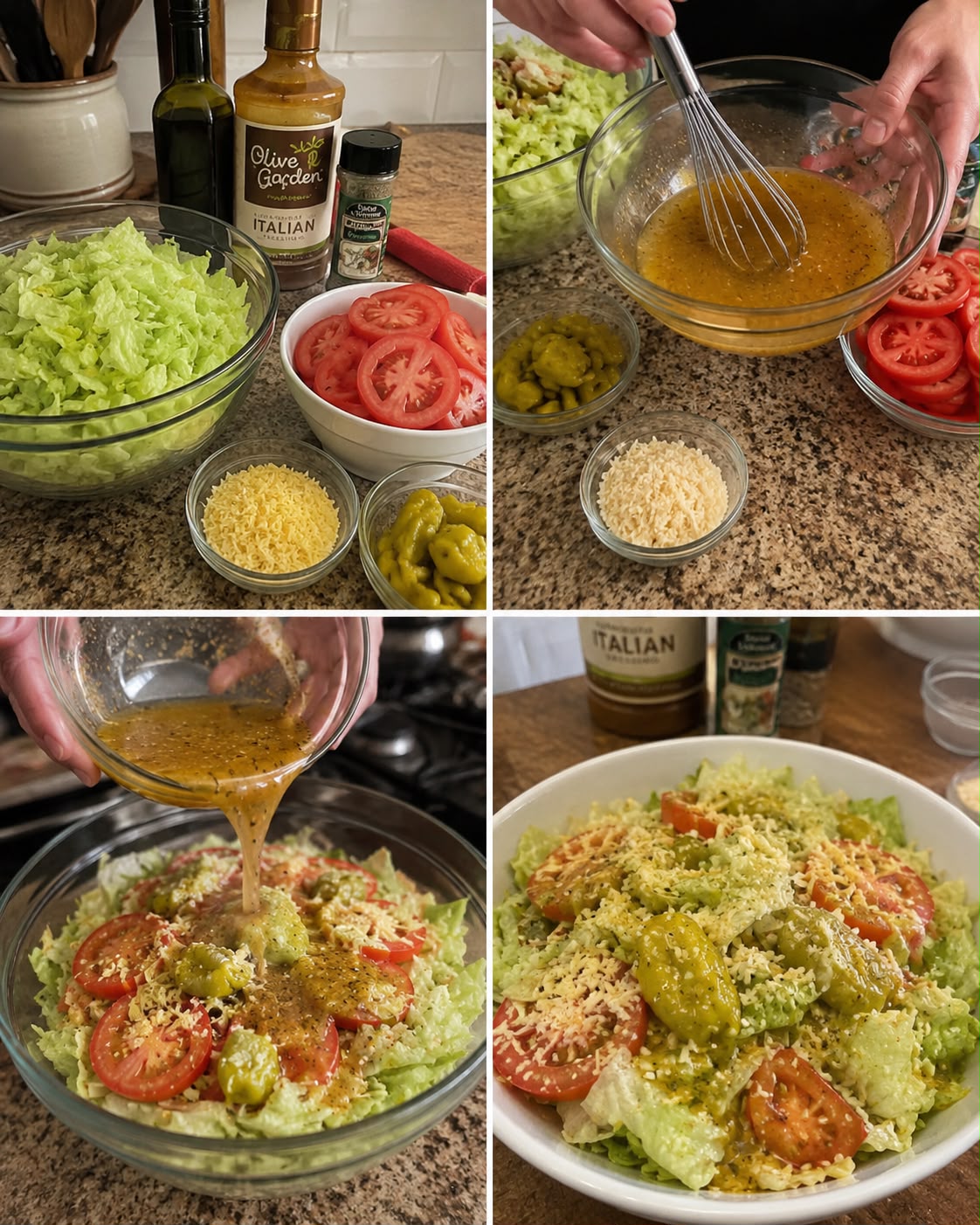
Simple Italian Salad with Pepperoncini: A Recipe That Tastes Like a Cozy Italian Kitchen
I have this memory of sitting in my nonna’s kitchen on a hot summer afternoon, watching her toss together a salad with the kind of ease that only comes from making something a hundred times before. She’d grab whatever vegetables looked good that day, a handful of those little spicy peppers from a jar, some good olive oil, and suddenly there was this bright, punchy salad that made everything taste better. That’s the energy I want to bring to you today with this Simple Italian Salad with Pepperoncini.
Here’s the beautiful truth about this recipe: it’s not fussy. It doesn’t require you to hunt down impossible ingredients or spend an afternoon in the kitchen. What it does require is good attention to a few key things—the quality of your olive oil, the freshness of your vegetables, and the willingness to taste as you go. This is the kind of salad that works as a side dish at a weeknight dinner, a light lunch on its own, or even a refreshing addition to a picnic spread.
I’ve been making versions of this salad for years now, and I keep coming back to it because it just works. The pepperoncini—those tangy, slightly spicy pickled peppers—are the secret weapon here. They add this brightness and complexity that makes you wonder why every salad doesn’t have them. The vinegar from the jar becomes part of your dressing, the peppers themselves add texture and heat, and suddenly you’ve got something that tastes way more interesting than the sum of its parts.
This recipe is for anyone who loves Italian food but doesn’t always have the time or energy for complicated cooking. It’s for people who want to feel like they’re eating something restaurant-quality without the restaurant price tag. It’s for those nights when you need something fresh and satisfying, and you need it fast. And honestly? It’s for anyone who’s ever stood in front of their fridge wondering what to make for dinner and found the answer in a few simple vegetables and some pantry staples.
Follow me on HaileeRecipes on Pinterest for more salad ideas and easy weeknight dinners that actually taste good.
Why You’ll Love This Recipe
Let me break down what makes this salad special, because I genuinely think you’re going to add it to your regular rotation.
It comes together in under ten minutes. I’m talking chopping time included. There’s no cooking involved, no waiting around for anything to cool down. You’re literally just cutting vegetables and tossing them together.
The flavor is bold and interesting. The pepperoncini bring this tangy, slightly spicy kick that wakes up your palate. Combined with fresh vegetables and good olive oil, you get something that tastes bright and alive on your tongue.
It’s naturally flexible. Don’t have red onions? Use white. Can’t find fresh basil? Parsley works beautifully. This recipe isn’t precious about substitutions because the foundation is solid enough to handle them.
It actually tastes better the next day. Unlike some salads that get sad and wilted, this one actually improves as the flavors meld together. I’ll often make it in the morning for lunch later, and I’m always pleasantly surprised by how good it is.
It’s genuinely good for you. We’re talking fresh vegetables, healthy fats from olive oil, and no processed anything. You can feel good about eating this, and it tastes indulgent enough that you won’t feel like you’re missing out.
Ingredients
- 2 large ripe tomatoes, cut into chunks (or 1.5 cups cherry tomatoes, halved)
- 1 medium cucumber, diced
- 1 red bell pepper, diced
- 1/2 small red onion, thinly sliced
- 1 can (14 oz) white beans, drained and rinsed (or chickpeas if you prefer)
- 1/2 cup pepperoncini peppers, roughly chopped (plus 3 tablespoons of the brine)
- 1/4 cup fresh basil, roughly torn (or 2 tablespoons fresh parsley)
- 1/4 cup fresh mozzarella, torn into small pieces (optional but really nice)
- 3 tablespoons good quality extra virgin olive oil
- 1 tablespoon red wine vinegar
- 1/2 teaspoon dried oregano
- Salt and black pepper to taste
- Optional: 1/4 teaspoon red pepper flakes for extra heat
Hailee’s Tip: The pepperoncini brine is your secret weapon here. Don’t throw it away. That vinegary, slightly salty liquid is going to be part of your dressing and will add so much flavor. I always make sure to grab a good quality jar—brands like Mezzetta or store brands that are kept in the refrigerated section tend to have better peppers and more flavorful brine.
Hailee’s Tip: Use the best olive oil you have on hand. This isn’t the time to use that cooking olive oil in the back of your cabinet. You’re going to taste it directly, so it matters. I like something peppery and full-bodied, but whatever good olive oil you love will work beautifully here.
Hailee’s Tip: Buy your tomatoes when they’re actually ripe and smell like tomatoes. I know this sounds obvious, but so many people grab the pale, mealy ones and then wonder why their salad tastes boring. If your store has heirloom varieties, grab those. They’re usually more flavorful.
Optional Add-Ins and Variations
This is where you get to make the salad your own, and I genuinely encourage you to play around here.
- Protein boost: Add grilled chicken, white beans, or even some canned tuna. The salad holds up beautifully to these additions.
- More vegetables: Zucchini, yellow bell peppers, artichoke hearts, or even some thinly sliced fennel all work wonderfully.
- Cheese situation: Fresh mozzarella is my go-to, but feta, provolone, or even some grated Parmigiano-Reggiano would be delicious.
- Herbs: Oregano, mint, or dill all bring interesting flavors to the table. Fresh herbs are best, but dried oregano is a staple in mine.
- Nuts and seeds: Pine nuts, toasted sunflower seeds, or even some toasted almonds add a nice textural element.
- Greens: If you want to make this more of a full meal, toss it over some mixed greens or arugula.
Step-by-Step Method
Step 1: Prep your vegetables. Start by washing everything thoroughly. Cut your tomatoes into chunks about the size of a grape—you want them big enough to hold together but small enough that they distribute throughout the salad. Dice your cucumber and bell pepper into similar-sized pieces. Slice your red onion thin, almost paper-thin if you can manage it. The thinner the onion, the less harsh it’ll be.
Hailee’s What I Messed Up: I used to cut my vegetables way too big, thinking it looked more rustic or something. What actually happened is that I’d get a bite of mostly tomato or mostly cucumber, and the salad felt unbalanced. Uniform sizing is your friend here.
Step 2: Combine your vegetables in a large bowl. Add your tomatoes, cucumber, bell pepper, and red onion to a mixing bowl. Don’t be shy—just pile them in there. If you’re using fresh mozzarella, hold off on adding it for now; we’ll add that at the end.
Step 3: Add your beans and peppers. Drain and rinse your white beans really well—this removes excess starch and helps keep your salad from getting gummy. Add them to the bowl along with your chopped pepperoncini. This is where the salad starts getting interesting.
Step 4: Make your dressing. In a small bowl or measuring cup, whisk together your olive oil, red wine vinegar, the pepperoncini brine, dried oregano, and a pinch of salt and black pepper. Taste it as you go. The pepperoncini brine is salty and tangy, so you might not need as much salt as you’d think. Add red pepper flakes here if you want extra heat.
Step 5: Combine everything. Pour your dressing over the vegetables and beans, and gently toss everything together. Use your hands or two spoons to toss gently—you want to coat everything evenly without bruising the tomatoes. This usually takes about a minute or two.
Step 6: Add your fresh herbs and cheese. Tear your fresh basil right over the top and gently fold it in. If you’re using fresh mozzarella, tear it into small pieces and add it now, folding it in gently so it doesn’t break apart too much.
Step 7: Taste and adjust. This is the most important step. Taste a bite. Does it need more salt? More acid? More pepper? Trust your palate here. Every tomato is different, every pepper is different, so your salad might need slightly different seasoning than mine did.
Step 8: Let it sit for five minutes. This gives all the flavors a chance to meld together. It’s not a long wait, but it makes a real difference in how cohesive the salad tastes.
Common Mistakes to Avoid
Using watery tomatoes. If your tomatoes are mealy and full of water, they’ll make your salad soggy and dilute all your flavors. Wait for good tomatoes, or use cherry tomatoes instead.
Cutting your vegetables too big or too small. You want them roughly the same size so you get a balanced bite. Too big and you’re not getting the full flavor profile; too small and they get lost.
Not using enough salt. I know salt gets a bad rap, but a proper pinch really does make everything taste better. Start conservative and add more if needed.
Skipping the pepperoncini brine. This is honestly the secret ingredient. Don’t throw it away. It adds so much flavor and helps balance the acidity of the salad.
Over-mixing the salad. You want to be gentle here. You’re not making a smoothie. Toss gently until everything is coated, then stop.
Making it too far in advance. If you make this more than a few hours ahead, the vegetables start releasing water and the salad gets watery. Make it the morning of if you need to prep ahead, but try to serve it within a few hours of assembly.
My Tested Substitutions
I’ve made this salad probably a hundred different ways, and here’s what I’ve learned actually works.
No fresh basil? Use fresh parsley, fresh mint, or even skip it entirely. The salad is still delicious. Dried basil is less ideal—it gets a little dusty tasting—but if that’s all you have, use about a teaspoon and mix it into your dressing.
Can’t find pepperoncini? This one’s tricky because pepperoncini have a specific flavor profile. Your best bet is a mild banana pepper or even a pickled jalapeño if you want more heat. You lose a little of that specific tang, but you still get the bright, spicy element.
Don’t like white beans? Chickpeas, cannellini beans, or even no beans at all works fine. The beans add protein and heartiness, but the salad is delicious without them too.
Not a fresh mozzarella person? Feta is wonderful here, especially if you crumble it over the top. Provolone works too. Or skip cheese entirely and let the vegetables shine.
Red wine vinegar not your thing? Use white wine vinegar or even fresh lemon juice. The flavor will shift slightly, but it’ll still be delicious. Just taste and adjust your seasoning as needed.
Don’t have good olive oil? Honestly, use what you have. It won’t be quite as good, but the salad will still be tasty. This is just one of those cases where quality ingredients really do make a difference.
How to Customize
The beauty of this salad is that it’s a template, not a rigid recipe. Here’s how I think about customizing it.
Make it heartier: Add grilled chicken, white beans, or even some hard-boiled eggs. Suddenly it’s a full lunch or light dinner.
Make it lighter: Skip the beans entirely and serve it over a bed of mixed greens. It becomes more of a traditional salad course.
Make it spicier: Add more pepperoncini, include some red pepper flakes in your dressing, or even add some fresh hot peppers if you have them.
Make it more Mediterranean: Add some Kalamata olives, artichoke hearts, or sun-dried tomatoes. Include some fresh oregano. Maybe add some feta cheese.
Make it vegetable-forward: Add zucchini, yellow squash, fennel, or whatever vegetables are looking good at your market. The more vegetables, the more interesting the salad.
Serving Ideas
This salad is incredibly versatile, and I use it in so many different ways throughout the week.
As a side dish: Serve it alongside grilled fish, chicken, or steak. The brightness of the salad complements heavier proteins beautifully.
As a light lunch: Pair it with some crusty bread and cheese, and you’ve got a complete, satisfying meal.
As a picnic food: Pack it in a container and bring it to a picnic or potluck. It travels well and actually tastes better after sitting for a bit.
As a meal prep situation: Make a big batch on Sunday and eat it throughout the week. It keeps for several days and is great for lunch.
As part of an antipasto spread: Serve it alongside cured meats, cheeses, and bread for a casual Italian-style meal.
Over greens: Toss it on top of some mixed greens or arugula to make it more of a traditional salad.
Meal Prep and Storage
I love this salad for meal prep, but there are a few things to know.
How long does it keep? In an airtight container in the refrigerator, this salad will keep for about three to four days. The vegetables will soften slightly and release some liquid, but the flavors actually deepen, which is kind of nice.
Does it get soggy? The tomatoes will release some water, so the salad does get a bit wetter after a day or two. This is normal and honestly kind of delicious—the vegetables are well-seasoned and the liquid tastes good. If you hate this, make the salad fresh each time.
Should I store the dressing separately? You don’t have to, but if you’re making this several days in advance, you could store the vegetables and beans separately from the dressing and combine them when you’re ready to eat. This helps everything stay fresher longer.
Can you freeze it? No, don’t freeze this. The vegetables will get weird and mushy. Stick to refrigerator storage.
Make-ahead tip: I like to prep my vegetables the night before and store them in separate containers. Then in the morning, I toss everything together with the dressing. This way I get the fresh taste of a just-made salad without the time crunch.
Nutritional Breakdown
Here’s the nutrition information per serving, based on the recipe making four servings without the optional mozzarella.
- Calories: approximately 210
- Protein: 6g
- Carbohydrates: 24g
- Fat: 11g
- Fiber: 5g
- Sodium: 380mg (mostly from the pepperoncini brine and beans)
If you add the fresh mozzarella, add about 60 calories and 4g of fat per serving. If you use chicken or another protein, adjust accordingly. This is a nutrient-dense salad with good fiber, healthy fats, and plenty of vegetables, so it’s a genuinely good choice for you.
Final Thoughts
I keep coming back to this Simple Italian Salad with Pepperoncini because it just works. It’s one of those recipes that feels fancy enough to serve to people you’re trying to impress, but easy enough to make on a random