Steak and Pasta
Steak and Pasta
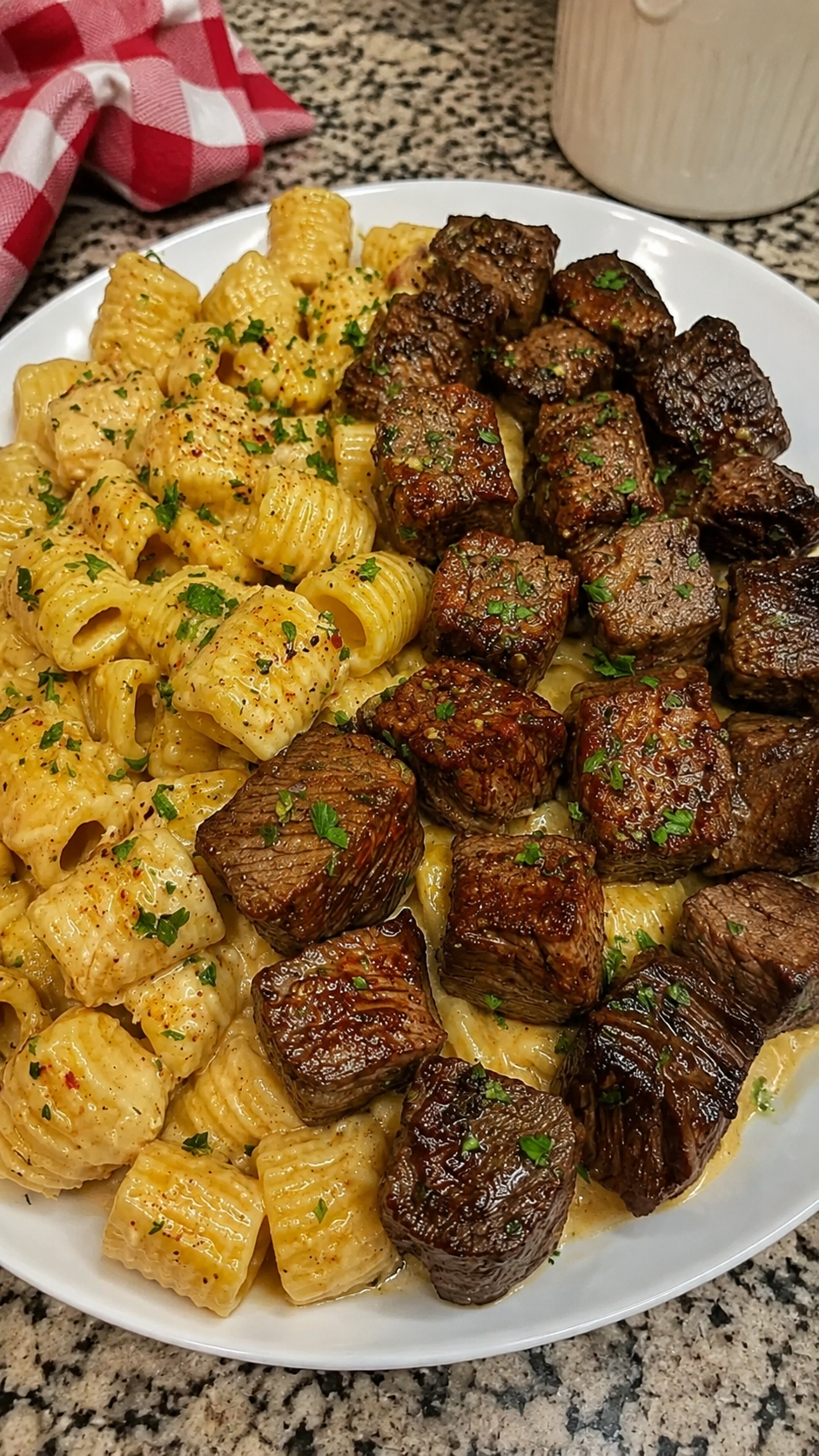
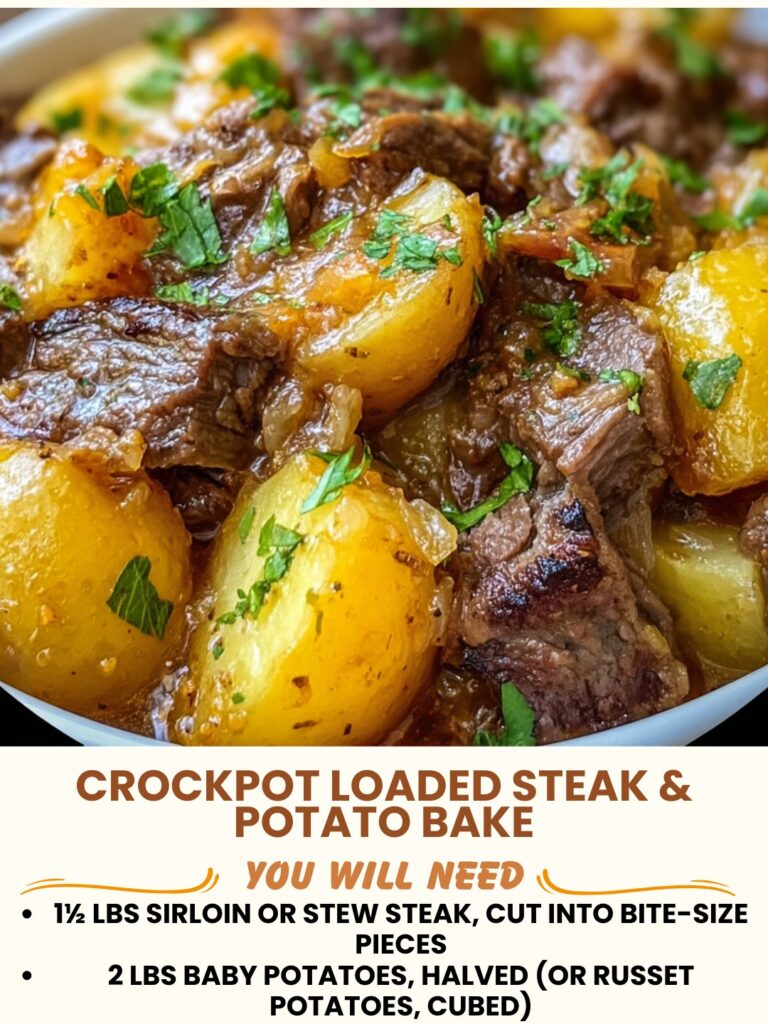
Steak and Pasta is a hearty, comforting dish that brings the savory richness of browned beef together with tender pasta in a cohesive, satisfying sauce. This meal features bite-sized pieces of cubed steak seared until golden and crisp on the outside while remaining juicy within, tossed with rigatoni to catch every bit of the flavorful pan juices. The result is a robust dinner where the meaty depth of the beef complements the chewy texture of the pasta, creating a balanced plate that feels substantial without being overly heavy. It is an ideal choice for busy weeknights when you need a quick, nutritious meal that delivers restaurant-quality flavor from your own kitchen. The simplicity of the ingredients allows the natural taste of the beef and the wheat to shine, making it a reliable option for families and individuals alike. For more inspiring meals like this one, Follow Hailee Recipes on Pinterest.
Why This Recipe Works
The success of this dish relies on the technique of building flavor directly in the cooking vessel rather than relying on complex sauces or pre-made mixes. By using cubed steak, which is typically mechanically tenderized, the meat cooks very quickly, ensuring it stays tender even when seared at high heat. The key lies in the Maillard reaction; browning the steak properly creates a deep, savory crust that adds complexity to the final dish. When the pasta is cooked al dente and finished in the same skillet as the beef, it absorbs the concentrated flavors of the fond—the browned bits left on the bottom of the pan—creating a unified sauce without needing excessive butter or cream.
Rigatoni is the specific shape chosen here because its wide tubes and ridges are perfect for trapping small bits of meat and holding onto any residual sauce. Unlike long strands that can slide off a fork, the pasta acts as a vehicle for the beef, ensuring every bite contains a mix of textures. This method also streamlines cleanup, as the entire cooking process happens in one large skillet, minimizing dishes and keeping the workflow efficient for the home cook.
Ingredients
To make this recipe, you will need fresh, high-quality ingredients that come together quickly. The list below includes the core components required to achieve the authentic flavor profile described in the title. Ensure your cubed steak is cut into uniform cubes so they cook evenly. Fresh parsley adds a necessary pop of color and a bright, grassy note to balance the richness of the beef.
- Cubed Steak: 1 pound (450g), cut into 1-inch cubes
- Rigatoni Pasta: 12 ounces (340g)
- Butter: 2 tablespoons, unsalted
- Garlic: 3 cloves, minced
- Beef Broth: 1 cup (240ml), low-sodium preferred
- Dry White Wine: 1/2 cup (120ml), optional but recommended for acidity
- Fresh Parsley: 1/4 cup, chopped, for garnish
- Salt: To taste
- Black Pepper: To taste
- Olive Oil: 1 tablespoon, for searing
How To Make Steak and Pasta
- Prepare the Pasta and Beef: Start by bringing a large pot of salted water to a boil. Add the rigatoni and cook according to the package directions until it is al dente, meaning it still has a slight firmness when bitten. Before draining, reserve about 1/2 cup of the starchy pasta water. While the water heats, pat the cubed steak dry with paper towels. Season the beef generously on all sides with salt and black pepper. Drying the meat is crucial for achieving a good sear rather than steaming it.
- Sear the Steak: Heat a large, heavy-bottomed skillet over medium-high heat. Add the olive oil and let it shimmer. Once hot, add the seasoned cubed steak in a single layer, working in batches if necessary to avoid overcrowding the pan. Overcrowding lowers the pan temperature and prevents browning. Cook the beef for 2-3 minutes per side until a deep golden-brown crust forms. The interior does not need to be fully cooked yet, as it will finish cooking later. Transfer the seared steak to a plate and set aside.
- Sauté Aromatics and Deglaze: Reduce the heat to medium. In the same skillet used for the steak, add the butter. Once melted and foaming, stir in the minced garlic and sauté for about 30 seconds until fragrant, being careful not to burn it. Pour in the white wine (if using) to deglaze the pan. Use a wooden spoon to scrape up the browned bits (fond) from the bottom of the skillet. Let the wine simmer for 1-2 minutes to allow the alcohol to evaporate and the flavor to concentrate.
- Combine and Simmer: Return the seared steak and any accumulated juices to the skillet. Pour in the beef broth and bring the mixture to a gentle simmer. Allow it to cook for 3-4 minutes until the liquid reduces slightly and the beef is cooked through. If the sauce looks too thin, you can let it reduce a bit longer. Taste the sauce and adjust seasoning with additional salt or pepper if needed.
- Toss with Pasta: Add the drained rigatoni directly into the skillet with the steak and sauce. Toss everything together gently to coat the pasta evenly. If the mixture seems dry, add a splash of the reserved pasta water to help create a silky emulsion that clings to the noodles. Cook for another minute to let the pasta absorb some of the beefy flavors. Remove the pan from the heat immediately.
- Garnish and Serve: Sprinkle the chopped fresh parsley over the top of the dish. Give it one final toss to distribute the herbs. Serve immediately while hot, ensuring each portion gets a generous amount of both pasta and steak.
Doneness And Troubleshooting
Achieving the right texture for the steak is vital. Since cubed steak is often thinner and more tender than a standard roast, it cooks rapidly. You want the exterior to be browned and the interior to be just cooked through, reaching an internal temperature of 145°F (63°C) for medium-rare to medium, followed by a brief rest. If the steak becomes tough or rubbery, it was likely overcooked during the initial sear or simmered for too long. Conversely, if the meat is pale and lacks flavor, the pan may not have been hot enough, or the steak was crowded, causing it to steam instead of sear.
If the sauce turns out too thick or dry before adding the pasta, simply stir in a little extra beef broth or the reserved pasta water. The starch in the pasta water is particularly effective at binding the fat and liquid into a cohesive sauce. If the sauce is too thin, continue simmering the beef and broth for a few more minutes before adding the pasta to allow evaporation. Always taste the dish before serving; the saltiness of the beef broth varies by brand, so adjusting the seasoning at the end ensures the best flavor balance.
Substitutions And Variations
This recipe is adaptable based on dietary preferences or pantry availability. If you prefer a red wine profile, substitute the white wine with a dry red wine, though the flavor will be deeper and darker. For a non-alcoholic version, replace the wine with an equal amount of additional beef broth or vegetable stock, perhaps adding a teaspoon of balsamic vinegar to mimic the acidity. If you do not have rigatoni, penne or ziti are excellent alternatives due to their tube shape, while farfalle or fusilli can work if you enjoy smaller shapes that hold sauce well.
For those looking to increase the vegetable content, you can sauté diced onions, bell peppers, or mushrooms along with the garlic. These vegetables should be added after the steak is removed but before the garlic to ensure they soften properly. Regarding the protein, while cubed steak is traditional for its tenderness, you could use sirloin tips cut into cubes, though they may require a slightly longer searing time to develop flavor. Avoid using very lean cuts like eye of round without marinating, as they can become tough when cooked quickly.
Serving Suggestions
This dish pairs beautifully with a simple green salad dressed with a light vinaigrette to cut through the richness of the beef and butter. A glass of the same wine used in the cooking process complements the meal perfectly. For a complete Italian-inspired experience, serve with crusty bread to soak up any remaining sauce on the plate. If you prefer a lighter start, roasted asparagus or steamed broccoli would provide a nice textural contrast to the soft pasta and tender meat.
Storage And Reheating
Leftovers can be stored in an airtight container in the refrigerator for up to three days. The flavors often meld and improve after sitting overnight. To reheat, place the pasta and steak in a skillet over medium-low heat with a splash of water or broth to prevent sticking and restore moisture. Microwave reheating is possible but may result in uneven heating or tougher meat; if using a microwave, cover the dish and heat in short intervals, stirring in between. Do not freeze this dish if possible, as the pasta tends to become mushy upon thawing and reheating, losing its desirable al dente texture.
Mastering the balance of searing meat and finishing pasta in the same pan transforms simple ingredients into a memorable meal. With these steps, you can consistently produce a delicious Steak and Pasta that satisfies hunger and delights the palate.
Steak and Pasta
Ingredients
Method
- Boil salted water and cook rigatoni until al dente; reserve 1/2 cup pasta water. Pat steak dry and season with salt and pepper.
- Sear steak in olive oil over medium-high heat in batches until golden brown; remove and set aside.
- Melt butter in the same pan, sauté garlic for 30 seconds, then deglaze with wine, scraping up browned bits.
- Return steak to pan, add beef broth, and simmer for 3-4 minutes until beef is cooked through and sauce reduces slightly.
- Add drained pasta to the skillet, toss to combine, adding pasta water if needed for consistency. Garnish with parsley and serve.