Soft Cheese and beef Bacon Bread Rolls
Soft Cheese and beef Bacon Bread Rolls
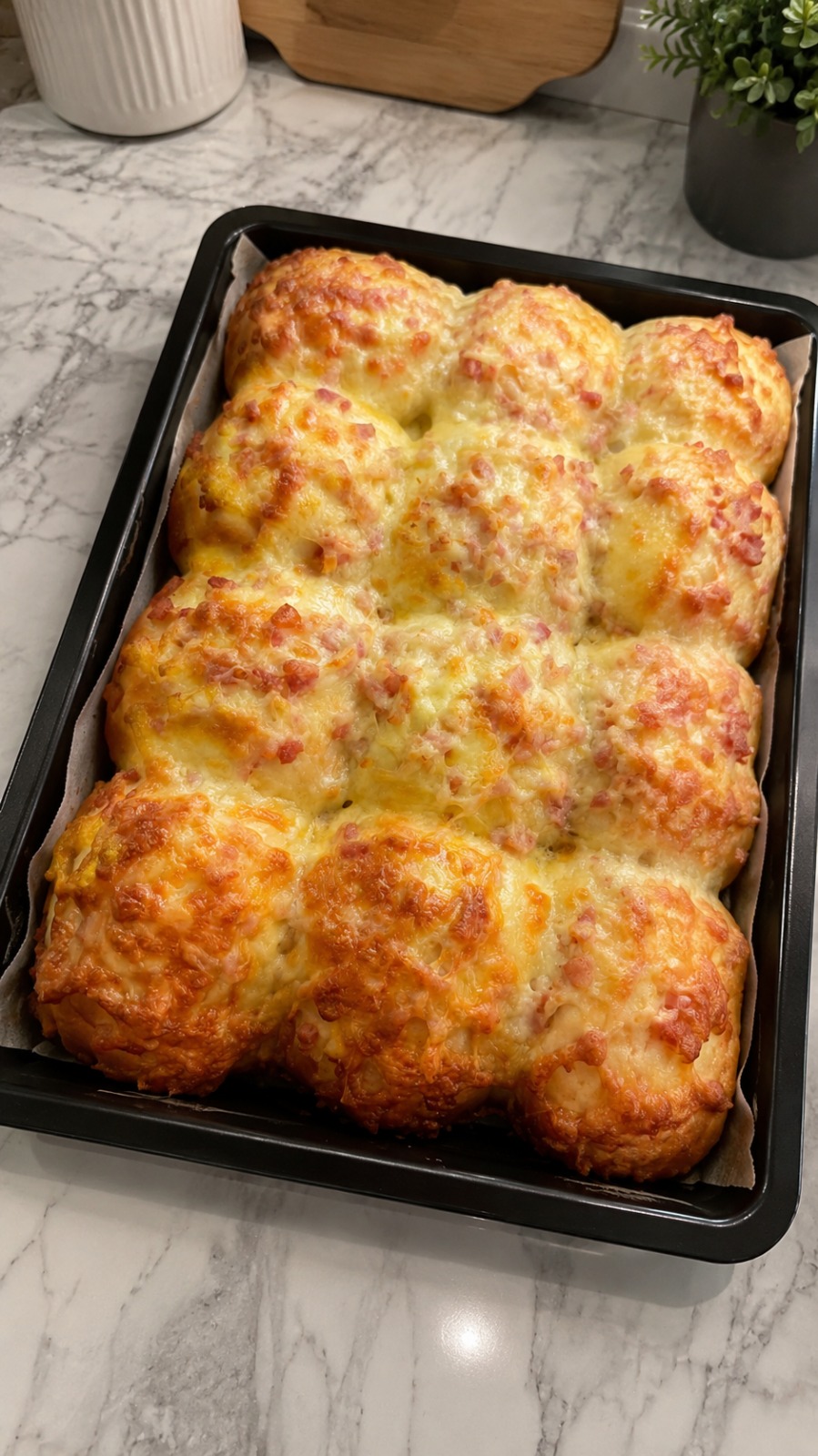
Soft Cheese and beef Bacon Bread Rolls offer a comforting balance of savory, smoky, and creamy flavors wrapped in a tender, pillowy dough. These rolls are designed for situations where you need something substantial yet easy to handle, such as a hearty breakfast, a quick lunch, or a casual dinner side dish that pairs beautifully with soups or stews. The exterior bakes to a golden brown, while the interior remains soft and slightly chewy, holding pockets of melted cheese and bits of crispy bacon throughout every bite. Unlike dense sandwich breads, these rolls rise light enough to be enjoyed on their own but sturdy enough to hold fillings if desired. They are particularly useful when you want to elevate a simple meal without spending hours in the kitchen, providing a warm, satisfying experience that feels homemade and thoughtful.
For more visual inspiration and step-by-step guides, Follow Hailee Recipes on Pinterest.
Why This Recipe Works
The success of these rolls relies on the interaction between the fat content in the bacon and the moisture retained by the cheese within the dough structure. Using cooked, crumbled beef bacon adds a distinct smokiness that cuts through the richness of the cheese, preventing the filling from feeling too heavy. The dough is formulated to be slightly enriched with a small amount of butter and milk, which ensures the crumb stays soft even after cooling, avoiding the dryness common in leaner yeast breads.
Incorporating the cheese directly into the dough rather than just placing it inside creates a marbled effect where every slice has a consistent distribution of flavor. The beef bacon is pre-cooked before being folded in, which prevents excess grease from making the dough soggy during the rise and baking process. This method also allows the bacon to crisp up further in the oven, adding a pleasant textural contrast to the soft cheese and fluffy bread. The result is a roll that holds its shape well but yields easily to the touch, offering a reliable texture that appeals to a wide range of palates.
Ingredients
To make this batch of Soft Cheese and beef Bacon Bread Rolls, you will need the following items. Ensure all ingredients are at room temperature unless specified otherwise to promote even mixing and rising.
- All-purpose flour: 3 ½ cups (440g), plus extra for dusting the work surface.
- Active dry yeast: 1 packet (2 ¼ teaspoons or 7g).
- Warm whole milk: 1 cup (240ml), heated to approximately 110°F (43°C).
- Granulated sugar: 2 tablespoons (25g) to feed the yeast and aid browning.
- Salt: 1 ½ teaspoons (9g) to enhance flavor and control yeast activity.
- Unsalted butter: 3 tablespoons (42g), melted and cooled slightly.
- Large egg: 1, beaten, for brushing the tops before baking.
- Beef bacon: 6 ounces (170g), cooked until crisp and crumbled into small pieces.
- Soft cheese: 8 ounces (225g), such as cream cheese or mozzarella, cut into small cubes or shredded.
How To Make Soft Cheese and beef Bacon Bread Rolls
- Activate the yeast and prepare the dough base: In a large mixing bowl, combine the warm milk, sugar, and active dry yeast. Stir gently and let the mixture sit for about 5 to 10 minutes until it becomes frothy and bubbly, indicating the yeast is active. Add the melted butter, salt, and the beaten egg to the yeast mixture, stirring until well combined. Gradually add the all-purpose flour, one cup at a time, mixing with a wooden spoon or the paddle attachment of a stand mixer until a shaggy dough forms.
- Knead the dough: Transfer the dough to a lightly floured surface. Knead by hand for about 8 to 10 minutes, or use the dough hook on a stand mixer set to low speed for 5 to 7 minutes. The goal is to achieve a smooth, elastic dough that pulls away cleanly from the sides of the bowl and feels slightly tacky but not sticky. If the dough sticks excessively, add flour one tablespoon at a time, but avoid over-flouring which can lead to dense rolls.
- First rise: Lightly grease a clean bowl with a small amount of oil or butter. Place the kneaded dough into the bowl, turning it once to coat the surface with oil. Cover the bowl tightly with plastic wrap or a damp kitchen towel. Let the dough rise in a warm, draft-free area for 60 to 90 minutes, or until it has doubled in size. You can test if it is ready by pressing a finger into the center; the indentation should slowly spring back partway.
- Shape and fill the rolls: Once risen, punch down the dough gently to release air bubbles. Turn it out onto a lightly floured surface and divide it into 12 equal portions. Roll each portion into a ball. Take one ball and flatten it slightly with your palm. Sprinkle a portion of the crumbled beef bacon and a few cubes of soft cheese onto the center of the flattened dough. Gather the edges of the dough up around the filling and pinch them together securely to seal the contents inside. Place the sealed roll, seam-side down, into a greased 9×13 inch baking pan. Repeat this process with the remaining dough balls, arranging them snugly so they touch each other.
- Second rise and bake: Cover the filled baking pan loosely with plastic wrap or a towel. Allow the rolls to rise again for 30 to 45 minutes. While they rise, preheat your oven to 375°F (190°C). Before baking, brush the tops of the rolls lightly with the reserved beaten egg wash to encourage a golden crust. Bake for 20 to 25 minutes, rotating the pan halfway through if needed, until the rolls are deep golden brown and sound hollow when tapped on the bottom. The internal temperature should reach at least 190°F (88°C) for fully baked bread.
Doneness And Troubleshooting
Determining when the rolls are fully baked requires observing both visual cues and texture. The tops should be a rich, uniform golden brown color. If the tops are browning too quickly before the centers are done, cover the pan loosely with aluminum foil for the remainder of the baking time. A reliable indicator of doneness is tapping the bottom of a roll; it should produce a hollow sound. If the sound is dull, the bread likely needs a few more minutes in the oven.
If the dough fails to rise properly, check the temperature of the milk used to activate the yeast. Milk that is too hot can kill the yeast, while milk that is too cold may not activate it sufficiently. Another common issue is dense rolls caused by over-kneading, which can develop too much gluten, or under-kneading, which leaves the dough unable to trap gas. If the cheese leaks out during baking, ensure the seams were pinched tightly enough and that the dough was not stretched too thin before sealing.
Substitutions And Variations
You can substitute the beef bacon with turkey bacon or smoked ham for a different flavor profile, though the cooking time for the meat may vary slightly. For a dairy-free version, use plant-based butter and a dairy-free soft cheese alternative, keeping in mind that some alternatives melt differently than traditional dairy cheeses. If you prefer a spicier kick, add a pinch of red pepper flakes to the dough or mix a little chopped jalapeño with the cheese filling.
Using whole wheat flour instead of all-purpose flour is possible, but expect a denser texture and a shorter rise time. If using whole wheat, consider increasing the liquid by 1 to 2 tablespoons. For those who enjoy herbs, fresh chives or dried thyme can be kneaded into the dough alongside the cheese and bacon, adding an aromatic layer that complements the savory elements.
Serving Suggestions
These rolls are versatile and pair well with a variety of dishes. Serve them warm, straight from the oven, alongside a bowl of creamy tomato soup or a hearty chicken noodle soup for a complete comfort meal. They also make an excellent accompaniment to roasted vegetables or a simple green salad dressed with a vinaigrette. For a breakfast setting, serve them with scrambled eggs and a side of fruit. Because they are handheld and substantial, they are perfect for potlucks or family gatherings where guests might want to grab a roll and eat it without needing utensils.
Storage And Reheating
Allow the rolls to cool completely on a wire rack before storing them to prevent condensation from making the crust soggy. Store leftover rolls in an airtight container or a resealable plastic bag at room temperature for up to two days. For longer storage, place the cooled rolls in a freezer-safe bag, removing as much air as possible, and freeze for up to three months.
To reheat, wrap individual rolls in aluminum foil and warm them in a 350°F (175°C) oven for 10 to 15 minutes. If reheating from frozen, add an extra 5 to 10 minutes to the heating time. You can also microwave a single roll for 20 to 30 seconds, though this may soften the crust slightly. Avoid refrigerating the rolls, as the cold environment accelerates staling and makes the bread tough.
When preparing these rolls, remember that patience during the rising stages is key to achieving the desired light and airy texture. Taking the time to ensure the yeast is active and the dough has doubled properly will yield the best results for your Soft Cheese and beef Bacon Bread Rolls.
Soft Cheese and beef Bacon Bread Rolls
Ingredients
Method
- Activate yeast in warm milk and sugar, then mix in butter, egg, and salt. Add flour gradually to form a dough.
- Knead dough until smooth and elastic, about 8-10 minutes by hand.
- Place dough in a greased bowl, cover, and let rise until doubled in size.
- Punch down dough, divide into 12 balls, flatten, fill with bacon and cheese, seal, and place in a baking pan.
- Let rise again for 30-45 minutes, brush with egg wash, and bake at 375°F until golden brown.