Cheesy Baked Cabbage Steaks
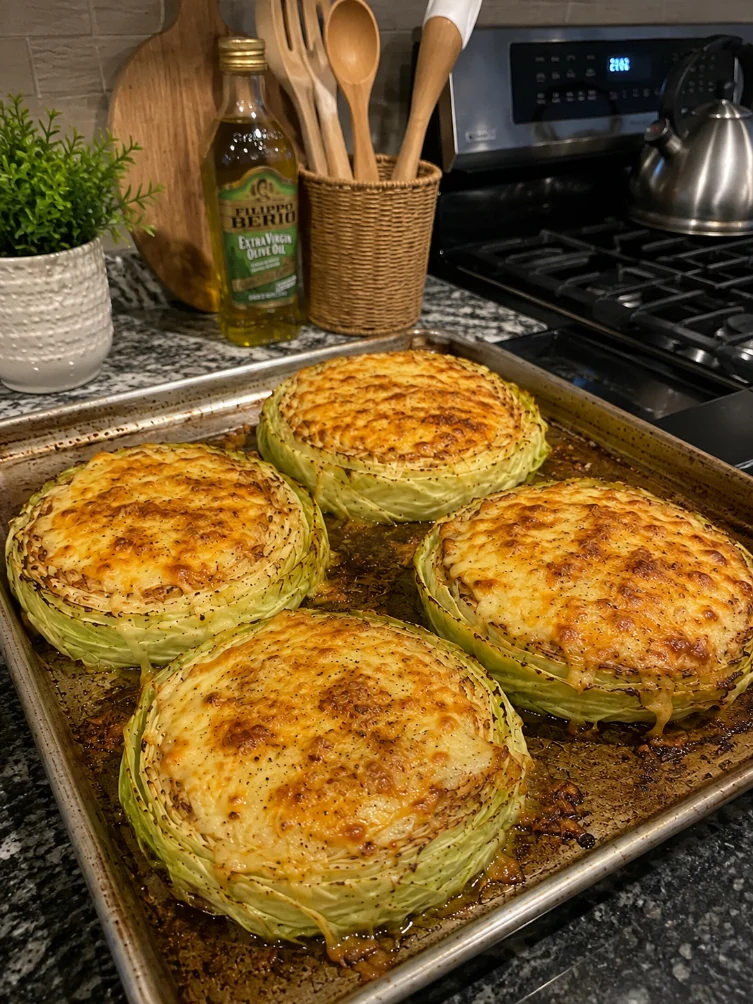
Cheesy Baked Cabbage Steaks
Follow Hailee Recipes on Pinterest for more vegetable-forward inspiration. Cheesy Baked Cabbage Steaks transform a humble, often overlooked head of cabbage into a substantial centerpiece dish. Thick, circular slices of the vegetable are roasted until tender and slightly caramelized at the edges, then smothered in a rich, melted cheese blend that creates a savory crust. The texture offers a delightful contrast: the interior remains soft and yielding, while the exterior develops a gentle crispness from the roasting process. This dish is particularly useful as a hearty vegetarian main course or a robust side that pairs well with roasted meats, grilled chicken, or a simple grain salad. It brings warmth to the table without requiring complex techniques, making it an accessible option for weeknight dinners when you want something comforting but distinct.
Why This Recipe Works
The success of this dish relies on the structural integrity of the cabbage itself. By cutting the vegetable into thick, one-inch steaks, we ensure that the core holds together during the high-heat roasting process. If the slices are too thin, they will dry out before the center becomes tender; if they are too thick, the exterior may burn before the inside cooks through. Roasting first allows the natural sugars in the cabbage to concentrate, creating a nutty, sweet flavor profile that balances the saltiness of the cheese. Adding the cheese only after the initial roasting phase prevents it from burning or becoming rubbery. Instead, the residual heat and the final minutes under the broiler melt the cheese perfectly, allowing it to bubble and brown without losing its creamy texture. This method ensures every bite has a harmonious balance of savory, sweet, and creamy elements.
Ingredients
- 1 large head of green cabbage (approximately 3 pounds), cored and cut into 4 to 6 thick steaks
- 3 tablespoons olive oil
- 1 teaspoon kosher salt
- ½ teaspoon freshly ground black pepper
- ½ teaspoon garlic powder
- ¼ teaspoon smoked paprika
- 2 cups shredded sharp cheddar cheese (or a mix of cheddar and mozzarella)
- 2 tablespoons fresh parsley, chopped (optional, for garnish)

How To Make Cheesy Baked Cabbage Steaks
- Prepare the Oven and Pan: Preheat your oven to 400°F (200°C). Line a large baking sheet with parchment paper or aluminum foil for easier cleanup. Ensure the rack is positioned in the center of the oven to promote even heat distribution.
- Prep the Cabbage: Remove any loose or damaged outer leaves from the cabbage head. Cut off the very bottom stem just enough to create a flat base so the steaks stand upright or lay flat without rolling. Slice the cabbage crosswise into thick rounds, aiming for a thickness of about 1 inch. You should get between 4 and 6 steaks depending on the size of your head. Discard the small, loose inner leaves or save them for another use like coleslaw.
- Season and Roast: Place the cabbage steaks on the prepared baking sheet. In a small bowl, whisk together the olive oil, salt, pepper, garlic powder, and smoked paprika. Brush or rub this mixture generously over both sides of each steak, ensuring the seasoning gets into the crevices of the leaves. Arrange the steaks so they do not overlap. Roast in the preheated oven for 25 to 30 minutes. The steaks are ready for the next step when they are fork-tender and have developed golden-brown spots on the edges.
- Add the Cheese: Remove the baking sheet from the oven. Sprinkle the shredded cheese evenly over the top of each hot cabbage steak. Return the pan to the oven and switch the setting to broil. Broil for 2 to 4 minutes, watching closely, until the cheese is fully melted and beginning to bubble with light brown spots. Do not walk away during this step, as cheese can go from melted to burnt very quickly.
- Rest and Serve: Carefully remove the baking sheet from the oven using oven mitts. Let the steaks rest on the pan for 3 to 5 minutes. This brief resting period allows the cheese to set slightly, making it easier to lift the steaks without breaking them. Garnish with fresh parsley if desired, then serve immediately while warm.
Doneness And Troubleshooting
Knowing when the cabbage is perfectly cooked is key to avoiding a mushy or raw result. After the initial 25-minute roast, test a steak by piercing the thickest part of the core with a fork. It should slide in with little resistance, similar to a baked potato. If the fork meets significant resistance, the cabbage needs more time; check it every 3 to 5 minutes thereafter. Conversely, if the edges look overly dark before the center is tender, cover the pan loosely with foil to prevent further browning while the interior finishes cooking.
If the cheese burns before melting completely, it is likely due to the broiler being too close to the food or the heat being too intense. Lower the rack position by one slot if possible, or reduce the broiling time. For a softer cheese pull, ensure you are using a blend of cheeses rather than a single type that might separate. If the steaks fall apart during handling, your cuts may have been too thin, or the cabbage was not roasted long enough to become pliable. Always handle the steaks gently with a wide spatula.
Substitutions And Variations
This recipe is adaptable based on dietary preferences and what you have on hand. For a dairy-free version, omit the cheese entirely or substitute with a plant-based shreds designed for melting, though the texture will differ slightly. Nutritional yeast can be sprinkled on top for a cheesy flavor without the dairy. If you prefer a milder flavor, swap the sharp cheddar for mild cheddar, Monterey Jack, or provolone. For a spicier kick, add a pinch of red pepper flakes to the oil mixture or use a pepper jack cheese blend.
You can also alter the seasoning profile to match other cuisines. Try swapping the smoked paprika for Italian seasoning and topping with parmesan for a Mediterranean twist. Alternatively, use curry powder and turmeric in the oil rub, finishing with a dollop of coconut yogurt instead of cheese. When substituting vegetables, napa cabbage can be used, but it requires a shorter roasting time due to its thinner leaves. Green cabbage is preferred here for its durability and ability to hold its shape under heavy toppings.
Serving Suggestions
Cheesy Baked Cabbage Steaks are versatile enough to stand alone as a main dish for vegetarians or complement a variety of proteins. They pair exceptionally well with roasted chicken thighs, grilled pork chops, or seared salmon. The richness of the cheese and the sweetness of the cabbage cut through the savory notes of grilled meats effectively. For a complete meal, serve alongside a quinoa pilaf, wild rice, or a simple mixed green salad dressed with a vinaigrette to add acidity and crunch. A glass of chilled white wine or a sparkling water with lemon complements the savory flavors nicely. These steaks also make an excellent addition to a potluck or dinner party spread, as they can be prepared ahead of time and finished just before serving.
Storage And Reheating
Leftovers should be cooled to room temperature within two hours of cooking and then transferred to an airtight container. Store in the refrigerator for up to three to four days. The cabbage will soften further upon storage, which is normal. To reheat, place the steaks on a baking sheet and warm them in a 350°F (175°C) oven for 10 to 15 minutes until heated through. This method helps retain some texture compared to microwaving, which can make the cabbage soggy and the cheese rubbery. If you must use a microwave, do so in short intervals, covering the dish to trap steam.
Freezing is not recommended for this specific dish. The high water content in the cabbage tends to separate and become watery upon thawing, and the texture of the melted cheese does not recover well after freezing. For best results, prepare the steaks without the cheese, freeze them for up to two months, and then bake and add fresh cheese when ready to eat. However, for optimal flavor and texture, it is best to consume leftovers within a few days.
This recipe demonstrates how simple ingredients can come together to create a satisfying meal. By focusing on proper technique and timing, you can boost a basic vegetable into a crowd-pleasing favorite. Enjoy the process of cooking and the warmth of the finished dish.
Cheesy Baked Cabbage Steaks
Ingredients
Method
- Preheat oven to 400°F (200°C). Line a baking sheet with parchment paper.
- Cut cabbage into 1-inch thick steaks. Whisk oil, salt, pepper, garlic powder, and paprika. Rub mixture over steaks.
- Roast for 25-30 minutes until fork-tender and edges are browned.
- Top with cheese and broil for 2-4 minutes until melted and bubbly.
- Rest for 5 minutes before serving.