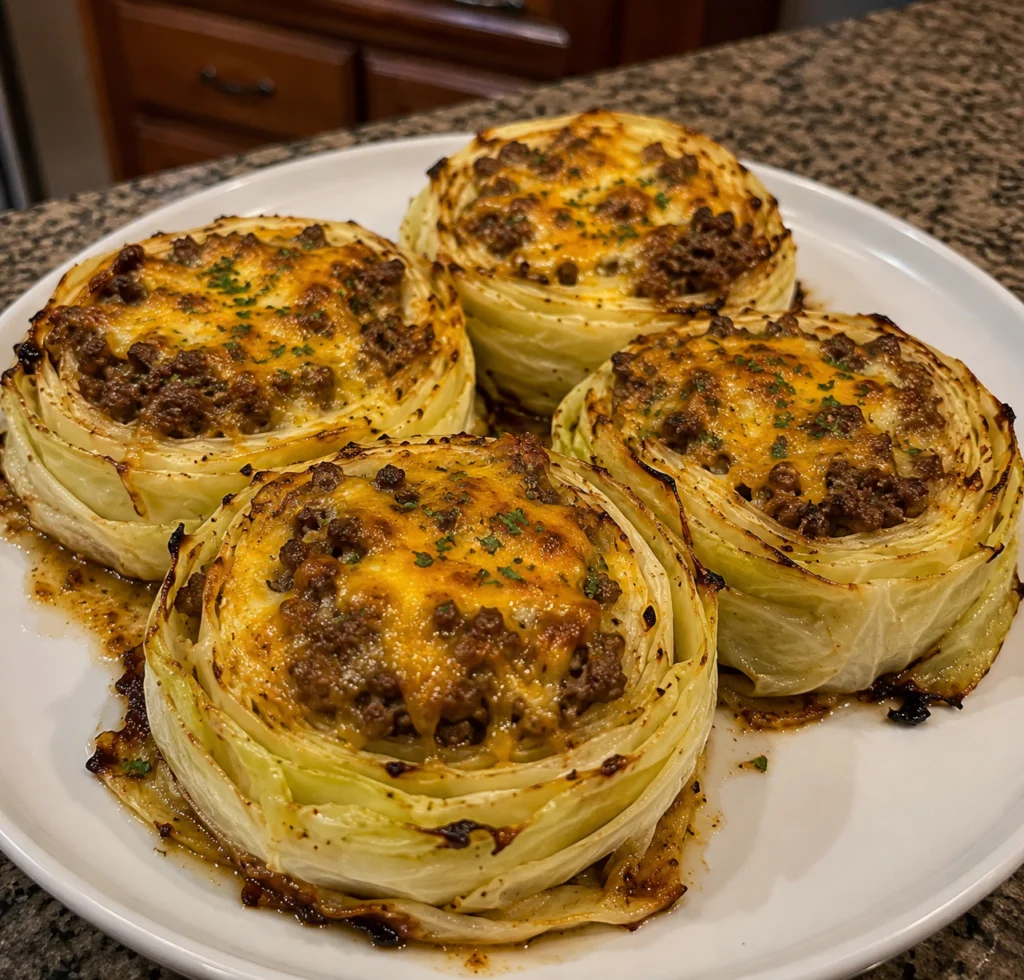
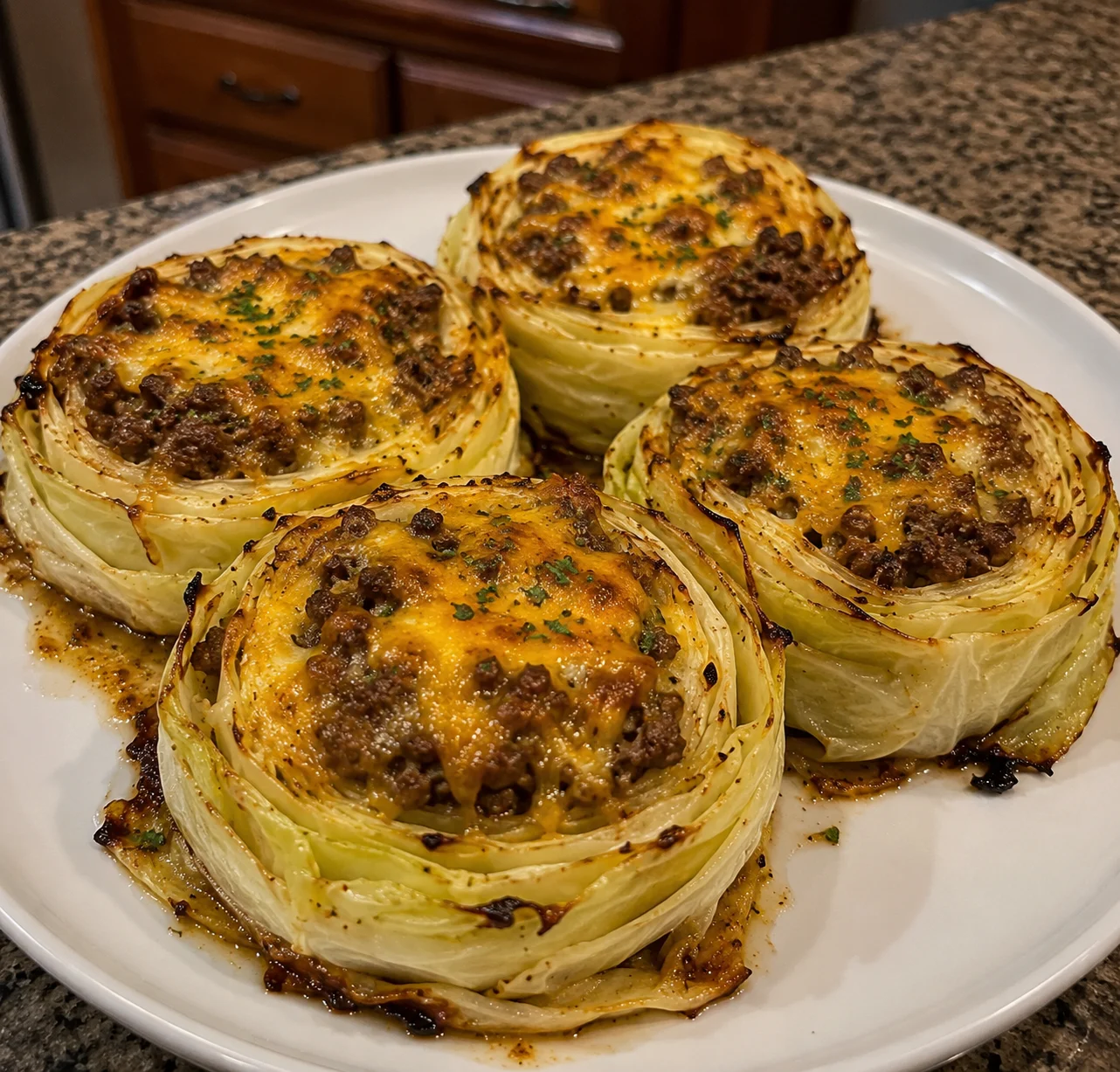
Imagine a comforting dinner where tender strips of steak nestle inside crisp, buttery cabbage leaves, all bound together with a rich, melted cheese sauce. This dish transforms simple, humble ingredients into a satisfying meal that feels special without requiring hours of preparation. The texture is a delightful contrast: the slight snap of the sautéed cabbage gives way to the softness of the cooked meat and the creamy, savory pull of the cheese. It is an ideal choice for busy weeknights when you want something hearty and flavorful, or for a casual Sunday supper that brings everyone to the table. The flavors are balanced and familiar, relying on the natural sweetness of the cabbage and the savory depth of the beef rather than heavy spices.
Follow Hailee Recipes on Pinterest for more practical ideas like this one. Whether you are serving this to a family of four or hosting a small gathering, these nests offer a structured yet flexible approach to dinner. The assembly process is straightforward, making it accessible for cooks of all skill levels who want to create a restaurant-quality presentation at home. The result is a warm, cheesy, and meaty dish that satisfies cravings while keeping the cooking time reasonable.
Why This Recipe Works
The success of this dish lies in how the components interact during cooking. Cabbage leaves have a natural waxy coating that makes them sturdy enough to hold fillings without tearing, provided they are treated correctly. By blanching or briefly sautéing the leaves first, we soften their fibers just enough to make them pliable for rolling, while retaining a pleasant crunch that prevents the final dish from becoming mushy. This technique ensures the “nest” structure holds its shape throughout baking.
Using thin slices of steak allows the meat to cook quickly and evenly within the short timeframe required to melt the cheese and heat the filling through. If the steak were too thick, the cabbage might overcook before the center of the meat was safe to eat. The cheese acts as both a binder and a flavor enhancer, creating a cohesive unit that keeps the steak and cabbage together. The combination of fat from the steak and dairy from the cheese creates a rich mouthfeel that balances the mild, slightly sweet profile of the cabbage. This method avoids the need for complex sauces or long braising times, delivering a complete meal in under an hour.
Ingredients
To make six generous servings, you will need the following items. Ensure your cabbage is fresh and firm, and choose a cut of steak that is thin-sliced or can be pounded thin for even cooking.
- 1 large head green cabbage: You will need about 6 to 8 large outer leaves for the nests.
- 1 pound (450g) flank steak or skirt steak: Cut into thin strips against the grain, roughly 3 inches long.
- 2 tablespoons olive oil: For searing the steak and sautéing the cabbage.
- 1 medium yellow onion: Finely diced.
- 2 cloves garlic: Minced.
- 1 cup shredded cheddar cheese: Freshly shredded melts better than pre-packaged shreds.
- 1 cup shredded mozzarella cheese: Provides the stretch and mild flavor base.
- 1 teaspoon salt: To season the meat and vegetables.
- ½ teaspoon black pepper: Freshly ground adds a nice bite.
- ¼ teaspoon paprika: Adds a subtle warmth and color to the steak mixture.
How To Make Cheesy Cabbage Steak Nests
- Prepare the cabbage leaves: Remove the core from the cabbage head. Bring a large pot of water to a boil. Carefully peel off the largest, most intact outer leaves, one by one. Drop each leaf into the boiling water for exactly 2 minutes until they become bright green and pliable but not falling apart. Remove the leaves with tongs and immediately plunge them into a bowl of ice water to stop the cooking process. Drain well and pat dry with clean kitchen towels. You should have 6 to 8 usable leaves ready for stuffing.
- Sear the steak and aromatics: Heat a large skillet over medium-high heat and add the olive oil. Season the steak strips generously with salt, pepper, and paprika. Add the meat to the hot pan in a single layer, working in batches if necessary to avoid crowding. Sear for 2 to 3 minutes per side until browned but still slightly pink in the center, as it will finish cooking in the oven. Transfer the steak to a cutting board and let it rest for 5 minutes. In the same skillet, reduce the heat to medium and add the diced onion. Cook for 3 to 4 minutes until softened and translucent. Stir in the minced garlic and cook for another minute until fragrant.
- Combine the filling: Return the rested steak to the skillet with the onions and garlic. Toss everything together to distribute the juices. Remove the skillet from the heat. Stir in half of the cheddar cheese and half of the mozzarella cheese so the residual heat begins to melt them into the meat mixture. Taste the filling and adjust seasoning if needed. Let the mixture cool slightly so it is warm but not scalding hot when you handle the cabbage leaves.
- Assemble the nests: Preheat your oven to 375°F (190°C). Line a baking sheet with parchment paper or lightly grease a 9×13 inch baking dish. Take one prepared cabbage leaf and place it flat on your work surface. Spoon about ½ cup of the steak and cheese mixture onto the bottom third of the leaf. Fold the sides of the leaf inward over the filling, then roll it up tightly from the bottom to form a neat bundle or “nest.” Place the rolled nest seam-side down on the prepared baking sheet. Repeat this process with the remaining leaves and filling until you have assembled all the nests.
- Bake until golden and bubbly: Sprinkle the remaining cheddar and mozzarella cheeses evenly over the top of the assembled nests. Cover the baking sheet loosely with aluminum foil to prevent the tops from burning before the centers are hot. Bake for 15 minutes. Remove the foil and continue baking for another 5 to 10 minutes, watching closely, until the cheese is fully melted, bubbling, and slightly browned at the edges. The internal temperature of the steak should reach at least 145°F (63°C).

Doneness And Troubleshooting
Knowing when the cabbage nests are done requires observing visual cues rather than relying solely on a timer. The cheese should be completely melted with some golden-brown spots forming on the surface. If the cheese is browning too quickly before the filling is hot, tent the dish with foil again for the remainder of the cooking time. The cabbage leaves should be tender when pierced with a fork but should not disintegrate; if they feel slimy or fall apart, they may have been blanched for too long initially.
If the steak appears undercooked after baking, ensure you used thin strips. Thick pieces of meat require longer cooking times that will overcook the cabbage. If you find the nests are leaking filling, it usually means the rolls were not tight enough during assembly. Try pressing the filling firmly into the leaf and rolling it with a bit more tension. Another common issue is soggy bottoms; this happens if the cabbage leaves retain too much moisture after blanching. Be sure to pat them thoroughly dry with towels before adding the filling.
Substitutions And Variations
This recipe is adaptable based on dietary preferences or what you have available in your pantry. For a lighter protein option, you can substitute the steak with thinly sliced chicken breast or turkey thigh. Chicken will cook faster, so reduce the initial searing time and check the internal temperature earlier, aiming for 165°F (74°C). Ground beef is another alternative; simply brown it with the onions and drain excess fat before mixing with the cheese. Note that ground beef will change the texture significantly, making it less distinct than whole muscle steak.
If you prefer a different cheese profile, Swiss or Gruyère works beautifully with beef and cabbage, offering a nuttier flavor. For a spicier kick, add a pinch of red pepper flakes to the steak seasoning or mix a few chopped jalapeños into the filling. While green cabbage is traditional, Savoy cabbage has thinner, more delicate leaves that are easier to roll but may require slightly less blanching time. Avoid using purple cabbage for this specific application, as it can turn the filling an unappealing blue-gray color when cooked with acidic ingredients or certain cheeses.
Serving Suggestions
These nests are substantial enough to stand alone as a main course, but they pair wonderfully with simple sides that do not compete with the rich flavors. A light, crisp green salad with a vinaigrette dressing provides a refreshing contrast to the creamy, cheesy filling. Steamed broccoli or roasted asparagus also complements the dish well, adding a touch of earthiness. For those who enjoy starch, serve the nests alongside a small portion of mashed potatoes or a slice of crusty bread to soak up any extra juices from the baking dish.
Garnishing with fresh chopped parsley or chives adds a pop of color and a hint of freshness right before serving. A drizzle of balsamic glaze can boost the presentation and add a sweet-tart note that cuts through the richness of the cheese. These nests look elegant on a plate, especially when arranged neatly with the seams hidden underneath, making them suitable for dinner parties where you want to impress guests without spending the entire evening in the kitchen.
Storage And Reheating
Leftovers can be stored safely in an airtight container in the refrigerator for up to three days. Because the dish contains cooked meat and dairy, it is important to cool the leftovers to room temperature within two hours of cooking before refrigerating. When reheating, the goal is to warm the filling without drying out the cabbage or making the cheese rubbery. The best method is to reheat individual portions in the microwave for 1 to 2 minutes, covering them with a damp paper towel to retain moisture. Alternatively, you can reheat them in a 350°F (175°C) oven for 10 to 15 minutes, covered with foil, until heated through.
Freezing is possible but requires careful handling. Assemble the nests but do not bake them. Wrap each unbaked nest individually in plastic wrap and place them in a freezer-safe bag. They can be frozen for up to one month. To cook from frozen, remove the plastic wrap, place the nests on a baking sheet, cover with foil, and bake at 375°F (190°C) for about 25 minutes, then uncover and bake for another 10 minutes until the cheese is melted and the meat is cooked through. Do not refreeze previously thawed nests.
This recipe offers a reliable way to use up leftover steak or a quick-cut piece of beef, turning it into a structured meal that feels thoughtful and delicious. With proper technique, the cabbage remains intact and the cheese stays creamy, ensuring every bite is as satisfying as the last.
Cheesy Cabbage Steak Nests
Ingredients
Method
- Blanch cabbage leaves in boiling water for 2 minutes, then shock in ice water and pat dry.
- Sear seasoned steak strips in olive oil until browned, then set aside. Sauté onion and garlic in the same pan.
- Combine steak, aromatics, and half the cheese mixture; let cool slightly.
- Roll the filling into the cabbage leaves to form nests and place on a baking sheet. Top with remaining cheese.
- Bake covered at 375°F for 15 minutes, then uncovered for 5-10 minutes until cheese is bubbly and steak reaches 145°F.