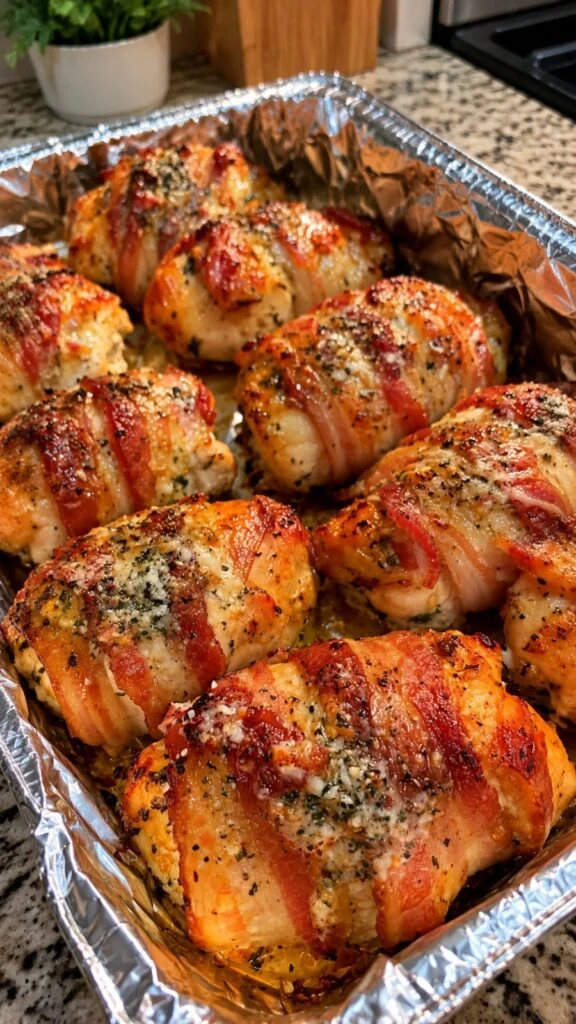
Bacon Wrapped Chicken
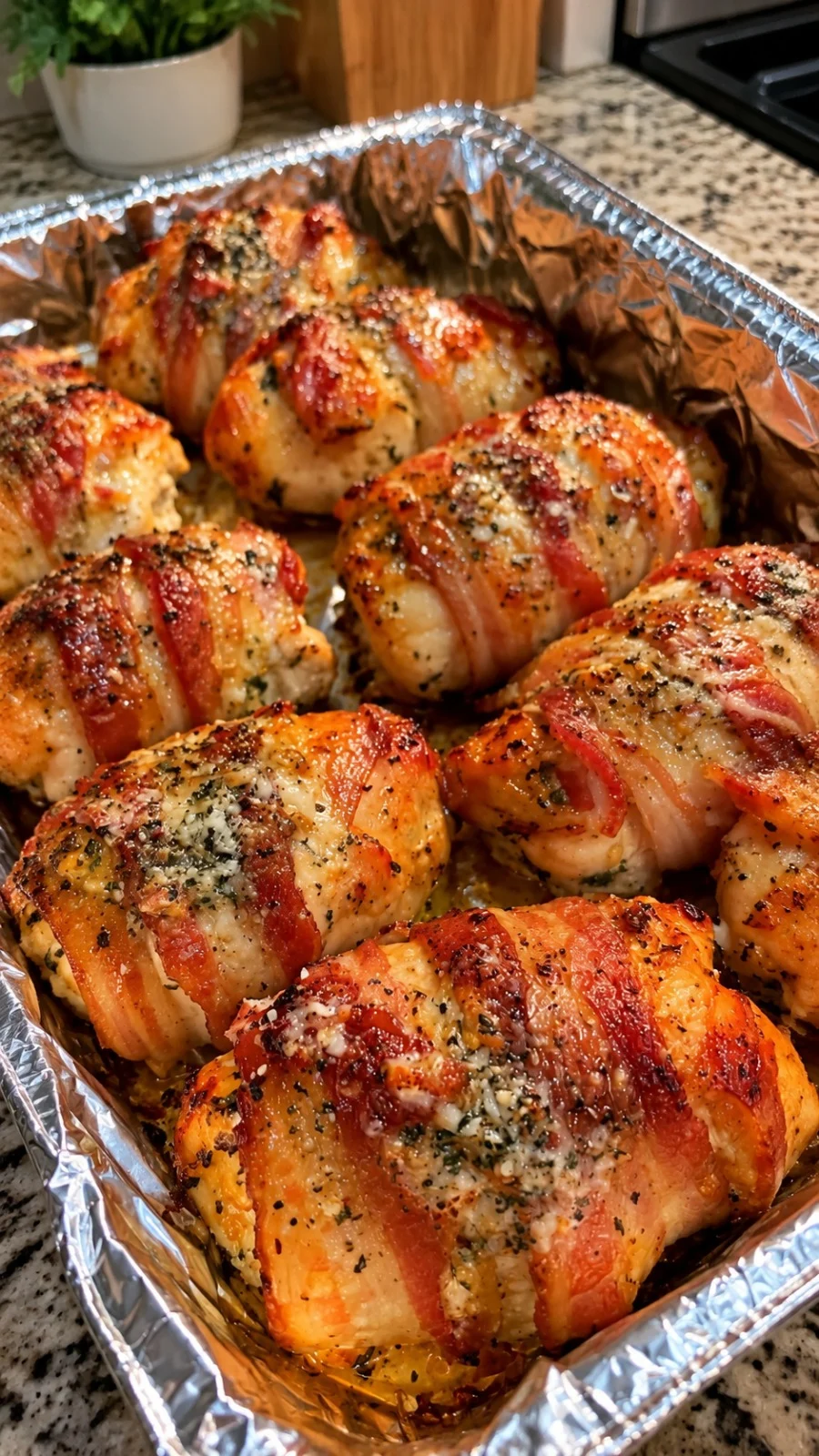
Wrap juicy chicken breasts in crispy, salty bacon and savory herbs for a comforting dinner that delivers rich flavor and tender texture in every bite.
Ingredients
- 4 large boneless, skinless chicken breasts (about 6 to 8 ounces each): Look for uniform thickness; if they vary significantly, pound them gently to ensure even cooking. This prevents the thinner ends from drying out before the thickest part is done.
- 1 tablespoon olive oil: Used to lightly coat the chicken before wrapping; this helps the seasoning adhere and promotes browning on the exposed meat.
- 1 teaspoon garlic powder: Provides a mellow, aromatic base that complements the smokiness of the bacon without overpowering it.
- 1 teaspoon smoked paprika: Adds a subtle depth and a hint of earthy sweetness that pairs perfectly with pork products.
- 1/2 teaspoon dried thyme: An herb that offers a slightly floral, lemony note which cuts through the richness of the fat.
- 1/2 teaspoon salt: Essential for drawing out moisture and enhancing the natural flavors of both the poultry and the cured meat.
- 1/4 teaspoon black pepper: Freshly cracked is best here to add a sharp, spicy kick that balances the savory elements.
- 8 slices thick-cut bacon (2 slices per chicken breast): Thick-cut bacon holds its shape better during baking and provides a satisfying crunch rather than becoming brittle or greasy.
- 1/2 cup shredded cheddar cheese (optional variation): If you choose to include cheese, place it inside the wrap to create a molten center; omit for a lower-carb option.
How To Make Bacon Wrapped Chicken
- Prepare the chicken and seasoning mix
Preheat your oven to 400°F (200°C) and line a large rimmed baking sheet with aluminum foil or parchment paper for easy cleanup. Place the chicken breasts on a clean cutting board and pat them completely dry with paper towels; removing surface moisture is critical because wet chicken will steam instead of sear, making it harder for the bacon to crisp. In a small bowl, whisk together the olive oil, garlic powder, smoked paprika, thyme, salt, and black pepper until it forms a paste-like consistency. Rub this mixture generously over all sides of each chicken breast, ensuring you get into any crevices. If your chicken breasts are uneven in thickness, place them between two sheets of plastic wrap and gently pound the thicker end with a meat mallet or rolling pin until the entire breast is about 3/4 inch thick. This step ensures that every piece finishes cooking at the same time, preventing the common mistake of dry, stringy edges while the center remains raw. - Assemble the bacon wraps
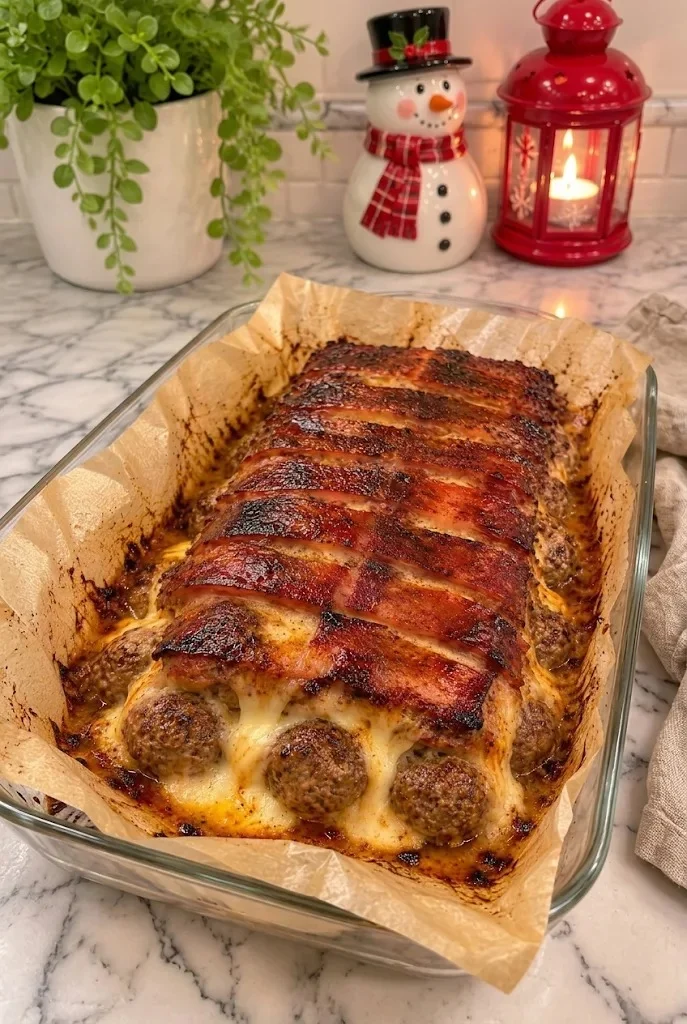
Take one slice of bacon and lay it flat on your work surface, then place a second slice on top, overlapping them slightly by about an inch so there are no gaps where the chicken could peek through. Lay a seasoned chicken breast horizontally across the bottom third of the bacon stack. If you are using cheese, sprinkle a generous amount down the center of the chicken now. Roll the bacon up tightly around the chicken, starting from the bottom and rolling upward, tucking the ends under as you go to secure the roll. The goal is a snug fit; if the bacon is too loose, it will unravel in the oven, but if it is too tight, it may burst open. Once wrapped, place the seam side down on the prepared baking sheet. Repeat this process for the remaining three breasts, spacing them about an inch apart so hot air can circulate freely around each piece. Proper spacing prevents steaming and allows the bacon to render its fat evenly, resulting in a uniform crispness. - Bake until the bacon is crisp
Place the baking sheet in the center rack of the preheated oven. Bake for 25 minutes initially; this gives the bacon enough time to start rendering its fat and turning golden brown. After 25 minutes, check the color of the bacon. If it looks pale or soft, continue baking for another 5 to 10 minutes. You want the bacon to reach a deep amber color with visible crisp edges. During this time, the chicken will be absorbing the smoky flavors of the bacon drippings, which keeps the meat incredibly moist. Do not flip the chicken halfway through unless your bacon is very thin and curling excessively; flipping can cause the wrap to loosen. If you notice the bacon getting too dark before the chicken is cooked, loosely tent the tray with foil to slow down the browning process while the interior continues to cook. - Verify internal temperature and doneness
Insert an instant-read meat thermometer into the thickest part of the chicken breast, avoiding the bacon wrap itself. The chicken is safe to eat when it reaches an internal temperature of 165°F (74°C). Because the bacon adds significant heat and insulation, the chicken might take a few minutes longer than a plain baked breast. If the temperature reads below 160°F, return the tray to the oven for 2 to 3 minute intervals, checking after each interval. It is important not to rely solely on visual cues like juice clarity, as the rendered bacon fat can look clear even when the meat is undercooked. Once the target temperature is reached, remove the baking sheet from the oven immediately. Overcooking past 165°F will cause the lean chicken breast to become tough and dry, negating the benefits of the fatty bacon wrapper. - Rest and serve
Transfer the bacon-wrapped chicken to a clean cutting board or serving platter and let them rest for at least 5 to 10 minutes before slicing or serving. Resting is a non-negotiable step for juicy poultry; it allows the muscle fibers to relax and reabsorb the juices that were driven to the center by the heat. If you cut into the chicken immediately, those precious juices will run out onto the plate, leaving the meat drier than intended. While the chicken rests, you can skim excess grease from the baking sheet if you plan to use the pan drippings for a quick gravy, though the crispy bacon bits left behind make a great garnish. Serve warm, perhaps with a fresh green salad or roasted vegetables to balance the richness of the dish.
Why This Recipe Works
The success of this dish relies on the synergy between the lean protein and the high-fat curing agent. By wrapping the chicken in bacon, you create a self-basting environment where the rendered fat continuously coats the meat, preventing it from drying out in the dry heat of the oven. The combination of smoked paprika and thyme enhances the natural smokiness of the pork without introducing competing strong flavors. Pounding the chicken to an even thickness is the single most important technical factor; it eliminates the risk of uneven cooking, ensuring that the exterior bacon is perfectly crisp while the interior remains tender and juicy. This method transforms a simple weeknight staple into a restaurant-quality entrée with minimal effort.
Doneness And Troubleshooting
If the bacon burns before the chicken reaches 165°F, the bacon was likely too thin or the oven temperature was too high. Switch to thick-cut bacon next time and lower the oven to 375°F (190°C), extending the cook time by 5 to 10 minutes. If the bacon remains soggy after the full cook time, the chicken breasts may have been too crowded on the pan, causing them to steam rather than roast. Ensure there is ample space between each piece. If the chicken feels tough, it has likely been overcooked; always trust your thermometer over your eyes, as visual cues can be misleading with bacon-wrapped items. A slight pink hue near the bone area is acceptable if the temperature is correct, but the center should be opaque white.
Substitutions And Variations
For a lighter version, substitute regular bacon with turkey bacon, though note that it will be less crispy and require a longer bake time to achieve similar texture. You can replace the cheddar cheese with mozzarella for a stretchier melt or Swiss cheese for a nuttier flavor profile. If you prefer a sweeter glaze, brush the bacon with a thin layer of maple syrup or honey during the last 5 minutes of baking. For those avoiding dairy, simply omit the cheese entirely without affecting the structural integrity of the dish. Herb enthusiasts can swap thyme for rosemary or add a pinch of red pepper flakes for a spicy kick.
Serving Suggestions
This dish pairs beautifully with creamy mashed potatoes to soak up any savory drippings, or alongside roasted asparagus and Brussels sprouts for a low-carb meal. A simple arugula salad with a lemon vinaigrette provides the necessary acidity to cut through the richness of the bacon. Garlic bread or crusty baguette rounds out the plate nicely, offering a textural contrast to the tender chicken and crunchy bacon.
Storage And Reheating
Store leftover bacon-wrapped chicken in an airtight container in the refrigerator for up to 3 days. To maintain the crispness of the bacon, avoid microwaving leftovers if possible. Instead, reheat them in a toaster oven or conventional oven at 350°F (175°C) for about 10 minutes until heated through. If you must use a microwave, do so on medium power for short intervals to prevent the bacon from becoming rubbery. Freezing is also an option; freeze the cooked chicken on a baking sheet first, then transfer to a freezer bag for up to 2 months. Thaw overnight in the refrigerator before reheating.
This recipe brings a touch of indulgence to your weekly rotation with minimal prep work. For more delicious ideas and inspiration, Follow Hailee Recipes on Pinterest.
Bacon Wrapped Chicken
Ingredients
Method
- Preheat oven to 400°F. Pound chicken to even thickness and rub with oil and spices.
- Wrap each chicken breast tightly with two slices of bacon, adding cheese if desired.
- Bake on a lined sheet for 25-35 minutes until bacon is crisp.
- Check internal temperature reaches 165°F.
- Rest for 5-10 minutes before serving.