
Classic Lox Bagel
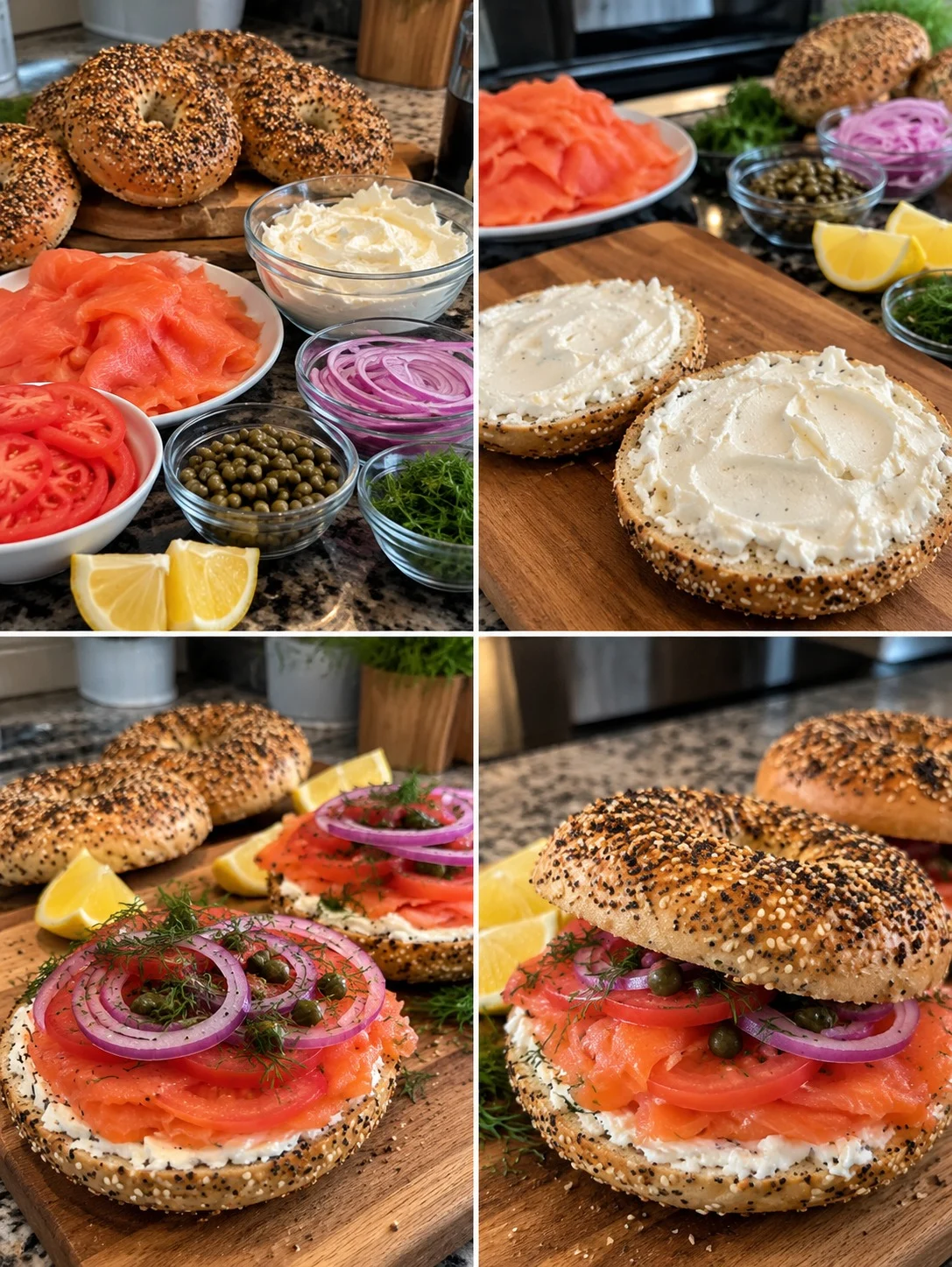
A Classic Lox Bagel delivers a perfect balance of creamy, tangy cream cheese and savory, silky smoked salmon on a chewy, toasted bagel, making it an ideal breakfast or brunch centerpiece.
Ingredients
To assemble four generous servings, you will need the following components. Each ingredient plays a specific role in creating the authentic texture and flavor profile found in New York-style delis.
- 4 Fresh Bagels: Choose plain, sesame, or poppy seed varieties. The bagel must be sturdy enough to hold heavy toppings without becoming soggy. If using frozen bagels, ensure they are fully thawed before toasting.
- 8 ounces Cold Smoked Salmon (Lox): Look for high-quality, thinly sliced lox rather than hot-smoked salmon, which has a flaky texture more suited to salads. Cold-smoked lox should be translucent and silky.
- 1 cup Full-Fat Cream Cheese: Use room temperature cream cheese for easy spreading. Low-fat versions often contain stabilizers that make them difficult to spread smoothly and can result in a grainy mouthfeel.
- 1/2 medium Red Onion: Thinly slice into rings or half-rings. Red onion provides a sharp, crisp bite that cuts through the richness of the fish and cheese.
- 3 tablespoons Capers: Rinsed and drained. These briny bursts add essential saltiness and acidity that mimic the traditional deli experience.
- 1 large Tomato: Sliced into thick rounds. Remove the seeds and excess gel if your tomatoes are very watery to prevent the bagel from getting soggy.
- 1/4 cup Fresh Dill: Chopped roughly. Fresh dill offers a bright, grassy aroma that pairs naturally with both salmon and cucumber.
- 1 Lemon: Cut into wedges for serving. A squeeze of fresh lemon juice just before eating brightens all the flavors.
- Salt and Black Pepper: To taste. While capers and lox are salty, a pinch of coarse black pepper adds necessary depth.
How To Make Classic Lox Bagel
- Prepare the Bagel Base
Begin by slicing each bagel horizontally through the center using a serrated bread knife. This sawing motion prevents crushing the soft interior while ensuring a clean cut. Place the cut sides up on a baking sheet and toast them in a 400°F (200°C) oven for 5 to 7 minutes, or until the edges are golden brown and the surface feels firm to the touch. Alternatively, use a toaster set to a medium-high setting. The goal is a crisp exterior that provides structural support against the wet ingredients. Do not skip this step; a untoasted bagel will absorb moisture from the tomato and cream cheese too quickly, leading to a mushy texture within minutes of assembly. - Prep the Vegetables and Herbs
While the bagels are toasting, prepare your toppings. Slice the red onion into very thin rings; if the rings are too thick, they will overpower the delicate flavor of the lox. Soak the onion rings in a bowl of ice water for 10 minutes if you prefer a milder flavor, then drain and pat them completely dry with paper towels. Moisture is the enemy of a good bagel, so ensure no water remains on the onions. Slice the tomato into 1/4-inch thick rounds. If your tomatoes are particularly juicy, gently press them between two paper towels to remove excess liquid. Chop the fresh dill coarsely, leaving some larger pieces for visual appeal. Rinse the capers under cold water to remove excess brine, then shake them dry in a colander. - Spread the Cream Cheese Layer
Remove the toasted bagels from the oven and let them cool for just 1 to 2 minutes until they are warm but not scorching. Take the room-temperature cream cheese and spread a generous layer (about 2 tablespoons per half) over the cut side of each bagel. Ensure the coverage extends nearly to the edge of the crust. This layer acts as a moisture barrier, sealing the porous bread so the juices from the tomato and lox do not soak into the crumb. If the cream cheese is too cold, it will tear the bagel surface; if it is too warm, it may slide off. Warm the cream cheese slightly in the microwave for 5 seconds if needed to achieve a smooth, spreadable consistency. - Layer the Lox and Toppings
Fold the slices of smoked salmon loosely into small bundles or lay them flat over the cream cheese, depending on the thickness of the slices. Folded layers create a more rustic, abundant look, while flat layers offer a uniform presentation. Arrange the tomato slices evenly over the fish, overlapping them slightly to cover the entire surface. Scatter the dried red onion rings and capers across the top. Sprinkle the chopped fresh dill generously over everything. The order of operations matters here: placing the cream cheese first creates a base, the lox adds the main protein, and the vegetables provide texture and acidity. Avoid piling too many ingredients at once, as this makes the bagel difficult to eat and causes toppings to slide off when biting. - Season and Serve Immediately
Finish the assembly by grinding fresh black pepper over the top. Taste a small piece of the onion or tomato first; if it seems bland, add a tiny pinch of sea salt, though this is rarely necessary given the salt content of the lox and capers. Serve the bagels immediately while the bread is still warm and the cream cheese is soft. Provide lemon wedges on the side, instructing diners to squeeze a little juice over the top right before eating. The heat from the bagel warms the cream cheese slightly, enhancing its flavor, while the cold lox and crisp vegetables provide a refreshing contrast. Delaying service allows the steam to soften the crust and the tomato to release water, compromising the textural integrity of the dish.
Why This Recipe Works
The success of a Classic Lox Bagel relies heavily on the management of moisture and temperature contrast. By toasting the bagel thoroughly before assembly, we create a hydrophobic barrier that resists sogginess, a common failure point in home-made versions. The choice of full-fat cream cheese is critical because the fat content carries flavor and provides a rich mouthfeel that low-fat alternatives cannot replicate. Furthermore, the sequence of layering—cream cheese first, then fish, then vegetables—ensures that the bread is protected from direct contact with wet ingredients. The addition of capers and dill introduces necessary acidic and herbal notes that cut through the density of the salmon and cheese, preventing the palate from becoming overwhelmed by fat. Finally, serving the dish immediately preserves the distinct textures: the crunch of the crust, the creaminess of the cheese, the silkiness of the fish, and the snap of the raw vegetables.

Doneness And Troubleshooting
Since this recipe involves assembling cooked and raw ingredients rather than baking a batter, “doneness” refers to the state of the components and the final assembly.
- Bagel Texture: If the bagel feels soft or doughy after toasting, it needs more time. A properly toasted bagel should have a slight resistance when pressed and a golden-brown color. Under-toasted bagels will become limp once the toppings are added.
- Soggy Bottoms: If you notice the bottom of the bagel becoming wet, your tomato slices likely contained too much juice. Always pat tomatoes dry and consider removing the seeds. Another cause is spreading cream cheese too thickly without letting it set slightly, or adding toppings before the bagel has cooled enough to stop steaming.
- Dull Flavors: If the bagel tastes one-note, check the seasoning of the capers and lox. Sometimes store-bought lox can be mild; a squeeze of fresh lemon juice or a pinch of cracked black pepper can revive the flavor profile.
- Cream Cheese Sliding: If the cream cheese slides off the bagel, it was likely too cold or the bagel surface was too rough. Ensure the cream cheese is at room temperature and the bagel is toasted to a smooth, slightly oily finish.
Substitutions And Variations
This recipe is flexible, but changes should be made thoughtfully to maintain the dish’s character.
- Bagel Alternatives: You can use whole wheat, multigrain, or rye bagels instead of plain ones. Be aware that denser grains may require longer toasting times to achieve the same crunch. Gluten-free bagels are available but often lack the chewiness of traditional yeast-leavened doughs; toast them well to improve texture.
- Fish Variations: If cold-smoked lox is unavailable, hot-smoked salmon can be used, but the texture will be flakier and less silky. Cured gravlax is another excellent option, offering a similar briny flavor with a firmer texture. Avoid canned salmon, as the texture and flavor profile differ significantly from fresh cured fish.
- Cheese Swaps: While cream cheese is standard, a mixture of cream cheese and sour cream can lighten the richness. Goat cheese or ricotta are not recommended as they lack the necessary fat content and spreadability for this specific application.
- Vegetable Additions: Sliced cucumbers or avocado are popular additions. If adding avocado, place it directly on the cream cheese to prevent browning, and add it last to avoid oxidation. Cucumbers should be seeded and salted briefly to draw out moisture before adding.
Serving Suggestions
A Classic Lox Bagel is best served as a standalone meal or as part of a larger brunch spread. Pair it with a strong cup of coffee, such as a dark roast or an espresso, to complement the savory flavors. For a complete meal, serve with a side of fresh fruit salad or a light green salad dressed in vinaigrette to balance the richness of the bagel. Beverages like sparkling water with lime or a mimosa also pair well. If preparing for a crowd, keep the bagels toasted and the toppings prepped separately, allowing guests to assemble their own just before eating to ensure maximum freshness.
Storage And Reheating
Leftover assembled bagels do not store well due to the rapid degradation of texture. The cream cheese will separate, and the bagel will become soggy within an hour. It is best to store the components separately. Toasted bagels can be wrapped tightly in foil and stored in the refrigerator for up to 2 days, or frozen for up to 3 months. Thaw frozen bagels at room temperature and re-toast them before assembling. The smoked salmon should be kept in its original packaging or transferred to an airtight container in the refrigerator and consumed within 3 to 5 days of opening. Cream cheese can be refrigerated for up to 2 weeks. Never attempt to freeze an already assembled bagel, as the ice crystals will ruin the texture of the fish and vegetables upon thawing.
Mastering the assembly of a Classic Lox Bagel ensures a restaurant-quality breakfast experience at home. For more culinary inspiration and detailed guides, Follow Hailee Recipes on Pinterest.
Classic Lox Bagel
Ingredients
Method
- Slice bagels horizontally and toast until golden brown and crisp.
- Prepare vegetables by slicing onions, tomatoes, and chopping dill; dry thoroughly.
- Spread a generous layer of room-temperature cream cheese on the toasted bagel halves.
- Layer the smoked salmon, followed by tomato, onion, capers, and dill.
- Season with black pepper and serve immediately with lemon wedges.