Bacon Cheeseburger Skillet
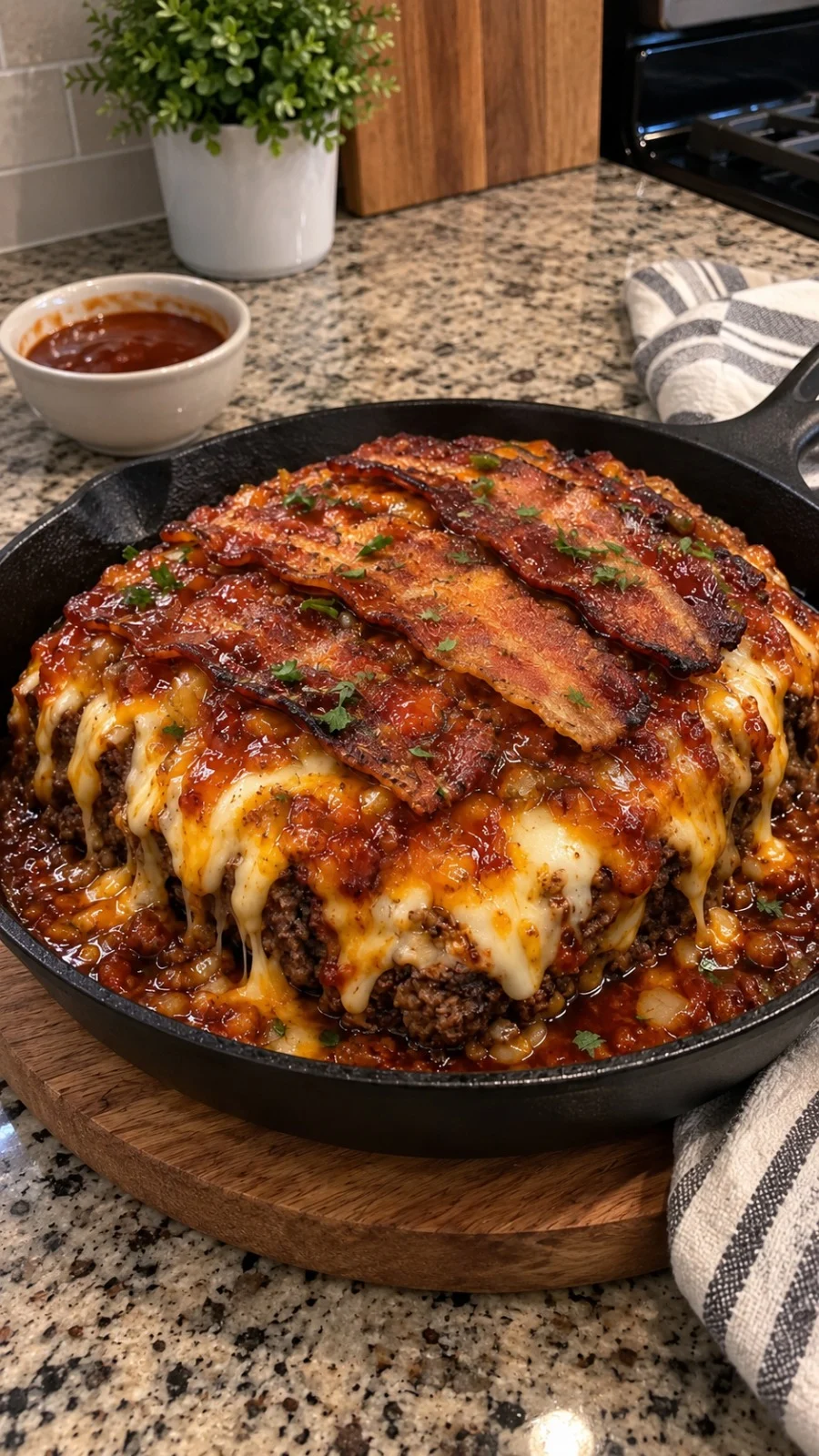
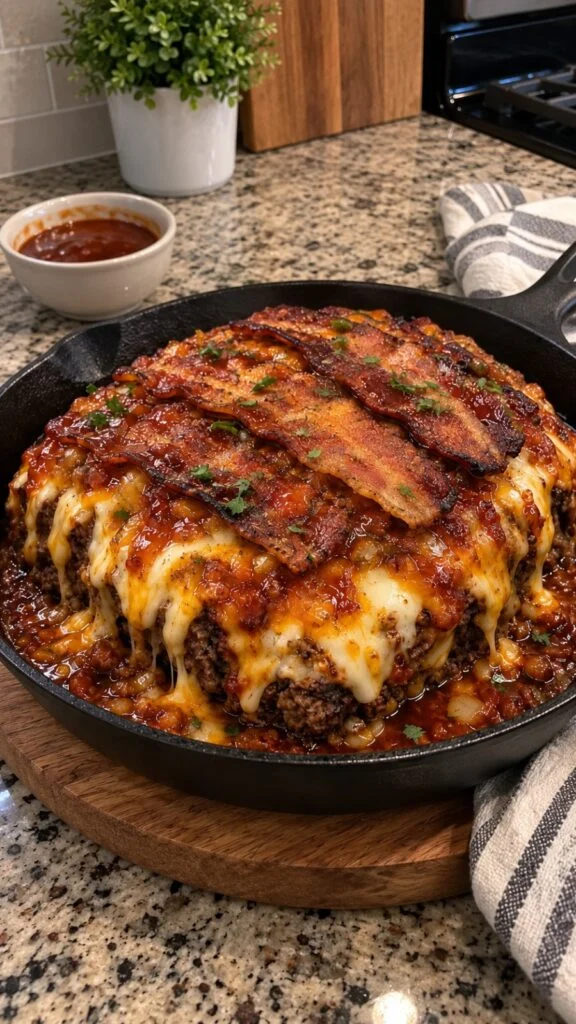
This Bacon Cheeseburger Skillet brings the classic flavors of a diner favorite into one sizzling pan, featuring savory ground beef, crispy bacon, and melted cheese served over creamy mashed potatoes.
Ingredients
- 1 pound ground beef (80/20 blend): The higher fat content ensures the meat stays juicy and flavorful as it browns; leaner blends can result in a dry texture.
- 6 slices thick-cut bacon: Cut into 1-inch pieces before cooking to maximize crispiness and distribute the smoky flavor throughout the dish.
- 1 medium yellow onion, diced: Provides a sweet, aromatic base that balances the richness of the beef and bacon.
- 3 cloves garlic, minced: Adds a necessary depth of flavor that complements the savory meat without overpowering it.
- 1 cup ketchup: Creates the signature red sauce base; this is the primary liquid component for the skillet sauce.
- 2 tablespoons brown sugar: Balances the acidity of the ketchup and adds a subtle caramelized note to the glaze.
- 1 teaspoon yellow mustard: Enhances the tangy profile of the sauce and cuts through the fat of the beef.
- 1 teaspoon Worcestershire sauce: Adds umami depth and a complex savory backbone often found in burger sauces.
- 1 teaspoon smoked paprika: Reinforces the smoky notes from the bacon and adds a warm, earthy color to the sauce.
- 4 cups prepared mashed potatoes: Use store-bought or homemade; these serve as the hearty bed for the beef mixture. Ensure they are hot and fluffy.
- 2 cups shredded cheddar cheese: A sharp cheddar melts beautifully and provides the classic “cheeseburger” taste; American cheese can be used for extra creaminess.
- Salt and black pepper: To taste, though the bacon and ketchup will provide significant saltiness already.
- Optional garnish: Chopped fresh parsley or green onions: Adds a pop of color and freshness to contrast the rich, heavy flavors.
How To Make Bacon Cheeseburger Skillet
- Crisp the bacon and render the fat
Begin by placing a large, deep skillet or cast-iron pan over medium heat. Add the chopped bacon pieces to the cold pan to allow the fat to render slowly as the temperature rises. Cook the bacon for about 5 to 7 minutes, stirring occasionally, until the strips are golden brown and crispy. Once cooked, use a slotted spoon to transfer the bacon bits to a plate lined with paper towels, leaving the rendered bacon grease in the pan. This step is crucial because the bacon fat will be used to sauté the vegetables and beef, infusing the entire dish with a smoky flavor that oil alone cannot provide. If you prefer less grease, you may drain half of the bacon fat, but keeping some ensures maximum flavor. - Brown the ground beef and aromatics
Increase the heat under the skillet to medium-high. Add the diced yellow onion to the hot bacon fat and cook for 2 to 3 minutes until the edges begin to soften and turn translucent. Stir in the minced garlic and cook for just 30 seconds until fragrant, being careful not to burn it, which would introduce a bitter taste. Add the ground beef to the pan, breaking it apart with a wooden spoon into small, bite-sized crumbles rather than large chunks. Season lightly with black pepper at this stage, holding off on salt until later since the bacon and ketchup are salty. Cook the beef for 6 to 8 minutes, continuing to break it up, until no pink remains and the meat has developed a deep brown crust. Proper browning, known as the Maillard reaction, creates complex savory flavors essential for a good burger taste. - Simmer the signature sauce
Once the beef is fully browned, reduce the heat to medium-low. Pour in the ketchup, brown sugar, yellow mustard, Worcestershire sauce, and smoked paprika. Stir thoroughly to combine the spices and liquids with the meat and onions, scraping the bottom of the pan to release any browned bits stuck there; these bits add significant flavor to the sauce. Allow the mixture to simmer gently for 5 to 7 minutes. You want the sauce to thicken slightly and coat the meat, but it should still have a loose, saucy consistency rather than becoming a stiff paste. Taste the mixture now; if it feels too sweet, add a splash more mustard or vinegar. If it needs more salt, add a pinch, though proceed with caution given the cured meats. - Assemble the skillet layers
While the sauce simmers, ensure your mashed potatoes are hot and ready. If using a single large serving skillet, spread the mashed potatoes evenly across the bottom of the pan, creating a smooth, flat layer. Carefully spoon the beef and bacon mixture over the top of the potatoes, spreading it out so every bite will contain both elements. Alternatively, you can serve the beef mixture directly over individual bowls of mashed potatoes. Sprinkle the shredded cheddar cheese generously over the beef layer, covering it completely to ensure an even melt. The cheese acts as a binding agent, holding the beef and sauce together while adding a creamy texture. - Melt and finish the dish
Cover the skillet with a lid or a sheet of aluminum foil and let it sit on the lowest burner setting for 3 to 5 minutes. This steaming process allows the cheese to melt perfectly without burning the beef underneath. Check the cheese after 3 minutes; if it is not fully melted and bubbly, cover again for another minute. Once the cheese is gooey and the edges of the beef mixture are bubbling, remove the skillet from the heat. Let the dish rest for 2 minutes before serving; this brief pause allows the sauce to settle slightly so it doesn’t slide off the potatoes immediately when scooped. Garnish with chopped fresh parsley or green onions if desired, then serve immediately while hot.
Why This Recipe Works
This recipe succeeds by deconstructing the classic cheeseburger and reassembling it in a format that maximizes comfort and ease. By cooking the bacon first and utilizing its rendered fat to brown the beef, we build a foundational layer of smokiness that permeates every ingredient. The combination of ketchup, brown sugar, and mustard creates a sauce that mimics the condiments of a burger without making the dish soggy, allowing the flavors to meld during the simmering process. Using mashed potatoes as the base transforms a standard skillet meal into a complete, filling dinner that requires minimal side dishes. The method ensures that the cheese melts evenly over the hot beef, creating a cohesive texture that is difficult to achieve when toppings are added separately.

Doneness And Troubleshooting
The most critical visual cue for the beef is the absence of pink and the presence of a dark brown crust. If the meat looks gray and pale, it likely wasn’t cooked long enough to develop flavor, or the heat was too low. Conversely, if the beef is burnt or the sauce is darkening too quickly, the heat is too high; simply lower the flame and add a tablespoon of water to deglaze the pan if needed. For the cheese, look for a glossy sheen and bubbles around the edges indicating it is fully melted. If the cheese remains solid after 5 minutes, the heat may be too low, or the lid was not trapping enough steam. Regarding the sauce consistency, if it becomes too thick and sticky, stir in a splash of beef broth or water to loosen it. If it is too thin, continue simmering uncovered for another few minutes to evaporate excess moisture. Always ensure the internal temperature of the ground beef reaches 160°F (71°C) for food safety.
Substitutions And Variations
For those looking to adjust the dish, you can substitute the ground beef with ground turkey or chicken, though you will need to add a tablespoon of olive oil to the pan since these meats lack the fat of beef. In this case, increase the seasoning slightly to compensate for the milder flavor. To make the dish dairy-free, omit the cheddar cheese and instead sprinkle nutritional yeast or use a plant-based melting cheese alternative. For a lighter version, swap the mashed potatoes for roasted cauliflower florets or a bed of steamed broccoli, which will absorb the sauce well. If you prefer a spicier kick, add a pinch of cayenne pepper or diced jalapeños along with the onions. You can also incorporate pickles into the beef mixture during the simmering stage for a tangier, more authentic burger experience.
Serving Suggestions
This skillet is best served immediately while the cheese is still molten and the potatoes are hot. It pairs exceptionally well with a simple side salad dressed in a light vinaigrette to cut through the richness of the meal. Pickled dill spears or bread and butter pickles are excellent accompaniments that echo the classic burger theme. For a complete meal, serve with corn on the cob or a side of coleslaw. Leftover bacon bits can be saved to sprinkle on top of the dish right before serving for extra crunch, as the cheese can sometimes soften them during the melting phase.
Storage And Reheating
Store any leftovers in an airtight container in the refrigerator for up to 3 days. Because the dish contains dairy and cooked meat, do not leave it at room temperature for more than two hours. When reheating, place the portion in a microwave-safe bowl and cover loosely to prevent splattering. Heat in 30-second intervals, stirring in between, until the cheese is melted and the center is hot. Alternatively, reheat in a skillet over low heat with a splash of water or broth to restore the sauce’s consistency and prevent the potatoes from drying out. Freezing is possible but not recommended due to the texture changes in the mashed potatoes and cheese upon thawing; however, if you must freeze, do so within 24 hours of cooking and thaw overnight in the refrigerator before reheating.
With its rich, savory profile and minimal cleanup, this dish is a reliable choice for busy weeknights or casual family dinners. For more easy-to-follow meals and kitchen inspiration, Follow Hailee Recipes on Pinterest.
Bacon Cheeseburger Skillet
Ingredients
Method
- Crisp the bacon in a large skillet over medium heat, then remove and set aside, leaving the fat in the pan.
- Sauté diced onions and minced garlic in the bacon fat, then add ground beef and cook until browned and no pink remains.
- Stir in ketchup, brown sugar, mustard, Worcestershire sauce, and smoked paprika; simmer for 5-7 minutes until the sauce thickens slightly.
- Spread mashed potatoes in the bottom of the skillet, top with the beef mixture, and cover generously with shredded cheddar cheese.
- Cover the skillet and let sit on low heat for 3-5 minutes until the cheese is fully melted, then rest for 2 minutes before serving.