Lemon Butter Tilapia
Lemon Butter Tilapia
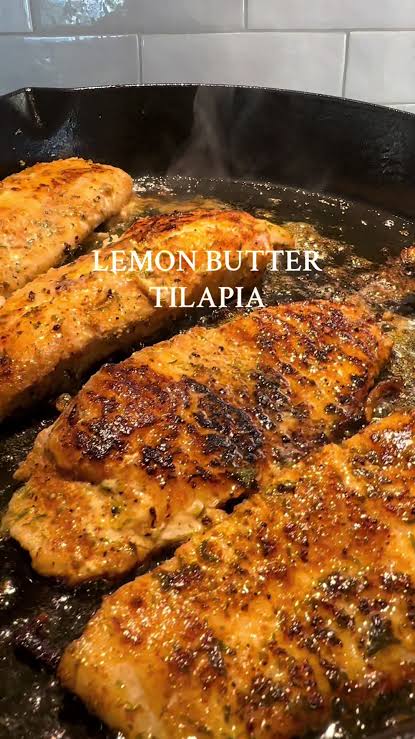
Lemon Butter Tilapia: A Quick, Elegant Dinner That Actually Works on Weeknights
I’m going to be honest with you—I wasn’t always a tilapia person. For years, I thought it was boring, flavorless, and kind of a cop-out fish choice. Then one Tuesday night, I was standing in front of my open fridge at 5:47 p.m., absolutely starving, with nothing but a sad tilapia fillet, half a lemon, and some butter. My family was expecting dinner in twenty minutes. No pressure, right?
I threw together what would become my go-to Lemon Butter Tilapia, and something magical happened. The fish came out tender and flaky, the sauce was bright and rich at the same time, and my kids actually asked for seconds. My partner said it tasted like something from a restaurant. And the best part? The whole thing took less than fifteen minutes from pan to plate.
That’s when I realized tilapia isn’t boring—it’s just waiting for the right treatment. This recipe is proof that you don’t need fancy ingredients or hours of prep time to feel like you’re eating something special. Lemon Butter Tilapia has become my secret weapon for those nights when I want to impress without the stress. It’s elegant enough for guests, simple enough for a Tuesday, and genuinely delicious every single time.
If you’re looking for a weeknight dinner that feels restaurant-quality but won’t keep you in the kitchen all evening, this is it. Whether you’re new to cooking fish or you’ve been doing it for years, this recipe works. I promise. Follow me on HaileeRecipes on Pinterest for more recipes like this one that prove simple ingredients can create something really special.
Why You’ll Love This Recipe
Let me break down what makes this recipe so worth your time:
- It’s genuinely quick. We’re talking fifteen minutes, start to finish. Even if you’re a slower cook, you’re looking at maybe twenty. This is perfect for those nights when you forgot to plan dinner.
- The fish stays moist. I know fish can be intimidating because it’s easy to overcook, but this method makes it almost impossible to dry out. The butter and lemon create a little steam bath that keeps everything tender.
- The flavor is bright and sophisticated. You’re not eating plain fish. The sauce is buttery and lemony and just fancy enough to make you feel proud of what you made.
- It’s affordable. Tilapia is one of the most budget-friendly fish options, so this dinner won’t break the bank. You get restaurant-quality results without the restaurant price tag.
- It works for so many situations. Weeknight dinner? Yes. Meal prep? Absolutely. Impressing someone you’re trying to cook for? Definitely. Feeding picky eaters? Often, yes—the mild flavor of tilapia is actually a strength here.
- Minimal cleanup. One pan, maybe two if you count the plate you serve it on. That’s my kind of cooking.
Ingredients for Lemon Butter Tilapia
- 4 tilapia fillets (about 6 ounces each, or however many you’re serving)
- 4 tablespoons unsalted butter, divided
- 2 lemons (fresh, not that bottled stuff if you can help it)
- 4 cloves garlic, minced
- 1 teaspoon salt (or to taste)
- 1/2 teaspoon black pepper
- 1/2 teaspoon paprika (optional, but I like it)
- 2 tablespoons fresh parsley, chopped (or 1 teaspoon dried—fresh is better though)
- 1 tablespoon olive oil
Hailee’s Tip: Get your tilapia from a good fishmonger or the fish counter at your grocery store. Ask them to make sure it’s fresh and pat it dry before you leave. Dry fish is happy fish—it’ll sear better and taste better. If you’re buying frozen, that’s totally fine too. Just thaw it in the fridge the night before, not on the counter.
Hailee’s Tip: Fresh lemon juice makes a real difference here. I know squeezing lemons by hand takes an extra thirty seconds, but it’s worth it. Bottled lemon juice has a weird metallic taste that doesn’t do this dish justice. If you only have bottled, use it—it’s still delicious—but fresh is the move.
Hailee’s Tip: Don’t skip the garlic. I know four cloves sounds like a lot, but it mellows out as it cooks and adds so much depth to the butter sauce. This is where the “restaurant quality” part comes from.
Optional Add-Ins and Variations
This recipe is flexible, and I love that about it. Here are some things I’ve added over the years:
- Red pepper flakes: If you like a little heat, sprinkle some in. Just a pinch—you don’t want to overpower the delicate fish.
- Capers: These add a briny, salty punch. Scatter them over the fish before serving.
- Fresh dill or thyme: Either of these herbs works beautifully with lemon and fish. Use fresh if you have it.
- White wine: Add a splash to the pan before the fish. It makes the sauce even more elegant and restaurant-like.
- Sun-dried tomatoes: Chop them up and add them to the butter mixture. Sounds weird, tastes amazing.
- Spinach or asparagus: Cook these alongside the fish in the same pan. Everything gets infused with that lemon butter flavor.
Step-by-Step Method
Step 1: Prep your fish and seasonings. Take your tilapia fillets out of the fridge about five minutes before you start cooking. Pat them completely dry with paper towels—this is important. Season both sides generously with salt, pepper, and paprika if you’re using it. Set them aside on a clean plate.
What I messed up: I used to season the fish, then let it sit for too long while I got everything else ready. The salt would start breaking down the fish and make it mushy. Now I season right before the fish hits the pan.
Step 2: Get your pan hot. Use a large skillet—cast iron is beautiful here, but any large skillet works. Heat it over medium-high heat for about two minutes. You want it hot enough that a tiny drop of water sizzles immediately, but not smoking.
Step 3: Sear the fish. Add one tablespoon of olive oil and one tablespoon of butter to the hot pan. Let the butter foam up—that’s when you know it’s ready. Carefully place your tilapia fillets in the pan. Don’t move them. I know it’s tempting, but let them sit for three to four minutes until the bottom is golden and crispy. Flip them gently and cook for another two to three minutes on the other side. The fish should be opaque and flake easily with a fork when it’s done. Transfer the fish to a serving plate.
What I messed up: I used to flip the fish too early and too often. I thought I was helping it cook evenly, but really I was just making it fall apart. Let it be. It knows what it’s doing.
Step 4: Make the sauce. In the same pan (don’t clean it—all those little browned bits are flavor), add the remaining three tablespoons of butter and your minced garlic. Let it cook for about one minute until it smells absolutely incredible. You want the garlic fragrant but not brown.
Step 5: Add the lemon. Juice both lemons directly into the pan. If you have lemon slices you want to add for garnish, set those aside first. Stir everything together and let it bubble for about thirty seconds. Taste it. This is your moment to adjust. Need more salt? Add it now. Too lemony? A tiny pinch of sugar helps balance it. Too buttery? You’re fine—embrace it.
Step 6: Plate and serve. Pour that gorgeous lemon butter sauce over the fish. Sprinkle with fresh parsley and maybe a thin lemon slice if you’re feeling fancy. Serve immediately while everything is warm.
Common Mistakes to Avoid
Overcooking the fish: This is the number one mistake. Tilapia is thin and delicate. It cooks fast. The moment it turns opaque all the way through, you’re done. If it starts flaking apart in the pan, you’ve gone too far. Remember, it’ll keep cooking a tiny bit after you take it off the heat.
Not patting the fish dry: Wet fish won’t sear properly. It’ll steam instead. You want that golden, crispy exterior. Dry fish gets you there.
Skipping the sear: I know it’s tempting to just poach the fish gently in butter from the start, but that golden crust is where so much of the flavor lives. Don’t skip it.
Using cold fish straight from the fridge: Let it sit out for five minutes so it cooks evenly. Cold fish will cook unevenly—overdone on the outside, underdone in the middle.
Not seasoning properly: Don’t be shy with the salt and pepper. Fish needs it. Season generously before it hits the pan.
My Tested Substitutions
Different fish: This recipe works beautifully with cod, halibut, flounder, or any mild white fish. Cooking times might vary slightly depending on thickness, but the method is the same. Thicker fillets might need an extra minute or two per side.
Butter alternative: If you need to avoid dairy, ghee works great. Coconut oil is okay, but it changes the flavor profile—it’ll be good, just different. Olive oil alone works too, but you lose that richness.
Lemon alternative: Lime works beautifully if you want something slightly different. White wine or white vinegar can substitute if you’re out of citrus, though the flavor will be less bright. I’ve even used a combination of lemon and lime.
Fresh parsley alternative: Cilantro, dill, chives, or basil all work. Use whatever fresh herb you have on hand. The parsley is really just for color and a fresh finishing touch.
How to Customize This Recipe
Make it Mediterranean: Add olives, sun-dried tomatoes, and fresh oregano to the sauce. Serve over pasta or with crusty bread.
Make it Asian-inspired: Replace the lemon with lime, add a splash of soy sauce and a tiny bit of ginger to the butter. Serve over rice with sesame seeds.
Make it heartier: Cook the fish on a bed of roasted vegetables. Asparagus, green beans, or zucchini all work. Everything gets that lemon butter coating.
Make it lighter: Use less butter and more lemon juice. Add white wine to the pan. The fish will still be delicious and you’ll feel a little less heavy afterward.
Serving Ideas
This is where you get to have fun. Here’s what I usually do:
- With rice: Jasmine rice or white rice soaks up that sauce beautifully. Brown rice works too if you want something heartier.
- With roasted vegetables: Asparagus, broccoli, green beans, or Brussels sprouts. Roast them while the fish cooks, and everything comes together at the same time.
- With a simple salad: Something light and fresh to balance the richness of the butter. A lemon vinaigrette on the salad echoes the fish flavors.
- With pasta: Toss the fish and sauce with angel hair or fettuccine. It’s suddenly a fancy pasta dinner.
- With crusty bread: For soaking up every last drop of that sauce. This is my move on nights when I don’t feel like cooking a side.
- Over cauliflower rice: If you’re keeping it lower-carb, this works perfectly.
- With roasted potatoes: Fingerling potatoes tossed in olive oil and herbs, roasted until crispy. Comfort food meets elegant dinner.
Meal Prep and Storage
Can you make this ahead? The fish itself is best fresh, but you can prep everything else. Mince your garlic, juice your lemons, chop your parsley, and measure out your butter the night before. Keep it all in separate containers in the fridge. When you’re ready to cook, everything comes together in fifteen minutes.
Leftovers: Cooked tilapia keeps in an airtight container in the fridge for up to three days. It’s delicious cold the next day over a salad, or you can gently reheat it. I usually reheat it in a low oven (around 300 degrees) for about five minutes so it doesn’t dry out further.
Freezing: Raw tilapia freezes well for up to three months. Thaw it in the fridge overnight before cooking. Cooked tilapia can be frozen too, but the texture gets a bit softer when thawed. It’s still tasty, just not quite as pristine.
Make-ahead sauce: You can make the lemon butter sauce ahead and reheat it gently. Store it in the fridge for up to three days. When you’re ready to serve, just warm it up and pour it over fresh-cooked fish.
Nutritional Breakdown
Per serving (one tilapia fillet with sauce):
- Calories: approximately 280
- Protein: 35g
- Carbohydrates: 2g
- Fat: 14g
- Fiber: 0g
This is a high-protein, low-carb meal that actually fills you up. The fat comes mostly from the butter and is balanced by the lean protein of the fish. It’s a nutritious dinner that tastes indulgent.
Final Thoughts
I genuinely believe that Lemon Butter Tilapia changed the way I think about weeknight cooking. It proved to me that you don’t need complicated techniques, expensive ingredients, or hours of time to make something that tastes special. You just need good ingredients treated simply and with a little care.
The first time you make this, you might be nervous about cooking fish. That’s totally normal. But I promise you, this recipe is forgiving. The fish is thin enough to cook quickly but sturdy enough not to fall apart. The sauce is hard to mess up. And even if something isn’t perfect, it’s going to taste good.
Make this for yourself on a Tuesday night when you need something easy. Make it for your family when you want them to know you care. Make it for guests when you want to impress without stressing. Make it again and again until you can do it with your eyes closed. It’s that kind of recipe.
I’d love to know how it turns out for you. If you make it, I hope it becomes one of your go-to dinners too. There’s something really satisfying about having a recipe you can rely on, especially one that tastes this good and takes this little time. That’s what cooking should feel like—achievable, delicious, and real.
—
Recipe Card
Lemon Butter Tilapia
Ingredients
Method
- Pat tilapia fillets dry with paper towels. Season both sides with