Perfectly Cooked Prime Rib Roast
Perfectly Cooked Prime Rib Roast
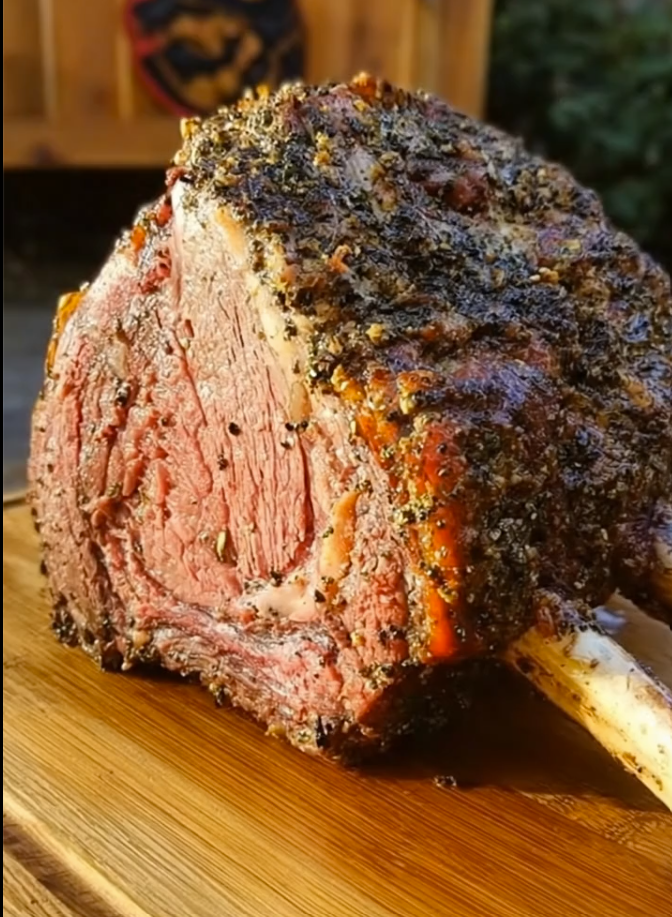
Perfectly Cooked Prime Rib Roast: A Foolproof Guide to Restaurant-Quality Dinner at Home
I still remember the Christmas Eve my mom decided to stop ordering prime rib from that fancy steakhouse downtown and cook one at home instead. I was skeptical—I mean, we’re talking about one of those cuts that feels like it requires a culinary degree and a sous vide machine, right? But watching her pull this beautiful, crusty, perfectly pink roast out of the oven changed everything for me. The kitchen smelled like garlic and rosemary and possibility. My dad carved into it with this goofy smile on his face, and honestly, it tasted better than anything we’d ever paid $60 a plate for.
That’s when I realized: a perfectly cooked prime rib roast isn’t some untouchable restaurant secret. It’s actually one of the most forgiving, impressive things you can make at home. And I’m not just saying that because I’m trying to make you feel brave—I mean it genuinely. The beauty of prime rib is that the meat does most of the heavy lifting for you. Your job is mostly to not overthink it and follow a few solid rules.
This recipe is for anyone who wants to feel like a total rockstar in the kitchen without spending all day stress-cooking. Whether you’re hosting your first holiday dinner, celebrating an anniversary, or just craving that steakhouse magic on a random Tuesday, a perfectly cooked prime rib roast is absolutely doable. I’m going to walk you through exactly how I do it—no fancy equipment required, just a meat thermometer, some patience, and a willingness to let the oven do the work.
If you love trying new recipes and want more cozy, reliable cooking ideas straight to your feed, Follow me on HaileeRecipes on Pinterest. I share everything I test in my kitchen, and I’d love to see you there.
Why You’ll Love This Recipe
Let me be real with you: there are a lot of reasons this recipe works, and I’m not just talking about the final result (though that crusty, juicy, perfectly pink center is definitely reason number one).
- It’s actually simple. You’re not juggling ten ingredients or complicated techniques. This is seasoning, searing, and roasting. That’s it.
- The timing is predictable. Once you understand the low-and-slow method, you can plan your dinner around it without constant checking.
- It feels fancy but tastes even better. There’s something about serving prime rib that makes everyone at the table feel celebrated.
- Leftovers are incredible. Cold prime rib sandwiches, prime rib hash, sliced over salad—you’ll actually be excited about what’s left over.
- You can make it ahead. Season it the night before, and you’re already halfway there on cooking day.
- It scales easily. Whether you’re cooking for four or twelve, the method stays exactly the same.
Ingredients
- One 4 to 5-pound prime rib roast (bone-in, or boneless if that’s what you prefer—both work great)
- 3 tablespoons kosher salt
- 2 tablespoons freshly ground black pepper
- 4 cloves garlic, minced
- 3 tablespoons fresh rosemary, finely chopped (or 1.5 tablespoons dried)
- 2 tablespoons fresh thyme, finely chopped (or 1 tablespoon dried)
- 3 tablespoons olive oil
- 1 tablespoon Dijon mustard
- 2 cups beef broth (for the pan, optional but recommended)
Hailee’s Tip: Please, please buy your prime rib from a butcher if you can. Not because grocery store meat is bad—it’s not—but because a real butcher will cut it exactly how you want it, trim the fat cap properly, and answer your questions without making you feel weird about asking them.
Hailee’s Tip: Don’t skip the kosher salt. Regular table salt is denser and will make your roast too salty. If you only have table salt, use about two-thirds of the amount.
Optional Add-Ins and Variations
The beauty of prime rib is that it’s delicious on its own, but here’s what I sometimes add depending on my mood:
- Smoked paprika: Add 1 teaspoon for a subtle smoky note. It’s especially nice if you’re serving this for a casual dinner party.
- Horseradish: Mix 1 tablespoon freshly grated horseradish into your herb paste for a little kick. Fair warning: it’s not subtle, but it’s amazing.
- Garlic powder and onion powder: I usually stick with fresh garlic, but if you’re in a pinch, 1 teaspoon of each works in a heartbeat.
- Soy sauce: Brush the roast with 1 tablespoon soy sauce mixed into your oil before roasting. It deepens the crust beautifully.
- Red wine: Substitute half the beef broth with red wine for a more complex pan sauce.
Step-by-Step Method
Prep Work (the night before, or at least 2 hours before cooking)
Step 1: Bring your roast to room temperature. This is non-negotiable. Take your prime rib out of the fridge and let it sit on the counter for at least two hours before you start cooking. I know this feels weird—like you’re breaking food safety rules—but I promise you’re not. Cold meat won’t sear properly, and you’ll end up with an uneven cook. Room temperature meat is your friend.
Step 2: Pat it completely dry. Use paper towels and get aggressive here. A wet roast won’t develop that gorgeous crust. Dryness equals crustiness, and crustiness equals deliciousness.
Step 3: Make your herb paste. In a small bowl, combine your minced garlic, rosemary, thyme, Dijon mustard, and olive oil. Stir it together until it looks like a thick, fragrant paste. This is going to be the flavor backbone of your entire roast.
Hailee’s Tip: If you’re prepping this the night before, you can make this paste and rub it all over the roast, then wrap it in plastic wrap and stick it in the fridge. The flavors will deepen overnight, and you’ll thank me in the morning.
The Actual Cooking Part
Step 4: Season generously. Sprinkle your kosher salt and freshly ground black pepper all over the roast, getting into the crevices and making sure every side is covered. Now rub that herb paste all over the meat, working it into every nook. Don’t be shy. This is where the flavor lives.
Step 5: Sear it in a hot cast-iron skillet. Heat your oven to 450 degrees Fahrenheit. Get a cast-iron skillet or heavy-bottomed roasting pan absolutely smoking hot on the stovetop (about 3-4 minutes on high heat). Carefully place your roast in the pan—it’s going to sizzle dramatically, and that’s exactly what you want. Sear for about 2-3 minutes on each side until you’ve got a deep brown crust all over. This step is what separates a good prime rib from a restaurant-quality one.
What I Messed Up: The first time I made this, I skipped the searing step because I was nervous about the noise and the smoke. The roast turned out fine, but it was missing that gorgeous, caramelized exterior. Never again. Searing is non-negotiable.
Step 6: Add broth to the pan and roast. Pour your beef broth around the roast (not over it—you want that crust to stay crispy). Transfer the whole pan to your preheated 450-degree oven. Roast for 15 minutes at this high temperature to get the outside really going.
Step 7: Lower the heat and slow-roast. After those initial 15 minutes, lower your oven temperature to 325 degrees Fahrenheit. Continue roasting until your meat thermometer reads 120-125 degrees Fahrenheit for medium-rare (which is what I always aim for). This usually takes about 15-20 minutes per pound after the initial sear, but every oven is different, so don’t rely on time alone.
Hailee’s Tip: Insert your meat thermometer into the thickest part of the roast, making sure it’s not touching bone. Check it starting around the 45-minute mark, then every 10 minutes after that. This prevents overcooking, which is honestly the only real way to mess this up.
Step 8: Rest, rest, rest. When your thermometer hits that perfect 120-125 degrees, pull the roast out of the oven and let it rest on a cutting board for at least 15 minutes. I usually go for 20. This is when the juices redistribute throughout the meat. If you skip this step and cut right away, all those beautiful juices run out onto the cutting board instead of staying in your meat. Patience here pays off.
What I Messed Up: I once got so excited about a perfectly cooked roast that I started carving it after five minutes of resting. The first few slices were okay, but by the time I got halfway through, the meat was noticeably drier. The last few slices were actually kind of sad. Learn from my impatience. Those extra minutes of resting are everything.
Common Mistakes to Avoid
- Cooking it straight from the fridge: Cold meat cooks unevenly. Room temperature is essential.
- Skipping the sear: You lose that restaurant-quality crust that makes people go “wow” when you slice into it.
- Not using a meat thermometer: Guessing by time is how you end up with either rare or overdone meat. Invest in a good one—it’s like $15 and changes everything.
- Cutting too early: I know the temptation is real, but those 15-20 minutes of resting are non-negotiable.
- Overcooking it: Prime rib is a premium cut, and it deserves to be served medium-rare. If you like it more done, that’s totally okay, but honestly, you’re masking the quality of the meat.
- Using wet meat: Pat it dry before seasoning. Moisture prevents browning.
My Tested Substitutions
If you don’t have fresh herbs: Use dried herbs at half the amount. They’re more concentrated, so 1.5 tablespoons dried rosemary and 1 tablespoon dried thyme will give you the same flavor impact as the fresh versions.
If you don’t have a cast-iron skillet: Any oven-safe skillet or roasting pan will work. It doesn’t have to be cast iron, though cast iron does hold heat beautifully and create a better sear.
If you don’t have beef broth: You can skip it entirely—the roast will still cook beautifully. Or use chicken broth, vegetable broth, or even red wine. The broth is mainly there to keep the bottom from drying out and to create a pan sauce.
If you can’t find kosher salt: Use regular sea salt at about two-thirds the amount, or just use table salt carefully (it’s saltier than kosher salt).
How to Customize
This recipe is flexible, and I love that about it. Here’s how to make it your own:
For a French bistro vibe: Skip the thyme and rosemary. Instead, make a paste with Dijon mustard, garlic, and panko breadcrumbs. Coat the roast with this mixture before roasting. Serve with red wine pan sauce.
For a Mediterranean twist: Add 1 tablespoon of dried oregano and the zest of one lemon to your herb paste. Serve with chimichurri sauce on the side.
For a smokier version: Add smoked paprika to your herb paste, and consider finishing the roast under the broiler for 2-3 minutes at the end to deepen the crust.
For a spicier kick: Mix a pinch of cayenne pepper and some fresh jalapeño into your herb paste. Serve with horseradish cream on the side.
Serving Ideas
- Classic steakhouse style: Slice thick and serve with creamed spinach, mashed potatoes, and a simple pan sauce made from the roasting liquid.
- With roasted vegetables: Toss root vegetables (carrots, parsnips, potatoes) in olive oil and salt, and roast them alongside the prime rib for the last 45 minutes of cooking.
- With Yorkshire puddings: If you’re feeling fancy, make Yorkshire puddings to go alongside. They’re easier than you think.
- With compound butter: Make a simple herb butter (softened butter mixed with fresh herbs and garlic) and top each slice as it comes off the cutting board.
- With a red wine reduction: Use the pan drippings to make a silky red wine sauce. Deglaze the pan with wine, let it reduce, and finish with a pat of butter.
- Cold, on sandwiches: Slice leftovers thin and pile them on crusty bread with horseradish cream and arugula. Trust me on this one.
Meal Prep and Storage
Make-ahead: You can season your roast up to 24 hours in advance. Rub it with the herb paste, wrap it in plastic wrap, and refrigerate. Take it out 2-3 hours before cooking to bring it to room temperature.
Leftover storage: Wrap cooled prime rib tightly in plastic wrap or store it in an airtight container. It’ll keep in the fridge for up to four days. Slice it cold for sandwiches, or reheat it gently in a low oven (275 degrees Fahrenheit) for about 10 minutes.
Freezing: Yes, you can freeze leftover prime rib. Wrap it tightly in plastic wrap and then in foil, and it’ll keep for up to three months. Thaw it in the fridge overnight before reheating.
Pan sauce storage: If you make a pan sauce from the drippings, store it separately in an airtight container for up to three days.
Nutritional Breakdown
Keep in mind that nutritional content varies based on the exact size of your roast and how it’s trimmed. This breakdown is for a 4-pound roast serving six people, with one 6-ounce slice per serving:
- Calories: 520
- Protein: 48g
- Fat: 37g
- Carbohydrates: 1g
- Fiber: 0g
- Sodium: 850mg
Prime rib is a rich, protein-packed cut, so portions tend to be smaller and more satisfying than leaner cuts of beef.
Final Thoughts
Here’s the thing about a perfectly cooked prime rib roast: it’s one of those dishes that feels like you’ve accomplished something real. You’re not just cooking dinner—you’re creating a moment. The smell alone is worth it, and then when you slice into that gorgeous pink center with the caramelized crust, and everyone at the table makes that little sound of appreciation? That’s the good stuff right there.
I genuinely believe that anyone can make this. You don’t need fancy equipment or culinary school. You need a good cut of meat, a meat thermometer, and the willingness to follow a few simple steps. Everything else is just showing up and letting the oven do the work.
So go ahead. Buy that prime rib. Invite people over. Let yourself feel like a total rockstar in the kitchen, because honestly, you’ll have earned it. And if you make this recipe, I’d absolutely love to hear how it goes. Come find me on Pinterest and tell me about your dinner.
—
Recipe Card
**Perfectly Cooked Prime Rib Roast**
**Ingredients**
* One 4 to 5-pound prime rib roast (bone-in or boneless)
* 3 tablespoons kosher salt
* 2 tablespoons freshly ground black pepper
* 4 cloves garlic, minced
* 3 tablespoons fresh rosemary, finely chopped (