Steak and Pasta
Steak and Pasta
Steak and Pasta
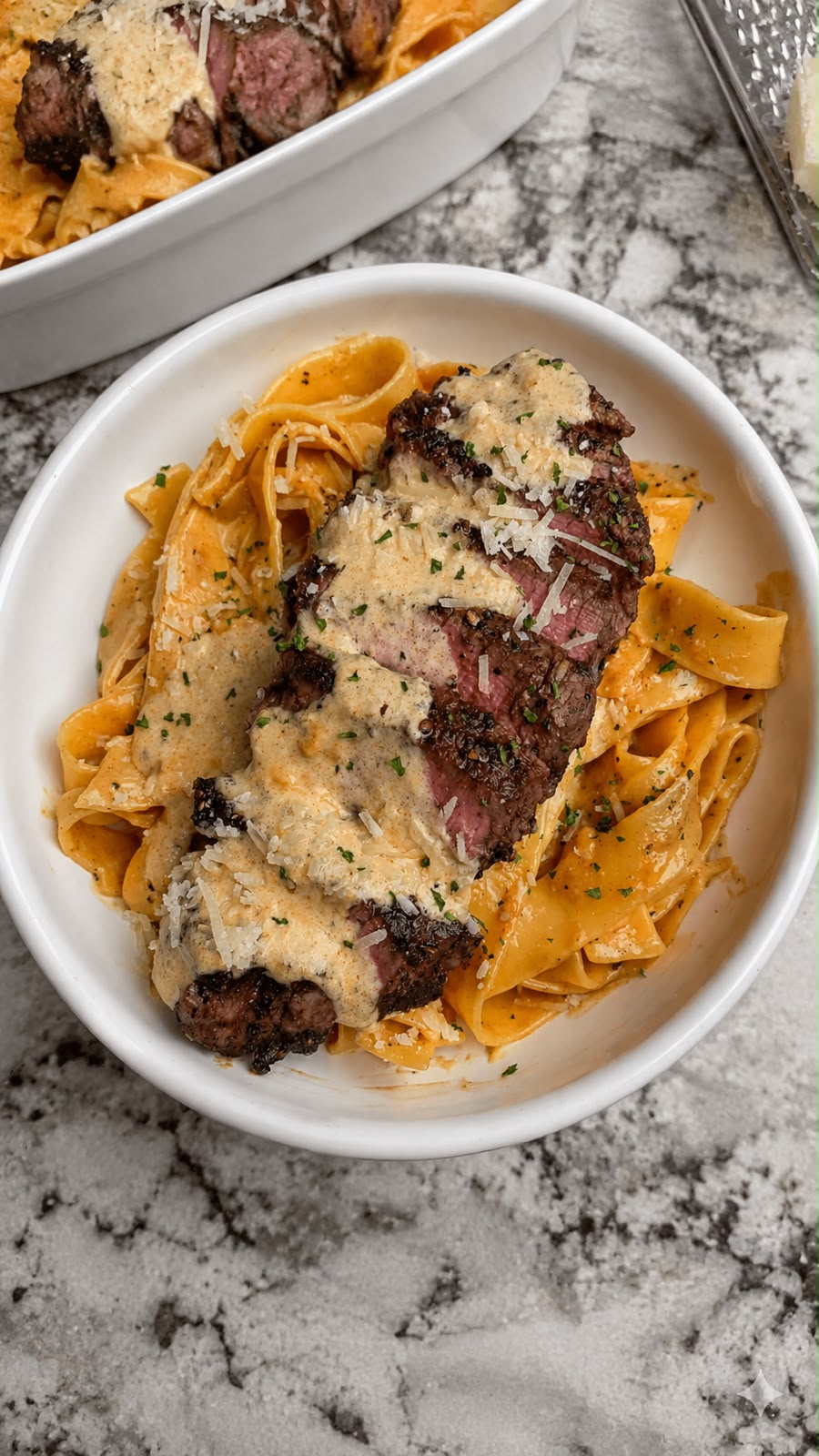
This Steak and Pasta dish brings together the rich, savory depth of seared beef with the comforting embrace of tender noodles in a creamy, garlicky sauce. It is a meal designed for busy weeknights when you want something substantial that feels like a restaurant-quality dinner without the wait. The steak provides a satisfying chew and meaty flavor, while the pasta acts as a perfect vehicle to hold onto every bit of the sauce. The texture contrast between the crisp edges of the beef and the soft, silky coating on the noodles creates a balanced bite that is deeply satisfying. This recipe is particularly useful when you need to feed a family quickly or want a hearty meal that reheats well for leftovers.
We have crafted this guide to ensure you can replicate the dish with confidence in your own kitchen. By focusing on technique rather than complex ingredients, we make sure the flavors shine through. For more inspiration and visual guides on how to plate similar dishes, Follow Hailee Recipes on Pinterest.
Why This Recipe Works
The success of this dish relies on three fundamental culinary principles: proper searing, emulsification, and timing. First, searing the steak at high heat creates a Maillard reaction, which develops a deep brown crust and concentrates the meat’s natural umami flavors. This crust adds a textural element that prevents the dish from feeling one-dimensional. Second, the sauce is built by deglazing the pan used to cook the steak. This step lifts the flavorful browned bits (fond) stuck to the bottom of the pan, incorporating them into the cream base. This ensures that no flavor is wasted and ties the meat directly to the pasta.
Third, cooking the pasta slightly under al dente allows it to finish absorbing the sauce in the pan. If the pasta is fully cooked before being added to the sauce, it can become mushy and fail to absorb the liquid properly. By finishing the pasta in the skillet, the starches released from the noodles help thicken the cream sauce, creating a cohesive, glossy coating that clings to both the meat and the noodles. This method eliminates the need for heavy roux-based sauces, keeping the dish lighter while maintaining richness.
Ingredients
To make this dish, you will need standard pantry staples and fresh cuts of meat. The quantities below are calibrated to serve four people comfortably, ensuring everyone gets a generous portion of steak and noodles.
- 1 pound (450g) sirloin steak or ribeye steak, cut into 1-inch cubes or thin strips
- 12 ounces (340g) penne, rigatoni, or fettuccine pasta
- 3 tablespoons unsalted butter, divided
- 1 medium yellow onion, finely diced
- 3 cloves garlic, minced
- 1 cup (240ml) heavy cream
- ½ cup (120ml) chicken or vegetable broth
- ½ cup (50g) freshly grated Parmesan cheese
- 1 teaspoon dried Italian seasoning (or a mix of dried oregano and basil)
- Salt and freshly ground black pepper to taste
- 2 tablespoons olive oil
- Optional garnish: Fresh parsley, chopped
How To Make Steak and Pasta
- Prepare the Pasta and Meat
Start by bringing a large pot of salted water to a boil. Add the pasta and cook according to the package directions, but reduce the cooking time by one minute so it remains slightly firm (al dente). While the water heats, pat the steak pieces dry with paper towels. Season the meat generously on all sides with salt and black pepper. Drying the meat is crucial; moisture creates steam, which prevents a good sear. Once the water boils, add the pasta and set a timer. - Sear the Steak
Heat a large, heavy-bottomed skillet or cast-iron pan over medium-high heat. Add the olive oil and let it shimmer. Carefully place the seasoned steak pieces into the pan in a single layer, ensuring you do not overcrowd the pan. If necessary, cook the steak in two batches. Sear the meat for about 2 to 3 minutes per side until a deep brown crust forms. The inside should still be pink if you prefer medium-rare, or cooked through if preferred. Remove the steak from the pan and transfer it to a clean plate. Do not wipe out the pan; the browned bits left behind are essential for the sauce. - Sauté Aromatics
Reduce the heat to medium. In the same skillet, add half of the butter. Once melted, add the diced onion and sauté for 3 to 4 minutes until softened and translucent. Add the minced garlic and the dried Italian seasoning, stirring constantly for about 30 seconds until fragrant. Be careful not to burn the garlic, as it can turn bitter. Pour in the chicken broth to deglaze the pan, using a wooden spoon to scrape up any browned bits from the bottom. Let the broth simmer for 1 minute to reduce slightly. - Create the Sauce
Lower the heat to medium-low and pour in the heavy cream. Stir well to combine with the broth and fond. Bring the mixture to a gentle simmer, then let it cook for 3 to 4 minutes until it thickens slightly. Stir in the grated Parmesan cheese until it melts completely into the sauce. Taste the sauce and adjust the seasoning with additional salt and pepper if needed. The sauce should coat the back of a spoon but remain fluid enough to toss with the pasta. - Combine and Finish
Add the drained pasta directly into the skillet with the sauce. Toss gently to coat every noodle. If the sauce seems too thick, add a splash of the reserved pasta cooking water to loosen it up. Return the seared steak and any accumulated juices from the plate back into the pan. Add the remaining tablespoon of butter and stir until melted and incorporated. Cook everything together for 1 to 2 minutes to allow the pasta to finish cooking and absorb the flavors. Remove from heat immediately once the pasta is tender and the steak is heated through. Garnish with fresh parsley before serving.
Doneness And Troubleshooting
Achieving the right texture for the steak requires attention to the pan temperature. If the steak releases a lot of liquid upon contact with the pan, the heat is likely too low, causing the meat to steam rather than sear. Ensure your pan is hot before adding the oil. For the pasta, the ideal doneness is “al dente,” meaning it offers a slight resistance when bitten. If the pasta becomes too soft during the final tossing stage, it indicates the sauce was too hot or the pasta was cooked too long initially. Always reserve some starchy pasta water before draining; this liquid is the secret to adjusting sauce consistency without diluting flavor.
If the sauce breaks or separates, appearing oily rather than creamy, it usually means the heat was too high after adding the cream. Reduce the heat immediately and whisk vigorously. Adding a splash of cold water or pasta water can sometimes rescue a separated sauce. If the steak is tough, it may have been overcooked during the initial sear. Remember that carryover cooking will continue to cook the meat slightly after it leaves the pan, so remove it while it is still slightly underdone if you prefer a tender result.
Substitutions And Variations
This recipe is adaptable based on dietary needs or ingredient availability. For a lighter version, you can substitute the heavy cream with whole milk mixed with a tablespoon of flour or cornstarch, though the texture will be less rich. If you prefer a dairy-free option, use coconut cream or a plant-based heavy cream alternative, keeping in mind that these may impart a subtle flavor change. Instead of beef, chicken breast or pork tenderloin can be used in place of the steak, following the same searing and slicing techniques.
For those who enjoy vegetables, sautéed mushrooms, spinach, or cherry tomatoes can be added to the skillet along with the onions. Mushrooms should be added before the garlic to ensure they release their moisture and brown properly. Spinach should be stirred in at the very end just until wilted. If you do not have Italian seasoning, a blend of dried oregano, basil, and thyme works well. You can also add a pinch of red pepper flakes for a hint of heat if you enjoy spicy food.
Serving Suggestions
This dish pairs beautifully with a simple green salad dressed in a light vinaigrette to cut through the richness of the cream sauce. A slice of crusty bread or garlic toast is excellent for soaking up any extra sauce on the plate. For a complete meal, consider serving a glass of red wine, such as a Cabernet Sauvignon or Merlot, which complements the beef flavors. If you are serving children, you might omit the black pepper or reduce the amount of garlic to suit their palates. The dish is best served immediately while the pasta is warm and the sauce is glossy.
Storage And Reheating
Leftovers can be stored in an airtight container in the refrigerator for up to three days. The pasta will continue to absorb the sauce as it sits, so the dish may appear thicker upon storage. When reheating, add a small splash of water, broth, or milk to the skillet or microwave to restore the creamy consistency. Reheat gently over medium heat on the stove, stirring frequently to prevent the cream from separating. Avoid microwaving on high power, as this can cause the sauce to break. Freezing is not recommended for this dish, as the cream sauce tends to separate and become grainy when frozen and thawed.
When preparing this meal ahead of time, it is best to cook the pasta and steak separately and store them apart. Combine them only when you are ready to reheat and serve. This ensures the pasta retains its texture and the steak does not become rubbery. Always check the internal temperature of reheated meat to ensure it reaches a safe level before consuming.
Mastering the balance of searing meat and emulsifying a cream sauce is a skill that elevates home cooking significantly. With these steps, you can create a reliable, delicious meal that satisfies hunger and delights the senses.
Steak and Pasta
Ingredients
Method
- Boil salted water and cook pasta for one minute less than package instructions. Pat steak dry and season with salt and pepper.
- Heat olive oil in a large skillet over medium-high heat. Sear steak in batches until browned on all sides, then remove to a plate.
- Reduce heat to medium. Melt half the butter, sauté onion until soft, add garlic and seasoning. Deglaze with broth.
- Lower heat, add heavy cream and simmer until slightly thickened. Stir in Parmesan cheese until melted.
- Add drained pasta and steak to the skillet. Toss to coat, adding pasta water if needed. Stir in remaining butter and serve.