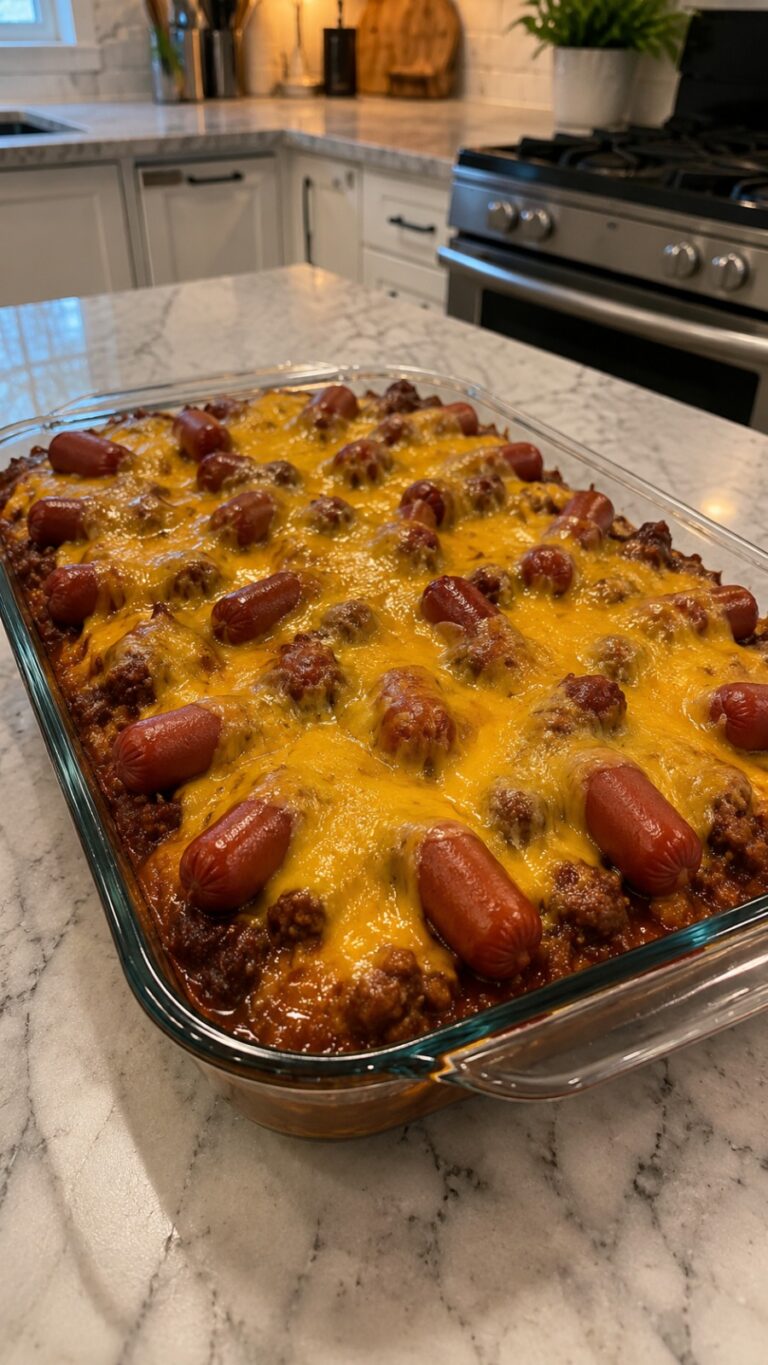
Philly Cheesesteak Casserole
Philly Cheesesteak Casserole
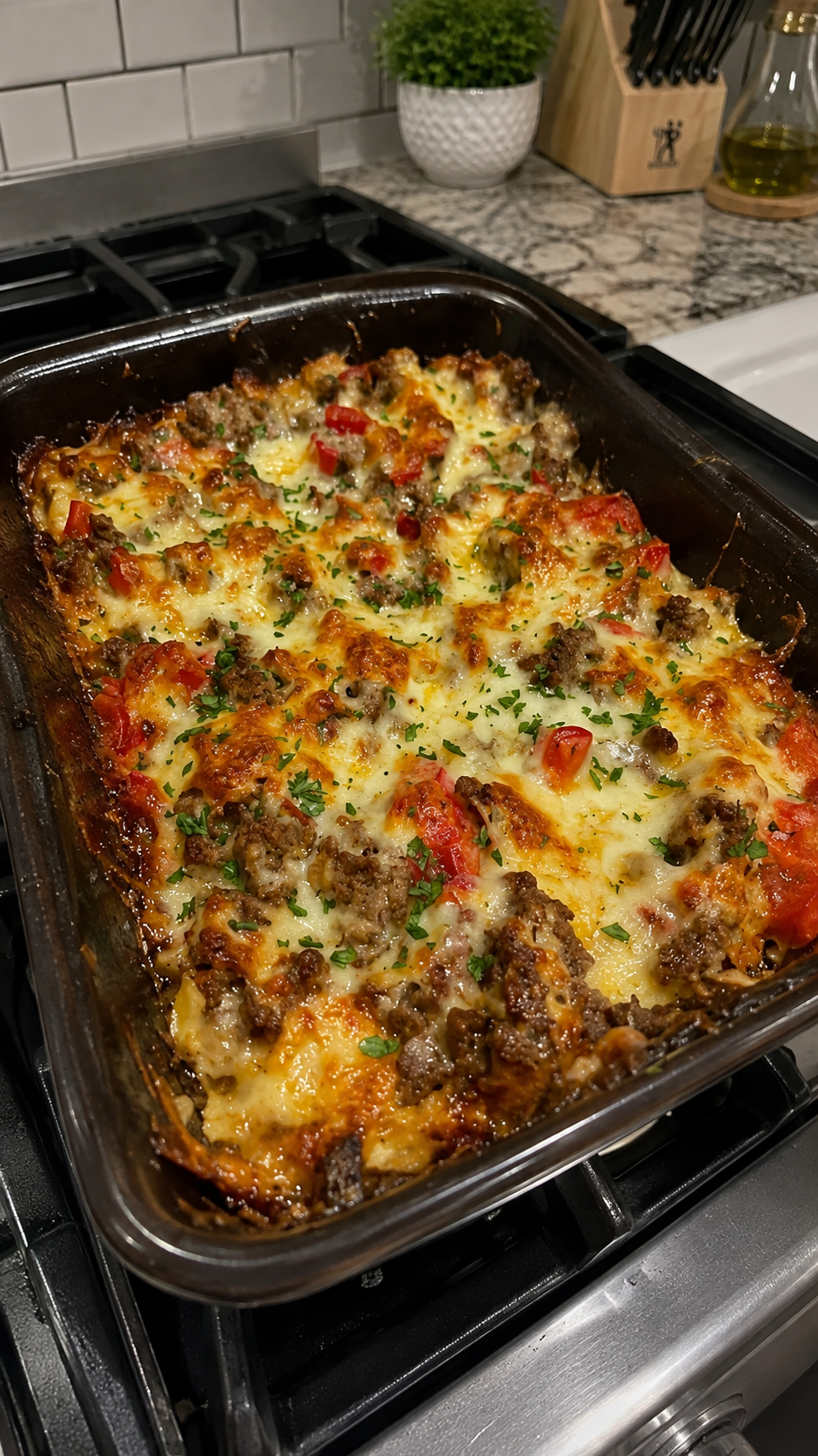
If you are looking for a comforting dinner that captures the bold, savory essence of a classic Philadelphia cheesesteak without the hassle of standing over a griddle, this Philly Cheesesteak Casserole is the answer. This dish brings together tender strips of beef, sweet sautéed onions and green peppers, and a rich, creamy cheese sauce that binds everything into a cohesive, hearty meal. The texture is a delightful balance: the meat remains juicy while the vegetables offer a slight crunch, all topped with a golden, melted layer of provolone or American cheese that stretches with every bite. It is an ideal choice for busy weeknights when you need something substantial to feed a family, for potlucks where it travels well in a slow cooker or casserole dish, or simply for anyone craving the flavors of the city in a more relaxed setting.
This recipe simplifies the traditional sandwich by baking the components together, allowing the flavors to meld while keeping the preparation straightforward. You do not need specialized equipment or hours of prep time to achieve a result that feels special. The combination of ground beef or thinly sliced steak works beautifully here, offering flexibility based on what you have on hand. By incorporating a roux-based cheese sauce rather than just melting slices over the top, we ensure that every forkful is coated in flavor, preventing the dryness that can sometimes occur with baked casseroles. For those who enjoy a bit of heat, a dash of hot sauce or red pepper flakes can be added, but the base recipe remains a crowd-pleasing favorite that satisfies without being overly complicated.
Follow Hailee Recipes on Pinterest for more easy-to-follow meals that bring families together around the table.
Why This Recipe Works
The success of this casserole lies in how it manages moisture and flavor distribution. Traditional cheesesteaks rely on high heat to sear the meat quickly, locking in juices, and then melt cheese directly onto the warm bread. In a casserole format, the challenge is often ensuring the meat does not become tough or the filling becomes watery. This method addresses both issues by browning the beef thoroughly before combining it with the other ingredients. Searing the meat creates a fond on the bottom of the pan, which adds depth of flavor that simple boiling or steaming cannot achieve.
Furthermore, using a béchamel-style cheese sauce acts as a stabilizer. Instead of relying solely on the natural fats from the cheese to hold the mixture, a small amount of butter and flour creates a thick emulsion that coats the meat and vegetables evenly. This prevents the dish from separating during baking, ensuring a creamy consistency throughout. The addition of diced onions and green peppers provides necessary acidity and sweetness to cut through the richness of the beef and cheese, creating a balanced profile that mimics the complexity of the original sandwich. Baking the dish in a covered casserole dish initially allows the flavors to steam and integrate, while uncovering it at the end ensures the top develops a desirable browned crust.
Ingredients
To make this dish, you will need standard pantry staples and fresh produce. The quantities below are calibrated for a standard 9×13 inch baking dish, yielding a generous portion suitable for four to six people.
- 1 pound lean ground beef: You can substitute thinly sliced sirloin steak, cut into thin strips, if you prefer a more traditional texture. If using steak, slice it against the grain after cooking or buy pre-sliced deli steak.
- 1 medium yellow onion: Finely diced to ensure it cooks down and blends seamlessly with the beef.
- 1 large green bell pepper: Diced into small, uniform pieces to match the size of the onion.
- 2 cloves garlic: Minced finely; this adds a necessary aromatic backbone to the savory profile.
- 2 tablespoons unsalted butter: Used to sauté the vegetables and create the base for the cheese sauce.
- 2 tablespoons all-purpose flour: Essential for thickening the cheese sauce and binding the ingredients.
- 1 cup whole milk: Adds creaminess; low-fat milk can be used, though the texture may be slightly less rich.
- 1 teaspoon Worcestershire sauce: Provides a deep umami note that enhances the beef flavor.
- 1 teaspoon salt: Adjust to taste depending on the saltiness of your cheese.
- ½ teaspoon black pepper: Freshly cracked is best for optimal flavor.
- 1 teaspoon dried oregano: A classic herb pairing with Italian-American style dishes.
- 2 cups shredded Provolone cheese: Shred your own block for the best melt; pre-shredded cheese contains anti-caking agents that can make the sauce grainy.
- 1 cup shredded Mozzarella cheese: Added for its excellent melting properties and mild flavor.
- Salt and pepper: For seasoning the final topping if desired.
How To Make Philly Cheesesteak Casserole
- Preheat and Prep: Begin by preheating your oven to 375°F (190°C). Lightly grease a 9×13 inch baking dish with non-stick spray or a small amount of butter to prevent sticking. While the oven heats, gather all your ingredients and ensure your vegetables are diced and the cheese is shredded.
- Cook the Meat and Vegetables: Heat a large skillet over medium-high heat. Add the ground beef (or steak strips) to the pan. Break up the meat with a wooden spoon if using ground beef, or stir occasionally if using steak strips. Cook until the meat is no longer pink and has developed a nice brown color, about 6 to 8 minutes. Drain any excess fat from the pan, leaving about one tablespoon behind for flavor. Push the meat to the side of the pan or remove it temporarily, then add the diced onions and green peppers to the same skillet. Sauté these vegetables for about 4 to 5 minutes until they soften and begin to caramelize slightly.
- Add Aromatics and Seasonings: Stir in the minced garlic, Worcestershire sauce, salt, pepper, and dried oregano. Cook for another minute until the garlic is fragrant but not burnt. Return the cooked beef to the pan with the vegetables, mixing everything thoroughly so the seasonings are distributed evenly. Remove the skillet from the heat.
- Create the Cheese Sauce: In a separate medium saucepan, melt the 2 tablespoons of butter over medium heat. Once melted and foamy, whisk in the all-purpose flour and cook for about 1 minute to eliminate the raw flour taste. Slowly pour in the milk while whisking constantly to prevent lumps. Continue to whisk until the mixture thickens enough to coat the back of a spoon, which usually takes 3 to 5 minutes. Remove from heat and stir in the shredded Provolone and Mozzarella cheeses until completely melted and smooth. Stir in half of the remaining cheese mixture into the beef and vegetable mix in the skillet, reserving the rest for the topping.
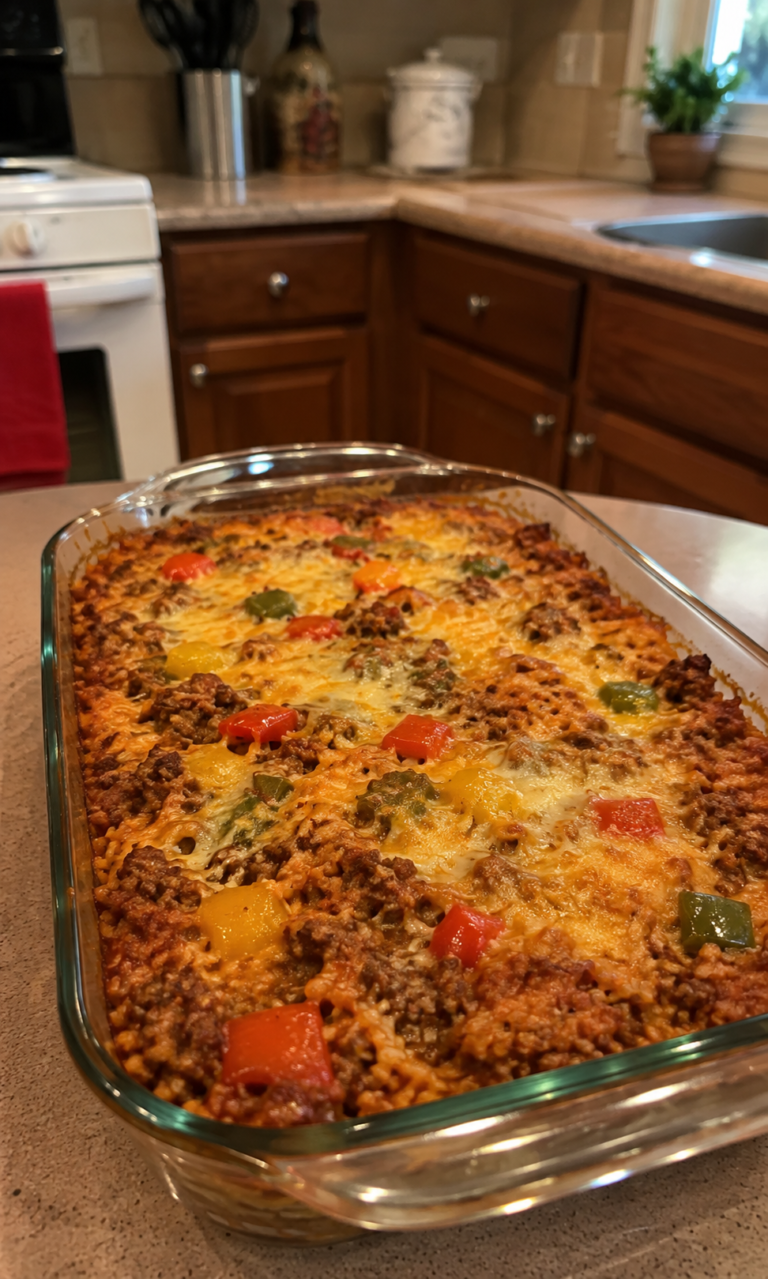
- Assemble and Bake: Pour the combined beef and cheese mixture into the prepared 9×13 inch baking dish. Spread it out evenly. Sprinkle the reserved cheese mixture over the top, covering the entire surface. Place the dish in the preheated oven and bake uncovered for 20 to 25 minutes. The casserole is done when the cheese is fully melted, bubbly, and starting to turn golden brown at the edges. Allow the dish to rest for 5 to 10 minutes before serving to let the sauce set slightly.
Doneness And Troubleshooting
Knowing when your casserole is ready involves observing visual cues rather than relying solely on the timer. The most important indicator is the state of the cheese topping. It should be fully melted with active bubbles breaking across the surface, and the edges should show signs of browning. If the cheese browns too quickly before the center is hot, cover the dish loosely with aluminum foil for the remainder of the baking time. Conversely, if the top looks pale after 25 minutes, you can switch the oven to broil for the last 1 to 2 minutes, watching closely to avoid burning.
If the mixture appears too dry during assembly, it may indicate that the beef was drained too thoroughly or the cheese sauce was too thick. Adding a splash of milk or beef broth to the skillet before transferring to the baking dish can restore moisture. On the other hand, if the casserole seems soupy after baking, the cheese sauce likely needed more time to thicken before being poured over the meat. Ensure the roux was cooked sufficiently and the milk was reduced to a creamy consistency before adding the cheese. Always allow the resting period mentioned in the instructions; this step is crucial as the residual heat continues to cook the dish gently and allows the starches in the flour to fully gelatinize, resulting in a cleaner slice.
Substitutions And Variations
This recipe is adaptable to various dietary preferences and ingredient availability. For a lighter version, you can use ground turkey or chicken instead of beef, though the flavor profile will be milder. To accommodate gluten-free diets, substitute the all-purpose flour with a 1-to-1 gluten-free flour blend or cornstarch slurry. When making the cheese sauce with cornstarch, ensure you whisk it vigorously to avoid clumping. For those avoiding dairy, there are plant-based alternatives available, but note that vegan cheeses often melt differently and may require a different thickening agent like nutritional yeast or cashew cream.
You can also experiment with the vegetable component. Red bell peppers add a sweeter, fruitier note compared to green peppers, while mushrooms provide an earthy depth that complements the beef. If you prefer a spicier kick, incorporate diced jalapeños or a pinch of cayenne pepper into the sauce. Some cooks like to add a layer of crushed potato chips or fried onions on top before baking for extra crunch, though this changes the texture significantly from the original soft-and-creamy concept. Remember that changing the type of cheese will alter the flavor; sharp cheddar will make the dish tangier, while Monterey Jack will keep it very mild.
Serving Suggestions
While this casserole is hearty enough to stand alone, it pairs well with sides that offer a contrasting texture or fresh element. A simple green salad with a vinaigrette dressing cuts through the richness of the cheese and beef. Roasted asparagus or steamed broccoli adds a nutritious vegetable component without overwhelming the main dish. For a more indulgent experience, serve the casserole alongside a slice of crusty French bread or garlic toast to soak up any extra sauce. If you want to stay true to the sandwich roots, you could serve individual portions on toasted hoagie rolls, effectively turning the casserole back into a deconstructed cheesesteak sandwich.
Storage And Reheating
Leftovers can be stored safely in the refrigerator for up to three to four days. Allow the casserole to cool completely to room temperature before transferring it to an airtight container. This prevents condensation from forming inside the container, which can make the top layer soggy. When reheating, place the portion in an oven-safe dish and cover with foil. Reheat at 350°F (175°C) for about 15 to 20 minutes until the internal temperature reaches 165°F (74°C). Microwaving is faster but can result in uneven heating and a rubbery texture for the cheese; if you must use a microwave, cover the dish with a damp paper towel to help retain moisture.
For longer storage, you can freeze the casserole. It is best to freeze the unbaked assembled dish or the cooled leftovers. If freezing unbaked, wrap the dish tightly in plastic wrap and then aluminum foil. It can be stored in the freezer for up to two months. Thaw overnight in the refrigerator before baking. If freezing cooked leftovers, portion them into individual containers for easier thawing. Reheat frozen portions in the oven at 350°F until heated through. Avoid refreezing previously frozen food to maintain quality and safety.
This dish offers a reliable way to enjoy the beloved flavors of a Philly cheesesteak in a format that is easy to prepare and share. With careful attention to browning the meat and thickening the sauce, you can achieve a result that is satisfying and consistent every time.
Philly Cheesesteak Casserole
Ingredients
Method
- Preheat oven to 375°F (190°C) and grease a 9x13 inch baking dish.
- Brown the beef in a large skillet over medium-high heat, drain excess fat, then add onions and peppers to cook until softened.
- Stir in garlic, Worcestershire sauce, salt, pepper, and oregano; cook for one minute, then return beef to the pan.
- Melt butter in a saucepan, whisk in flour, slowly add milk to create a thickened sauce, then stir in cheeses until melted.
- Combine half the cheese sauce with the beef mixture, pour into the baking dish, top with remaining cheese, and bake for 20-25 minutes until bubbly and golden.