
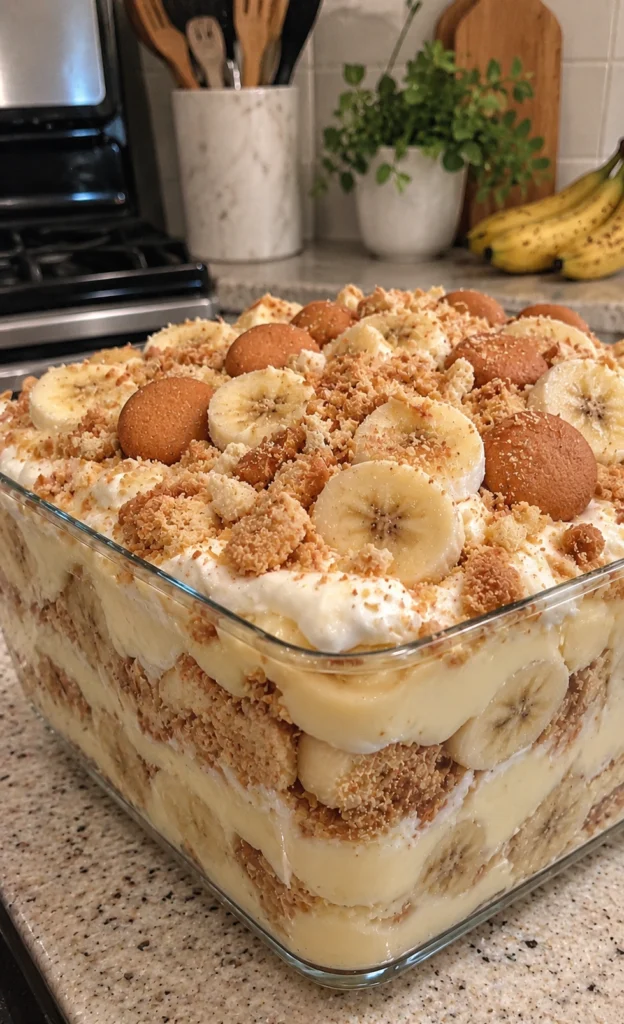
Homemade Banana Pudding Trifle
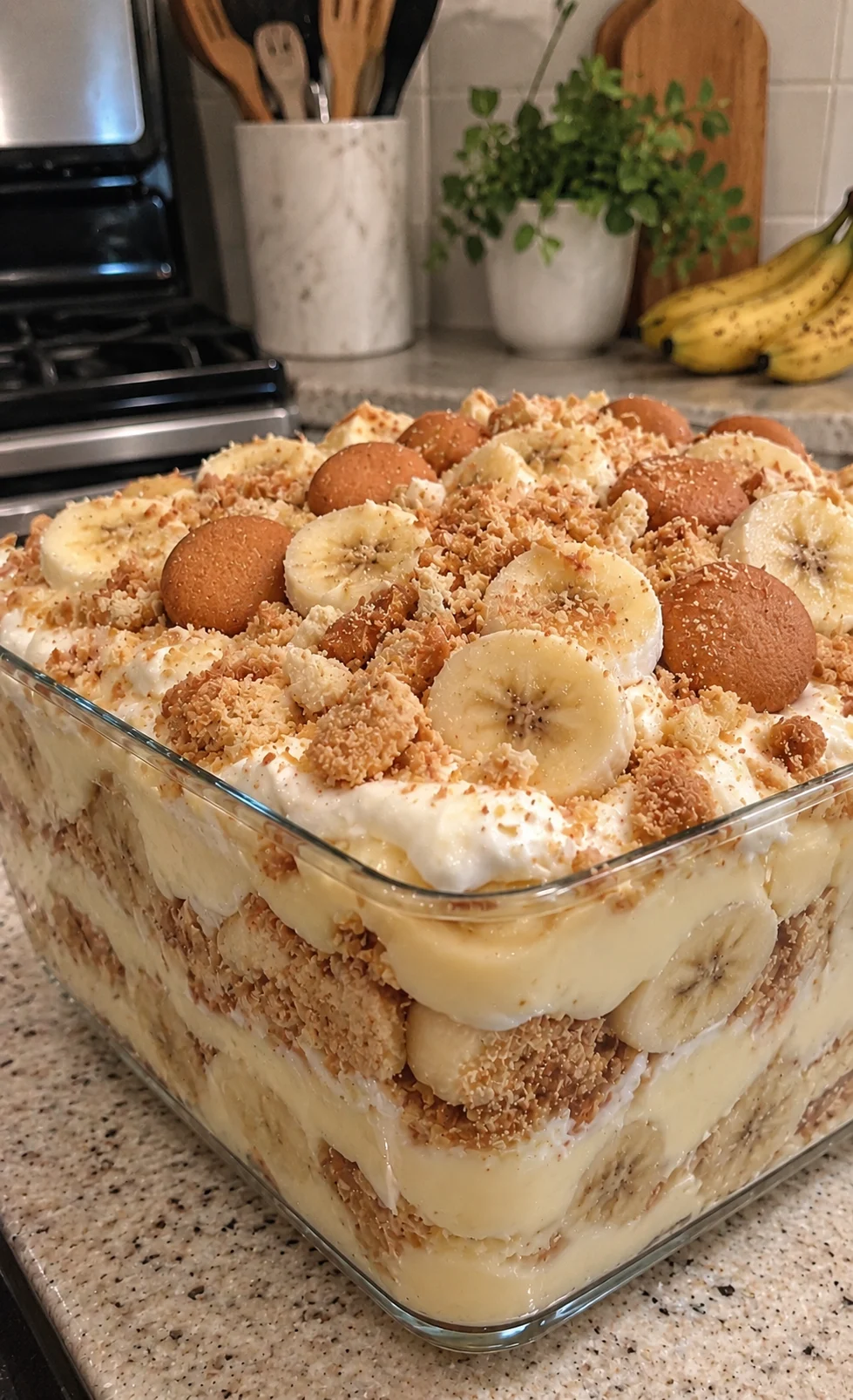
This Homemade Banana Pudding Trifle layers creamy vanilla custard, sweet bananas, and buttery vanilla wafers into a refreshing dessert perfect for summer gatherings or cozy weeknight treats.
Ingredients
- 3 large eggs: Fresh, room temperature eggs are essential for creating a smooth, stable custard base without curdling.
- 1 cup granulated sugar: Use standard white sugar to balance the sweetness of the bananas and wafers; do not reduce this amount as it helps stabilize the egg proteins.
- 1/4 cup all-purpose flour: This acts as the thickening agent for the pudding; ensure it is sifted to prevent lumps in the final texture.
- 1/4 teaspoon salt: A pinch of salt enhances the vanilla flavor and cuts through the richness of the dairy.
- 3 cups whole milk: Whole milk provides the necessary fat content for a rich mouthfeel; skim milk will result in a thin, watery pudding.
- 1 tablespoon unsalted butter: Adds a subtle gloss and richness to the finished custard once stirred in at the end.
- 1 teaspoon pure vanilla extract: Use high-quality extract rather than imitation for a deep, aromatic vanilla profile that defines the dish.
- 4 large ripe bananas: Choose bananas with yellow skins speckled with brown spots for maximum sweetness and soft texture; avoid green bananas which lack flavor.
- 1 package (12 oz) vanilla wafers: Standard round cookies work best; they provide the structural crunch needed to contrast the soft custard.
- Optional: 1 cup heavy cream: Whipped separately and folded in only if you desire an extra light, airy texture similar to a mousse.
How To Make Homemade Banana Pudding Trifle
- Prepare the Custard Base
In a medium saucepan, whisk together the eggs, sugar, flour, and salt until the mixture is completely smooth and pale yellow. There should be no visible streaks of flour or unmixed egg whites. Slowly pour in about half of the milk while whisking constantly to temper the eggs and prevent them from scrambling when they hit the heat. Add the remaining milk and stir to combine. Place the saucepan over medium-low heat and cook, stirring continuously with a wooden spoon or heat-resistant spatula. It is crucial to maintain constant motion during this phase; lifting the spoon every few seconds to check the consistency helps ensure even heating. As the mixture warms, it will begin to thicken. Once it reaches a gentle simmer and coats the back of the spoon heavily, usually taking about 8 to 10 minutes, remove it from the heat immediately. Do not let it boil vigorously, as this can cause the eggs to curdle. Stir in the butter and vanilla extract until fully incorporated. The butter adds a silky sheen that signals the custard is ready. - Cool the Pudding Safely
Transfer the hot custard to a clean bowl and cover the surface directly with plastic wrap. Press the wrap firmly against the pudding so that no air touches the top; this prevents a skin from forming as it cools. Let the pudding sit at room temperature for about 20 minutes before moving it to the refrigerator. Chilling it uncovered or leaving it too warm for too long can encourage bacterial growth or alter the texture. Once cool to the touch, refrigerate for at least 2 hours or overnight. The pudding must be completely cold before assembling the trifle; warm pudding will soften the vanilla wafers too quickly and make the bottom layer soggy. If you are in a hurry, you can place the covered bowl in an ice bath, stirring occasionally, but the refrigerator method yields the most consistent results. - Prep the Bananas and Wafers
While the pudding chills, peel the four bananas and slice them into uniform rounds, approximately 1/4-inch thick. Uniformity ensures that each bite has a balanced ratio of fruit to cookie and cream. If you are not assembling the trifle immediately, toss the banana slices lightly with a teaspoon of lemon juice to prevent oxidation and browning, though the acid may slightly alter the flavor profile. For the vanilla wafers, keep the package sealed until you are ready to build the trifle to maintain their crispness. Have your serving dish, preferably a clear glass trifle bowl or a large rectangular baking dish, ready. You will need enough space to create distinct, visible layers that showcase the ingredients. - Assemble the Layers
Begin the assembly by spreading a thin layer of the chilled pudding on the very bottom of the dish to act as a glue for the first layer of cookies. Arrange a single layer of vanilla wafers over the pudding, breaking some pieces to fill gaps and create an even surface. Next, lay down a generous layer of sliced bananas, overlapping them slightly to cover the cookies completely. Spoon another layer of pudding over the bananas, ensuring you reach the edges and corners of the dish. Repeat this process—cookies, bananas, pudding—until all ingredients are used, finishing with a top layer of pudding. If using whipped cream, spread it gently over the final pudding layer now. Smooth the top with an offset spatula for a professional look, but do not worry about perfection; rustic layers often look more inviting. The goal is to distribute the bananas evenly throughout so that no single section is just cookies or just fruit. - Chill and Serve
Cover the assembled trifle loosely with plastic wrap or a lid and refrigerate for at least 4 hours before serving. This resting period is non-negotiable; it allows the vanilla wafers to absorb moisture from the pudding and become tender without disintegrating, while the flavors meld together. If you serve it too soon, the cookies will remain hard and crunchy, and the pudding will not have set properly. Just before serving, you can garnish with additional crushed wafers or fresh banana slices if desired. Use a sharp knife or a wide spatula to cut clean portions, starting from the center and working outward to preserve the layered structure. The texture should be creamy and soft, with the cookies offering a pleasant resistance rather than being mushy.
Why This Recipe Works
This recipe relies on a cooked custard rather than instant pudding mix because cooking the eggs and flour creates a richer, more complex flavor profile that stands up to the acidity of the bananas. The technique of tempering the eggs by slowly adding warm milk prevents curdling, ensuring a velvety smooth texture that never feels grainy. By chilling the pudding thoroughly before assembly, we control the hydration rate of the vanilla wafers, allowing them to soften gradually into a cake-like consistency rather than turning into a wet sludge. The specific ratio of three eggs to three cups of milk provides enough protein structure to hold the layers together without becoming rubbery.
Doneness And Troubleshooting
The primary indicator of doneness for the custard is its ability to coat the back of a spoon. When you run your finger across the coated spoon, the line should remain clear without the pudding running back together. If the pudding looks lumpy, it likely boiled too aggressively; strain it through a fine-mesh sieve to remove any cooked egg bits. If the pudding remains too thin after 15 minutes of cooking, continue stirring over low heat, but be careful not to scorch the bottom. Regarding the bananas, if they turn brown before serving, it is a sign they were exposed to air too long; tossing them with lemon juice or assembling the trifle closer to serving time solves this. If the wafers become too soft, simply reduce the soaking time by assembling the trifle 2 hours before serving instead of overnight. Conversely, if they are still crunchy after 4 hours, allow an additional hour of chilling.
Substitutions And Variations
For a lighter version, you can substitute half of the whole milk with evaporated milk, which offers a similar richness with fewer calories. If you prefer a dairy-free option, use a high-fat coconut milk beverage, though this will impart a subtle coconut flavor. Vanilla wafers can be replaced with graham crackers for a spicier note, or ladyfingers for a more delicate texture that absorbs liquid faster. To add a boozy kick, brush the banana slices with a little rum or bourbon before layering. For those avoiding raw eggs entirely, the cornstarch-thickened custard method works well, but the egg-based version here provides superior flavor depth. Always taste the bananas before slicing; if they are under-ripe, the tartness will clash with the sweet pudding.
Serving Suggestions
This trifle pairs beautifully with a hot cup of coffee or tea, making it an ideal afternoon treat. For a festive presentation, dust the top with cocoa powder or cinnamon before serving. It also serves as a stunning centerpiece for potlucks, especially when made in a clear glass bowl where the colorful layers are visible. Leftover trifle can be served in individual glasses for a deconstructed presentation, which is helpful for controlling portion sizes at parties.
Storage And Reheating
Store the trifle in the refrigerator in an airtight container or tightly covered with plastic wrap for up to 3 days. The quality is best within the first 24 hours, as the wafers continue to absorb moisture over time. Do not freeze the trifle, as the bananas will become mushy and the custard may separate upon thawing. While reheating is generally not recommended for cold desserts, if you must warm a small portion, microwave it briefly, though the texture will change significantly. Always discard any leftovers that have been left out at room temperature for more than two hours.
With these steps, you can create a classic dessert that honors traditional flavors while delivering a modern, crowd-pleasing texture. For more inspiration on classic comfort foods and seasonal favorites, Follow Hailee Recipes on Pinterest.
Homemade Banana Pudding Trifle
Ingredients
Method
- Whisk eggs, sugar, flour, and salt; temper with milk and cook over medium-low heat until thickened.
- Stir in butter and vanilla, cover surface with plastic wrap, and chill until completely cold.
- Slice bananas and prepare vanilla wafers for layering.
- Layer pudding, wafers, and bananas in a trifle bowl, repeating until ingredients are used.
- Chill for at least 4 hours before serving to allow wafers to soften.
1 comment