Baked Lasagna Roll-Ups
Baked Lasagna Roll-Ups
Baked Lasagna Roll-Ups
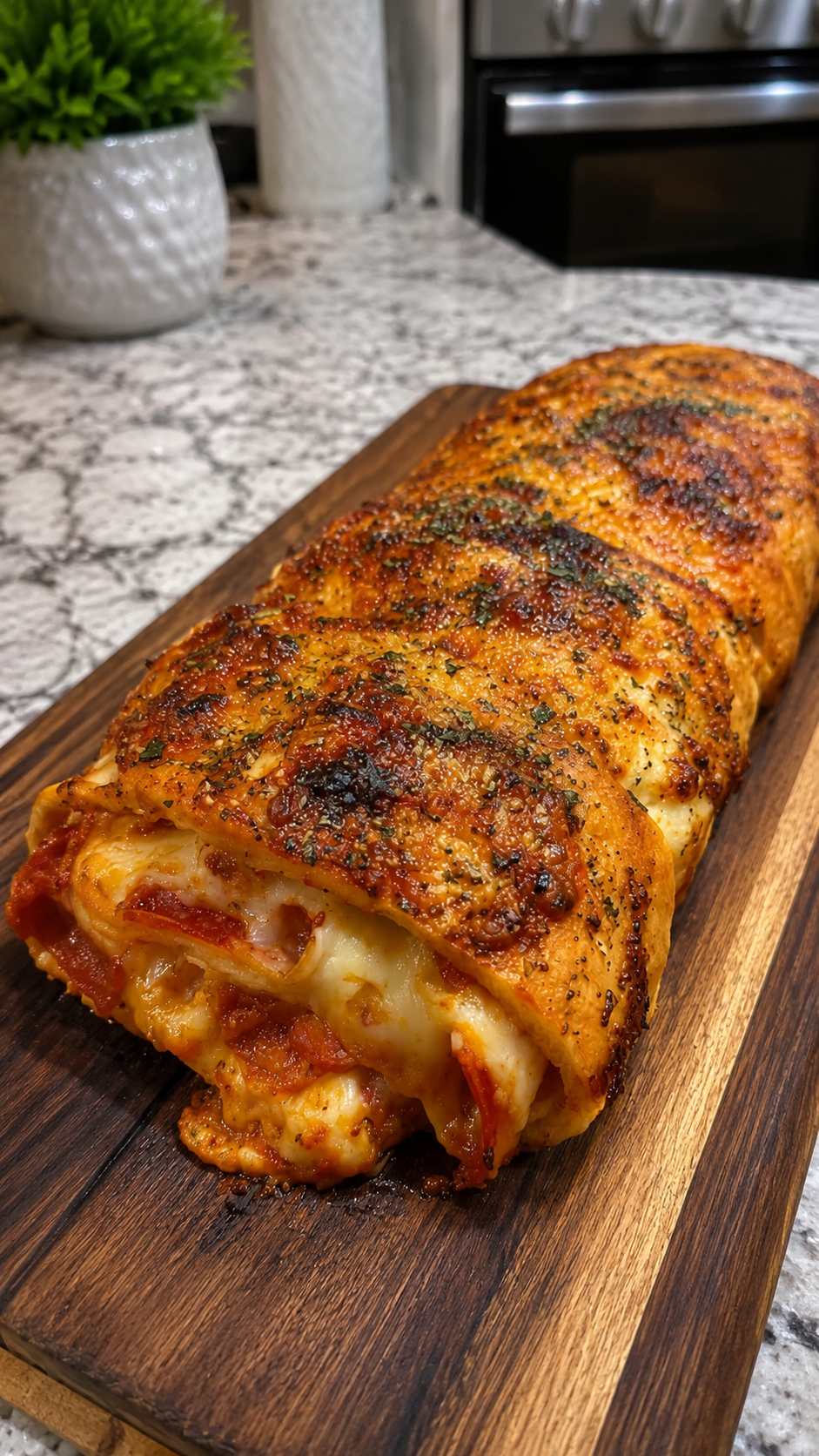
Baked Lasagna Roll-Ups transform the classic layers of lasagna into a more manageable, individual portion format. Instead of slicing through a heavy, layered casserole, this dish features tender pasta sheets rolled around a savory filling of ricotta, mozzarella, and herbs, then nestled in a rich tomato sauce and topped with golden cheese. The result is a comforting meal where every bite offers a perfect balance of creamy cheese, tangy marinara, and soft pasta. This preparation is particularly useful for weeknight dinners when you want the flavor of traditional lasagna without the time-consuming assembly of multiple layers, or for serving at gatherings where individual portions are easier to manage. It delivers the same nostalgic taste with a slightly different texture that many home cooks find more appealing.
For those looking to explore more Italian-inspired comfort foods, Follow Hailee Recipes on Pinterest for additional ideas and visual inspiration.
Why This Recipe Works
The primary advantage of rolling lasagna sheets lies in the structural integrity and ease of eating. Traditional lasagna can sometimes separate unevenly when sliced, leaving some pieces with too much sauce and others with too little filling. By rolling the pasta, you encapsulate the cheese mixture within the noodle, ensuring that each roll-up contains a consistent ratio of ingredients. This method also reduces the risk of the pasta becoming mushy, as the outer layer of the roll is protected by the sauce while the inner layers steam gently against the filling.
Furthermore, this technique allows for better heat distribution during baking. In a deep-dish lasagna, the center often takes significantly longer to heat through than the edges. With roll-ups arranged in a single layer or two shallow layers in a baking dish, the heat penetrates the pasta sheets more evenly. This ensures that the cheese inside melts perfectly without overcooking the exterior. The rolling action also creates a tighter seal, preventing the filling from leaking out into the sauce, which keeps the dish neat and visually appealing on the plate.
Ingredients
To make this recipe successfully, you will need standard pantry staples and fresh dairy products. The following list includes the core components required to achieve the authentic flavor profile of baked lasagna roll-ups. Ensure your ricotta is full-fat for the creamiest texture, and use freshly grated Parmesan if possible, as pre-grated versions often contain anti-caking agents that can affect melting.
- 12 lasagna noodles (regular width)
- 15 ounces whole-milk ricotta cheese
- 1 large egg, beaten
- 1 cup shredded mozzarella cheese, divided
- ½ cup grated Parmesan cheese, divided
- 1 teaspoon dried basil
- 1 teaspoon dried oregano
- ½ teaspoon garlic powder
- ¼ teaspoon black pepper
- 3 cups marinara sauce (store-bought or homemade)
- Optional: 1 tablespoon olive oil for greasing the pan
How To Make Baked Lasagna Roll-Ups
- Prepare the Pasta and Sauce: Begin by bringing a large pot of salted water to a boil. Cook the lasagna noodles according to the package directions until they are al dente, meaning they are still slightly firm to the bite. They should not be fully soft yet, as they will continue to cook in the oven. Drain the noodles and immediately rinse them under cold water to stop the cooking process. Lay the noodles flat on clean kitchen towels or parchment paper to prevent them from sticking together. While the pasta cools, pour the marinara sauce into a medium bowl; if it is very thick, stir in a splash of water to make it easier to spread later.
- Mix the Filling: In a large mixing bowl, combine the ricotta cheese, beaten egg, ½ cup of the shredded mozzarella, ¼ cup of the grated Parmesan, dried basil, dried oregano, garlic powder, and black pepper. Use a sturdy spoon or rubber spatula to mix these ingredients thoroughly until the mixture is smooth and uniform. Taste the filling and adjust the seasoning if necessary, though the saltiness of the cheeses and sauce usually provides enough flavor. Set the filling aside while you prepare the baking dish.
- Assemble the Roll-Ups: Preheat your oven to 375°F (190°C). Spread about one cup of the marinara sauce on the bottom of a 9×13 inch baking dish to create a non-stick base. Take one cooked lasagna noodle and place it on a cutting board or plate. Spread approximately ⅓ cup of the ricotta mixture down the center of the noodle, leaving a small border around the edges. Carefully roll the noodle up from one end to the other, creating a tight cylinder. Place the roll-up seam-side down into the prepared baking dish. Repeat this process with the remaining noodles and filling, arranging them snugly side-by-side in the dish so they hold their shape.
- Add Sauce and Cheese: Pour the remaining marinara sauce evenly over the top of the roll-ups, ensuring that most of the pasta is covered but some of the rolls peek through for browning. Sprinkle the remaining ½ cup of mozzarella cheese and the remaining ¼ cup of Parmesan cheese over the sauce. If desired, drizzle a tiny amount of olive oil over the top to help the cheese brown evenly. Cover the baking dish tightly with aluminum foil.
- Bake Until Golden: Place the covered dish in the preheated oven and bake for 25 minutes. After 25 minutes, carefully remove the foil to check the progress. The sauce should be bubbling around the edges, and the cheese should be melted. Return the dish to the oven, uncovered, and bake for an additional 10 to 15 minutes, or until the cheese on top is bubbly and has developed light golden-brown spots. Remove the dish from the oven and let it rest for 5 to 10 minutes before serving. This resting period allows the cheese to set slightly, making the roll-ups easier to lift from the dish without falling apart.
Doneness And Troubleshooting
Knowing when your lasagna roll-ups are ready involves observing both visual cues and timing. The most reliable indicator is the bubbling of the sauce around the edges of the dish. If the sauce is simmering vigorously, the internal temperature of the pasta and filling has likely reached a safe level. The cheese topping should be fully melted and showing signs of browning. If the cheese browns too quickly before the interior is hot, loosely tent the dish with foil again to allow the heat to penetrate without burning the top.
If the noodles feel tough after baking, it is likely they were undercooked before rolling. Always ensure the pasta reaches the “al dente” stage before assembling, as the final bake will soften them further. Conversely, if the roll-ups fall apart easily when served, the noodles may have been overcooked initially or the filling was too wet. Adding the egg to the ricotta mixture helps bind the filling, providing structure. If the sauce is too thin, you can thicken it by simmering it on the stove for a few minutes before pouring it over the rolls. If the dish looks dry after baking, simply stir in a tablespoon or two of warm water or extra sauce before serving.
Substitutions And Variations
This recipe is highly adaptable to accommodate dietary preferences or ingredient availability. For a gluten-free version, substitute the regular wheat-based lasagna noodles with certified gluten-free lasagna sheets. Note that gluten-free pasta can be more fragile, so handle them gently when rolling and consider using a slightly shorter baking time to prevent them from breaking. You can also incorporate vegetables directly into the filling. Sautéed spinach, mushrooms, or finely chopped zucchini can be mixed into the ricotta blend to add nutrients and texture. Just ensure any added vegetables are cooked and drained well to avoid releasing excess moisture that could make the filling runny.
For a lighter option, replace half of the ricotta cheese with low-fat cottage cheese, blending it first to achieve a smooth consistency. You can also swap the mozzarella for a part-skim variety to reduce the fat content without sacrificing meltability. If you prefer a spicier kick, add a pinch of red pepper flakes to the filling or use a spicy arrabbiata sauce instead of standard marinara. Fresh herbs like parsley or basil can be used in place of the dried varieties for a brighter, fresher flavor, though you may need to increase the quantity slightly since fresh herbs are less concentrated than their dried counterparts.
Serving Suggestions
Baked Lasagna Roll-Ups pair beautifully with a crisp green salad dressed in a simple vinaigrette to cut through the richness of the cheese and sauce. A side of garlic bread or crusty Italian bread is excellent for soaking up any extra sauce left in the baking dish. For a complete meal, serve the roll-ups alongside roasted vegetables such as broccoli, asparagus, or bell peppers. These sides add color and nutritional balance to the plate. Garnish the finished dish with fresh chopped parsley or basil leaves just before serving to enhance the visual appeal and add a burst of aromatic freshness.
Storage And Reheating
Leftover lasagna roll-ups can be stored in an airtight container in the refrigerator for up to four days. To maintain quality, ensure the leftovers are cooled to room temperature before sealing the container to prevent condensation from making the pasta soggy. When reheating, place the desired number of roll-ups in an oven-safe dish, cover with foil, and warm in a 350°F (175°C) oven for 15 to 20 minutes. Alternatively, you can reheat individual portions in the microwave, covering them with a damp paper towel to keep the pasta moist. The dish freezes well for up to three months. Freeze the assembled, unbaked roll-ups in a freezer-safe dish wrapped tightly in plastic and foil, or freeze the cooked portions in individual containers. Thaw overnight in the refrigerator before reheating.
This versatile dish offers a practical solution for feeding a family or preparing a meal ahead of time. By mastering the rolling technique and understanding how to balance the moisture levels, you can consistently produce a delicious, restaurant-quality meal right in your own kitchen.
Baked Lasagna Roll-Ups
Ingredients
Method
- Boil lasagna noodles until al dente, drain, rinse with cold water, and lay flat on towels. Preheat oven to 375°F (190°C).
- Mix ricotta, egg, ½ cup mozzarella, ¼ cup Parmesan, basil, oregano, garlic powder, and pepper in a bowl.
- Spread 1 cup marinara sauce on the bottom of a 9x13 inch baking dish. Spread filling on noodles and roll up. Place seam-side down in dish.
- Pour remaining sauce over rolls and top with remaining mozzarella and Parmesan. Cover with foil.
- Bake covered for 25 minutes, then uncover and bake 10-15 minutes until cheese is golden. Rest 5 minutes before serving.