Beef Bacon-Wrapped Prime Rib Roast
Beef Bacon-Wrapped Prime Rib Roast
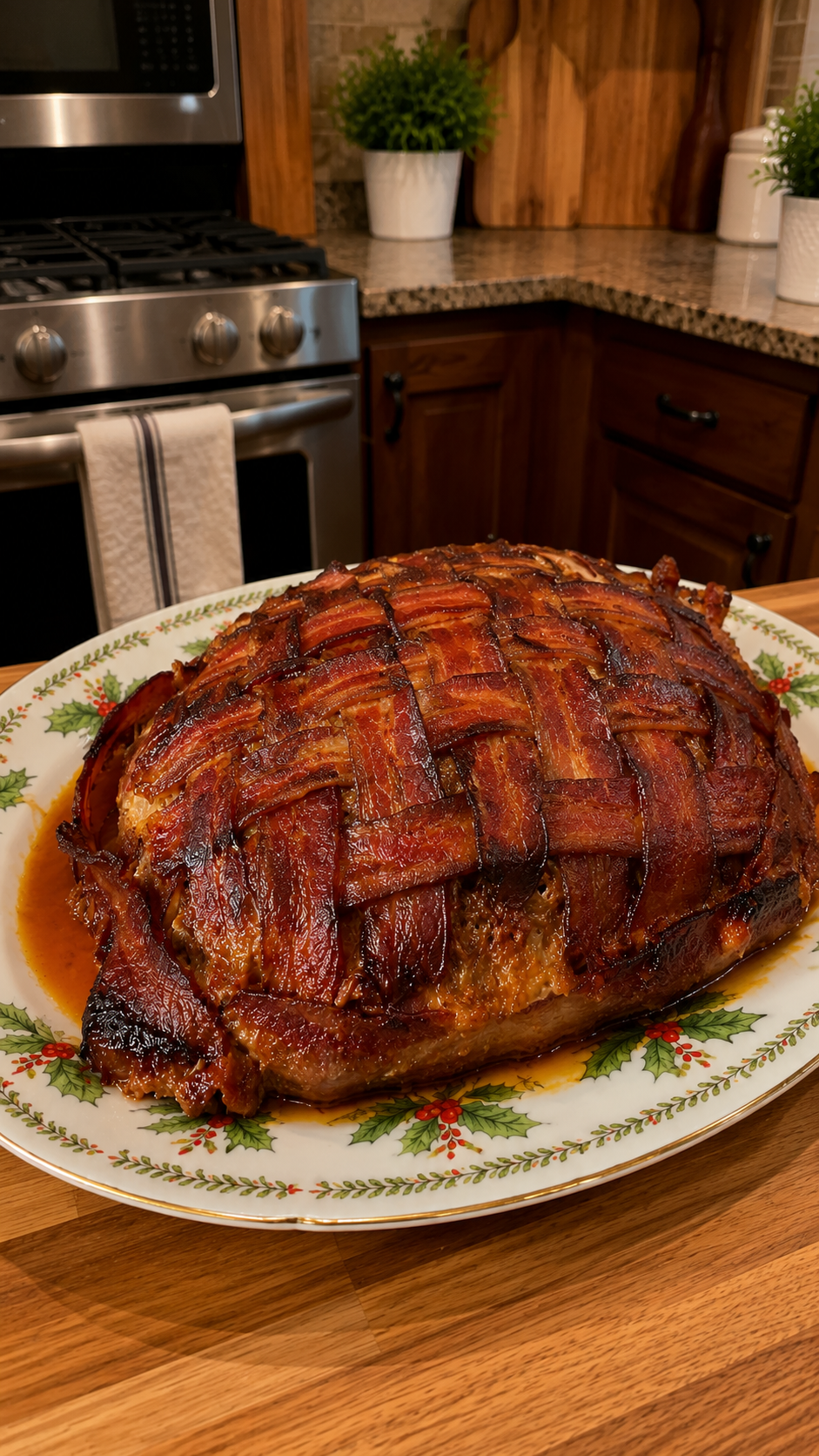
Beef Bacon-Wrapped Prime Rib Roast
This Beef Bacon-Wrapped Prime Rib Roast transforms a classic holiday centerpiece into a rich, savory experience where the smoky crunch of bacon meets the tender, buttery texture of prime beef. The result is a roast that offers a complex flavor profile: the deep, umami notes of high-quality ribeye are complemented by the salty, cured depth of thick-cut bacon, creating a crust that seals in juices while adding a delightful textural contrast. This dish is particularly useful for special occasions, Sunday family dinners, or when you want to impress guests with a show-stopping main course that feels both luxurious and comforting. The combination of slow-roasting and the protective bacon layer ensures the meat remains moist even if slightly overcooked, making it an excellent choice for home cooks aiming for restaurant-quality results without the stress.
For more culinary inspiration and visual guides, Follow Hailee Recipes on Pinterest.
Why This Recipe Works
The primary challenge with cooking a large cut like prime rib is achieving an even doneness from edge to center while developing a flavorful exterior. Wrapping the roast in bacon addresses this by providing a natural barrier against direct heat. As the bacon renders its fat during the long roasting process, it bastes the meat continuously, preventing the outer layers of the beef from drying out before the interior reaches the desired temperature. This method also introduces a layer of salt and smoke that penetrates the surface of the beef, enhancing the natural flavor without needing heavy rubs or marinades.
Furthermore, the bacon acts as an insulator. It slows down the rate at which the outer muscle fibers contract, allowing the heat to penetrate more gently. This technique reduces the risk of a wide gray band of overcooked meat surrounding a rare center. By using a consistent oven temperature and relying on internal temperature rather than strict timing, you gain control over the final texture, ensuring each slice is uniformly pink and juicy.
Ingredients
- Prime Rib Roast: 5 to 6 pounds (bone-in or boneless), preferably Grade Prime or Choice with good marbling.
- Thick-Cut Bacon: 12 to 14 slices, enough to completely encase the roast in overlapping layers.
- Coarse Sea Salt: 2 tablespoons, for seasoning the beef before wrapping.
- Freshly Ground Black Pepper: 1 tablespoon, coarsely ground.
- Garlic Powder: 1 teaspoon, optional but recommended for added depth.
- Dried Thyme: 1 teaspoon, to complement the earthy flavors of the beef and bacon.
- Rosemary Sprigs: 3 to 4 fresh sprigs, placed inside the roasting pan for aromatic steam.
- Vegetable Oil: 1 tablespoon, for greasing the rack or pan if needed.
How To Make Beef Bacon-Wrapped Prime Rib Roast
- Prepare the Roast and Seasoning: Remove the prime rib roast from the refrigerator about two hours before cooking to bring it closer to room temperature; this promotes even cooking. Preheat your oven to 225°F (107°C). Pat the roast completely dry with paper towels. In a small bowl, mix the coarse sea salt, black pepper, garlic powder, and dried thyme. Rub this mixture generously over all sides of the beef, pressing it gently into the meat so it adheres well.
- Wrap the Roast in Bacon: Lay out the bacon slices on a clean work surface or cutting board, overlapping them slightly to create a sheet large enough to wrap around the entire roast. Place the seasoned roast in the center of the bacon. Roll the bacon tightly around the meat, ensuring there are no gaps where the beef is exposed. If necessary, use toothpicks to secure the ends of the bacon, though the tight rolling usually holds the strips in place. The goal is a snug fit that will hold together during the long cook time.
- Set Up the Roasting Pan: Line a large roasting pan with aluminum foil for easier cleanup. Place a wire rack inside the pan and lightly grease it with vegetable oil. Arrange the rosemary sprigs on the bottom of the pan beneath the rack; these will release aroma as they heat up without burning. Carefully transfer the bacon-wrapped roast onto the rack, placing it seam-side down so the bacon stays wrapped securely.
- Roast Slowly: Place the roasting pan in the preheated oven on the middle rack. Do not cover the roast. Allow it to roast slowly until the internal temperature reaches your preferred level of doneness. For medium-rare, aim for an internal temperature of 125°F to 130°F (52°C to 54°C) measured with a meat thermometer inserted into the thickest part of the meat, avoiding any bone or large pockets of fat. This process typically takes between 3 to 4 hours depending on the size of the roast and your specific oven.
- Rest Before Carving: Once the roast reaches the target temperature, remove it from the oven immediately. Transfer the roast to a cutting board or platter and tent it loosely with aluminum foil. Let it rest for at least 30 minutes before carving. During this time, the internal temperature will continue to rise slightly (carryover cooking), and the juices will redistribute throughout the muscle fibers, ensuring a moist slice when you finally cut into it.
Doneness And Troubleshooting
Using a reliable instant-read thermometer is the most critical tool for this recipe. Because ovens vary and roast sizes differ, time estimates are only guidelines. For medium-rare, pull the roast when the thermometer reads 125°F to 130°F. The temperature will rise another 5 to 10 degrees while resting. If you prefer medium, aim for 135°F to 140°F before removing it from the oven.
If the bacon begins to brown too quickly before the meat is done, loosely tent the roast with foil to shield it from direct heat. Conversely, if the bacon is not crisp after the meat is fully cooked, you can increase the oven temperature to 400°F (204°C) for the last 10 to 15 minutes, watching closely to prevent burning. Ensure the thermometer probe does not touch the bone, as this will give a falsely high reading. If the roast appears unevenly browned, rotating the pan halfway through the cooking process can help, though the low temperature usually prevents significant hot spots.
Substitutions And Variations
If you cannot find thick-cut bacon, regular bacon works but may render faster and become overly crisp or burn before the meat is done. You may need to check the roast earlier or reduce the initial cooking time slightly. For a different flavor profile, you can swap the dried herbs for a fresh herb paste made from rosemary, thyme, and minced garlic applied directly to the beef before wrapping.
While prime rib is ideal for its marbling, a ribeye roast or a standing rib roast of similar weight can be used as a substitute. Keep in mind that lower-grade cuts may have less fat, potentially resulting in a slightly drier texture if not monitored carefully. If you wish to add a glaze, brush a mixture of brown sugar and Dijon mustard over the bacon during the last 20 minutes of cooking, but be aware that sugar burns easily at high temperatures, so keep a close eye on the color.
Serving Suggestions
This roast pairs beautifully with simple, rustic sides that do not compete with the rich flavors of the beef and bacon. Roasted root vegetables like carrots, parsnips, and potatoes tossed in olive oil and herbs provide a sweet and earthy counterpoint. A creamy horseradish sauce is traditional and essential for cutting through the richness of the fat. Fresh green beans sautéed with garlic or a crisp arugula salad with a lemon vinaigrette offer a bright, acidic finish to balance the meal. Serve the carved meat on a warm platter alongside the roasted vegetables for a complete, hearty presentation.
Storage And Reheating
Leftovers can be stored in an airtight container in the refrigerator for up to three to four days. To maintain quality, try to store the meat with some of its juices or a splash of broth to prevent drying out. When reheating, avoid the microwave, which can make the bacon rubbery and the beef tough. Instead, slice the meat and reheat it gently in a skillet with a little butter or broth, or warm it in a low oven at 250°F (121°C) until just heated through.
You can freeze leftovers for up to three months. Wrap individual portions tightly in plastic wrap and then in aluminum foil or place them in a heavy-duty freezer bag. Thaw overnight in the refrigerator before reheating. Note that the texture of the bacon may soften slightly upon freezing and reheating, but the flavor will remain robust.
This recipe relies on patience and precise temperature monitoring rather than complex techniques. By following these steps, you ensure a tender, flavorful roast that highlights the quality of the ingredients without unnecessary fuss.
Beef Bacon-Wrapped Prime Rib Roast
Ingredients
Method
- Remove roast from fridge 2 hours prior. Preheat oven to 225°F. Mix salt, pepper, garlic powder, and thyme; rub over roast.
- Overlap bacon slices to form a sheet. Wrap tightly around the seasoned roast, securing with toothpicks if needed.
- Line a roasting pan with foil, place a wire rack inside, and grease lightly. Add rosemary sprigs to the bottom of the pan.
- Place roast on rack, seam-side down. Roast until internal temperature reaches 125-130°F for medium-rare (approx. 3-4 hours).
- Remove from oven and tent with foil. Rest for 30 minutes before carving to allow juices to redistribute.