Cheese Baked Casserole
Cheese Baked Casserole
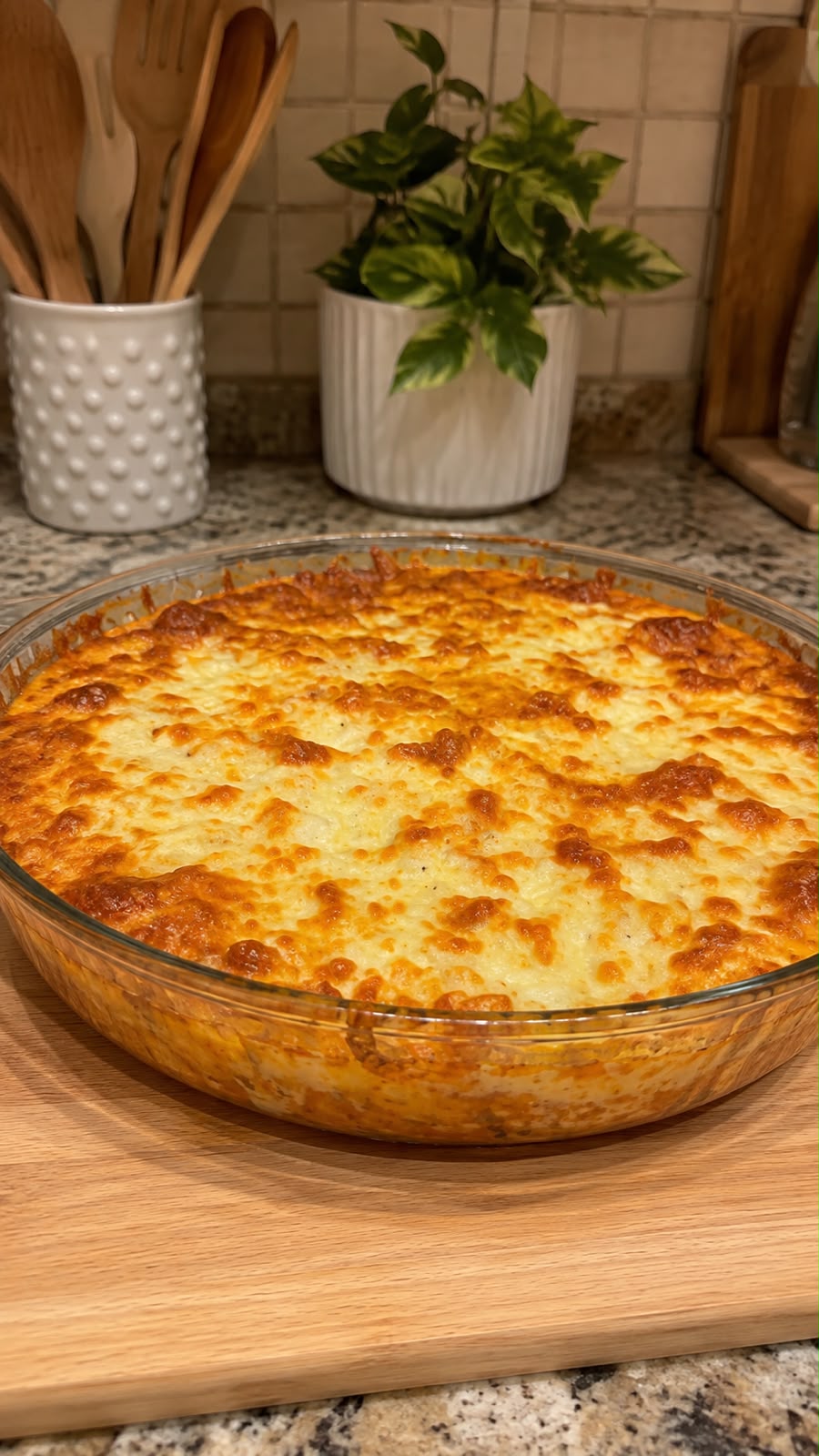
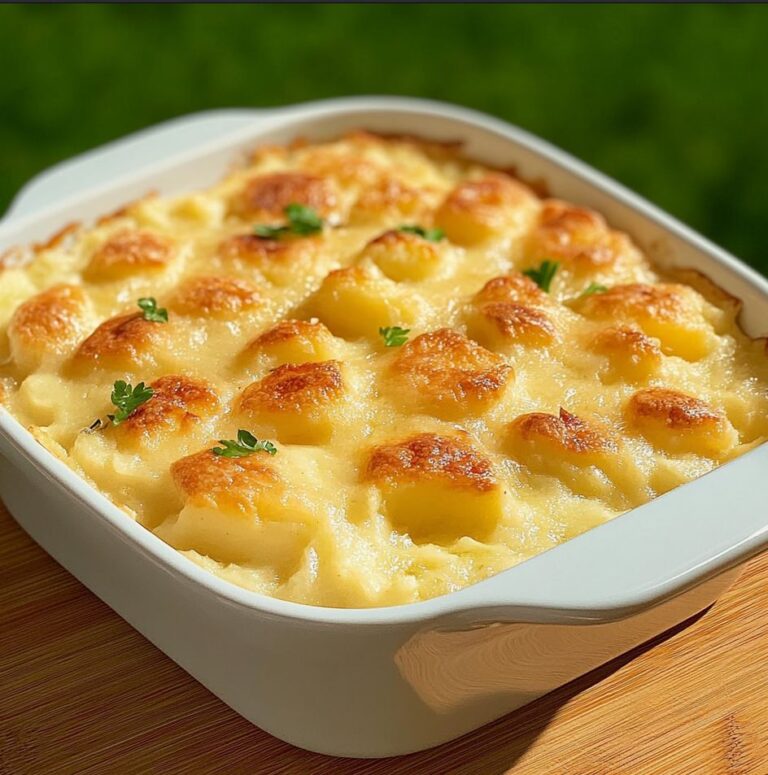
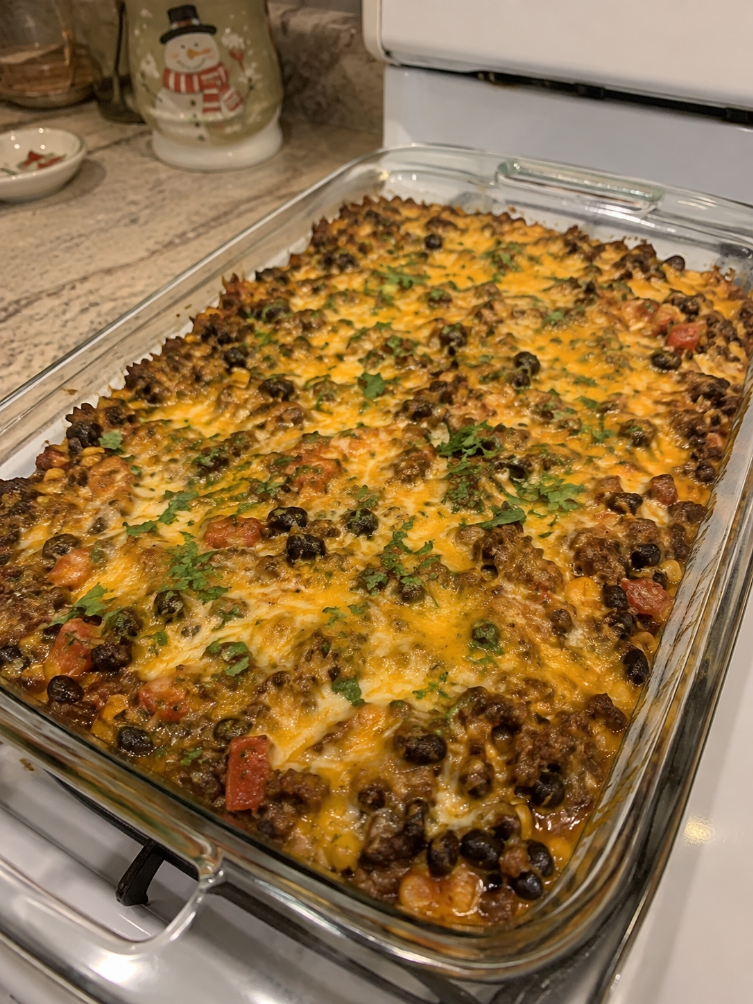
A Cheese Baked Casserole is the definition of comfort food, offering a harmonious blend of creamy textures and rich, savory flavors that warm the soul. This dish features tender pasta or vegetables enveloped in a velvety cheese sauce, topped with a generous layer of golden-brown melted cheese that creates a delightful contrast between the soft interior and the crisp, bubbly exterior. It is an ideal solution for busy weeknight dinners when you need something substantial yet quick to assemble, or for potlucks where a large batch is required to feed a crowd. The beauty of this recipe lies in its simplicity; it relies on fundamental pantry staples and high-quality cheese to deliver a satisfying meal without complicated techniques. Whether served alongside a simple green salad or as a hearty main course, this casserole provides a reliable, delicious option that appeals to both children and adults alike.
Follow Hailee Recipes on Pinterest for more comforting dishes and practical cooking tips.
Why This Recipe Works
The success of a baked casserole hinges on the balance between moisture and structure. In this version, we utilize a roux-based cheese sauce rather than relying solely on evaporated milk or cream soups. Creating a roux from butter and flour ensures that the sauce thickens properly without becoming grainy or separating during the baking process. This method allows the cheese to melt smoothly into the liquid, creating an emulsion that coats every piece of pasta or vegetable evenly. By baking the dish uncovered, we encourage the top layer of cheese to undergo the Maillard reaction, developing those desirable browned spots and a slightly nutty flavor profile that adds depth to the overall taste.
Furthermore, the choice of pasta shape plays a crucial role in texture retention. Short, sturdy shapes like penne, rotini, or shells hold their form better during the extended baking time compared to delicate pastas that might turn mushy. The inclusion of a small amount of mustard powder or dry mustard in the sauce acts as a secret weapon, cutting through the richness of the dairy and enhancing the perception of cheesy flavor without adding any distinct heat. This approach guarantees a cohesive dish where every bite offers a consistent ratio of sauce to solid ingredients, preventing the common issue of a dry bottom or a runny top.
Ingredients
To achieve the perfect consistency for this Cheese Baked Casserole, precise measurements are essential. We start with a base of uncooked elbow macaroni or penne pasta, which serves as the structural foundation. The sauce requires unsalted butter to build the roux, all-purpose flour for thickening, and whole milk to provide a rich, creamy body. For the star of the show, we use a combination of sharp cheddar and mild cheddar cheeses. Using two types of cheddar balances the intense tang of the sharp variety with the superior melting qualities of the mild cheese, ensuring a smooth, stretchy texture. A pinch of salt, black pepper, and dry mustard powder rounds out the seasoning profile.
- 12 ounces (340g) elbow macaroni or penne pasta
- 4 tablespoons (56g) unsalted butter
- 1/4 cup (30g) all-purpose flour
- 3 cups (720ml) whole milk, warmed slightly
- 3 cups (340g) shredded sharp cheddar cheese
- 3 cups (340g) shredded mild cheddar cheese
- 1 teaspoon dry mustard powder
- 1/2 teaspoon garlic powder
- 1/2 teaspoon salt, plus more to taste
- 1/4 teaspoon freshly ground black pepper
- Optional: 1/2 cup breadcrumbs mixed with 1 tablespoon melted butter for extra crunch
How To Make Cheese Baked Casserole
- Prepare the Pasta and Oven: Preheat your oven to 375°F (190°C). Bring a large pot of generously salted water to a boil. Add the pasta and cook according to the package directions until it is al dente, meaning it still has a slight bite to it. Since the pasta will continue to cook in the oven, it is important not to overcook it at this stage. Drain the pasta thoroughly and set it aside in a large mixing bowl. While the pasta cooks, grease a 9×13 inch glass baking dish with a little butter or non-stick spray to prevent sticking.
- Create the Roux: In a medium-sized saucepan over medium heat, melt the butter completely. Once the butter is foaming but not browned, sprinkle in the all-purpose flour. Whisk constantly for about one to two minutes until the mixture forms a smooth paste and begins to bubble gently. This step cooks out the raw flour taste and creates the thickening agent for your sauce. Ensure there are no lumps of flour remaining before proceeding.
- Build the Cheese Sauce: Slowly pour in the warm milk while whisking vigorously to incorporate it into the roux. Continue to whisk as the mixture heats up and begins to thicken. Allow the sauce to simmer gently for about three to five minutes until it coats the back of a spoon. Remove the pan from the heat. Stir in the dry mustard powder, garlic powder, salt, and black pepper. Gradually add the shredded cheddar cheeses, stirring continuously until the cheese is fully melted and the sauce is smooth and glossy. If the sauce seems too thick, add a splash more milk; if too thin, let it simmer for another minute.
- Combine and Assemble: Pour the hot cheese sauce directly over the drained pasta in the large mixing bowl. Use a spatula to fold the sauce into the pasta until every noodle is evenly coated. Transfer the mixture into the prepared glass baking dish, spreading it out into an even layer. If you are using the optional breadcrumb topping, sprinkle the buttered breadcrumbs over the top now. Otherwise, simply ensure the cheese sauce covers the pasta completely to create a uniform surface.
- Bake Until Golden: Place the baking dish in the preheated oven. Bake for 25 to 30 minutes, or until the casserole is bubbling vigorously around the edges and the top is a deep golden brown. If you prefer a darker crust, you can switch the oven to broil for the last 2 minutes, but watch closely to prevent burning. Remove the dish from the oven and let it rest for 5 to 10 minutes before serving. This resting period allows the sauce to set slightly, making it easier to scoop neat portions without everything sliding apart.
Doneness And Troubleshooting
Knowing when the casserole is perfectly done involves observing both visual cues and the behavior of the sauce. The most reliable indicator is the bubbling action; you should see bubbles breaking the surface around the perimeter of the dish, indicating that the center is hot throughout. The top layer of cheese should be firm and browned, not just melted and shiny. If the top browns too quickly before the center is heated, cover the dish loosely with aluminum foil for the remainder of the baking time to allow the heat to penetrate without scorching the cheese.
If the sauce appears too thick after baking, it may have absorbed too much liquid from the pasta. This can happen if the pasta was under-salted or cooked too long before draining. To fix this next time, ensure you reserve a cup of starchy pasta water before draining; you can stir a tablespoon or two of this water into the sauce before combining it with the pasta. Conversely, if the casserole turns out too runny, it likely means the roux was not cooked long enough or the milk was added too rapidly, causing separation. Always whisk the milk in gradually and allow the sauce to reach a proper simmering thickness before adding the cheese.
Substitutions And Variations
This recipe is highly adaptable to dietary preferences and ingredient availability. For a gluten-free version, substitute the all-purpose flour with a 1-to-1 gluten-free flour blend and use certified gluten-free pasta. When selecting cheese, you can swap the cheddar for Monterey Jack, Gouda, or Gruyère, though keep in mind that different cheeses melt at different rates and offer varying levels of saltiness. If you prefer a lighter option, you can use reduced-fat milk and lower-fat cheeses, though the texture may be slightly less creamy.
To add protein, consider folding in cooked diced ham, crumbled bacon, or shredded chicken into the pasta before baking. Vegetarians can enhance the dish by adding steamed broccoli florets, sautéed spinach, or roasted bell peppers. These additions should be cooked beforehand to remove excess moisture, which could otherwise make the casserole watery. For a spicy kick, incorporate a dash of cayenne pepper or red pepper flakes into the sauce, or mix in some pickled jalapeños for a tangy heat.
Serving Suggestions
Because the Cheese Baked Casserole is rich and filling, it pairs beautifully with fresh, acidic sides that cut through the heaviness of the cheese. A simple garden salad dressed with a lemon vinaigrette provides a refreshing contrast. Roasted asparagus or green beans seasoned with garlic and lemon zest also complement the dish well. For a complete meal, serve a slice of crusty bread or garlic knots on the side to soak up any extra sauce. If you are hosting a gathering, garnish the individual servings with chopped fresh parsley or chives to add a pop of color and a hint of herbal freshness.
Storage And Reheating
Leftovers can be stored safely in an airtight container in the refrigerator for up to four days. The casserole will thicken significantly as it cools, so do not be alarmed if it looks very dense in the fridge. To reheat, place a portion in a microwave-safe dish and add a splash of milk or water to loosen the sauce before heating in short intervals, stirring in between. Alternatively, reheat individual portions in the oven at 350°F (175°C) covered with foil for about 15 minutes, removing the foil for the last few minutes to crisp the top. Freezing is also an option; cool the casserole completely, wrap it tightly in plastic wrap and foil, and freeze for up to three months. Thaw overnight in the refrigerator before reheating.
This Cheese Baked Casserole is a testament to the power of simple ingredients working together. With careful attention to the sauce consistency and baking time, you can create a dish that feels homemade and luxurious every single time. Enjoy the process of assembling and baking, knowing that the result will be a warm, comforting meal ready to share.
Cheese Baked Casserole
Ingredients
Method
- Preheat oven to 375°F (190°C). Boil pasta until al dente, drain, and set aside. Grease a 9x13 inch baking dish.
- Melt butter in a saucepan over medium heat. Whisk in flour and cook for 1-2 minutes to form a roux.
- Slowly whisk in warm milk and simmer until thickened. Remove from heat and stir in spices and cheeses until smooth.
- Combine pasta and cheese sauce in a large bowl. Transfer to the baking dish and spread evenly. Top with breadcrumbs if using.
- Bake for 25-30 minutes until bubbling and golden brown. Let rest for 5-10 minutes before serving.