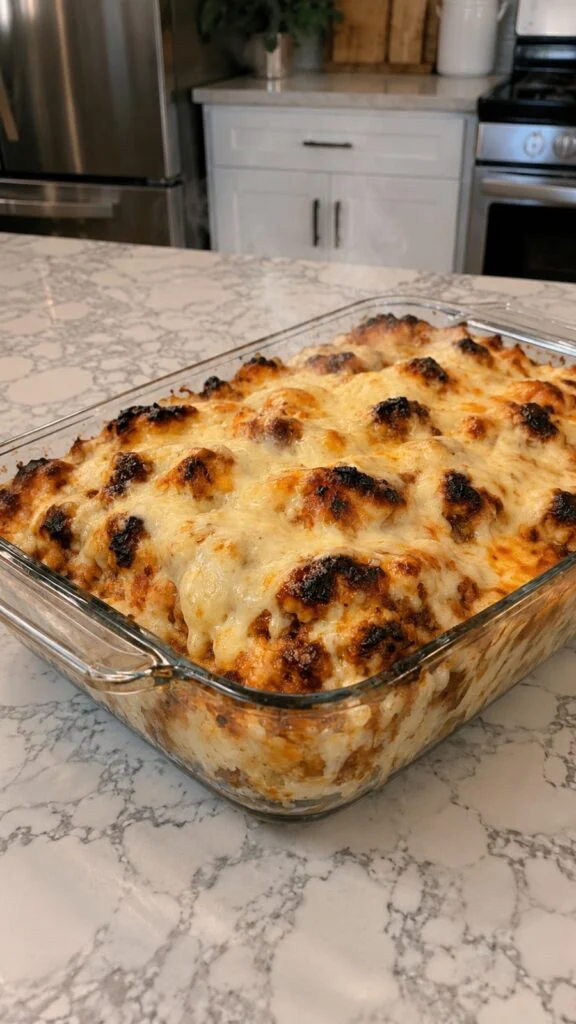
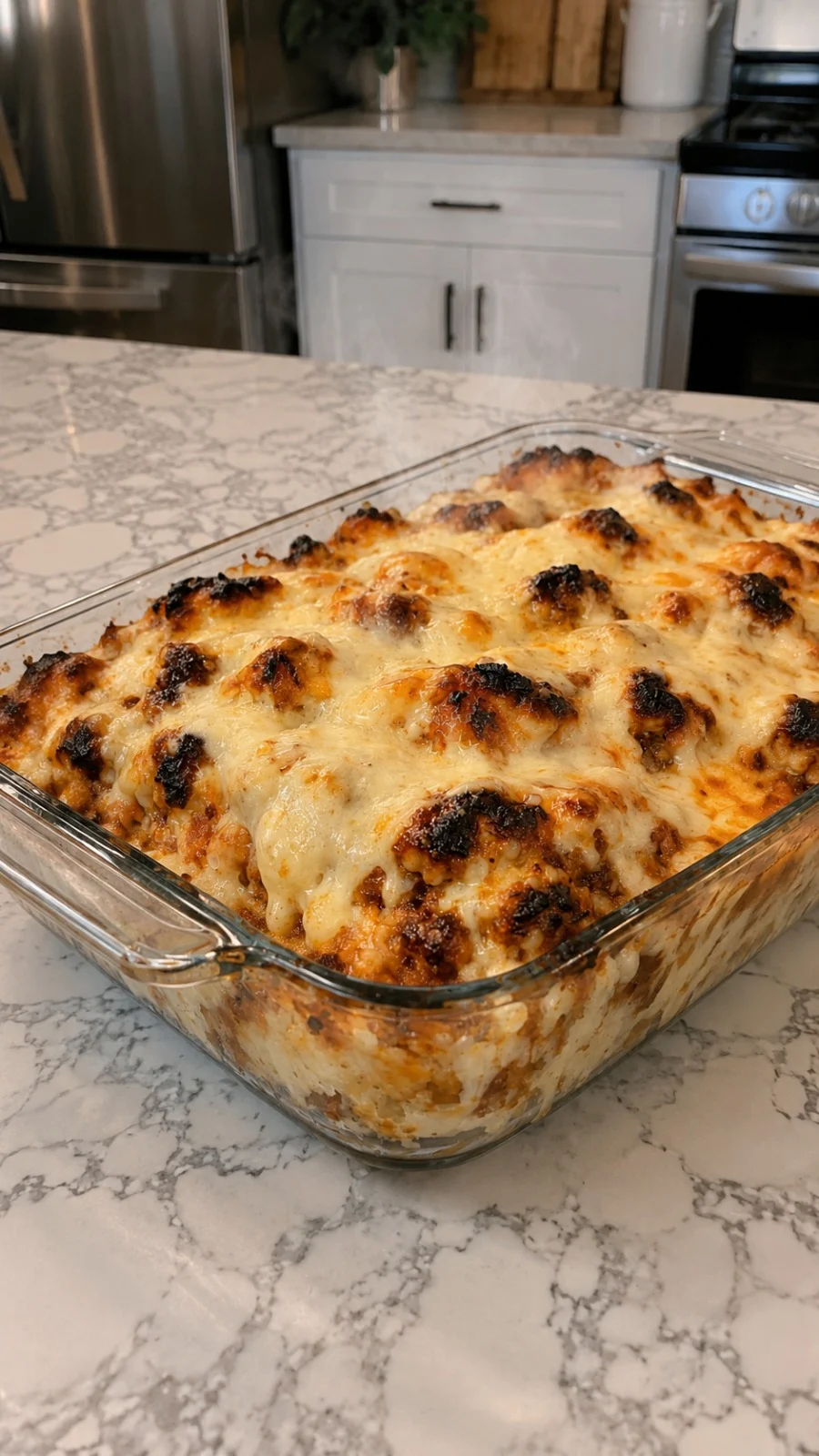
A Cheese-topped Casserole is the definition of comfort in a single dish. It combines a creamy, savory base with a golden, bubbling layer of melted cheese that creates a satisfying contrast between soft interior and crisp exterior. This dish shines when you need a hearty meal that feeds a crowd without demanding hours of active attention. The texture is rich and cohesive, holding together well enough to serve generous scoops while remaining tender on the inside. It is an ideal choice for busy weeknight dinners, potlucks where you want to bring something substantial, or chilly evenings when a warm, cheesy meal is exactly what is needed to unwind.
This recipe focuses on simplicity and reliability. By using standard pantry staples and common vegetables, it ensures that you can make this dish without hunting for obscure items. The result is a balanced meal that feels homemade but requires minimal effort. For more inspiration on comforting dishes like this one, Follow Hailee Recipes on Pinterest.
Why This Recipe Works
The success of a casserole often lies in the balance between moisture and structure. In this version, the creamy sauce acts as the binding agent, ensuring that every bite is moist and flavorful rather than dry or crumbly. The use of a starchy vegetable or pasta base absorbs the sauce effectively, preventing the dish from becoming soupy during baking. The cheese topping is not just decorative; it provides a crucial textural element. When baked until browned spots appear, the cheese develops a slight nuttiness and a crispy edge that contrasts beautifully with the soft layers beneath.
We rely on a simple roux-based sauce technique here, which is forgiving even for novice cooks. If the sauce thickens too much before baking, a splash of milk can easily adjust the consistency. Conversely, if it seems too thin, the starch from the main ingredient will thicken it further in the oven. This method eliminates the risk of a separated sauce, a common issue in rushed casseroles. The visual cue of a glass baking dish allows you to monitor the browning process easily, ensuring the cheese reaches that perfect golden state without burning.
Ingredients
To assemble this dish, you will need ingredients that are easy to find at any grocery store. The quantities below are calibrated to fill a standard 9×13 inch baking dish, providing ample servings for a family dinner.
- Butter: 4 tablespoons (half a stick), unsalted, cut into pieces.
- All-purpose flour: 1/3 cup, to create the thickening base for the sauce.
- Milk: 3 cups, whole milk works best for richness, but 2% is acceptable.
- Chicken broth: 1 cup, low-sodium preferred to control salt levels.
- Cheese blend: 4 cups shredded, divided. Use a mix of cheddar and mozzarella for optimal melt and flavor.
- Vegetables: 3 cups mixed, such as diced carrots, peas, corn, or green beans, cooked until tender-crisp.
- Protein: 2 cups cooked chicken breast or turkey, shredded or cubed. Leftover roasted meat works perfectly.
- Seasonings: 1 teaspoon garlic powder, 1 teaspoon onion powder, 1/2 teaspoon black pepper, and 1/2 teaspoon salt (adjust to taste).
- Breadcrumbs: 1/2 cup, plain or seasoned, for added crunch on top (optional).
How To Make Cheese-topped Casserole
- Prepare the Oven and Dish: Preheat your oven to 375°F (190°C). While the oven heats, grease a 9×13 inch glass baking dish with a little butter or cooking spray. This prevents sticking and makes cleanup easier later. If you are using breadcrumbs for extra crunch, you can lightly toast them in a dry pan while the oven preheats, though this step is optional.
- Create the Sauce Base: In a large saucepan over medium heat, melt the 4 tablespoons of butter. Once the butter is foaming, whisk in the flour immediately. Cook this mixture, stirring constantly, for about 1 to 2 minutes until it turns a light golden color. This step, known as making a roux, is essential for thickening the sauce without lumps.
- Build the Creamy Liquid: Slowly pour in the milk and chicken broth while whisking continuously. Adding the liquids gradually prevents clumping. Continue to cook the mixture over medium heat, stirring frequently, until it begins to bubble and thicken. This should take about 5 to 7 minutes. The sauce should coat the back of a spoon heavily by the time it is ready.
- Combine Ingredients: Remove the saucepan from the heat. Stir in half of the shredded cheese blend until it melts completely into the hot sauce. Add the garlic powder, onion powder, black pepper, and salt. Fold in the cooked vegetables and the protein (chicken or turkey) until everything is evenly coated in the creamy sauce. Taste the mixture now; add more salt or pepper if needed, keeping in mind that the cheese will add some saltiness.
- Assemble and Bake: Pour the entire mixture into the prepared glass baking dish, spreading it out evenly. Sprinkle the remaining cheese blend over the top. If using breadcrumbs, scatter them evenly over the cheese layer. Place the dish in the center of the preheated oven. Bake for 25 to 30 minutes. You are looking for the cheese to be fully melted with distinct browned spots on the surface and the edges to be bubbling vigorously.

Doneness And Troubleshooting
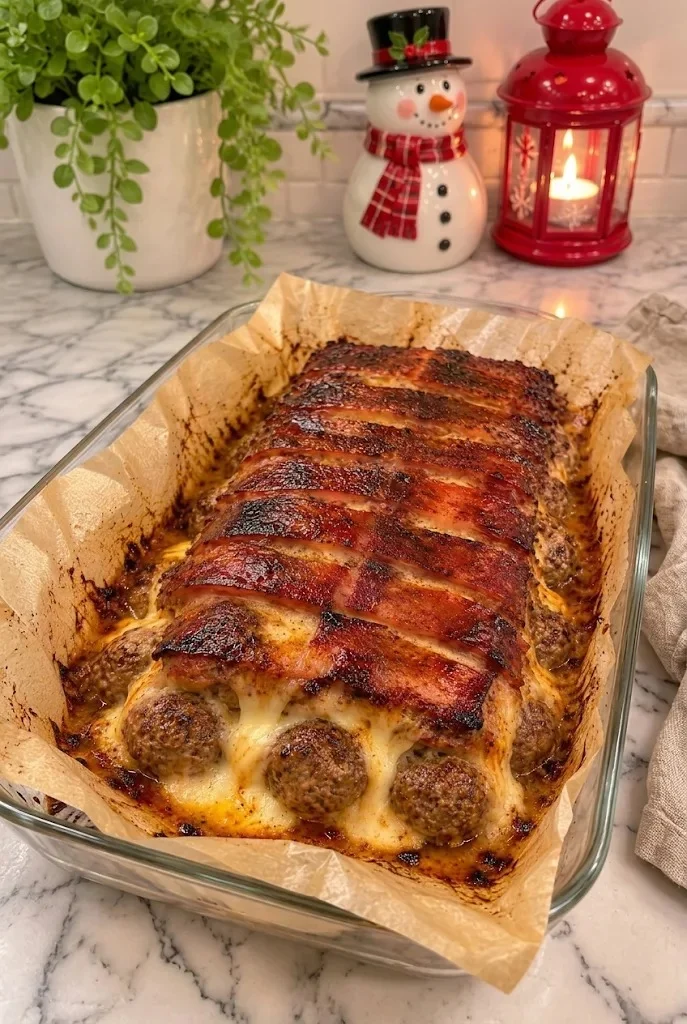
Knowing when the casserole is done is key to avoiding a dry or undercooked result. The primary visual cue is the bubbling around the edges of the dish. When you see the sauce bubbling up through the cheese, the interior is hot. The cheese on top should have developed golden-brown patches, indicating that the fats have rendered and the sugars have caramelized slightly. If the cheese browns too quickly before the center is hot, cover the dish loosely with aluminum foil for the remainder of the baking time.
If the sauce appears too thick after mixing, do not worry. It will loosen up slightly as it bakes. However, if it looks runny before going into the oven, you may need to bake it a few minutes longer to allow excess moisture to evaporate. Conversely, if the top burns before the center is heated through, tent the dish with foil. Always ensure the internal temperature of the casserole reaches at least 165°F (74°C) if it contains poultry, using a food thermometer inserted into the center for safety.
Substitutions And Variations
This recipe is flexible enough to accommodate various dietary needs and ingredient preferences. For a dairy-free version, substitute the butter with olive oil or a plant-based butter alternative, and use a high-quality dairy-free cheese blend that melts well. Note that some vegan cheeses may not brown as nicely as dairy cheese, so keep an eye on the oven.
You can easily swap the protein. Shredded rotisserie chicken is convenient, but ground beef, sausage, or even firm tofu work well if cooked and seasoned beforehand. For a vegetarian option, simply omit the meat and increase the vegetable content, perhaps adding white beans or chickpeas for extra protein. If you prefer a different vegetable profile, frozen broccoli florets or cauliflower work beautifully; just ensure they are blanched or steamed briefly before adding them to the sauce to ensure they are tender after baking.
For a spicier kick, add a pinch of cayenne pepper or red pepper flakes to the sauce mixture. If you want a heartier texture, stir in a cup of cooked rice or pasta directly into the mixture before baking. These additions will change the cooking time slightly, so check for doneness a few minutes earlier than the standard time.
Serving Suggestions
A Cheese-topped Casserole is a complete meal on its own, but it pairs wonderfully with fresh sides to balance the richness. A simple green salad with a vinaigrette dressing cuts through the creaminess of the dish. Steamed green beans or roasted asparagus also provide a nice textural contrast. For those who enjoy bread, a slice of crusty baguette or garlic bread is excellent for soaking up any leftover sauce.
This dish is particularly popular during cooler months, but it is versatile enough for year-round dining. It serves well as a main course for lunch or dinner. Because it holds heat well, it is an excellent candidate for serving at gatherings where food needs to stay warm for a period. Just remember to let it rest for a few minutes after removing it from the oven to allow the sauce to set slightly, making it easier to portion.
Storage And Reheating
Leftovers can be stored safely in the refrigerator. Allow the casserole to cool to room temperature within two hours of cooking, then transfer it to an airtight container or cover the baking dish tightly with plastic wrap or foil. It will keep well in the fridge for up to 3 to 4 days. For longer storage, you can freeze the casserole. Wrap the cooled dish securely in heavy-duty aluminum foil and place it in a freezer-safe bag or container. It can be frozen for up to 2 to 3 months.
To reheat, thaw frozen portions in the refrigerator overnight. Reheat individual servings in the microwave for 2 to 3 minutes, or reheat the whole dish in the oven at 350°F (175°C) covered with foil for about 20 minutes, removing the foil for the last 5 minutes to crisp the top. Avoid reheating multiple times, as this can degrade the texture of the cheese and vegetables. Always ensure the internal temperature reaches 165°F (74°C) before serving.
This Cheese-topped Casserole offers a reliable way to turn simple ingredients into a satisfying meal. With its creamy texture and golden finish, it is a dish that brings people together without requiring complex techniques. Whether you are feeding a hungry family or bringing a dish to a neighbor, this recipe delivers consistent results every time.
Cheese-topped Casserole
Ingredients
Method
- Preheat oven to 375°F (190°C) and grease a 9x13 inch glass baking dish.
- Melt butter in a saucepan over medium heat, whisk in flour, and cook for 1-2 minutes.
- Gradually whisk in milk and broth, cooking until the sauce thickens and bubbles.
- Stir in half the cheese and seasonings, then fold in vegetables and cooked chicken.
- Transfer to the baking dish, top with remaining cheese and breadcrumbs, and bake for 25-30 minutes until bubbly and golden.