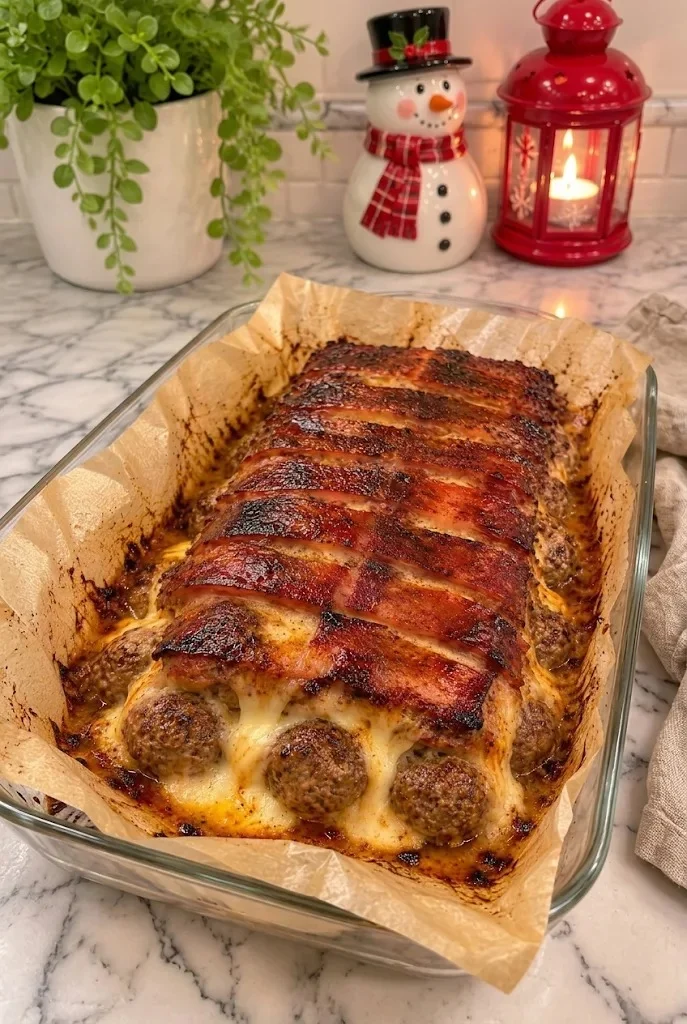
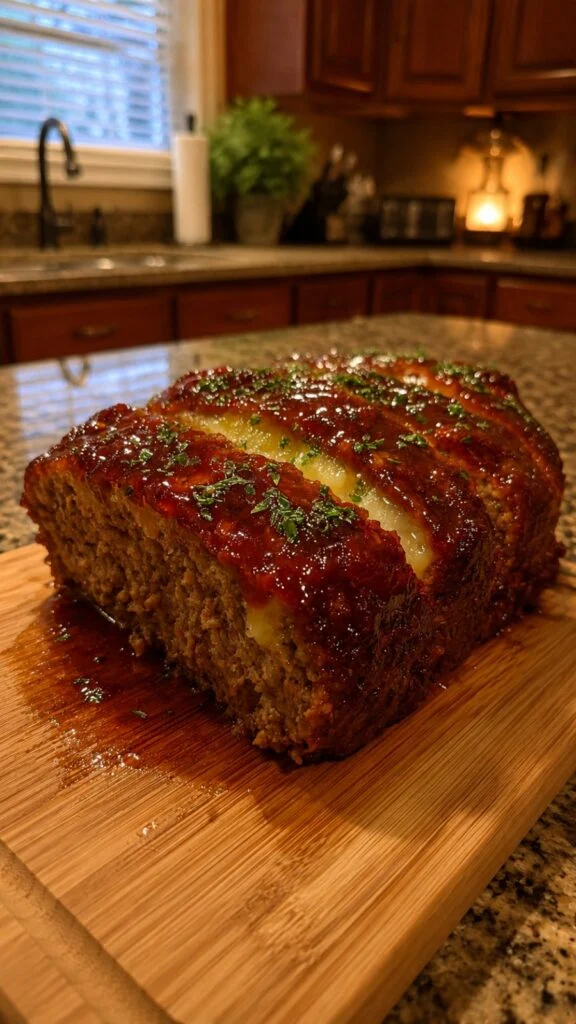
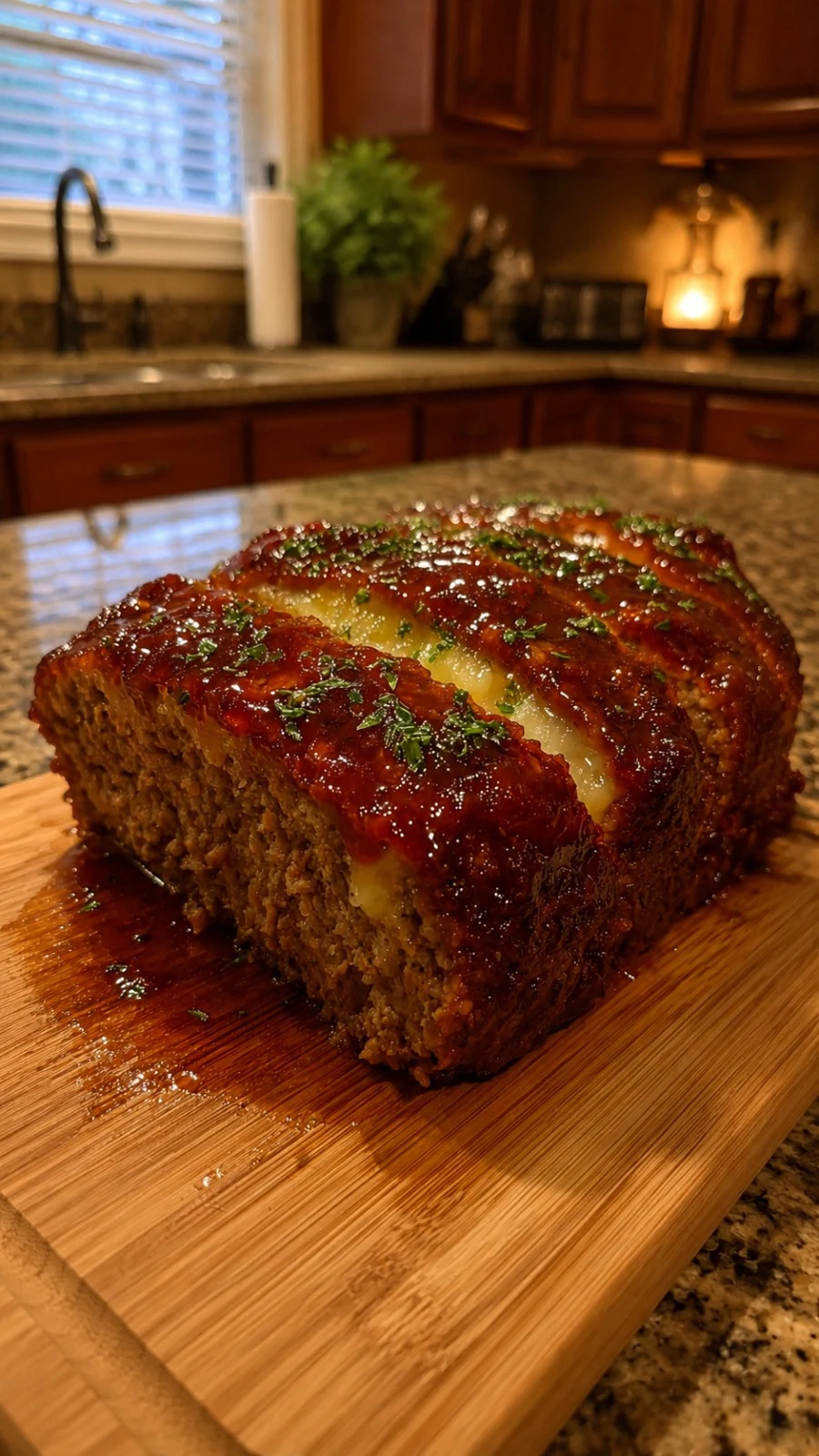
A classic meatloaf with brown sugar glaze is a comforting, savory main dish that balances rich umami flavors with a sweet and tangy finish. This dish features a tender mixture of ground beef, breadcrumbs, and aromatics, baked until the interior is moist and fully cooked. The defining characteristic is the glossy, caramelized coating formed by a simple blend of brown sugar, ketchup, and vinegar, which creates a delightful contrast to the savory meat beneath. It is an ideal choice for a weeknight dinner when you want something hearty without complex techniques, or for a family gathering where a familiar, crowd-pleasing meal is needed. The texture should be firm enough to slice cleanly yet soft enough to fall apart easily on the fork, offering a satisfying bite every time.
This recipe brings together traditional American comfort food elements in a streamlined format. It relies on pantry staples and straightforward methods, making it accessible for cooks of all experience levels. For those looking to explore more home-style dishes, Follow Hailee Recipes on Pinterest for additional inspiration and visual guides.
Why This Recipe Works
The success of this meatloaf lies in the balance between moisture retention and structural integrity. Using a combination of ground beef with a moderate fat content, typically around 80/20, ensures the loaf stays juicy during the long baking process without becoming greasy. The breadcrumbs act as a binder, absorbing the juices released by the meat and vegetables to prevent the loaf from drying out or crumbling when sliced.
The brown sugar glaze serves a dual purpose beyond just sweetness. As the meatloaf bakes, the sugars in the glaze undergo caramelization, creating a deep, rich flavor profile that complements the savoriness of the beef. The acidity from the ketchup and any added vinegar cuts through the richness of the meat, preventing the dish from feeling heavy. Applying the glaze in two stages allows the exterior to set before the final layer adds a sticky, shiny finish without burning. This method ensures the top remains intact and flavorful rather than becoming charred or overly dry.
Ingredients
To make this meatloaf, you will need the following ingredients. Ensure all items are measured accurately for the best results.
- Ground Beef: 2 pounds (900g), ideally 80% lean to 20% fat for optimal moisture.
- Breadcrumbs: 1 cup (80g) plain dried breadcrumbs; panko can be used for a slightly lighter texture.
- Milk: ½ cup (120ml) whole milk to soak the breadcrumbs.
- Egg: 1 large egg, beaten, to bind the mixture.
- Yellow Onion: 1 medium onion, finely diced.
- Garlic: 2 cloves, minced.
- Salt: 1 teaspoon kosher salt.
- Black Pepper: ½ teaspoon freshly ground black pepper.
- Dried Thyme: 1 teaspoon dried thyme leaves.
- Ketchup: ¾ cup (180g) divided for the mixture and glaze.
- Brown Sugar: ¼ cup (50g) packed light or dark brown sugar.
- Apple Cider Vinegar: 1 tablespoon.
- Worcestershire Sauce: 1 tablespoon.
How To Make Classic Meatloaf with Brown Sugar Glaze
- Prepare the Oven and Pan: Preheat your oven to 350°F (175°C). Line a standard 9×5 inch loaf pan with aluminum foil for easy cleanup, or use a rimmed baking sheet if you prefer a free-form loaf shape. If using a loaf pan, lightly grease the foil or the pan itself with cooking spray or a small amount of oil to prevent sticking.
- Soak the Breadcrumbs: In a small bowl, combine the milk and breadcrumbs. Let this mixture sit for about 5 minutes until the liquid is fully absorbed and the crumbs have softened into a paste-like consistency known as a panade. This step is crucial for ensuring a tender texture throughout the meatloaf.
- Mix the Meat Mixture: In a large mixing bowl, combine the ground beef, soaked breadcrumb mixture, beaten egg, diced onion, minced garlic, salt, pepper, dried thyme, Worcestershire sauce, and ¼ cup of the ketchup. Use your hands or a sturdy spoon to mix gently but thoroughly until all ingredients are evenly distributed. Avoid overmixing, as this can make the meat tough and dense.
- Shape and Initial Bake: Transfer the meat mixture into the prepared loaf pan or onto the baking sheet. Press the mixture firmly into the pan to eliminate air pockets, smoothing the top with wet hands. If using a baking sheet, shape the mixture into a uniform loaf approximately 9 inches long. Place the meatloaf in the preheated oven and bake uncovered for 45 minutes.
- Apply the Glaze and Finish Baking: While the meatloaf is baking, whisk together the remaining ½ cup of ketchup, the brown sugar, and apple cider vinegar in a small bowl until smooth. After the initial 45 minutes of baking, remove the meatloaf from the oven carefully. Brush half of the glaze mixture generously over the top of the loaf. Return the meatloaf to the oven and bake for another 15 to 20 minutes. Remove the tray again and brush on the remaining glaze. Bake for an additional 5 to 10 minutes, or until the internal temperature reaches 160°F (71°C).
- Cool and Serve: Once the meatloaf has reached the safe internal temperature, remove it from the oven. Let it rest in the pan or on the cutting board for at least 10 minutes before slicing. This resting period allows the juices to redistribute throughout the loaf, ensuring clean slices and maximum flavor.

Doneness And Troubleshooting
Visual cues and temperature checks are the most reliable ways to determine if your meatloaf is ready. The exterior should be deeply browned, and the glaze should be bubbling and slightly thickened. However, color alone can be misleading due to the sugar content in the glaze, so always rely on a meat thermometer inserted into the center of the loaf.
If the meatloaf appears to be browning too quickly before the inside is cooked, loosely tent a piece of aluminum foil over the top. This will shield the glaze from direct heat while allowing the interior to continue cooking. Conversely, if the center is not reaching 160°F (71°C) after the recommended time, extend the baking time in 5-minute increments, checking the temperature frequently.
A common issue is a dry or crumbly texture. This usually results from overmixing the meat or using leaner beef than recommended. If your loaf falls apart when sliced, it may have been undercooked or lacked sufficient binding agents. Always ensure the meat rests before cutting to allow the proteins to set properly.
Substitutions And Variations
You can adapt this recipe to suit dietary preferences or ingredient availability without compromising the core structure of the dish. If you prefer a different protein, ground pork or a 50/50 blend of beef and pork works well, though you may need to adjust the cooking time slightly as pork can cook faster. For a gluten-free version, substitute the regular breadcrumbs with certified gluten-free breadcrumbs or crushed gluten-free crackers.
Adding vegetables like grated carrots or zucchini can increase the nutritional value and add moisture, but be sure to squeeze out excess liquid from the vegetables before adding them to the mix to prevent the loaf from becoming soggy. If you enjoy a bit of heat, consider adding a pinch of red pepper flakes to the meat mixture or swapping the apple cider vinegar for a spicy chili sauce in the glaze.
For a dairy-free option, simply replace the milk with unsweetened almond milk, oat milk, or water. Note that the texture might be slightly less creamy, but the overall flavor profile will remain robust. When substituting ingredients, keep in mind that changes in moisture content or fat levels may alter the cooking time or the final texture of the loaf.
Serving Suggestions
This meatloaf pairs exceptionally well with classic side dishes that complement its savory and sweet notes. A serving of creamy mashed potatoes helps absorb the extra glaze and provides a soft contrast to the meat. Roasted root vegetables like carrots, parsnips, or Brussels sprouts add a nice earthy element and a touch of crunch.
Green beans, either steamed with butter or sautéed with garlic, offer a fresh, crisp counterpoint to the rich main course. A simple garden salad with a vinaigrette dressing can also cut through the heaviness of the meal. For a complete comfort plate, serve the meatloaf with a side of macaroni and cheese or a warm potato gratin.
Storage And Reheating
Leftover meatloaf can be stored safely in the refrigerator for up to 3 to 4 days. Allow the meatloaf to cool completely to room temperature before placing it in an airtight container or wrapping it tightly in plastic wrap or aluminum foil. Proper storage prevents the meat from drying out and keeps it safe from bacterial growth.
For longer storage, you can freeze the meatloaf. Wrap the cooled loaf tightly in plastic wrap and then in a layer of heavy-duty aluminum foil or place it in a freezer-safe bag. It can be frozen for up to 3 months. To reheat, thaw the meatloaf overnight in the refrigerator. Slice individual portions and reheat them in the microwave or in a 350°F (175°C) oven until warmed through. If reheating the whole loaf, cover it with foil to prevent the glaze from burning while the center heats up.
When reheating, avoid high temperatures that might cause the glaze to burn or the meat to become tough. Gentle warming preserves the moisture and texture of the original preparation.
Remember that precise measurements and careful handling of the meat mixture are key to achieving a delicious result. With these guidelines, you can prepare a reliable and satisfying meal that appeals to everyone at the table.
Classic Meatloaf with Brown Sugar Glaze
Ingredients
Method
- Preheat oven to 350°F (175°C). Line a 9x5 inch loaf pan with foil or prepare a baking sheet.
- Combine milk and breadcrumbs in a small bowl; let sit for 5 minutes until absorbed.
- In a large bowl, mix ground beef, breadcrumb mixture, egg, onion, garlic, salt, pepper, thyme, Worcestershire sauce, and ¼ cup ketchup. Mix gently.
- Press mixture into the pan or shape into a loaf. Bake for 45 minutes.
- Whisk remaining ketchup, brown sugar, and vinegar. Brush half over the loaf. Bake 15-20 minutes. Brush with remaining glaze. Bake 5-10 minutes more until internal temp reaches 160°F (71°C).
- Rest for 10 minutes before slicing.