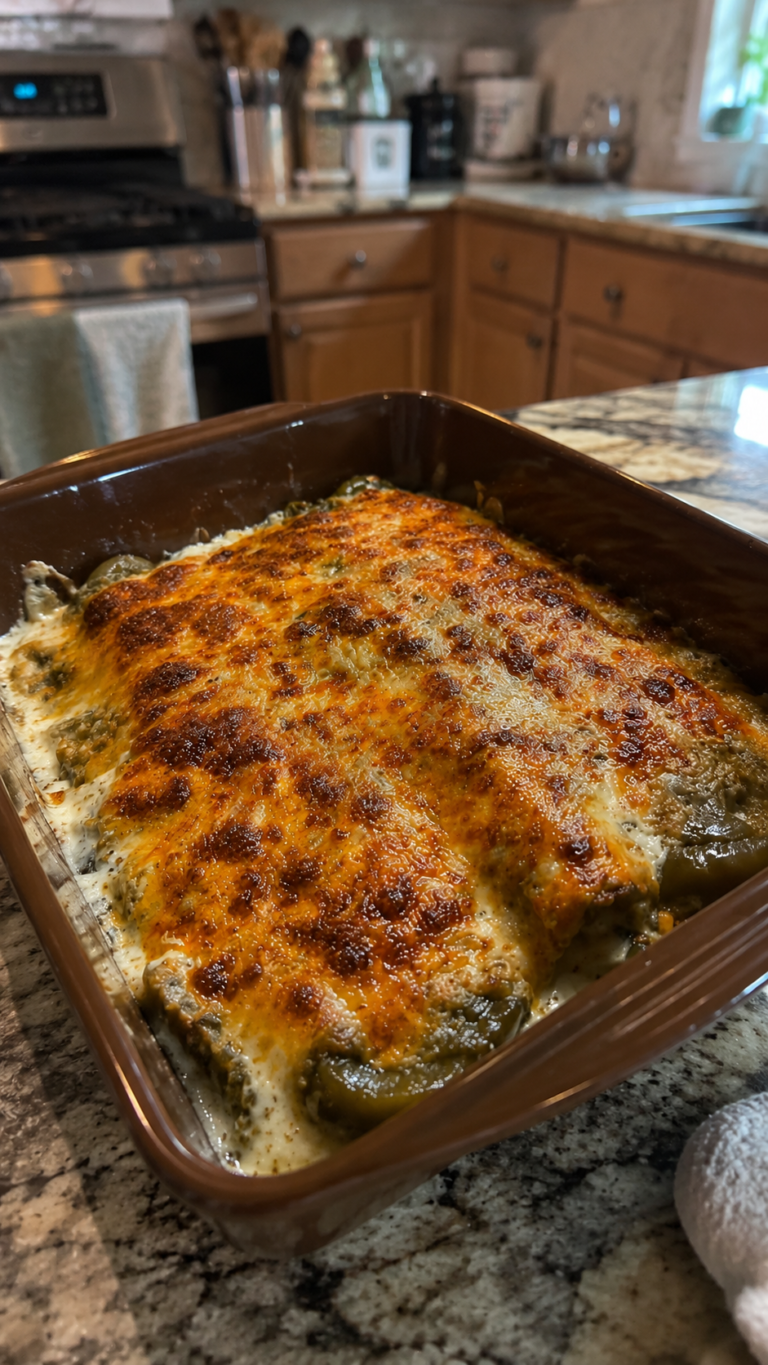
crepe lasagna
crepe lasagna
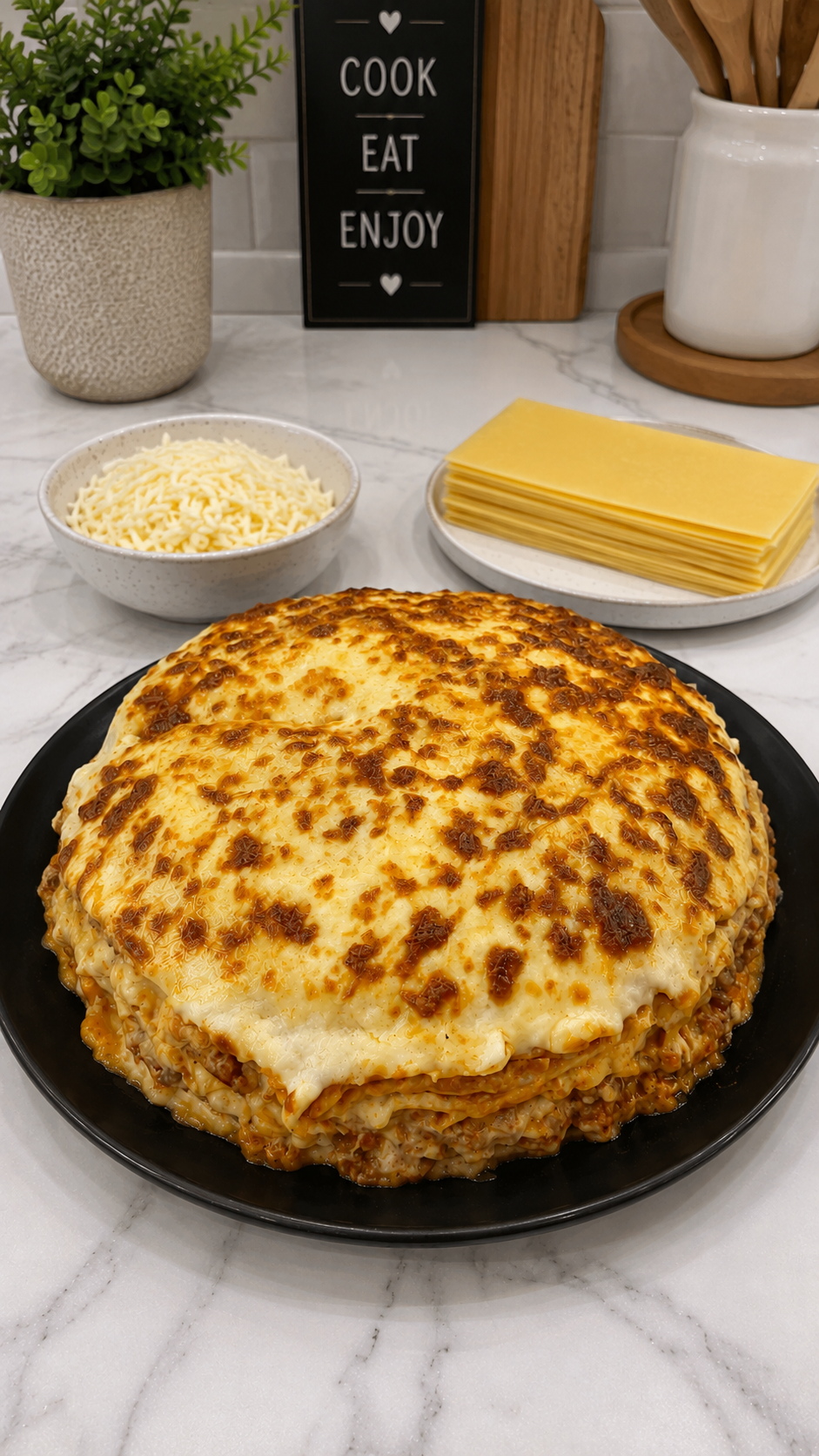
Crepe lasagna transforms the classic Italian comfort food into a lighter, more delicate version that is easy to assemble and elegant enough for any gathering. Instead of thick, rigid pasta sheets, this dish uses thin, tender crepes to create layers that are soft yet substantial, holding rich meat sauce or creamy vegetable fillings with grace. The texture is distinctively smooth, offering a pleasant contrast between the slightly crisp edges of the baked crepes and the savory, bubbling cheese on top. This approach is particularly useful when you need a meal that feels special but requires less time than traditional lasagna, making it an ideal choice for busy weeknights or casual dinner parties where you want to impress without spending hours in the kitchen.
This recipe delivers a balanced meal that satisfies hearty appetites while remaining approachable for cooks of all skill levels. The structure relies on the natural flexibility of the crepe batter, which eliminates the need for boiling water or pre-cooking pasta sheets. By layering the components directly, you achieve a cohesive dish where every bite contains a harmonious mix of sauce, filling, and dough. For those looking to explore more delicious creations, Follow Hailee Recipes on Pinterest to discover additional ideas for family-friendly meals and seasonal favorites.
Why This Recipe Works
The success of this dish lies in the substitution of standard lasagna noodles with crepes, which fundamentally changes the cooking dynamics. Traditional lasagna requires boiling water and precise timing to prevent the pasta from becoming mushy or staying too hard. Crepes, however, are already cooked during their preparation, meaning they only need to be heated through in the oven. This significantly reduces the active cooking time and removes a common point of failure for home cooks.
Furthermore, the thinness of the crepes allows the flavors of the sauce and filling to penetrate more effectively than with thicker pasta sheets. There is no barrier of dense starch; instead, the crepes act as a sponge, absorbing the moisture from the tomato or béchamel sauce to become tender and flavorful. This results in a final product that is moist throughout rather than having dry pockets of pasta. The layering process is also faster because you do not need to wait for water to boil or drain heavy pots of noodles, streamlining the entire assembly line.
Ingredients
To make this dish, you will need ingredients that are commonly found in most pantries and refrigerators. The list focuses on creating a robust flavor profile without unnecessary complexity.
- For the Crepes: 1 cup all-purpose flour, 2 large eggs, 1 ¼ cups whole milk, 2 tablespoons unsalted butter (melted), ½ teaspoon salt, and a pinch of black pepper.
- For the Filling: 1 pound ground beef or Italian sausage, 1 medium yellow onion (finely diced), 3 cloves garlic (minced), 1 jar (24 ounces) marinara sauce, 1 cup ricotta cheese, 1 large egg (for binding), 1 teaspoon dried basil, 1 teaspoon dried oregano, ½ teaspoon salt, and ½ teaspoon black pepper.
- For the Topping: 2 cups shredded mozzarella cheese, ½ cup grated Parmesan cheese, and fresh parsley for garnish.
How To Make Crepe Lasagna
- Prepare the Crepes: In a medium bowl, whisk together the flour, eggs, milk, melted butter, salt, and pepper until the batter is completely smooth and free of lumps. Let the batter rest for 10 minutes while you prepare the other components. Heat a non-stick skillet over medium heat and lightly grease it with butter or oil. Pour about ¼ cup of batter into the center of the pan, tilting it quickly to coat the bottom in a thin, even layer. Cook for 1-2 minutes until the edges lift easily and the surface looks set, then flip and cook for another 30 seconds. Transfer the crepe to a plate and repeat until you have 8 to 10 crepes, stacking them with a piece of parchment paper between each to prevent sticking.
- Cook the Meat Mixture: While the crepes cool, place a large skillet over medium-high heat. Add the ground beef or sausage and break it apart with a wooden spoon. Cook until browned and no pink remains, about 6 to 8 minutes. Drain excess fat if necessary. Stir in the diced onion and minced garlic, cooking for another 3 minutes until the onion is translucent and fragrant. Pour in the marinara sauce, basil, oregano, salt, and pepper. Simmer the mixture for 5 minutes to allow the flavors to meld, then remove from heat.
- Assemble the Cheese Filling: In a separate small bowl, combine the ricotta cheese, the second egg, and half of the mozzarella cheese. Mix until well blended. This ricotta mixture will add a creamy texture that contrasts with the savory meat sauce.
- Layer the Dish: Preheat your oven to 375°F (190°C). Spread a thin layer of the meat sauce on the bottom of a 9×13 inch baking dish to prevent sticking. Place one crepe flat in the dish, overlapping slightly if necessary to cover the area. Spread a generous layer of the ricotta mixture over the crepe, followed by a ladle of the meat sauce. Sprinkle a little mozzarella on top. Repeat this layering process three times, ending with a crepe on top. Pour any remaining meat sauce over the final layer and cover generously with the remaining mozzarella and the Parmesan cheese.
- Bake Until Golden: Cover the baking dish tightly with aluminum foil. Bake for 25 minutes. Remove the foil and continue baking for an additional 10 to 15 minutes, or until the cheese is bubbly and has developed golden-brown spots. If the top browns too quickly before the center is hot, tent loosely with foil again. Let the dish rest for 10 minutes before slicing to allow the layers to set.
Doneness And Troubleshooting
Knowing when the crepe lasagna is fully cooked involves checking both the visual cues and the internal temperature. The cheese topping should be deeply melted with some browned bubbles, indicating the heat has penetrated the layers. When you insert a knife into the center, it should slide in with no resistance, and the sauce should be bubbling vigorously around the edges. If the top is browning too fast but the center feels cold, cover it with foil and return it to the oven for a few more minutes.
If the crepes seem dry after baking, it may indicate that the sauce ratio was too low. Always ensure there is enough liquid sauce to keep the crepes moist during the baking process. Conversely, if the dish seems too soupy, it might be due to using a watery marinara sauce or adding too much ricotta without draining it first. Letting the dish rest for the full 10 minutes is crucial; this pause allows the proteins in the cheese and eggs to firm up, making slicing clean and neat rather than messy.
Substitutions And Variations
This recipe is flexible enough to accommodate various dietary needs and ingredient preferences. For a vegetarian version, simply omit the meat and replace it with sautéed mushrooms, spinach, or zucchini. You can also use a plant-based ground substitute if preferred. If you prefer a white sauce base, swap the marinara for a homemade béchamel sauce made with butter, flour, and milk, though this will alter the flavor profile to be creamier and less acidic.
Dairy-free options are possible by using almond milk or oat milk for the crepes and substituting the cheeses with vegan alternatives, though note that vegan cheeses may melt differently and might not brown as nicely. Gluten-free adaptations work well by using a 1:1 gluten-free flour blend for the crepes. Keep in mind that gluten-free flours sometimes absorb liquid differently, so you may need to adjust the milk quantity slightly to achieve the right pourable consistency for the batter.
Serving Suggestions
Because the dish is rich and savory, it pairs beautifully with simple sides that provide a textural contrast. A crisp green salad with a light vinaigrette cuts through the richness of the cheese and meat. Garlic bread or crusty baguette slices are excellent for soaking up any extra sauce left in the pan. Fresh herbs like basil or parsley sprinkled on top just before serving add a pop of color and freshness. For a complete meal, serve with roasted vegetables such as broccoli or asparagus to balance the heaviness of the pasta layers.
Storage And Reheating
Leftover crepe lasagna can be stored in an airtight container in the refrigerator for up to four days. It is best to let the dish cool completely before covering it to prevent condensation from making the top layer soggy. When reheating, individual portions can be microwaved for 2-3 minutes, covered with a damp paper towel to retain moisture. For larger portions, reheat in the oven at 350°F (175°C) covered with foil for about 20 minutes, removing the foil for the last 5 minutes to crisp the cheese.
You can also freeze the assembled, unbaked lasagna. Wrap the dish tightly in plastic wrap and then aluminum foil. Freeze for up to three months. To bake from frozen, thaw overnight in the refrigerator, then follow the original baking instructions, adding an extra 10-15 minutes to the covered baking time. Do not refreeze once thawed.
This method offers a reliable way to enjoy a layered pasta dish without the hassle of traditional noodle preparation. The result is a comforting, flavorful meal that respects the time of the cook while delivering a satisfying dining experience for everyone at the table.
crepe lasagna
Ingredients
Method
- Whisk flour, eggs, milk, butter, salt, and pepper for crepes. Rest batter 10 minutes. Cook crepes in a skillet, stacking with parchment paper.
- Brown meat with onion and garlic. Add marinara, spices, and simmer 5 minutes.
- Mix ricotta, egg, and half the mozzarella in a bowl.
- Layer meat sauce, crepe, ricotta mixture, and sauce in a 9x13 dish. Repeat 3 times. Top with remaining cheese.
- Bake covered at 375°F for 25 minutes. Uncover and bake 10-15 minutes until bubbly. Rest 10 minutes before serving.