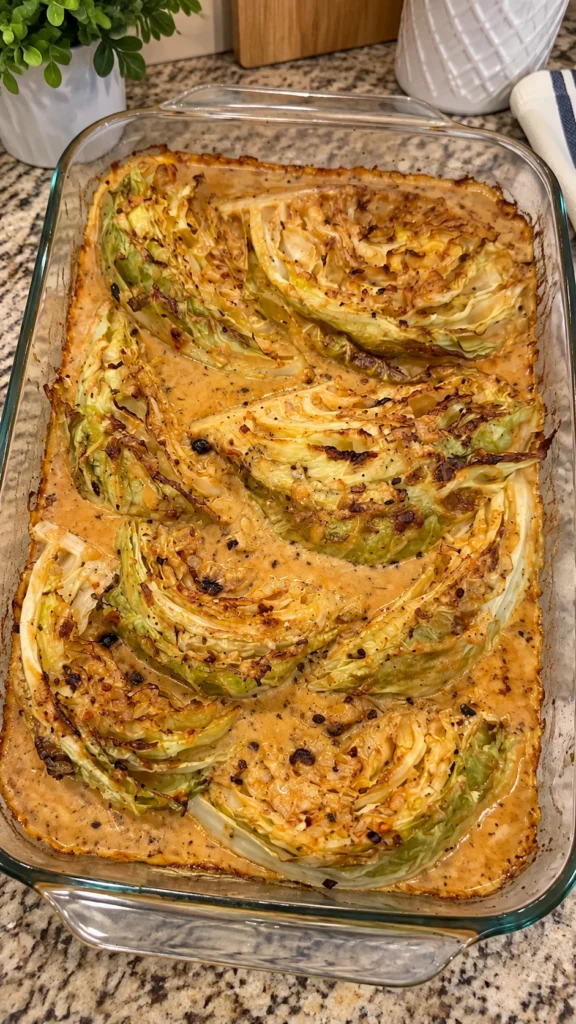
Garlic Butter Cabbage
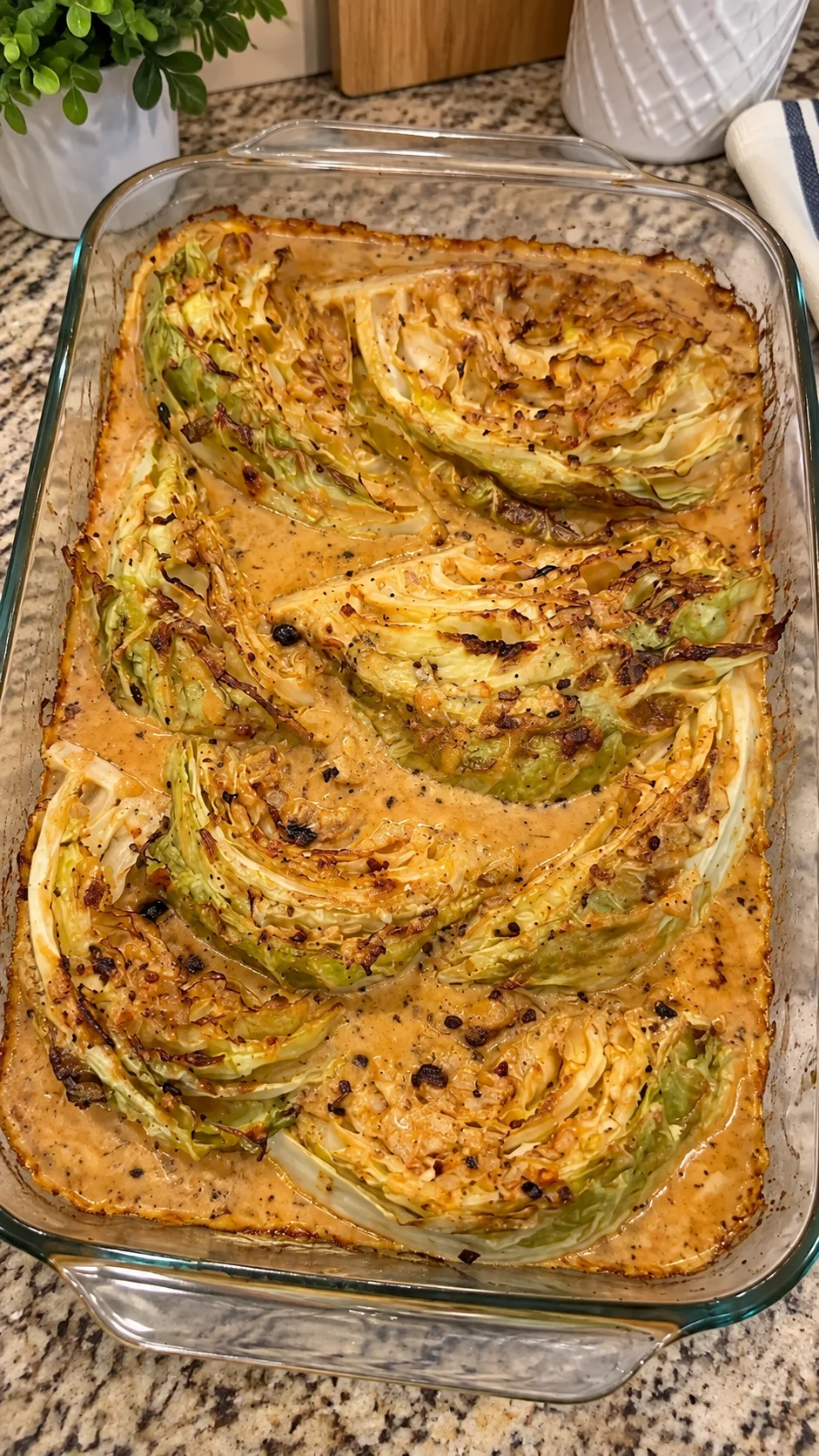
Garlic Butter Cabbage
This dish transforms humble cabbage leaves into a rich, savory side that balances earthy sweetness with the deep aroma of browned butter and fresh garlic. The texture is intentionally tender-crisp, offering a satisfying bite without turning mushy or slimy. It shines as a quick accompaniment to roasted meats, grilled sausages, or hearty fish fillets, requiring only minutes of active time while delivering restaurant-quality flavor. The simplicity of the ingredients allows the natural sugars in the cabbage to caramelize slightly in the fat, creating a complex profile that feels comforting yet refined. Whether you are looking for a low-carb alternative to mashed potatoes or a way to use up a head of cabbage before it wilts, this preparation delivers consistent results every time.
For more visual inspiration and weekly recipe updates, Follow Hailee Recipes on Pinterest.
Why This Recipe Works
The success of this dish relies on managing moisture and heat simultaneously. Cabbage contains a high water content that can easily steam the vegetable if the pan is overcrowded or the heat is too low, resulting in a soggy texture. By using a wide skillet over medium-high heat, the water evaporates quickly, allowing the surface of the cabbage to sear rather than boil. This searing process triggers the Maillard reaction, which develops those desirable nutty, toasted notes that define the dish.
Adding butter at the right moment is equally critical. If added too early, the milk solids in the butter will burn before the cabbage is cooked through, imparting a bitter taste. By waiting until the cabbage has softened and released some of its liquid, then finishing with cold butter off the heat or lowering the temperature, the butter emulsifies with the cabbage juices to create a glossy, cohesive sauce. Fresh garlic is added near the end because it burns rapidly; cooking it just until fragrant ensures a bright, aromatic punch without the harshness of charred bits.
Ingredients
- Cabbage: 1 medium head (about 2 to 2.5 pounds), green or Savoy cabbage works best. Green cabbage offers a firmer crunch, while Savoy is more tender and holds sauce well.
- Unsalted Butter: 4 tablespoons (½ stick). Using unsalted butter allows you to control the salt level precisely.
- Garlic: 3 to 4 large cloves, minced or thinly sliced. Minced distributes flavor evenly, while slices provide distinct bursts of sweetness.
- Salt: ¾ teaspoon kosher salt, plus more to taste. Kosher salt dissolves easily and seasons the vegetable effectively.
- Black Pepper: ¼ teaspoon freshly ground black pepper. Adds a mild warmth that complements the butter.
- Acid (Optional): 1 tablespoon lemon juice or apple cider vinegar. A splash of acid brightens the heavy richness of the butter.
How To Make Garlic Butter Cabbage
- Prepare the Cabbage: Remove any tough outer leaves from the cabbage head. Cut the cabbage in half vertically through the core, then remove the hard white core with a sharp knife. Slice the cabbage into wedges about 1 inch thick, ensuring each wedge retains some of the core structure to hold the layers together during cooking. Alternatively, for smaller pieces, shred the cabbage into ribbons about ½ inch wide. Place the prepared cabbage in a bowl and set aside.
- Heat the Pan and Melt Butter: Select a large, heavy-bottomed skillet or sauté pan, ideally one with straight sides to prevent splattering. Place the pan over medium-high heat and add the 4 tablespoons of butter. Allow the butter to melt completely and begin to foam. Watch closely as the foam subsides; you want the butter to turn a light golden color but not brown deeply yet, as this indicates the milk solids are starting to toast.
- Sear the Cabbage: Carefully add the cabbage to the hot pan in a single layer. Do not crowd the pan; if necessary, cook in two batches to ensure proper evaporation. Let the cabbage sit undisturbed for 2 to 3 minutes to develop a light golden-brown sear on the bottom. Toss the cabbage thoroughly to coat all pieces in the melted butter. Continue to cook, tossing every minute, for about 8 to 10 minutes total. The cabbage should reduce in volume by nearly half and become tender when pierced with a fork, but still retain a slight snap.
- Add Garlic and Season: Once the cabbage is tender-crisp, push the vegetables to the sides of the pan to create a small well in the center, or simply lower the heat to medium. Add the minced garlic to the pan. Stir constantly for about 30 to 60 seconds until the garlic becomes fragrant and turns a pale gold. Be careful not to let the garlic burn, as this will ruin the flavor of the entire dish. Immediately sprinkle the salt and black pepper over the mixture and toss to distribute evenly.
- Finish and Serve: Remove the pan from the heat. If using, stir in the lemon juice or vinegar now. Taste the cabbage and adjust the seasoning with additional salt if needed. Transfer the garlic butter cabbage immediately to a serving dish while hot. The residual heat will continue to soften the cabbage slightly, so serve promptly to maintain the desired texture.

Doneness And Troubleshooting
Knowing when the cabbage is ready involves both sight and touch. The ideal doneness is when the leaves have turned a vibrant, translucent green and offer resistance when bitten, similar to al dente pasta. If the cabbage is still crunchy and raw-tasting after 10 minutes, cover the pan with a lid for 1 to 2 minutes to trap steam and finish the cooking process, then uncover to crisp the edges again. Conversely, if the cabbage looks wilted and gray, it has been overcooked; the next batch requires higher heat and less covering.
If the garlic begins to darken too quickly, remove the pan from the heat source immediately and stir vigorously to cool the garlic down. You can also add a tiny splash of water to stop the cooking process instantly. For a dish that tastes flat, the issue is often under-seasoning. Cabbage absorbs salt well, so do not be shy with the initial ¾ teaspoon, but always taste before adding more. If the dish feels too heavy or greasy, a squeeze of fresh lemon juice cuts through the fat and restores balance.
Substitutions And Variations
While the classic version relies on butter and garlic, there are several ways to adapt this dish based on dietary needs or flavor preferences. For a dairy-free option, substitute the butter with olive oil or avocado oil. Note that olive oil will not provide the same creamy mouthfeel as butter, so consider adding a teaspoon of nutritional yeast or a pinch of miso paste to mimic the umami depth. If you prefer a spicier profile, add a pinch of red pepper flakes along with the garlic to infuse a gentle heat throughout the dish.
You can also introduce other aromatics to complement the garlic. Sliced shallots or onions work well if sautéed alongside the cabbage, though they require a few extra minutes to soften compared to garlic. Fresh herbs like parsley, thyme, or chives can be stirred in at the very end to add freshness and color. For a sweeter variation, a teaspoon of honey or maple syrup added with the butter can enhance the natural sugars in the cabbage, creating a glaze-like effect.
Serving Suggestions
This versatile side pairs exceptionally well with proteins that benefit from a savory, acidic counterpoint. Roasted pork chops, glazed ham, or pan-seared salmon are classic choices where the richness of the meat meets the brightness of the cabbage. It also serves as an excellent base for grain bowls or wraps, adding volume and nutrients without overwhelming the main components. For a complete vegetarian meal, serve the cabbage alongside fried eggs, grilled tofu, or a simple quinoa salad.
If you are hosting a dinner party, garnish the finished dish with toasted slivered almonds or crushed walnuts for added texture. A final dusting of flaky sea salt on top adds a nice visual contrast and a burst of salinity with every bite. The dish is best served immediately, but it can be kept warm in a covered dish for up to 15 minutes without significant loss of quality.
Storage And Reheating
Leftover garlic butter cabbage can be stored in an airtight container in the refrigerator for up to 3 days. As the dish cools, the butter will solidify, and the cabbage may release additional liquid. When reheating, avoid the microwave if possible, as it tends to make the cabbage rubbery and unevenly heated. Instead, place the leftovers in a skillet over medium-low heat with a splash of water or broth to loosen the sauce. Stir gently until warmed through, which usually takes 3 to 5 minutes.
Freezing is not recommended for this dish. The high water content in the cabbage causes ice crystals to form, which breaks down the cell walls. Upon thawing, the cabbage will become mushy and watery, losing the pleasant texture that defines the recipe. For the best results, prepare the dish fresh whenever possible. If you must prep ahead, you can chop the cabbage and mince the garlic separately and store them in the fridge for up to 2 days, then combine and cook just before serving.
Remember that food safety is paramount. Always discard any leftovers that have been left at room temperature for more than two hours. When reheating, ensure the internal temperature reaches at least 165°F (74°C) to eliminate any potential bacteria growth.
Garlic Butter Cabbage
Ingredients
Method
- Core the cabbage and slice into 1-inch wedges or ribbons.
- Melt butter in a large skillet over medium-high heat until foaming.
- Add cabbage and sear undisturbed for 2-3 minutes, then toss and cook for 8-10 minutes until tender-crisp.
- Lower heat, add garlic, and cook for 30-60 seconds until fragrant.
- Season with salt and pepper, remove from heat, and stir in lemon juice if using.