Glazed Baked Chicken Thighs
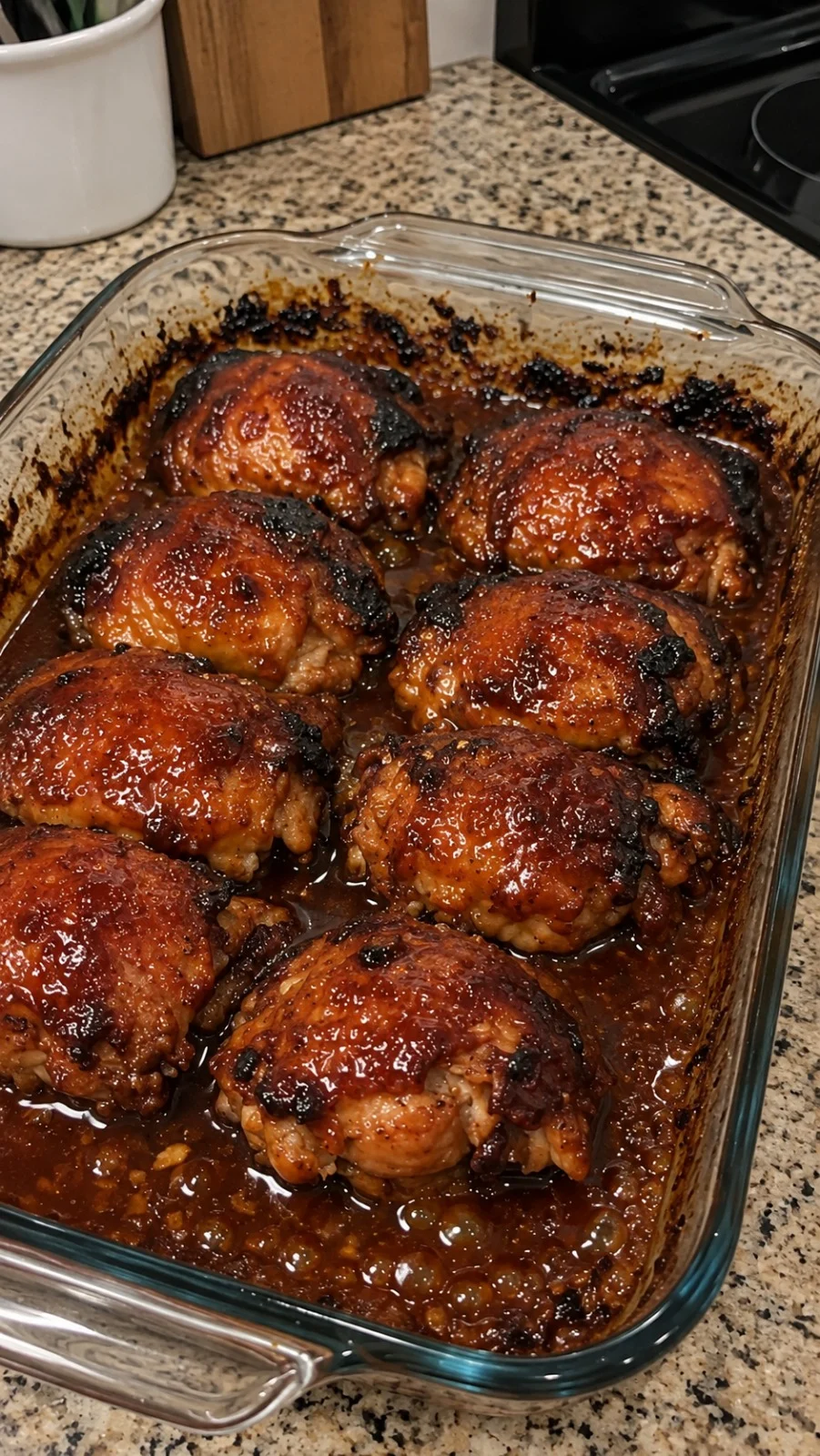
Glazed Baked Chicken Thighs
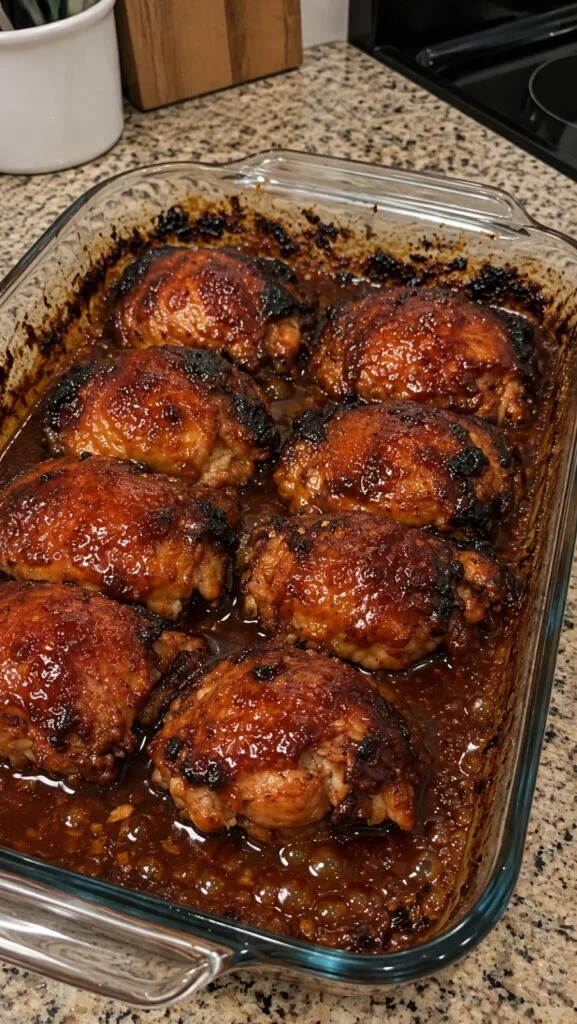
Glazed Baked Chicken Thighs deliver a rich, savory-sweet flavor profile with tender, juicy meat that easily pulls away from the bone. The visual appeal is striking, featuring a deep, dark brown glaze that clings to the skin and creates satisfyingly charred edges when exposed to high heat. This dish is particularly useful for busy weeknight dinners or casual Sunday gatherings where you want a substantial main course that requires minimal active effort. Unlike lean chicken breasts, which can dry out quickly in the oven, bone-in, skin-on thighs remain moist even after prolonged baking, making them forgiving for home cooks of all skill levels. The glaze transforms simple pantry staples into a restaurant-quality meal, offering a balance of sweetness and umami that pairs beautifully with roasted vegetables or a crisp green salad.
If you are looking for more delicious dinner inspiration, Follow Hailee Recipes on Pinterest to discover a wide array of tested recipes designed for real kitchens.
Why This Recipe Works
The success of this dish relies on the specific properties of the chicken thigh and the chemistry of the glaze. Bone-in, skin-on thighs contain more connective tissue and fat than breast meat. As they bake, this fat renders slowly, basting the meat from the inside while keeping it succulent. The skin acts as a protective barrier, preventing the muscle fibers from tightening too much and squeezing out moisture. When the oven temperature is set high enough, usually around 400°F (200°C), the skin crisps up rapidly, creating a textural contrast against the soft, falling-apart meat underneath.
The glaze itself is formulated to caramelize without burning. A combination of sugar and acidic components like vinegar or citrus juice creates a sticky coating that adheres well to the uneven surface of the chicken. By applying the glaze in stages rather than all at once, we allow the sugars to build layers of depth. The initial application helps form a crust, while the final coat adds a glossy finish and intense flavor just before the chicken is done. This method ensures that the exterior is flavorful and slightly charred, while the interior remains perfectly cooked and juicy.
Ingredients
To make this recipe, you will need a few core ingredients that work together to create the signature flavor. Ensure your chicken is fresh and pat it dry before seasoning to help the skin crisp properly. You will also need a small amount of oil to assist in conducting heat and preventing sticking.
- Chicken Thighs: 6 large bone-in, skin-on chicken thighs (about 2 to 2.5 pounds total). Do not use boneless thighs for this method, as they will cook too quickly and lose moisture.
- Soy Sauce: 1/3 cup. This provides the essential salty, umami base for the glaze.
- Brown Sugar: 1/4 cup, packed. Light or dark brown sugar works; dark sugar offers a deeper molasses note.
- Honey: 2 tablespoons. This adds floral sweetness and helps the glaze achieve a shiny, sticky consistency.
- Rice Vinegar: 1 tablespoon. The acidity cuts through the richness of the chicken and balances the sweetness.
- Garlic: 3 cloves, minced finely. Fresh garlic provides a pungent aroma that infuses the meat during baking.
- Ginger: 1 teaspoon, freshly grated. Ginger adds a warm, spicy undertone that complements the soy sauce.
- Sesame Oil: 1 teaspoon. Use toasted sesame oil for its distinct nutty fragrance.
- Black Pepper: 1/2 teaspoon, freshly ground.
- Cooking Oil: 1 tablespoon neutral oil (like vegetable or canola) for brushing the pan or drizzling over the chicken.
- Salt: 1/2 teaspoon, or to taste, depending on the saltiness of your soy sauce.

How To Make Glazed Baked Chicken Thighs
- Prepare the Oven and Pan: Preheat your oven to 400°F (200°C). Line a large rimmed baking sheet with aluminum foil for easy cleanup, then place a wire rack on top of the foil. Placing the chicken on a wire rack allows hot air to circulate underneath the thighs, ensuring the skin crisps evenly on all sides rather than steaming in its own juices. If you do not have a wire rack, you can place the chicken directly on the foil-lined pan, though the bottom skin may be less crispy.
- Season the Chicken: Pat the chicken thighs completely dry with paper towels. This step is crucial for achieving crispy skin. Place the thighs on the prepared wire rack, skin-side up. Drizzle the neutral cooking oil lightly over the skin and rub it in gently. Sprinkle the black pepper and salt evenly over both sides of the chicken. The salt should be applied just before baking to avoid drawing out too much moisture prematurely.
- Make the Glaze: While the oven preheats, combine the soy sauce, brown sugar, honey, rice vinegar, minced garlic, grated ginger, and sesame oil in a small saucepan over medium-low heat. Whisk continuously until the brown sugar has fully dissolved and the mixture begins to bubble gently. Let it simmer for about 2 minutes to thicken slightly, then remove from heat. Set aside about one-third of this glaze in a separate bowl to use later as a finishing sauce; the rest will be used for basting.
- Initial Bake: Place the baking sheet in the center of the preheated oven. Bake the chicken for 20 minutes. During this time, the skin will begin to render and turn golden. Remove the pan carefully and brush the chicken thighs generously with the reserved portion of the glaze (the two-thirds you kept back for now). Return the pan to the oven and continue baking for another 15 to 20 minutes.
- Final Glazing and Char: Check the chicken after the second interval. If the skin is not yet deeply browned or charred at the edges, brush the remaining glaze over the thighs one last time. Return the chicken to the oven for an additional 5 to 10 minutes. Watch closely during this final stage, as the sugars in the glaze can burn quickly. The chicken is ready when the internal temperature reaches 165°F (74°C) and the glaze has bubbled and caramelized into a dark, sticky coating.
- Rest and Serve: Remove the chicken from the oven and let it rest on the wire rack for 5 to 10 minutes. This resting period allows the juices to redistribute throughout the meat, ensuring every bite is moist. Transfer the thighs to a serving platter and spoon any extra glaze from the pan over the top if desired.
Doneness And Troubleshooting
Ensuring your chicken is perfectly cooked involves watching for specific visual cues and using a reliable meat thermometer. The most accurate way to check doneness is to insert an instant-read thermometer into the thickest part of the thigh, avoiding the bone. The USDA recommends an internal temperature of 165°F (74°C) for safety. However, because thighs have more connective tissue, many chefs prefer to pull them at 170°F to 175°F (77°C to 79°C) for optimal tenderness, as the collagen breaks down further at these temperatures.
If your glaze is burning before the chicken is cooked through, cover the pan loosely with aluminum foil for the remainder of the cooking time. This traps some heat but prevents direct exposure to the heating element, allowing the meat to finish cooking without scorching the sugar. Conversely, if the skin isn’t getting crispy enough, ensure your oven is fully preheated and that you didn’t overcrowd the pan. Airflow is key to crisping; if the pieces are touching, move them apart. If the glaze seems too thin or runny, you can return the pan to the oven for a few extra minutes to evaporate excess liquid, or reduce the glaze on the stovetop before applying it.
Substitutions And Variations
This recipe is adaptable to various dietary needs and flavor preferences. For a gluten-free version, simply swap the regular soy sauce for tamari or coconut aminos. Note that coconut aminos are sweeter, so you may want to reduce the brown sugar slightly. If you prefer a spicier kick, add a pinch of red pepper flakes or a dash of sriracha to the glaze mixture. You can also incorporate fresh chili slices for a more pronounced heat.
In terms of sweeteners, maple syrup can replace the honey for a different flavor profile, though it may not caramelize quite as quickly. Agave nectar is another option, but it has a lower viscosity, so the glaze might be thinner. If you do not have rice vinegar, apple cider vinegar or white wine vinegar works well, but use them sparingly as they can be more acidic. For those who dislike ginger, you can omit it entirely or substitute with a small amount of ground turmeric for color and earthiness, though the flavor profile will shift significantly.
Serving Suggestions
Glazed Baked Chicken Thighs are versatile and pair well with a variety of side dishes. Their rich, savory flavor makes them an excellent match for fluffy white rice or jasmine rice, which absorbs the leftover glaze beautifully. Steamed broccoli, green beans, or roasted Brussels sprouts provide a necessary crunch and freshness to balance the sweetness of the dish. A simple cucumber salad with a light sesame dressing or a bed of quinoa also complements the chicken without overpowering it. Garnish with sliced green onions and toasted sesame seeds just before serving to add a pop of color and texture.
Storage And Reheating
Leftover glazed chicken thighs can be stored in an airtight container in the refrigerator for up to 3 to 4 days. The flavors often meld and deepen overnight, making leftovers a great option for lunch the next day. To reheat, place the chicken on a baking sheet and warm it in a 350°F (175°C) oven for 10 to 15 minutes. This method helps restore the crispness of the skin better than microwaving, which can make the skin rubbery. If you must use a microwave, do so briefly and consider placing a damp paper towel over the chicken to prevent drying.
You can also freeze the cooked chicken thighs for up to 3 months. Allow them to cool completely before transferring them to freezer-safe bags or containers. Thaw overnight in the refrigerator before reheating. Keep in mind that the glaze may separate slightly upon freezing and thawing, but it will re-emulsify nicely when warmed.
Remember that food safety is paramount; always discard any leftovers that have been left out at room temperature for more than two hours. With proper storage and careful reheating, this dish remains a comforting and delicious choice for days after the initial preparation.
Glazed Baked Chicken Thighs
Ingredients
Method
- Preheat oven to 400°F (200°C). Line a rimmed baking sheet with foil and place a wire rack on top.
- Pat chicken thighs dry. Brush with neutral oil and season with salt and pepper.
- Combine soy sauce, brown sugar, honey, vinegar, garlic, ginger, and sesame oil in a saucepan. Simmer for 2 minutes until thickened. Reserve 1/3 of the glaze.
- Bake chicken for 20 minutes. Remove and brush with the reserved glaze.
- Return to oven and bake for 15-20 minutes. Brush with remaining glaze and bake 5-10 minutes more until internal temp reaches 165°F and skin is charred.
- Rest for 5-10 minutes before serving.