
Low-Carb Zucchini Lasagna
The Ultimate Keto-Friendly Comfort Food
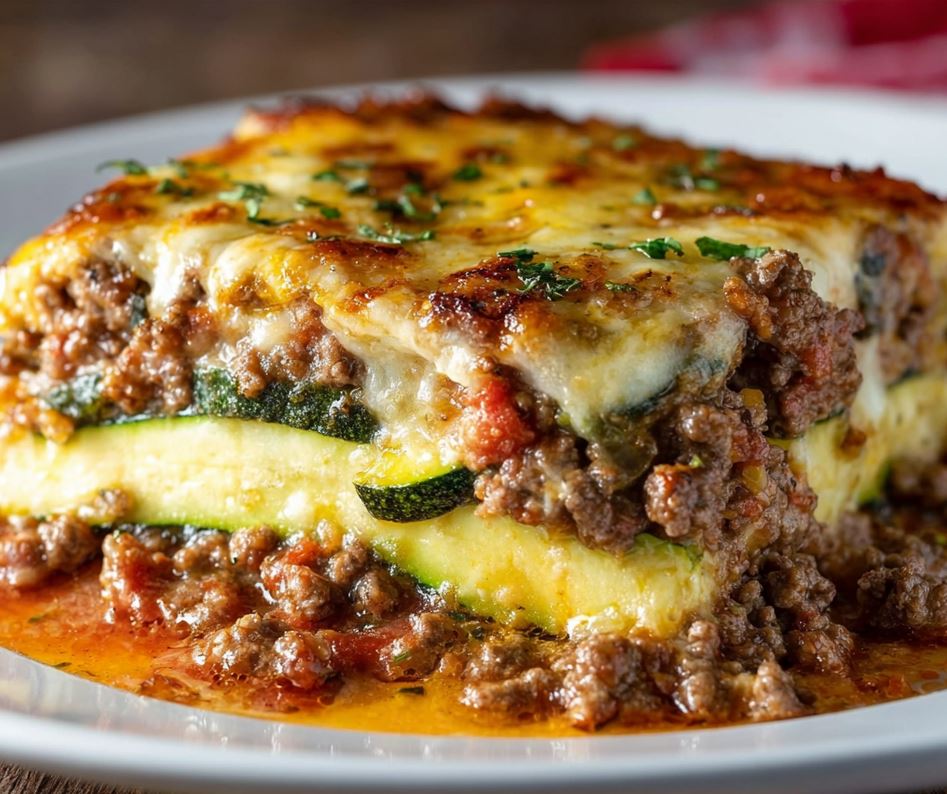
Looking for a healthier twist on classic lasagna? This low-carb zucchini lasagna delivers all the cheesy, comforting flavors you crave without the heavy pasta. Perfect for keto dieters, anyone watching their carbs, or simply those who want to sneak more vegetables into their meals.
If you’ve been searching for the perfect low-carb lasagna recipe that doesn’t sacrifice flavor, your quest ends here. This zucchini lasagna transforms the beloved Italian classic into a lighter, healthier version that’s every bit as satisfying as the original. By replacing traditional pasta sheets with thinly sliced zucchini, you’ll cut carbs dramatically while adding nutrients and creating a dish that’s naturally gluten-free and keto-friendly.
Why Zucchini Lasagna is the Perfect Low-Carb Alternative
Traditional lasagna can pack upwards of 40-50 grams of carbs per serving, making it off-limits for those following ketogenic or low-carb diets. This zucchini version contains approximately 8-10 grams of net carbs per serving – a reduction of over 80%! But the benefits go far beyond carb counting.
Zucchini brings its own nutritional advantages to the table. It’s rich in vitamin C, potassium, and folate while being naturally low in calories. The mild flavor of zucchini allows the rich meat sauce and cheese to shine while adding moisture and texture that closely mimics traditional pasta layers.
The Health Benefits of Choosing Zucchini Lasagna
This recipe isn’t just about cutting carbs – it’s about creating a more nutritious version of a comfort food classic. Each serving provides:
- High protein content from the meat and cheese layers, supporting muscle maintenance and satiety
- Increased vegetable intake through the zucchini base, boosting fiber and micronutrient consumption
- Lower calorie density compared to traditional lasagna, making it easier to maintain a healthy weight
- Gluten-free benefits for those with celiac disease or gluten sensitivity
- Keto-friendly macros that support ketosis for those following ketogenic eating plans
Essential Ingredients for Perfect Zucchini Lasagna
Selecting and Preparing the Perfect Zucchini
The foundation of great zucchini lasagna starts with choosing the right zucchini. Look for medium-sized zucchini that are firm to the touch with smooth, unblemished skin. Avoid overly large zucchini, which tend to be watery and seedy, or very small ones that won’t provide adequate coverage for your layers.
Size matters: Medium zucchini (about 8-10 inches long) provide the ideal balance of flavor and texture. They’re mature enough to slice easily but haven’t developed the large seeds and excess moisture that make older zucchini less suitable for this application.
Slicing technique: The key to successful zucchini lasagna lies in achieving uniform, thin slices. A mandoline slicer is your best friend here, allowing you to create consistently thin strips (about 1/8 inch thick) that will cook evenly and layer beautifully. If you don’t have a mandoline, a sharp knife and steady hand can achieve similar results, though it requires more patience and practice.
The Secret to Preventing Watery Lasagna
One of the biggest challenges when making zucchini lasagna is preventing excess moisture from making your dish soggy. The salt-and-drain method outlined in this recipe is crucial for success. Here’s why it works:
Osmosis in action: Salting the zucchini slices draws out moisture through osmosis. The salt creates a concentration gradient that pulls water from inside the zucchini cells, reducing the overall water content by 30-40%.
Timing is important: The 15-minute resting period allows enough time for significant moisture extraction without over-salting the zucchini. Longer periods can make the zucchini too salty and overly dehydrated.
Proper patting: After the resting period, thoroughly pat the zucchini slices dry with paper towels. This step removes the surface moisture and salt, leaving you with zucchini that will hold its shape during baking and won’t release excess water into your lasagna.
Building the Perfect Meat Sauce Layer
Choosing Your Protein
While ground beef is traditional, this recipe works beautifully with various protein options. Ground turkey creates a lighter version with slightly fewer calories, while ground chicken offers similar benefits. For those seeking extra flavor, try a combination of ground beef and Italian sausage, using a 50/50 ratio for the perfect balance of richness and spice.
Fat content considerations: If using ground beef, choose 80/20 or 85/15 lean-to-fat ratios. This provides enough fat for flavor development while not making the dish overly greasy. Leaner cuts may require additional olive oil to prevent sticking and ensure proper browning.
Developing Deep, Rich Flavors
The key to exceptional meat sauce lies in proper browning and layering of flavors. Start by cooking the onions until they’re translucent and beginning to caramelize – this creates a sweet, aromatic base that enhances the overall flavor profile.
The browning process: Allow the meat to brown properly before stirring. This Maillard reaction creates complex flavors that distinguish great meat sauce from mediocre versions. Don’t rush this step; proper browning takes 5-7 minutes and creates the foundation for rich, savory flavor.
Garlic timing: Add garlic after the meat is browned to prevent burning. Garlic can become bitter when overcooked, so the brief sauté with residual heat is perfect for releasing its aromatic compounds without damage.
Sauce integration: When adding the marinara sauce, choose a high-quality option or make your own. The sauce should complement, not overpower, the meat and vegetables. Italian seasoning adds complexity, but don’t overdo it – the goal is enhancement, not masking.
Creating the Perfect Cheese Mixture
Understanding Ricotta’s Role
Ricotta cheese serves multiple functions in lasagna beyond just flavor. It provides creamy texture, acts as a binding agent between layers, and creates pockets of rich, mild flavor that balance the more intense meat sauce and mozzarella.
Fresh vs. store-bought: While fresh ricotta offers superior flavor and texture, high-quality store-bought versions work perfectly well. Look for ricotta with minimal ingredients – just milk, cream, and salt. Avoid brands with stabilizers or fillers when possible.
The egg factor: Adding an egg to the ricotta mixture serves as a binding agent that helps the cheese layer set during baking. This prevents the ricotta from becoming too loose or watery, ensuring clean slices when serving.
Maximizing Flavor in the Cheese Layer
The combination of ricotta, Parmesan, and mozzarella creates layers of flavor complexity. Parmesan adds sharp, nutty notes that complement the mild ricotta, while mozzarella provides the classic stretch and mild flavor that defines great lasagna.
Fresh herbs make a difference: While dried herbs work in a pinch, fresh basil or parsley elevates the cheese mixture significantly. The bright, aromatic qualities of fresh herbs add a dimension that dried versions simply can’t match. Chop them finely to ensure even distribution throughout the mixture.
Assembly Techniques for Professional Results
Layer Architecture
Think of lasagna assembly as architecture – each layer needs to support the others while contributing to the overall structure and flavor profile. Start with a thin layer of meat sauce on the bottom of your baking dish. This prevents sticking and provides moisture for the bottom zucchini layer.
Zucchini placement: Arrange zucchini slices in slightly overlapping rows, like shingles on a roof. This overlap ensures complete coverage and prevents gaps that could allow cheese or sauce to leak through.
Cheese distribution: Spread the ricotta mixture evenly, but don’t make it too thick. Aim for about 1/4 inch thickness – enough to provide creamy richness without overwhelming the other flavors.
Sauce coverage: Each meat sauce layer should completely cover the cheese beneath it. This ensures even cooking and prevents the cheese from browning too quickly during baking.
The Art of Perfect Layering
The number of layers depends on your dish depth and ingredient quantities, but typically three complete cycles (zucchini, cheese, sauce) work best. This provides enough height for impressive presentation while ensuring even cooking throughout.
Ending considerations: Always end with a meat sauce layer topped with the reserved mozzarella. This creates an attractive, golden top while protecting the layers beneath from drying out during baking.
Baking Techniques for Optimal Results
Temperature and Timing
Baking at 375°F (190°C) provides the ideal balance between cooking the zucchini through and developing a golden, bubbly top. Lower temperatures may leave the zucchini undercooked, while higher temperatures can cause the cheese to brown too quickly before the interior is properly heated.
The foil method: Covering with foil for the first 30 minutes allows the lasagna to heat through evenly without over-browning the top. Steam created under the foil helps cook the zucchini while maintaining moisture in the meat sauce.
Uncovered finishing: Removing the foil for the final 15 minutes allows the top to develop that characteristic golden-brown color that makes lasagna so visually appealing. Watch carefully during this phase to prevent burning.
Resting: The Often-Overlooked Final Step
Allowing the lasagna to rest for 10 minutes after baking isn’t just about safety – it’s crucial for proper texture and clean slicing. During this time, the hot cheese firms up slightly, the layers settle, and excess moisture redistributes throughout the dish.
Patience pays off: Resist the urge to cut immediately. Those 10 minutes of waiting result in neat, stable slices that hold their shape on the plate rather than falling apart in a molten heap.
Nutritional Benefits and Macronutrient Breakdown
Comparing Traditional vs. Zucchini Lasagna
The nutritional transformation from traditional to zucchini lasagna is dramatic:
Traditional lasagna (per serving):
- Calories: 450-550
- Carbohydrates: 40-50g
- Net carbs: 38-47g
- Protein: 25-30g
- Fat: 20-25g
Zucchini lasagna (per serving):
- Calories: 320-380
- Carbohydrates: 12-15g
- Net carbs: 8-10g
- Protein: 28-32g
- Fat: 20-24g
Micronutrient Advantages
Beyond macronutrients, zucchini lasagna provides superior micronutrient density:
- Vitamin C: Zucchini provides significant vitamin C, supporting immune function and collagen synthesis
- Potassium: Important for heart health and blood pressure regulation
- Folate: Essential for DNA synthesis and red blood cell formation
- Vitamin A: From the tomato sauce, supporting eye health and immune function
Meal Prep and Storage Solutions
Make-Ahead Strategies
Zucchini lasagna is excellent for meal preparation, though some techniques ensure better results:
Assembly and refrigeration: You can assemble the entire lasagna up to 24 hours before baking. Cover tightly with plastic wrap and refrigerate. Add an extra 10-15 minutes to the covered baking time when cooking from cold.
Freezing considerations: This lasagna freezes well after baking. Cool completely, wrap tightly in plastic wrap and aluminum foil, and freeze for up to three months. Thaw overnight in the refrigerator before reheating.
Reheating for Best Results
Oven method: Reheat at 350°F (175°C) covered with foil until heated through, about 20-25 minutes for refrigerated portions or 45-60 minutes for frozen.
Individual portions: Cut and store individual portions for quick weekday meals. Microwave on 70% power to prevent overheating the cheese while ensuring even warming.
Creative Variations and Adaptations
Protein Alternatives
Vegetarian version: Replace the meat with a mixture of sautéed mushrooms, bell peppers, and onions. Add crumbled firm tofu or extra cheese for protein.
Seafood twist: Use a combination of cooked shrimp and crab meat mixed with a light white sauce instead of traditional meat sauce.
Plant-based option: Substitute the meat with a plant-based ground meat alternative and use cashew-based ricotta for a completely vegan version.
Flavor Variations
Mediterranean style: Add sun-dried tomatoes, olives, and artichoke hearts to the cheese mixture, with oregano and lemon zest for brightness.
Mexican fusion: Season the meat with cumin, chili powder, and paprika. Add diced jalapeños and use a Mexican cheese blend instead of mozzarella.
Spinach and mushroom: Layer fresh spinach and sautéed mushrooms between the traditional layers for extra vegetables and earthy flavor.
Troubleshooting Common Issues
Preventing Watery Results
If your zucchini lasagna turns out watery despite following the salting process:
- Double-check zucchini preparation: Ensure you’re using the salt-and-drain method properly
- Consider pre-grilling: Lightly grill zucchini slices before assembly to remove additional moisture
- Sauce consistency: Use thick marinara sauce; thin sauces contribute to excess liquid
Achieving Perfect Texture
Mushy zucchini: Usually results from over-salting (leaving salt on too long) or overcooking. Monitor baking time carefully and ensure your oven temperature is accurate.
Uneven cooking: Often caused by irregular zucchini slice thickness. Invest in a mandoline for consistent results.
Serving and Presentation Tips
Clean slicing: Use a sharp knife wiped clean between cuts. A serrated knife often works better than a straight edge for clean cuts through the cheese layers.
Garnish ideas: Fresh basil leaves, a sprinkle of red pepper flakes, or a drizzle of high-quality olive oil can elevate presentation.
Seasonal Considerations and Garden-to-Table Tips
When Zucchini is in Season
Peak zucchini season (mid-summer) is the ideal time to make this recipe. Garden-fresh zucchini has superior flavor and texture compared to store-bought versions, and the abundance during peak season makes this an economical choice.
Selecting from your garden: Harvest zucchini when they’re 6-8 inches long for optimal flavor and texture. Larger specimens work but require more careful moisture removal.
Year-Round Availability
While fresh zucchini is available year-round in most grocery stores, quality varies significantly. During off-season, look for firm specimens without soft spots or wrinkled skin.
Cost-Effectiveness and Budget Considerations
Ingredient Cost Analysis
Zucchini lasagna can be more economical than traditional versions, especially during peak zucchini season. The main cost savings come from:
- Zucchini vs. pasta: Fresh zucchini is often less expensive per serving than quality lasagna noodles
- Reduced processed ingredients: Fewer packaged components mean lower costs
- Versatility: Adaptable to whatever protein is on sale
Bulk Preparation Benefits
Making multiple lasagnas when zucchini is abundant and inexpensive allows you to freeze portions for later use, maximizing both flavor and economic benefits.
Scientific Principles Behind the Recipe
Understanding Moisture Management
The success of zucchini lasagna relies heavily on moisture control. Zucchini is approximately 95% water, making moisture removal crucial for structural integrity.
Osmotic dehydration: The salting process uses osmotic pressure to draw moisture from zucchini cells, concentrating flavors while reducing water content.
Heat-induced moisture loss: During baking, additional moisture evaporates, further concentrating flavors and improving texture.
Cheese Science
Protein networks: The combination of ricotta and mozzarella creates complementary protein networks that provide structure while maintaining creaminess.
Maillard browning: The golden top results from Maillard reactions between proteins and sugars in the cheese, creating complex flavors and appealing color.
Conclusion: Why This Recipe Deserves a Place in Your Regular Rotation
This low-carb zucchini lasagna proves that healthy eating doesn’t require sacrificing the comfort foods you love. By thoughtfully substituting zucchini for pasta, you create a dish that’s not only more nutritious but often more flavorful than the original.
The recipe’s flexibility makes it perfect for various dietary needs – from keto and low-carb to gluten-free and vegetarian adaptations. Most importantly, it delivers the satisfying, comforting experience that makes lasagna such a beloved dish.
Whether you’re trying to reduce carbs, increase vegetable intake, or simply explore new cooking techniques, this zucchini lasagna offers a delicious path to healthier eating without compromise. The combination of rich meat sauce, creamy cheese layers, and perfectly prepared zucchini creates a harmony of flavors and textures that will make this recipe a requested favorite.
Make it once, and you’ll understand why so many home cooks have made zucchini lasagna their go-to comfort food. It’s proof that the best recipes aren’t always the most traditional ones – sometimes the most satisfying dishes come from creative adaptations that honor the spirit of the original while blazing new trails.

Where’s the actual recipe?