Mashed Potato Lasagna
Mashed Potato Lasagna
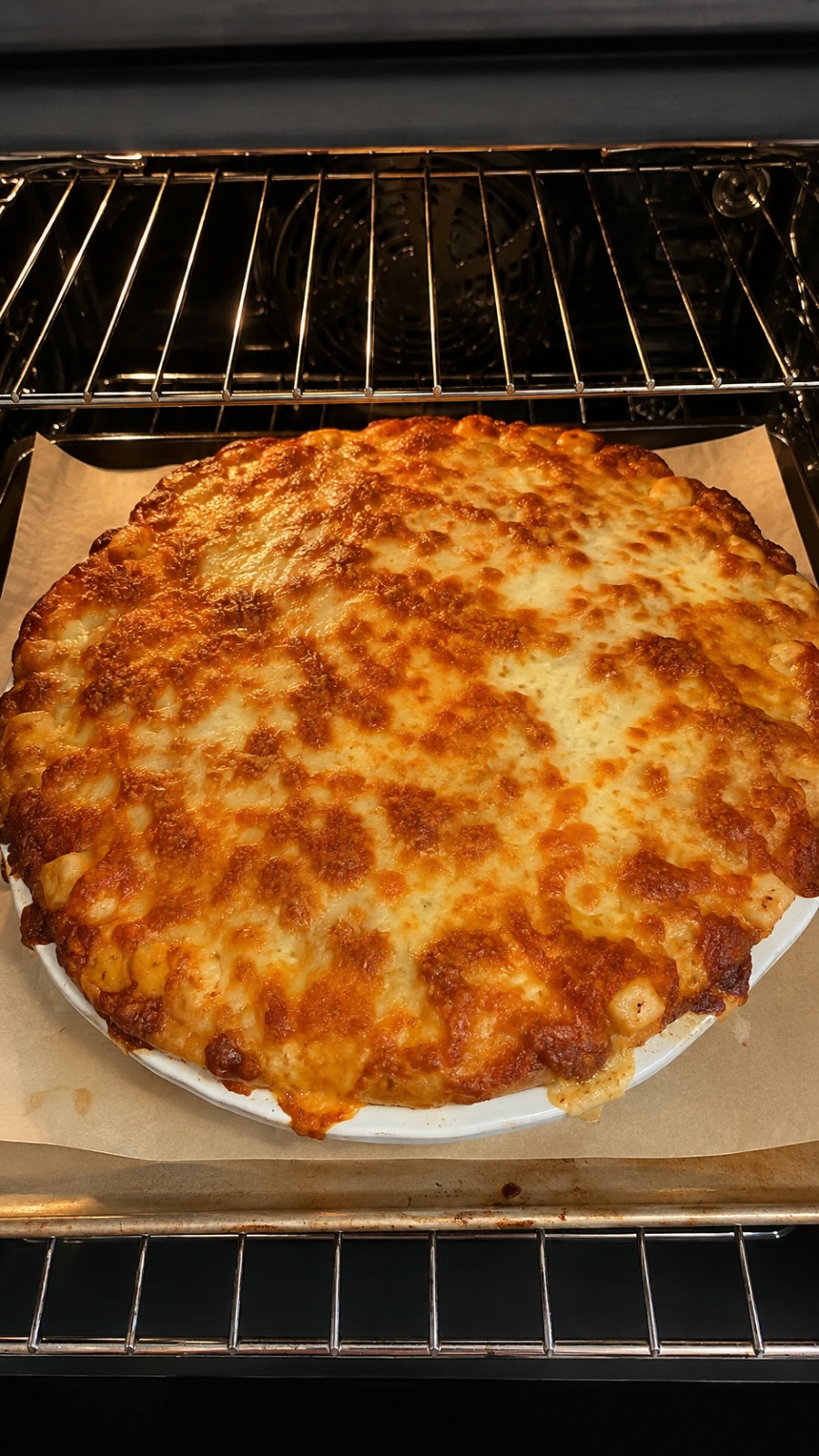
Mashed Potato Lasagna is a comforting, hearty dish that reimagines the classic Italian casserole by replacing traditional pasta sheets with layers of creamy, seasoned mashed potatoes. This creation offers a unique texture profile where the fluffy, buttery potato layers provide a soft, yielding contrast to a rich, savory meat and cheese filling. The result is a cohesive bake that feels both familiar and distinctly new, ideal for busy weeknight dinners, family gatherings, or when you need a substantial meal that satisfies without the heaviness of dense noodles. It bridges the gap between a shepherd’s pie and a lasagna, delivering deep flavors through a simple assembly process that requires no boiling of pasta sheets.
This recipe is particularly useful when you want to utilize leftover mashed potatoes or simply prefer a gluten-free alternative to standard lasagna. The structure holds together well during slicing, making it easy to serve generous portions. For those looking to explore more comforting dishes, Follow Hailee Recipes on Pinterest for additional inspiration on how to elevate everyday ingredients into memorable meals.
Why This Recipe Works
The success of this dish relies on the structural integrity of the mashed potatoes. Unlike raw dough or boiled noodles, mashed potatoes act as a binding agent that absorbs moisture from the sauce while maintaining their shape. By using a slightly thicker consistency for the mash, we prevent the layers from becoming soupy during baking. The fat content in the butter and cream helps create a barrier that keeps the potatoes from drying out at the edges, ensuring every bite remains tender.
Layering the components allows the flavors to meld without overcooking the meat. The meat sauce simmers briefly before being layered, which concentrates its flavor and reduces excess liquid that could make the casserole soggy. When baked, the top layer of potatoes browns beautifully, creating a golden crust that contrasts with the soft interior. This method eliminates the need for par-boiling pasta, saving time and reducing cleanup while still delivering a complex, multi-textured dining experience.
Ingredients
To assemble this dish, you will need specific measurements to ensure the balance of flavors and textures remains consistent throughout the bake. The following list includes all necessary components for a standard 9×13 inch baking dish.
- For the Mashed Potatoes:
- 4 pounds (about 2 kg) russet potatoes, peeled and cut into uniform chunks
- 1/2 cup (1 stick / 115g) unsalted butter, softened
- 1 cup (240ml) whole milk, warmed
- 1 teaspoon salt, plus more for the water
- 1/2 teaspoon black pepper
- 1/4 teaspoon garlic powder
- For the Meat Filling:
- 1 pound (450g) ground beef (80/20 lean-to-fat ratio)
- 1 medium yellow onion, finely diced
- 3 cloves garlic, minced
- 1 jar (24 oz / 680g) marinara sauce
- 1 teaspoon dried oregano
- 1 teaspoon dried basil
- Salt and pepper to taste
- For the Cheese Layer:
- 2 cups (225g) shredded mozzarella cheese
- 1 cup (100g) grated Parmesan cheese
Ensure your milk is warm before mixing it into the potatoes; cold milk can shock the potatoes and result in a gummy texture. Using full-fat dairy products here contributes significantly to the richness of the final dish.
How To Make Mashed Potato Lasagna
- Prepare the Mashed Potatoes: Place the peeled and chopped potatoes in a large pot and cover with cold water by an inch. Add a generous pinch of salt to the water. Bring to a boil over high heat, then reduce to a simmer. Cook for 15 to 20 minutes until the potatoes are fork-tender and easily crumble when pierced. Drain the water thoroughly and return the potatoes to the hot pot for one minute to evaporate excess moisture. Mash the potatoes using a ricer or a hand masher until smooth. Stir in the softened butter, warm milk, salt, pepper, and garlic powder. Mix until fully incorporated and set aside. Do not let the mixture cool completely, as warm potatoes blend better with the sauce.
- Cook the Meat Filling: While the potatoes are cooking, heat a large skillet over medium-high heat. Add the ground beef and break it apart with a wooden spoon. Cook until browned and no pink remains, about 6 to 8 minutes. If there is excessive grease, drain most of it, leaving about a tablespoon for flavor. Add the diced onion to the skillet and sauté for 3 to 4 minutes until translucent. Stir in the minced garlic and cook for another minute until fragrant. Pour in the marinara sauce, oregano, and basil. Season with salt and pepper to taste. Simmer the sauce for 5 minutes to allow the flavors to deepen. Remove from heat.
- Preheat the Oven and Prepare the Pan: Preheat your oven to 375°F (190°C). Lightly grease a 9×13 inch baking dish with cooking spray or a thin layer of butter. This prevents the bottom layer of potatoes from sticking and ensures easy removal later.
- Assemble the Layers: Spread a thin layer of the meat sauce on the bottom of the prepared baking dish to create a base. Spoon half of the mashed potatoes over the sauce and spread them evenly to cover the entire surface. Sprinkle half of the mozzarella and half of the Parmesan cheese over the potato layer. Repeat the process: add the remaining meat sauce, followed by the rest of the mashed potatoes, spreading them carefully to create a smooth top. Finish by topping with the remaining mozzarella and Parmesan cheeses.
- Bake Until Golden and Bubbly: Cover the baking dish loosely with aluminum foil. Bake for 25 minutes. Remove the foil and continue baking for an additional 15 to 20 minutes. Watch closely for the cheese to melt and bubble, and for the edges of the potato layer to turn a light golden brown. The internal temperature should reach at least 165°F (74°C) to ensure the meat is safely cooked. Remove from the oven and let the dish rest for 10 to 15 minutes before serving. This resting period allows the layers to set, making slicing much cleaner.
Doneness And Troubleshooting
Knowing when the lasagna is done involves observing visual cues rather than relying solely on a timer. The top layer of cheese should be fully melted with some darker brown spots forming around the edges. The potatoes underneath should feel firm to the touch but not dry. If the cheese browns too quickly before the center is heated through, tent the dish loosely with foil again and continue baking.
If the dish appears too dry after baking, it may indicate that the mashed potatoes were too thick or the meat sauce was too reduced. In future batches, ensure the milk is added gradually to the potatoes until they reach a spreadable, cake-batter-like consistency. Conversely, if the lasagna seems soupy, the meat sauce likely contained too much liquid. Simmer the sauce longer before assembling, or drain any excess liquid from the jarred sauce if it appears watery.
A common issue is the potatoes separating from the sauce. This usually happens if the potato layer is too loose. Ensure your mashed potatoes are stiff enough to hold their shape when spread. If they slide off the sauce, mix in a little extra flour or cornstarch to thicken the mash slightly before layering.
Substitutions And Variations
This recipe is adaptable to various dietary needs and ingredient preferences. For a lighter version, substitute the ground beef with ground turkey or chicken. Note that poultry has less fat, so you may want to add a tablespoon of olive oil to the skillet when browning the meat to maintain moisture. You can also use plant-based ground meat alternatives, though they often release less liquid, so you might need to add a splash of vegetable broth to the sauce.
To make the dish vegetarian, replace the meat with a hearty mushroom and lentil mixture. Sauté sliced cremini mushrooms with the onions until they release their moisture and brown. Add cooked brown lentils to the marinara sauce for a protein-rich alternative that mimics the texture of ground meat. The cooking times remain largely the same.
For a gluten-free option, this recipe is naturally gluten-free as long as your marinara sauce and cheese do not contain added wheat starches. Always check labels on processed sauces and pre-shredded cheeses, as anti-caking agents sometimes contain wheat derivatives. Dairy-free variations are possible by using coconut milk or oat milk instead of dairy milk, and vegan butter and cheese substitutes. However, keep in mind that vegan cheeses may not melt or brown in the exact same way as dairy cheese.
Serving Suggestions
Because this dish is rich and dense, it pairs well with fresh, acidic sides to cut through the creaminess. A simple green salad with a vinaigrette dressing provides a nice textural contrast. Roasted broccoli or green beans seasoned with lemon zest and garlic complement the savory notes of the meat and cheese. Crusty bread or garlic knots are excellent for soaking up any extra sauce that accumulates at the bottom of the dish.
For a complete meal, serve with a glass of red wine such as Chianti or Cabernet Sauvignon, which stands up well to the tomato and beef flavors. If serving children, consider adding a side of fruit salad or apple slices to balance the meal with something sweet and crisp.
Storage And Reheating
Leftovers can be stored in an airtight container in the refrigerator for up to 4 days. Allow the lasagna to cool completely before covering it to prevent condensation from making the top layer soggy. When reheating, individual portions can be microwaved for 2 to 3 minutes, covered with a damp paper towel to retain moisture. For larger portions, reheat in the oven at 350°F (175°C) for 20 to 25 minutes until heated through.
You can also freeze this dish for up to 3 months. Assemble the lasagna in a freezer-safe dish, wrap tightly in plastic wrap, and then cover with foil. Thaw overnight in the refrigerator before baking. If baking from frozen, increase the covered baking time by 15 to 20 minutes, removing the foil for the last 15 minutes to brown the top. Always ensure the internal temperature reaches 165°F (74°C) before consuming.
This Mashed Potato Lasagna offers a satisfying twist on a classic comfort food, proving that simple adjustments to traditional recipes can yield delicious results. With careful attention to the texture of the potatoes and the consistency of the sauce, you can create a reliable dinner that pleases a wide range of palates.
Mashed Potato Lasagna
Ingredients
Method
- Boil potatoes until tender, drain, and mash with butter, warm milk, salt, pepper, and garlic powder. Set aside.
- Brown ground beef in a skillet, add onion and garlic, then stir in marinara sauce, oregano, and basil. Simmer for 5 minutes.
- Preheat oven to 375°F (190°C) and grease a 9x13 inch baking dish.
- Layer half the meat sauce, half the mashed potatoes, and half the cheeses. Repeat layers. Top with remaining cheese.
- Cover with foil and bake for 25 minutes. Remove foil and bake 15-20 minutes more until golden. Rest for 10 minutes before serving.