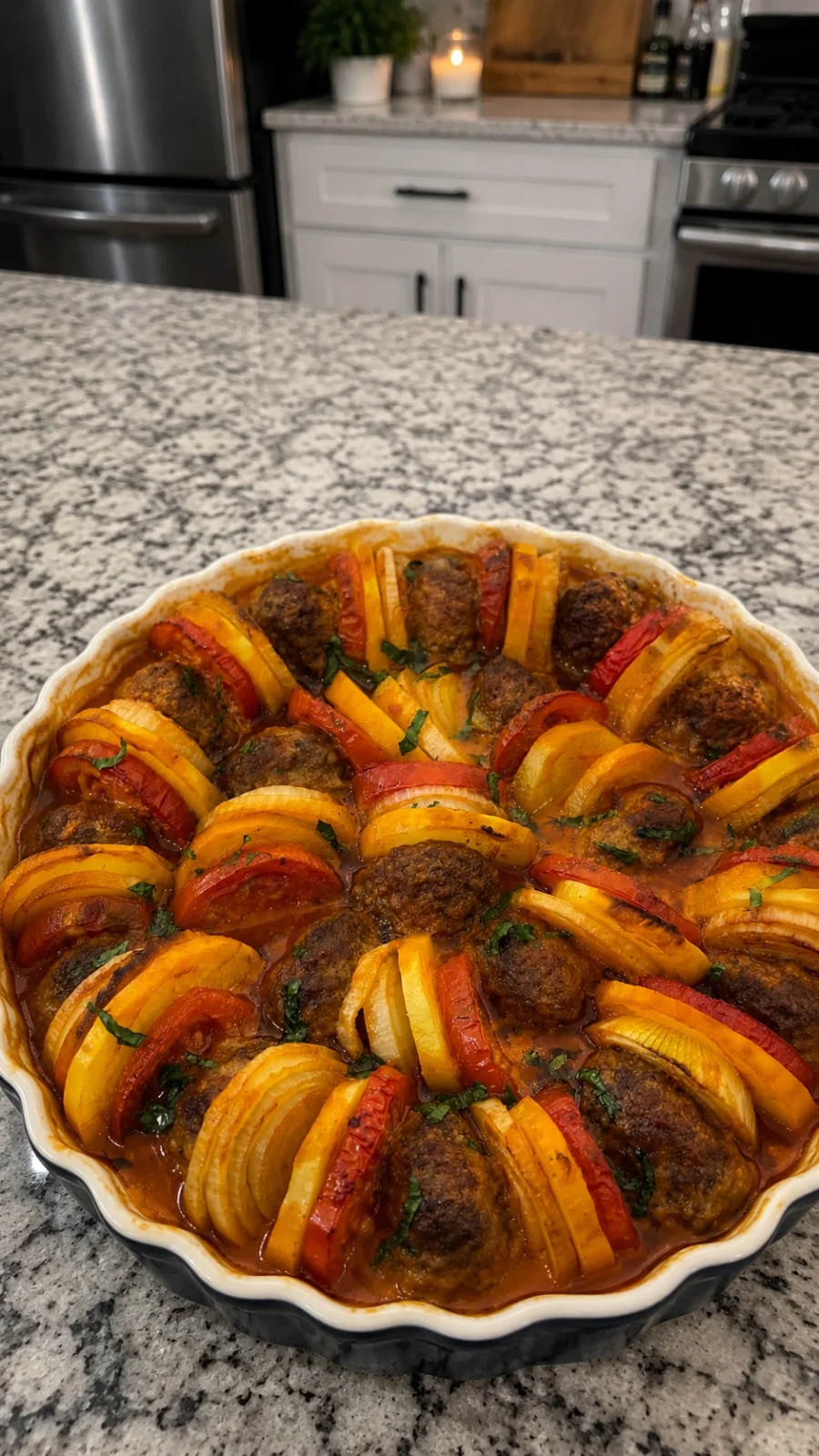
Meatball and Vegetable Casserole
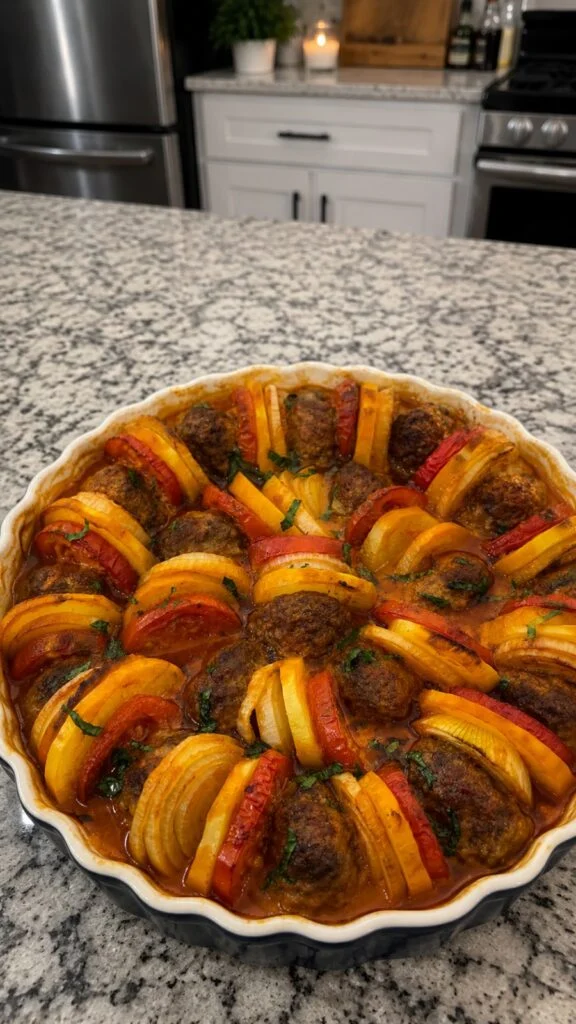
This Meatball and Vegetable Casserole is a hearty, comforting dish designed to bring warmth to the dinner table with minimal effort. The result is a savory blend of tender meatballs nestled among vibrant, roasted vegetables in a rich, savory sauce. The texture is a delightful contrast between the slightly firm exterior of the baked meatballs and the soft, yielding squash and tomatoes that have broken down just enough to create a natural gravy. It is an ideal meal for busy weeknights when you need something substantial but don’t want to spend hours standing over a stove. The flavors meld together beautifully during baking, creating a cohesive dish that feels like a labor of love without the actual labor.
If you are looking for a reliable main course that feeds a family or can be easily repurposed for leftovers, this casserole fits the bill perfectly. It balances protein and vegetables in every bite, making it a practical choice for families trying to incorporate more produce into their diets. For those who enjoy simple, rustic cooking, this recipe offers a straightforward path from pantry staples to a finished meal. You can find more inspiration for home-cooked meals by visiting Follow Hailee Recipes on Pinterest.
Why This Recipe Works
The success of this dish relies on the method of layering rather than complex techniques. By using pre-cooked or par-baked meatballs, you eliminate the risk of undercooking the center while ensuring the exterior gets a nice brown crust. The vegetables, specifically sliced yellow squash and tomatoes, release moisture as they bake, which combines with any added broth or sauce to create a light, flavorful liquid that keeps the meatballs moist. Unlike casseroles that rely on heavy cream or cheese sauces which can become greasy, this version uses the natural juices of the vegetables to bind the components. The high heat of the oven caramelizes the edges of the squash and tomatoes, adding a depth of sweetness that cuts through the savoriness of the meat. This balance ensures that no single ingredient overpowers the others, resulting in a harmonious plate.
Ingredients
To make this casserole, you will need a selection of fresh ingredients that are easy to find at any grocery store. The list below includes the core components necessary to build the flavor profile described above. Ensure your meatballs are thawed if frozen, and slice your vegetables uniformly so they cook at the same rate.
- Meatballs: 1 pound (450g) of fully cooked beef or turkey meatballs. You may use store-bought or homemade varieties.
- Yellow Squash: 2 medium-sized yellow summer squash, sliced into half-moons about 1/4 inch thick.
- Tomatoes: 3 large ripe tomatoes, sliced into 1/2-inch rounds.
- Onion: 1 medium yellow onion, thinly sliced into rings.
- Garlic: 3 cloves garlic, minced finely.
- Olive Oil: 3 tablespoons extra virgin olive oil.
- Dried Oregano: 1 teaspoon dried oregano leaves.
- Dried Basil: 1 teaspoon dried basil leaves.
- Salt: 1 teaspoon kosher salt, divided for seasoning.
- Black Pepper: 1/2 teaspoon freshly ground black pepper.
- Chicken or Beef Broth: 1 cup low-sodium broth to add moisture.
- Fresh Parsley: 2 tablespoons chopped fresh parsley for garnish.
How To Make Meatball and Vegetable Casserole
- Prepare the Oven and Pan: Preheat your oven to 400°F (200°C). Select a 9×13 inch baking dish or a similar size casserole dish that holds all the ingredients comfortably. Lightly grease the dish with a small amount of olive oil or cooking spray to prevent sticking. While the oven heats, prepare your vegetables by washing the squash and tomatoes thoroughly. Slice the yellow squash into uniform half-moons and cut the tomatoes into thick rounds. Thinly slice the onion into rings. Having everything prepped before you start assembling ensures the process moves quickly and evenly.
- Sear the Vegetables (Optional but Recommended): In a large skillet over medium-high heat, warm 2 tablespoons of the olive oil. Add the sliced onions and cook for about 3 minutes until they begin to soften and turn translucent. Add the minced garlic and cook for another minute until fragrant, being careful not to burn it. Remove the skillet from the heat. If you prefer a deeper flavor, you can lightly sauté the squash slices in the remaining oil for 2-3 minutes until they get a slight char, but this step is optional if you are short on time. The goal here is to jumpstart the cooking process for the harder vegetables.
- Assemble the Base Layer: Spread the softened onions and garlic mixture across the bottom of your prepared baking dish. Arrange the sliced yellow squash and tomato rounds over the onions in a single, overlapping layer. Try to cover the entire surface of the dish so the meatballs sit directly on top of the vegetables. Season the vegetable layer generously with half of the salt, the pepper, the dried oregano, and the dried basil. Drizzle the remaining tablespoon of olive oil over the vegetables to help them roast and caramelize in the oven.
- Add the Meatballs and Liquid: Place the cooked meatballs on top of the vegetable layer. Distribute them evenly so they are not piled too high in one spot; they should rest gently on the tomatoes and squash. Pour the chicken or beef broth around the sides of the dish, avoiding pouring it directly over the meatballs if you want them to stay crispy on top. The broth will bubble up around the ingredients as it bakes, creating steam that helps cook the vegetables and infuse the meatballs with flavor. If the broth seems insufficient, you can add a splash more, but ensure the dish isn’t swimming in liquid.
- Bake Until Tender and Bubbly: Cover the baking dish tightly with aluminum foil. Place it in the preheated oven and bake for 25 minutes. After 25 minutes, carefully remove the foil. The casserole should look hot and the vegetables should be starting to soften. Return the dish to the oven, uncovered, and bake for an additional 15 to 20 minutes. Watch closely during this final stage; you are looking for the tomatoes to break down slightly and the squash to become tender when pierced with a fork. The meatballs should be heated through, reaching a safe internal temperature of 165°F (74°C).
- Rest and Garnish: Once the casserole is done, remove it from the oven and let it rest for 5 to 10 minutes before serving. This resting period allows the juices to settle, preventing the sauce from running off the plate immediately. Sprinkle the chopped fresh parsley over the top for a pop of color and fresh flavor. Serve warm directly from the dish.
Doneness And Troubleshooting
Knowing when your casserole is ready involves observing both visual cues and texture. The tomatoes should look collapsed and juicy, releasing their red juices into the pan. The yellow squash should yield easily when pressed with a fork but still hold its shape; it should not be mushy. If the vegetables appear dry before they are tender, it means the oven was too hot or there wasn’t enough liquid. In this case, you can add a few tablespoons of water or broth, cover the dish again, and return it to the oven for another 5 minutes. Conversely, if the top looks like it is burning before the inside is hot, loosely tent the dish with foil to shield the top while the center finishes cooking.
If your meatballs are very large, they might take longer to heat through. Check the internal temperature with a meat thermometer to ensure they have reached 165°F (74°C). If the broth reduces too much and the dish becomes dry, simply stir in a little more broth or water before serving. The goal is a moist, saucy consistency where the vegetables and meat are bathed in a light, savory glaze.
Substitutions And Variations
This recipe is flexible and can be adapted based on what you have on hand or dietary preferences. If you do not have yellow squash, zucchini is an excellent substitute with a similar texture and cooking time. Bell peppers, sliced thin, can also be added to the mix for a different crunch and sweetness. For a heartier option, you might include diced potatoes or carrots, though these will require a longer cooking time, so consider par-boiling them first.
You can swap the type of meatball used. Chicken or pork meatballs work well, provided they are fully cooked before assembly. For a vegetarian version, replace the meatballs with firm tofu cubes or chickpeas, though you may need to adjust the cooking time slightly as plant-based proteins do not require heating to the same internal temperature. If you prefer a richer sauce, you can stir in a can of crushed tomatoes or a dollop of marinara sauce along with the broth. Adding a sprinkle of mozzarella or Parmesan cheese during the last 5 minutes of baking adds a creamy element, though this changes the dish from a light casserole to a cheesy gratin style.
Serving Suggestions
This casserole is versatile enough to stand alone as a complete meal, but it pairs exceptionally well with starches that can soak up the savory juices. A side of crusty Italian bread, garlic toast, or a simple baguette is perfect for dipping into the sauce. For a lower-carb option, serve it over a bed of steamed rice, quinoa, or even cauliflower rice. A crisp green salad with a vinaigrette dressing complements the richness of the dish nicely, adding a refreshing acidity that balances the sweet tomatoes and earthy squash. Fresh basil leaves scattered on top right before serving can boost the aroma and presentation.
Storage And Reheating
Leftovers of this Meatball and Vegetable Casserole store well in the refrigerator. Allow the dish to cool completely to room temperature before transferring it to an airtight container. It will keep safely in the fridge for up to 3 to 4 days. When reheating, you can use the microwave for individual portions, covering the bowl to retain moisture, or reheat the entire dish in the oven at 350°F (175°C) covered with foil for about 20 minutes until heated through. If the casserole has thickened too much in the fridge, add a splash of water or broth before reheating to restore the original consistency.
For longer storage, you can freeze the casserole. It is best to freeze it in individual portions or a freezer-safe container. Label the container with the date and contents. Frozen casserole can be stored for up to 3 months. Thaw overnight in the refrigerator before reheating. Note that the texture of the tomatoes and squash may become softer after freezing and reheating, but the flavor remains robust.
This dish proves that a nutritious, satisfying meal does not require complicated steps. With a few simple ingredients and a bit of time in the oven, you can create a comforting centerpiece for your next dinner. Enjoy the process of assembling and the satisfaction of sharing a warm, wholesome meal.
Meatball and Vegetable Casserole
Ingredients
Method
- Preheat oven to 400°F (200°C). Grease a 9x13 inch baking dish. Slice squash, tomatoes, and onion.
- Sauté onions and garlic in 2 tablespoons oil until soft. Optional: lightly sear squash.
- Layer onions, squash, and tomatoes in the dish. Season with salt, pepper, oregano, and basil. Drizzle with remaining oil.
- Place meatballs on top of vegetables. Pour broth around the sides.
- Cover with foil and bake for 25 minutes. Uncover and bake 15-20 minutes more until vegetables are tender and meatballs reach 165°F. Rest 5 minutes before serving.