Ricotta Christmas Cookies
Ricotta Christmas Cookies
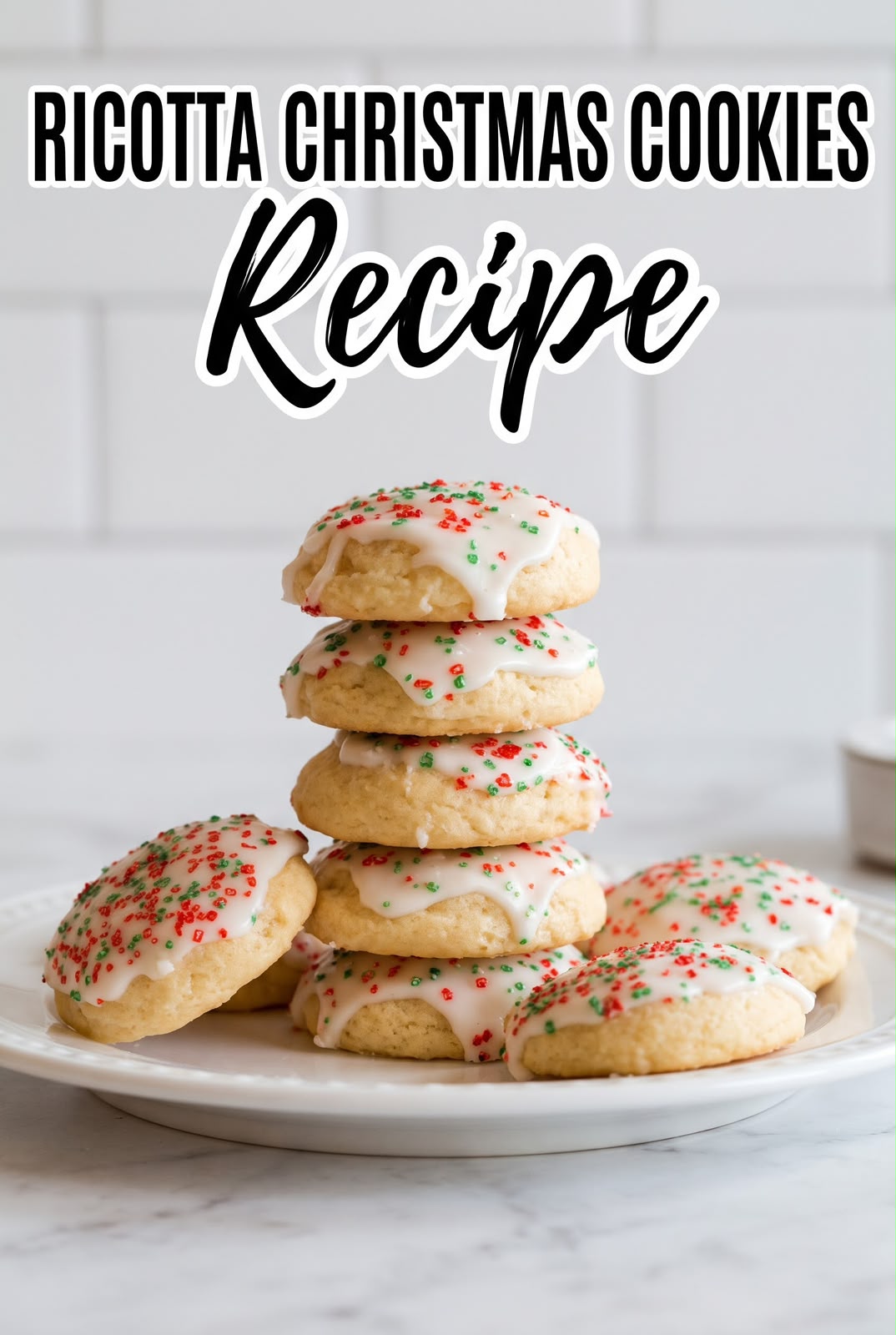
These Ricotta Christmas Cookies feature a tender, cake-like crumb infused with bright lemon and vanilla, finished with a sweet glaze and festive sprinkles for a holiday treat that melts in your mouth.
Ingredients
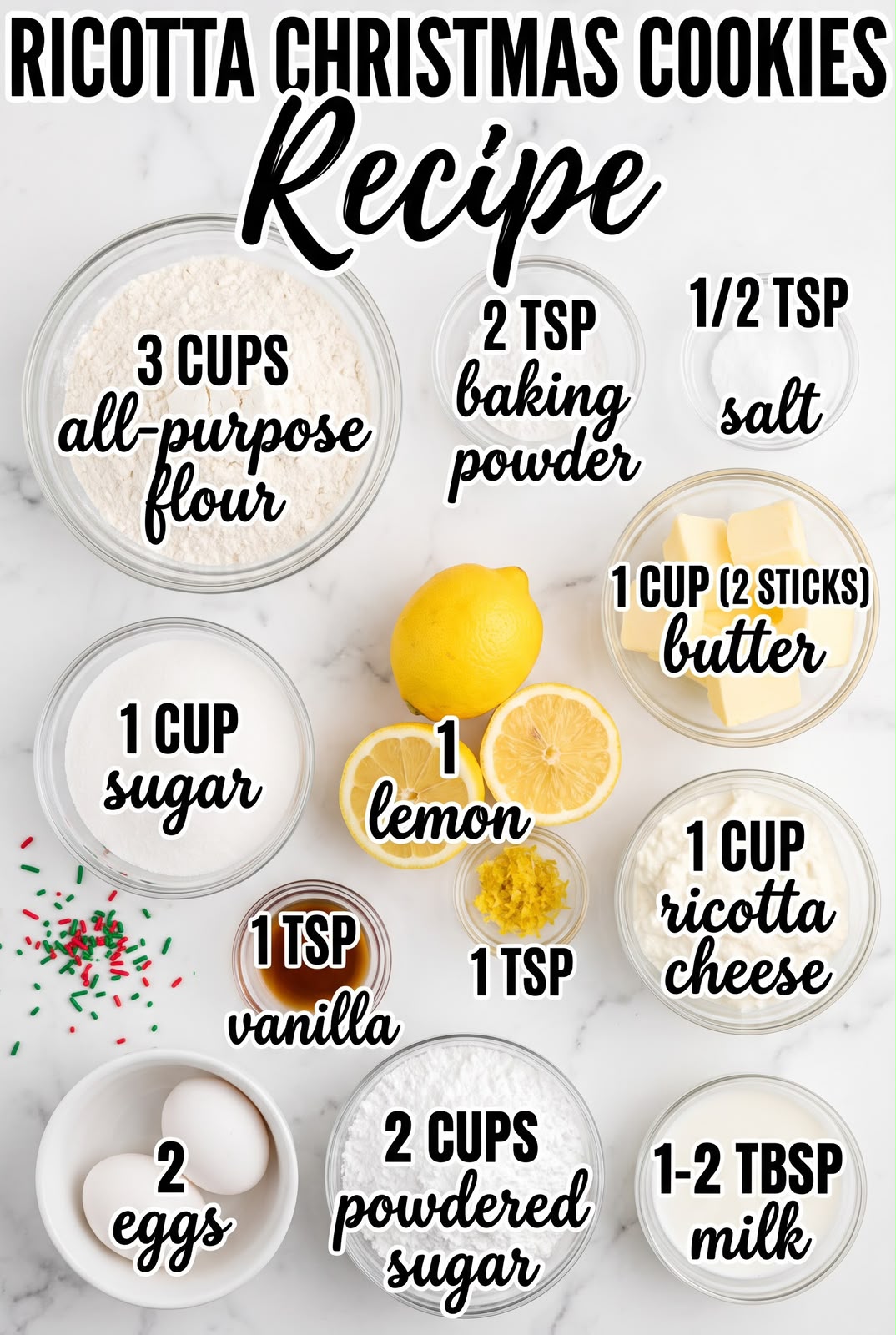
To ensure these cookies turn out exactly as intended, precise measurements and specific ingredient forms are essential. The following list includes every component required to create the dough, the frosting, and the final decoration.
- All-purpose flour (3 cups): This provides the structural base. Do not use self-rising flour or almond flour unless you have significant experience adjusting leavening agents, as they will alter the texture significantly.
- Baking powder (2 tsp): Acts as the primary leavening agent to give the cookies their signature light, airy rise without becoming dense.
- Salt (1/2 tsp): Crucial for balancing the sweetness of the sugar and enhancing the overall flavor profile of the dough.
- Sugar (1 cup): Granulated white sugar is used here to cream with the butter, creating air pockets that contribute to a fluffy texture.
- Lemon (1 whole): You will need both the juice and the zest from this fruit to provide the necessary citrus acidity and aromatic oils.
- Vanilla (1 tsp): Use high-quality pure vanilla extract to round out the flavors and add a warm, comforting depth.
- Lemon zest (1 tsp): Freshly grated zest adds an intense burst of citrus aroma that cannot be replicated by juice alone.
- Ricotta cheese (1 cup): Full-fat ricotta is recommended for the best moisture content and creamy texture; low-fat versions may result in drier cookies.
- Eggs (2 large): These act as the binder, holding the wet and dry ingredients together while adding richness.
- Powdered sugar (2 cups): Also known as confectioners’ sugar, this is the base for the glaze, ensuring a smooth, non-grainy finish.
- Milk (1-2 tbsp): Used to thin the powdered sugar mixture to a dip-able consistency; adjust based on how thick your glaze becomes.
- Butter (1 cup / 2 sticks): Unsalted butter at room temperature is vital for creaming properly with the sugar to incorporate air into the dough.
How To Make Ricotta Christmas Cookies
- Combine the Dry Ingredients
Begin by preparing your dry components to ensure even distribution throughout the dough. In a medium-sized mixing bowl, whisk together the 3 cups of all-purpose flour, 2 teaspoons of baking powder, and 1/2 teaspoon of salt. Whisking is important here because it breaks up any clumps in the flour and ensures the leavening agent is evenly dispersed. If you simply stir with a spoon, you risk uneven rising where some cookies might be flat while others puff too much. Set this bowl aside and proceed to the wet ingredients. Ensure your measuring cups are leveled off with a straight edge for accuracy, as baking is a science where small deviations can affect the final texture.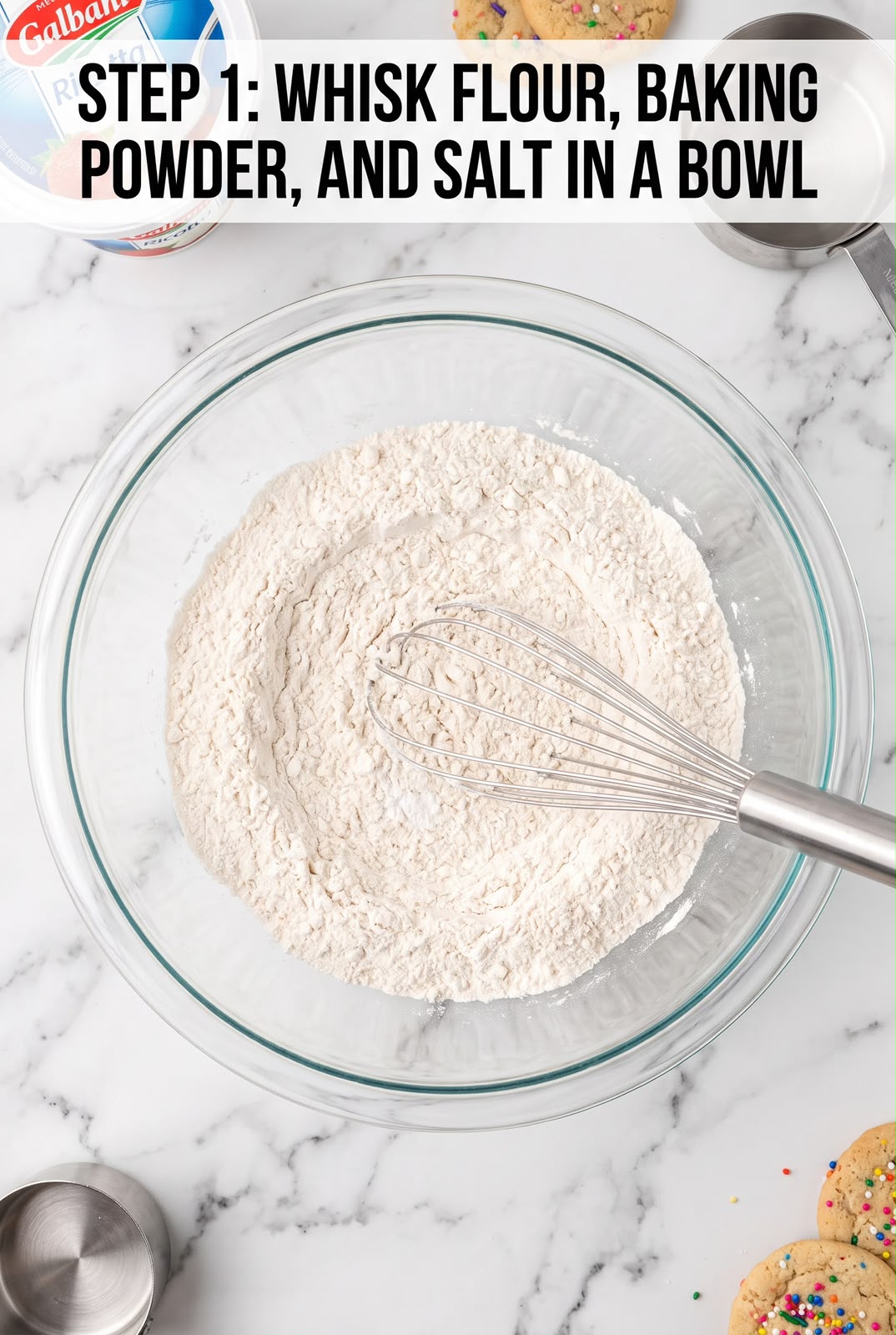
- Cream Butter, Sugar, and Zest
In a large bowl, using either a stand mixer fitted with the paddle attachment or a hand mixer, beat the 1 cup of softened unsalted butter, 1 cup of granulated sugar, and 1 teaspoon of lemon zest together on medium speed. This step is critical for the cookie’s texture; you must beat the mixture until it becomes light, pale, and fluffy, which usually takes about 3 to 5 minutes. The goal is to trap air bubbles within the fat structure. Scrape down the sides of the bowl with a spatula halfway through to ensure no unmixed butter remains at the bottom. The addition of the lemon zest at this stage allows the oils to infuse directly into the butter-sugar matrix, distributing the citrus flavor more effectively than if added later.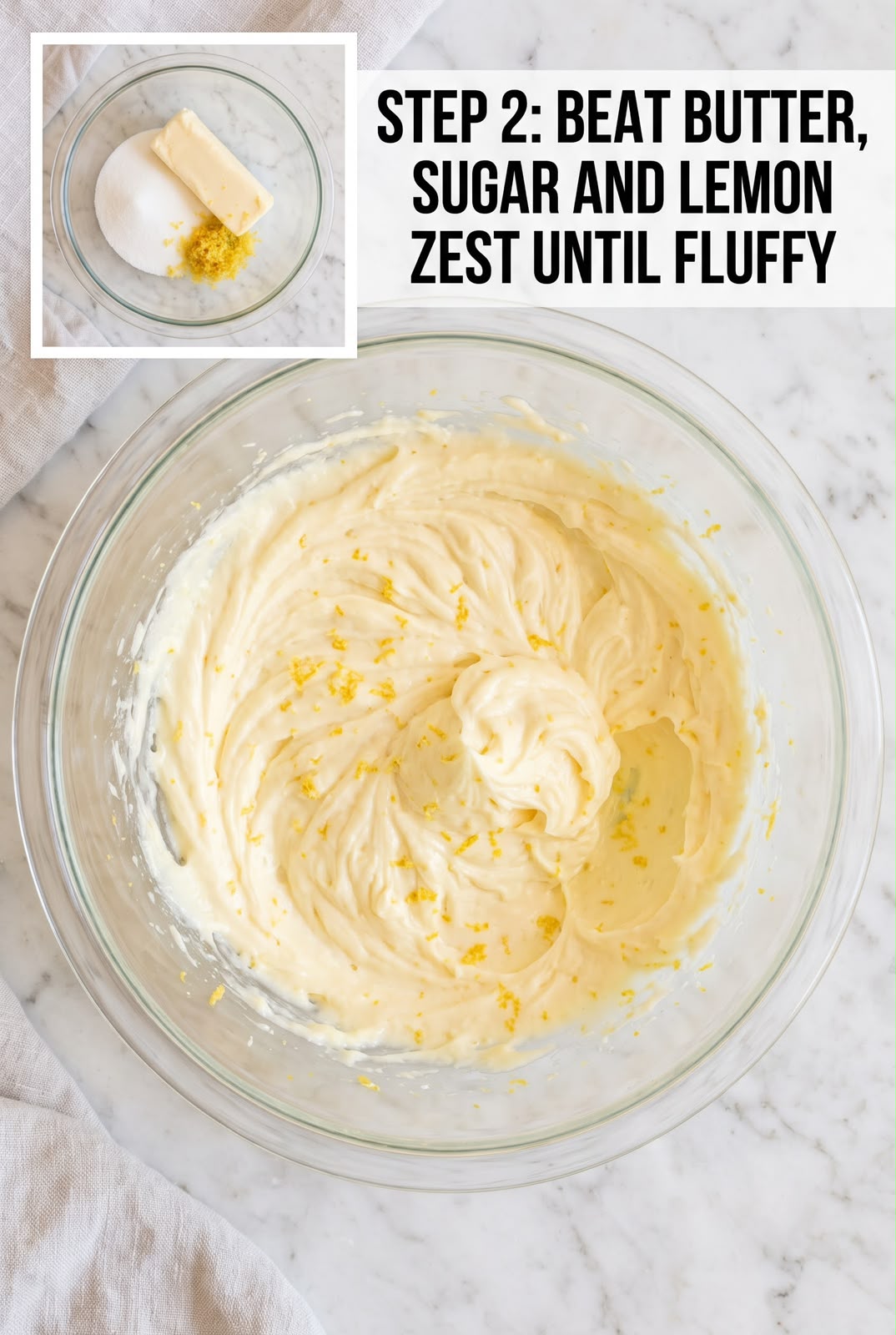
- Incorporate Wet Ingredients
Once the butter mixture is fluffy, add the 2 eggs one at a time, beating well after each addition to fully incorporate them. Then, add the 1 cup of ricotta cheese, the juice from the whole lemon, and 1 teaspoon of vanilla extract. Mix on low speed just until everything is combined. Be careful not to overmix at this stage; once the flour is added later, overworking the gluten will make the cookies tough rather than tender. The ricotta should look slightly curdled initially but will blend smoothly as you mix. The batter will appear somewhat loose and creamy, which is normal due to the moisture content of the cheese. - Form and Arrange the Dough
Gradually add the dry flour mixture to the wet ingredients, mixing on low speed only until the flour disappears and a soft dough forms. Do not overmix. Using a cookie scoop or a tablespoon, portion the dough into uniform balls, roughly 1.5 inches in diameter. Place these dough balls onto a baking sheet lined with parchment paper or a silicone baking mat. It is crucial to space the dough balls at least 2 inches apart. As the cookies bake, the ricotta and butter will cause them to spread; if they are too close, they will merge into a single mass. Bake in a preheated oven at 350°F (175°C) for 10 to 12 minutes, or until the edges are just barely golden. The centers will still look soft and puffy when you take them out; this is correct. Overbaking will dry out the delicate ricotta texture.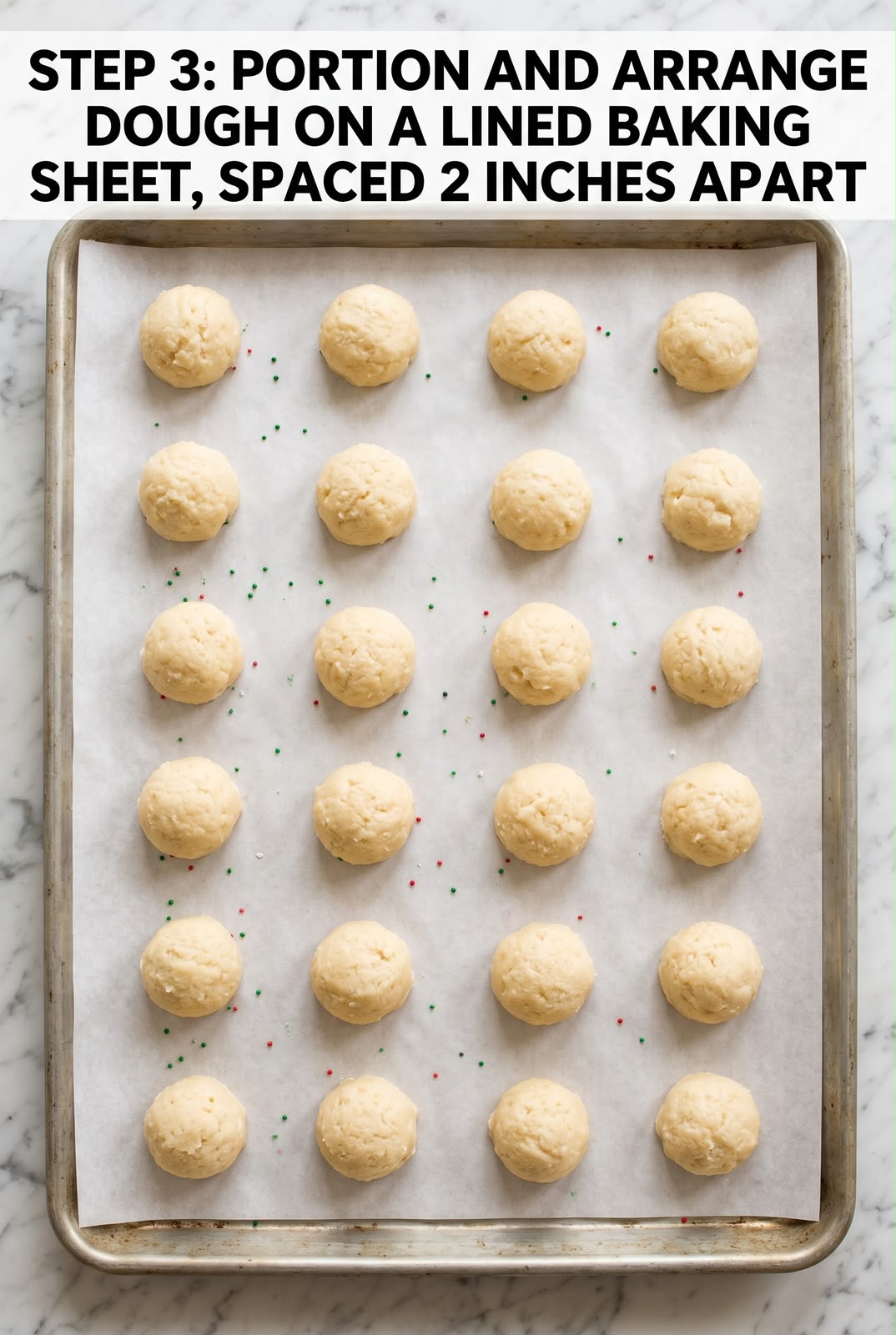
- Cool and Prepare the Glaze
Allow the cookies to cool on the baking sheet for about 5 minutes before transferring them to a wire rack to cool completely. If you attempt to glaze warm cookies, the heat will melt the glaze instantly, causing it to run off and making the cookies soggy. While the cookies cool, prepare the glaze by combining the 2 cups of powdered sugar with 1 tablespoon of milk in a shallow bowl. Stir vigorously with a whisk or fork. If the glaze is too thick to dip easily, add the second tablespoon of milk, one drop at a time, until it reaches a consistency similar to heavy cream. It should coat the back of a spoon but still flow smoothly. Taste the glaze; if you desire a stronger lemon kick, you can add a tiny bit more lemon juice, though the zest in the dough usually provides enough flavor. - Dip, Decorate, and Set
Once the cookies are completely cool, hold one by its edge and dip the top half into the glaze, allowing excess to drip back into the bowl for a few seconds. Immediately place the glazed cookie onto a wire rack set over a piece of parchment paper to catch drips. While the glaze is still wet, sprinkle red and green holiday sprinkles over the top. Work quickly, as the glaze begins to set within a minute. Repeat this process for all cookies. Let the cookies sit at room temperature for at least 30 minutes to allow the glaze to harden completely. Once hardened, the cookies can be stacked or stored. The glaze acts as a seal, keeping the interior moist for several days.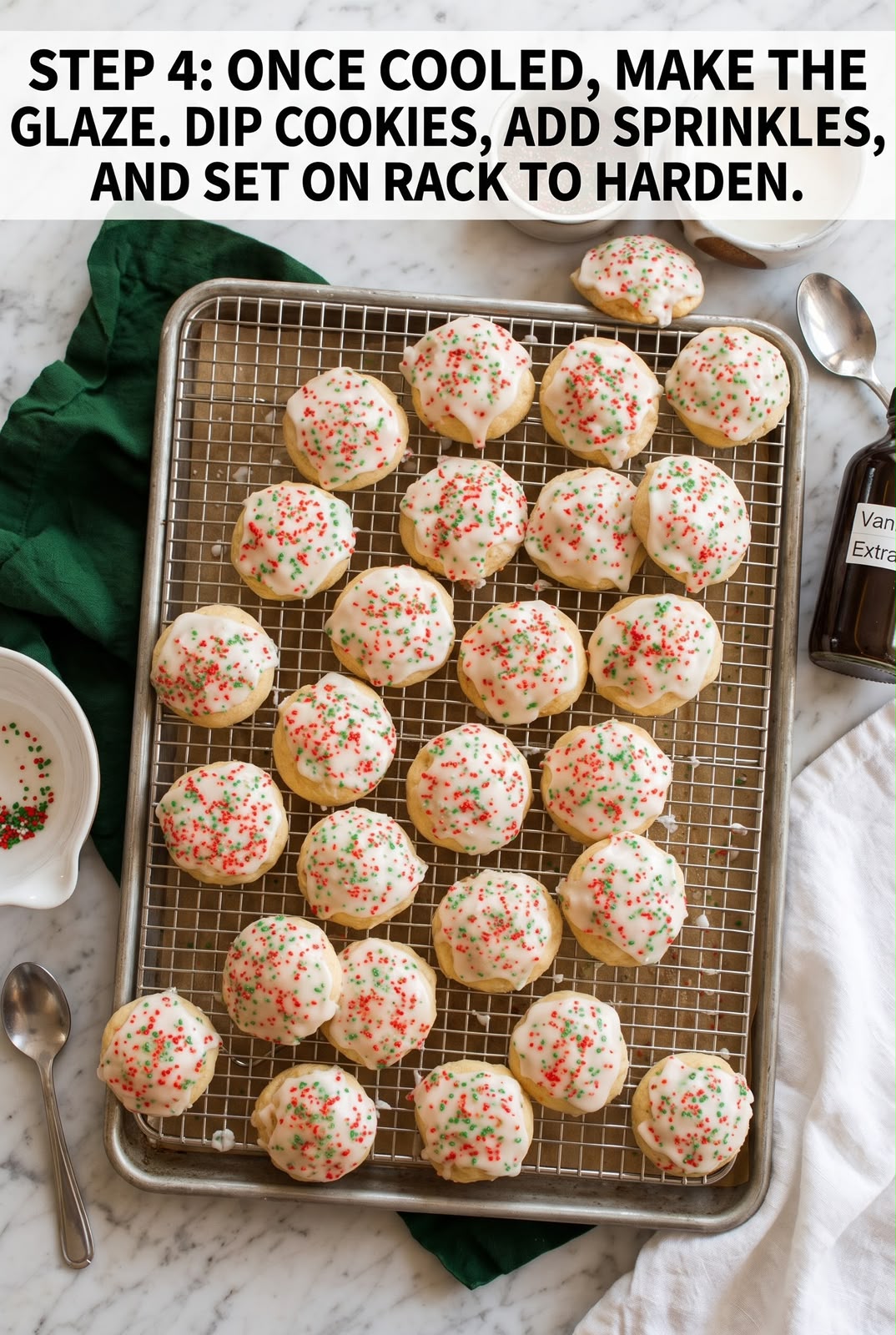
Why This Recipe Works
The secret to these cookies lies in the unique combination of ricotta cheese and butter. Unlike traditional sugar cookies that rely heavily on creamed butter and shortening, the ricotta introduces a high moisture content that creates a distinctively tender, almost cake-like crumb. The acid in the ricotta also interacts with the baking powder to enhance lift, resulting in a cookie that is soft and chewy rather than crisp or crunchy. The lemon zest and juice cut through the richness of the dairy and butter, preventing the cookies from tasting heavy or cloying. This balance makes them ideal for the holidays, offering a sophisticated flavor profile that appeals to both children and adults.
Doneness And Troubleshooting
Knowing when to pull the cookies from the oven is the most common challenge. Look for the edges to turn a very pale golden brown; the centers should remain soft and slightly underdone. They will continue to cook on the hot pan for a minute after removal. If the cookies spread too much, your butter may have been too warm when you started; chill the dough balls for 15 minutes before baking next time. If the cookies are too cakey and fall apart, you may have overmixed the flour after adding it; mix only until the streaks of flour disappear. For the glaze, if it cracks as it sets, it was likely too thick; thin it with a few more drops of milk. If it never hardens, there may be too much liquid; add a tablespoon more powdered sugar.
Substitutions And Variations
If you need to adapt this recipe, there are a few options. For a dairy-free version, you can substitute the ricotta with a high-quality dairy-free cream cheese alternative, though the texture will be slightly denser. You can swap the all-purpose flour for a 1:1 gluten-free baking blend, but note that gluten-free flours often absorb moisture differently, so you may need to reduce the milk in the glaze slightly. For a different flavor profile, replace the lemon zest with orange zest or add a pinch of cinnamon to the dry ingredients. The sprinkles can be swapped for crushed candy canes for a peppermint twist or gold dragees for a more elegant look.
Serving Suggestions
These cookies are perfect for holiday cookie exchanges, office parties, or a quiet afternoon tea. They pair exceptionally well with a glass of cold milk, hot cocoa, or a cup of black coffee. Because the glaze is sweet, serving them alongside a tart fruit salad or a slice of lemon pound cake creates a balanced dessert spread. They also make excellent gifts when packaged in clear cellophane bags tied with a festive ribbon.
Storage And Reheating
Store the cooled, glazed cookies in an airtight container at room temperature for up to 5 days. Place a sheet of parchment paper between layers to prevent the glaze from sticking to the lid or other cookies. If you live in a very humid climate, refrigeration is recommended to keep the glaze firm, though this may slightly alter the texture. To freeze, place the unglazed cookies in a freezer-safe bag for up to 3 months; glaze them after thawing for the best appearance. There is no need to reheat these cookies; they are best enjoyed at room temperature to appreciate the soft texture.
For more festive treats and seasonal inspiration, visit our collection of holiday favorites. Follow Hailee Recipes on Pinterest to save this recipe and discover new ideas for your kitchen.
Ricotta Christmas Cookies
Ingredients
Method
- Whisk flour, baking powder, and salt in a bowl.
- Beat butter, sugar, and lemon zest until fluffy.
- Add eggs, ricotta, lemon juice, and vanilla; mix until combined.
- Portion dough onto a lined baking sheet, spaced 2 inches apart.
- Bake at 350°F until edges are lightly golden.
- Cool completely, then dip in glaze and add sprinkles.