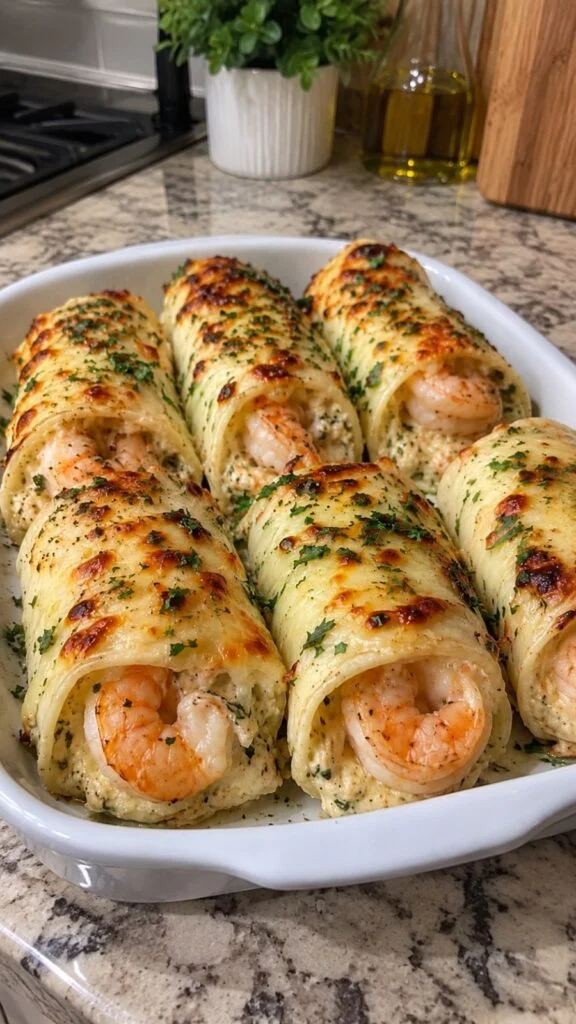
Shrimp Lasagna Rolls
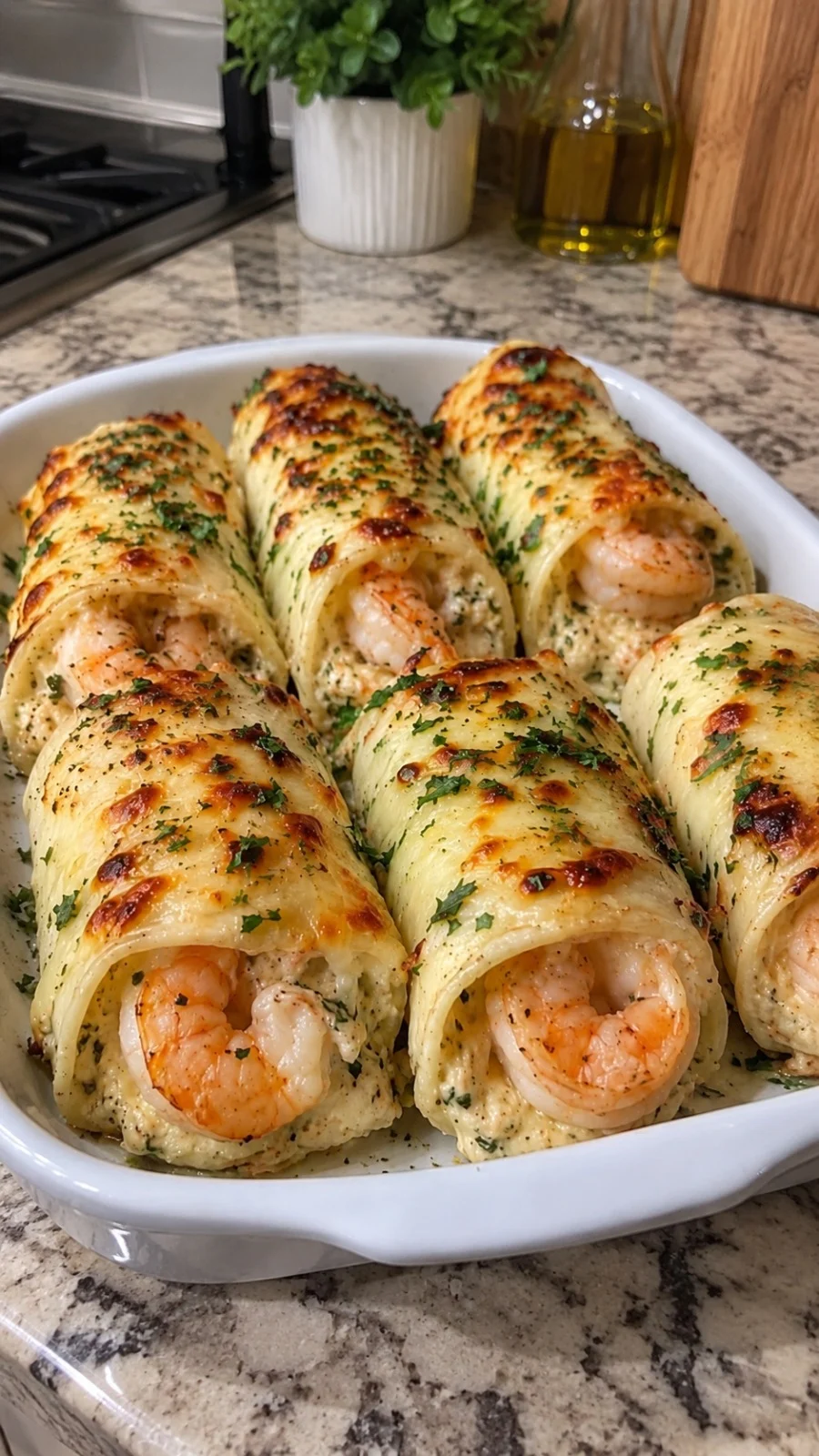
Shrimp Lasagna Rolls offer a delightful twist on a classic comfort food, transforming the traditional layered casserole into individual, bite-sized portions that are easy to serve and even easier to enjoy. This dish features tender shrimp and creamy ricotta cheese rolled inside wide, flat lasagna noodles, all bathed in a rich marinara sauce and topped with melted mozzarella. The result is a textural contrast where the pasta remains slightly chewy yet soft, the filling stays moist and savory, and the cheese creates a golden, bubbly crust. It is an ideal choice for busy weeknight dinners when you want something impressive without spending hours at the stove, or for family gatherings where guests can grab their own roll without cutting through a heavy, hot pan. By wrapping the ingredients, the flavors meld together beautifully, ensuring every bite delivers a balanced mix of briny seafood, tangy tomato, and mild dairy. For more inspiration on how to present your favorite dishes, Follow Hailee Recipes on Pinterest.
Why This Recipe Works
The concept of rolling lasagna instead of layering it solves several common cooking challenges associated with the traditional casserole. First, it eliminates the difficulty of slicing a hot, dense block of pasta without the layers sliding apart or the filling spilling out. Each roll holds its shape perfectly, making plating simple and elegant. Second, the rolling technique ensures that the ratio of pasta to filling is consistent in every piece, preventing the dry edges often found in baked lasagna. Third, by using pre-cooked or no-boil noodles, the active preparation time is significantly reduced, allowing the cook to focus on preparing the flavorful shrimp mixture rather than managing boiling water. Finally, the individual rolls allow for faster and more even heating during reheating, as there is no thick center that takes forever to warm up compared to the outer edges.
Ingredients
To make this recipe successfully, precise measurements ensure the right balance of moisture and structure. You will need standard lasagna noodles, though fresh sheets work well if available. The filling relies on the natural sweetness of the shrimp paired with the creaminess of ricotta. Fresh herbs brighten the heavy cheeses, while garlic provides a necessary aromatic base.
* 12 large lasagna noodles (no-boil or regular)
* 1 pound large shrimp, peeled, deveined, and chopped into small pieces
* 1 cup whole-milk ricotta cheese
* 1 cup shredded mozzarella cheese, divided
* 1/4 cup grated Parmesan cheese
* 1 large egg, beaten
* 1/2 cup marinara sauce, plus extra for topping
* 2 cloves garlic, minced
* 1 tablespoon fresh parsley, finely chopped
* 1 teaspoon dried oregano
* Salt and black pepper to taste
* 1 tablespoon olive oil
How To Make Shrimp Lasagna Rolls
- Prepare the Pasta and Filling Base: If using regular lasagna noodles, boil them in salted water according to package directions until they are al dente but still firm enough to handle. Drain and lay them flat on clean kitchen towels to prevent sticking. If using no-boil noodles, follow the package instructions for soaking or pre-cooking if required. In a medium mixing bowl, combine the chopped shrimp, ricotta cheese, half of the mozzarella, Parmesan, beaten egg, minced garlic, parsley, oregano, salt, and pepper. Mix gently until just combined; overmixing can make the shrimp tough.
- Sauté the Shrimp Mixture: Heat the olive oil in a large skillet over medium heat. Add the remaining raw shrimp pieces (if not fully incorporated into the cheese mix yet, though the recipe above assumes they are mixed) or sauté any reserved shrimp separately for 2-3 minutes until they turn pink and opaque. Do not overcook them here, as they will finish baking in the oven. Stir the cooked shrimp into the cheese mixture along with the 1/2 cup of marinara sauce used for binding. Taste the filling and adjust seasoning if needed.
- Assemble the Rolls: Preheat your oven to 375°F (190°C). Spread a thin layer of marinara sauce on the bottom of a 9×13 inch baking dish. Place one lasagna noodle flat on a cutting board or counter. Spoon about 2 to 3 tablespoons of the shrimp and cheese filling onto the lower third of the noodle. Roll the noodle tightly around the filling, tucking in the sides as you go to create a neat cylinder. Place the roll seam-side down in the prepared baking dish. Repeat this process with the remaining noodles and filling, arranging them snugly side-by-side so they support each other during baking.
- Add Sauce and Cheese Topping: Pour the remaining marinara sauce evenly over the top of the rolls, ensuring they are mostly covered but leaving some of the pasta visible for texture. Sprinkle the remaining mozzarella cheese generously over the sauce. If desired, add a pinch of extra oregano or red pepper flakes for a hint of heat.
- Bake Until Golden: Cover the baking dish with aluminum foil and bake for 20 minutes. Remove the foil and continue baking for another 10 to 15 minutes, or until the cheese is bubbling and starting to brown in spots, and the internal temperature of the rolls reaches 165°F (74°C). Let the rolls rest in the pan for 5 to 10 minutes before serving. This resting period allows the cheese to set slightly, making it much easier to lift the rolls from the dish without breaking.
Doneness And Troubleshooting
Determining when the rolls are ready involves checking both visual cues and internal temperature. The cheese should be fully melted with golden-brown bubbles forming on the surface. If the sauce looks too dry before the cheese browns, you can sprinkle a few tablespoons of water or extra broth over the top and re-cover with foil for a few minutes to steam the pasta. Conversely, if the cheese is browning too quickly while the pasta feels undercooked, tent the dish loosely with foil to slow down the browning while the interior finishes cooking.
If the rolls break apart when you try to move them, it usually means they were not rolled tightly enough or the pasta was overcooked before assembly. Ensure you use a firm hand when rolling and check the pasta texture immediately after boiling. Another common issue is a runny filling; this happens if the ricotta is too wet or if the shrimp released too much liquid. To fix this, drain the ricotta in a fine-mesh sieve for 15 minutes before mixing, and ensure the shrimp are patted very dry before chopping.
Substitutions And Variations
While the core ingredients create the authentic flavor profile, there are flexible options for dietary needs or pantry constraints. For a gluten-free version, substitute the standard wheat lasagna noodles with certified gluten-free pasta sheets. Note that gluten-free noodles may require different cooking times and can be more fragile, so handle them with extra care. If you prefer a lighter protein, you can replace half the shrimp with diced chicken breast or white mushrooms, though the cooking time for the filling may need adjustment.
For those who do not eat seafood, simply omit the shrimp and increase the amount of spinach or zucchini in the filling. Sautéed spinach adds volume and nutrients without altering the texture significantly. If you want a spicy kick, stir a teaspoon of red pepper flakes or a dash of cayenne pepper into the cheese mixture. You can also swap the marinara sauce for a Alfredo sauce for a white lasagna roll variation, though the cooking dynamics remain similar. Always label substitutions clearly if serving others with allergies.
Serving Suggestions
These rolls pair exceptionally well with a crisp green salad dressed in a light vinaigrette to cut through the richness of the cheese and sauce. A side of roasted broccoli or garlic bread complements the Italian flavors nicely. Because the rolls are individual portions, they are perfect for serving alongside a glass of Chianti or a crisp Pinot Grigio. Garnish each plate with a fresh sprig of parsley or a dusting of Parmesan cheese just before serving to enhance the visual appeal. They are also excellent for potlucks, as they hold their shape well when transported in a covered dish.
Storage And Reheating
Leftover Shrimp Lasagna Rolls can be stored in an airtight container in the refrigerator for up to three days. To maintain quality, ensure the rolls are completely cool before sealing the container to prevent condensation from making the pasta soggy. When reheating, place the rolls in an oven-safe dish, cover with foil, and warm at 350°F (175°C) for 15-20 minutes until heated through. Microwaving is possible but may result in uneven heating or a rubbery texture for the pasta.
For longer storage, you can freeze the unbaked rolls. Arrange the assembled rolls in the baking dish, cover tightly with plastic wrap and then foil, and freeze for up to two months. When ready to cook, thaw overnight in the refrigerator before baking as directed, adding an extra 10 minutes to the covered baking time. Cooked leftovers can also be frozen, but the texture of the shrimp may become slightly softer upon thawing. Always reheat frozen leftovers to an internal temperature of 165°F (74°C) to ensure food safety.
A Final Note
This recipe demonstrates that complex-looking meals can be achieved with straightforward techniques and accessible ingredients. The key to success lies in handling the pasta gently and ensuring the filling is seasoned well before assembly. By following these steps, you will produce a dish that is comforting, visually appealing, and satisfying for any occasion. Enjoy the process of creating these delicious rolls, and remember that slight variations in ingredient brands or sizes are normal and will not detract from the final result.
Ingredients
Method
- Prepare the pasta and mix the filling ingredients in a bowl.
- Sauté the shrimp briefly and combine with the cheese mixture.
- Assemble the rolls by spreading filling on noodles and rolling tightly.
- Place rolls in a baking dish, top with sauce and remaining cheese.
- Bake covered for 20 minutes, then uncovered for 10-15 minutes until golden.