Slow Cooker Cabbage Roll Casserole
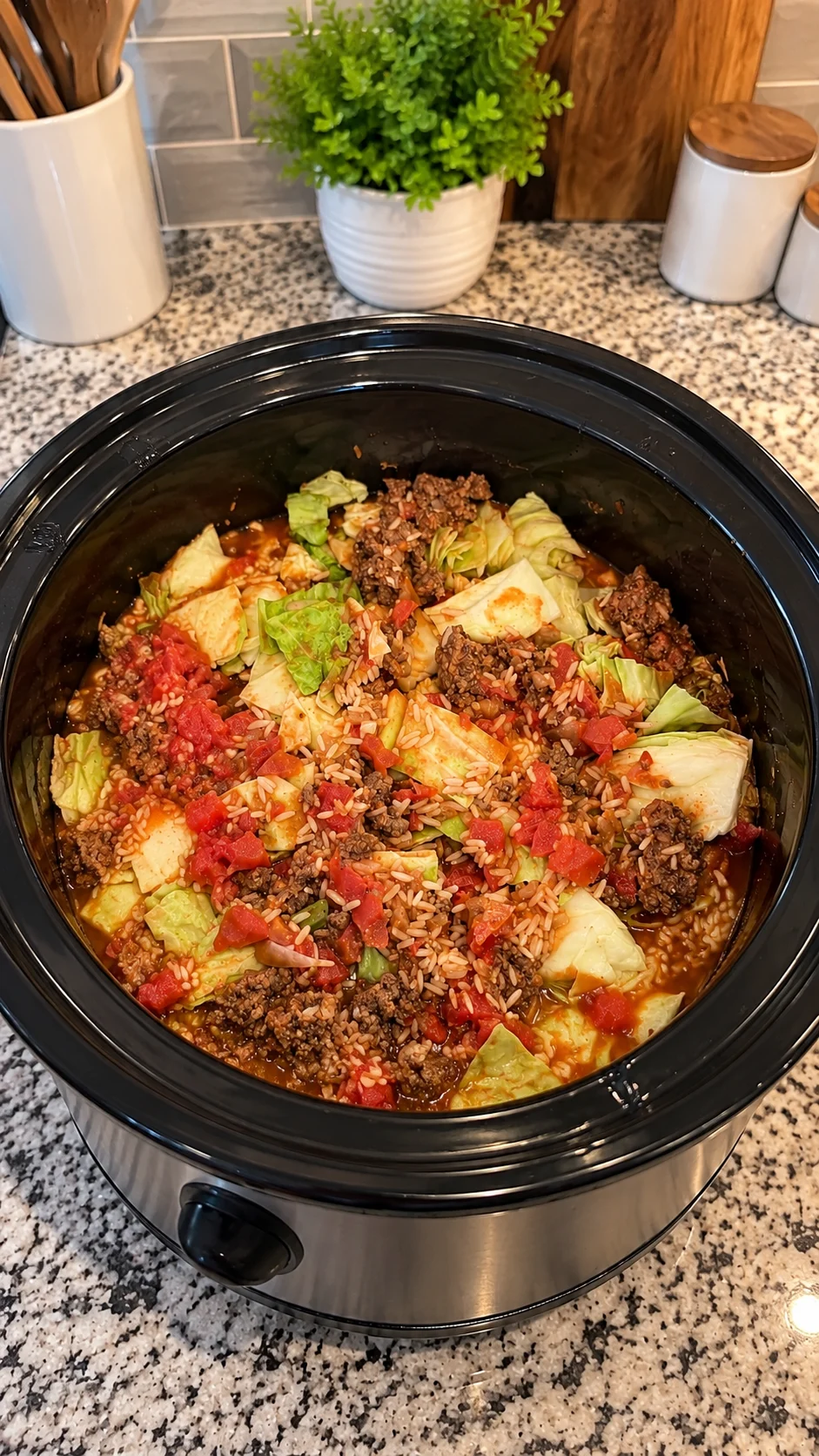
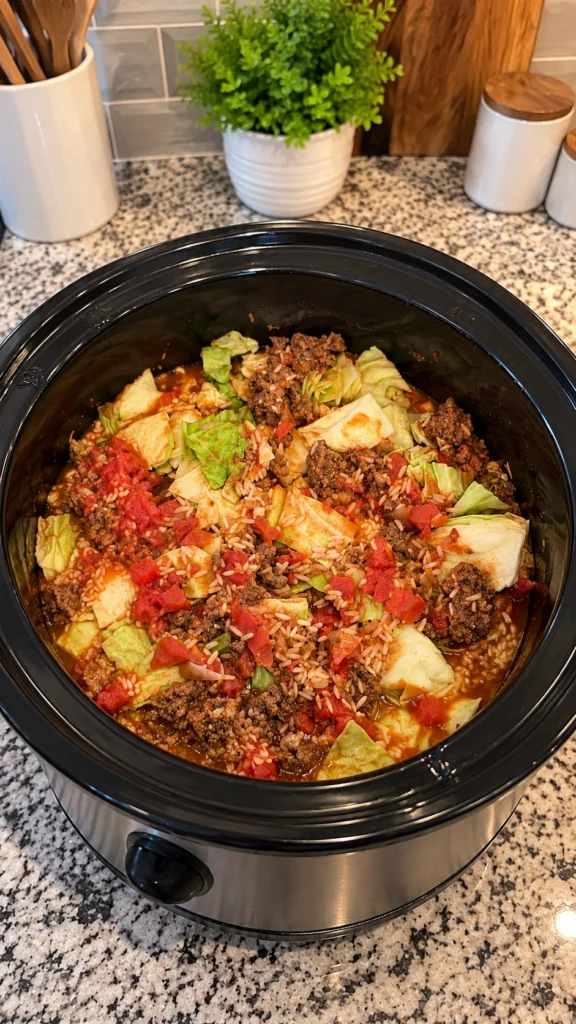
Slow Cooker Cabbage Roll Casserole transforms the classic comfort of stuffed cabbage leaves into a simplified, one-pot meal that delivers deep, savory flavors without the labor-intensive rolling process. This dish features tender wedges of green cabbage simmered alongside seasoned ground beef, uncooked rice, and a rich, tangy tomato sauce until everything melds into a cohesive, hearty stew. The result is a comforting dinner with soft, sweet cabbage leaves that have absorbed the savory juices of the meat and spices, paired with fluffy grains that have cooked perfectly in the slow cooker’s moist environment. It is an ideal solution for busy weeknights when you want a home-cooked meal that feels substantial and nourishing but requires minimal active effort. The aroma of garlic, onion, and paprika filling your kitchen signals a warm, satisfying evening ahead, making this casserole a reliable choice for families seeking a budget-friendly, crowd-pleasing dinner.
For more delicious recipes like this one, Follow Hailee Recipes on Pinterest.
Why This Recipe Works
The primary challenge with traditional cabbage rolls lies in the preparation: blanching whole leaves to make them pliable, mixing the filling, and carefully wrapping each portion. This casserole approach eliminates those steps entirely while preserving the essential flavor profile. By using large wedges of cabbage rather than individual leaves, the vegetable retains its structural integrity during the long cooking process, preventing it from turning into mush. The slow cooker provides a gentle, consistent heat that allows the raw rice to absorb liquid gradually, ensuring the grains cook through without becoming gummy or undercooked.
The combination of ground beef and diced tomatoes creates a natural broth as the meat renders its fat and the tomatoes break down. This liquid is crucial for hydrating the rice and softening the cabbage simultaneously. The method relies on the steam trapped within the slow cooker to act as a braising agent, infusing the cabbage with the savory notes of the beef and the acidity of the tomatoes. This technique ensures that every bite offers a balance of textures: the slight crunch of the cabbage stem transitioning into a melt-in-your-mouth tenderness, contrasted by the chewiness of the cooked rice and the richness of the seasoned meat.
Ingredients
This recipe utilizes standard pantry staples and fresh produce to create a robust flavor base. The ingredient list is designed to be straightforward, ensuring that you can gather everything needed without special trips to the store.
- Ground Beef: 1 pound (450g) of lean ground beef, ideally 85% lean or 90% lean to balance flavor with less grease.
- Cabbage: 1 medium head of green cabbage, cut into 6 to 8 large wedges, keeping the core intact to hold the leaves together.
- Rice: 1 cup of uncooked white long-grain rice; do not use instant or pre-cooked rice as they will disintegrate.
- Diced Tomatoes: 1 can (14.5 ounces) of diced tomatoes, undrained, to provide the necessary liquid and acidity.
- Tomato Sauce: 1 can (8 ounces) of tomato sauce to thicken the mixture and add depth.
- Onion: 1 medium yellow onion, finely chopped.
- Garlic: 3 cloves of garlic, minced.
- Brown Sugar: 2 tablespoons to balance the acidity of the tomatoes and enhance the savory notes.
- Paprika: 1 teaspoon of smoked or sweet paprika for color and mild warmth.
- Salt and Black Pepper: 1 teaspoon of salt and ½ teaspoon of freshly ground black pepper, adjusted to taste.
- Water: 1 cup of water to ensure sufficient liquid for the rice to absorb.
How To Make Slow Cooker Cabbage Roll Casserole
- Prepare the Vegetables and Meat: Begin by cutting the cabbage into wedges. Remove any wilted outer leaves, then slice the head vertically through the core to create 6 to 8 sturdy wedges. Set these aside. In a large skillet over medium-high heat, add the ground beef and chopped onion. Cook the mixture, breaking up the beef with a wooden spoon, until the meat is browned and no longer pink. Drain any excess fat if necessary, though leaving a small amount can add flavor. Stir in the minced garlic and cook for another minute until fragrant. Transfer this meat and onion mixture directly into the slow cooker.
- Combine the Liquids and Seasonings: Into the slow cooker with the meat, add the undrained diced tomatoes, the can of tomato sauce, the water, brown sugar, paprika, salt, and black pepper. Use a spatula to scrape the bottom of the skillet to incorporate any flavorful browned bits left behind. Stir everything thoroughly to ensure the seasonings are evenly distributed throughout the liquid base.
- Add the Rice and Cabbage: Sprinkle the uncooked rice over the top of the meat and sauce mixture. Do not stir it in yet; let it sit on top so it absorbs liquid as it cooks. Carefully nestle the cabbage wedges into the slow cooker, pushing them down gently so they are partially submerged in the sauce. If the wedges float too high, you may need to add a splash more water or simply press them down slightly. Ensure the rice is covered by the liquid as much as possible to prevent it from drying out.
- Cook Low and Slow: Cover the slow cooker with the lid. Set the appliance to the low setting and cook for 7 to 8 hours. Avoid lifting the lid frequently, as this releases the steam needed to cook the rice and soften the cabbage. After 7 hours, check the doneness of the rice and cabbage. The rice should be tender, and the cabbage should be easily pierced with a fork but still holding its wedge shape.
- Final Adjustments and Serving: Once the rice is cooked and the cabbage is tender, turn off the slow cooker. If the mixture looks too thick, stir in an additional quarter cup of water. Taste the sauce and adjust the seasoning with more salt or pepper if needed. Let the casserole rest for 10 minutes before serving to allow the flavors to settle and the sauce to thicken slightly. Serve the cabbage wedges alongside the meat and rice mixture, ladling extra sauce over the top.

Doneness And Troubleshooting
Success with this dish relies heavily on recognizing visual and textural cues. The most common issue is undercooked rice, which happens if there isn’t enough liquid or if the slow cooker runs cooler than expected. If you open the lid after 7 hours and the rice is still hard, add ½ cup of hot water, cover, and continue cooking for another 30 to 45 minutes. Conversely, if the rice is mushy and the cabbage has turned to puree, the dish was likely overcooked; in future attempts, reduce the time by 30 minutes.
The cabbage wedges should be bright green with some translucent edges where they have absorbed the sauce. They must be tender enough to cut with a fork but not falling apart into separate leaves. If the cabbage is still crunchy after the full cooking time, the wedges may have been too thick; try cutting smaller wedges next time. The internal temperature of the meat should reach at least 160°F (71°C), which is naturally achieved during the browning step and maintained throughout the slow cooking process.
Substitutions And Variations
This recipe is adaptable to various dietary preferences and pantry constraints. For a lighter version, substitute the ground beef with ground turkey or ground chicken. Note that poultry is leaner, so you may want to add a tablespoon of olive oil to the skillet when browning the meat to prevent sticking and add moisture. If you prefer a gluten-free meal, ensure your tomato sauce and diced tomatoes are certified gluten-free, as some brands contain wheat-based thickeners.
You can also swap the white rice for brown rice, but be aware that brown rice requires significantly more liquid and a longer cooking time. If using brown rice, increase the water to 1½ cups and extend the cooking time to 9 or 10 hours on low. For a creamy variation, stir in ½ cup of sour cream or Greek yogurt during the last 15 minutes of cooking. This adds a tangy richness that complements the tomato base beautifully. If you enjoy heat, add a pinch of red pepper flakes or a dash of hot sauce to the liquid mixture before cooking.
Serving Suggestions
Slow Cooker Cabbage Roll Casserole is a complete meal on its own, but it pairs well with simple sides to round out the dining experience. A crisp green salad with a vinaigrette dressing cuts through the richness of the beef and tomato sauce. Crusty bread or dinner rolls are excellent for soaking up any remaining sauce on the plate. For a heartier presentation, serve the casserole topped with a dollop of sour cream and a sprinkle of fresh parsley or chives. Some households enjoy adding a side of buttered egg noodles or mashed potatoes to make the meal even more substantial.
Storage And Reheating
Leftovers can be stored in an airtight container in the refrigerator for up to 4 days. The flavors often improve overnight as the rice continues to absorb the sauce. When reheating, place the desired portion in a microwave-safe bowl and cover loosely. Heat in 1-minute intervals, stirring gently between intervals, until the dish is heated through. If the casserole seems dry after refrigeration, add a splash of water or broth before reheating to restore the original consistency.
For longer storage, you can freeze the casserole. Allow the dish to cool completely to room temperature before transferring it to a freezer-safe container or heavy-duty freezer bag. Label with the date and freeze for up to 3 months. To thaw, move the container to the refrigerator 24 hours before you plan to eat it. Reheat in the oven at 350°F (175°C) covered with foil for about 20 minutes, or in the microwave until hot. Avoid refreezing previously frozen leftovers to maintain food safety and quality.
This Slow Cooker Cabbage Roll Casserole offers a practical way to enjoy a beloved comfort food classic with minimal cleanup and maximum flavor. By simplifying the assembly while respecting the traditional ingredients, you get a meal that feeds a family warmly and reliably. Whether you are feeding a hungry crew after a long day or preparing a lunch for the week ahead, this dish stands as a testament to the power of slow cooking to transform simple ingredients into something deeply satisfying.
Slow Cooker Cabbage Roll Casserole
Ingredients
Method
- Brown ground beef and chopped onion in a skillet; drain excess fat and transfer to slow cooker. Add garlic and cook for 1 minute.
- Add diced tomatoes, tomato sauce, water, brown sugar, paprika, salt, and pepper to the slow cooker; stir to combine.
- Sprinkle uncooked rice over the meat mixture. Nestle cabbage wedges into the pot, ensuring they are partially submerged.
- Cover and cook on low for 7 to 8 hours until rice is tender and cabbage is soft.
- Stir gently before serving; adjust seasoning if needed.