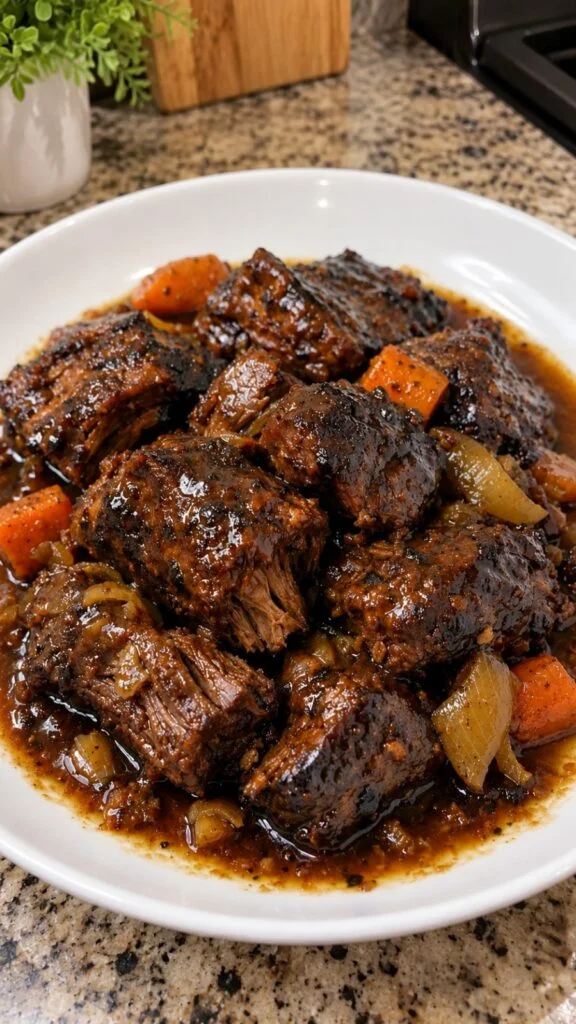
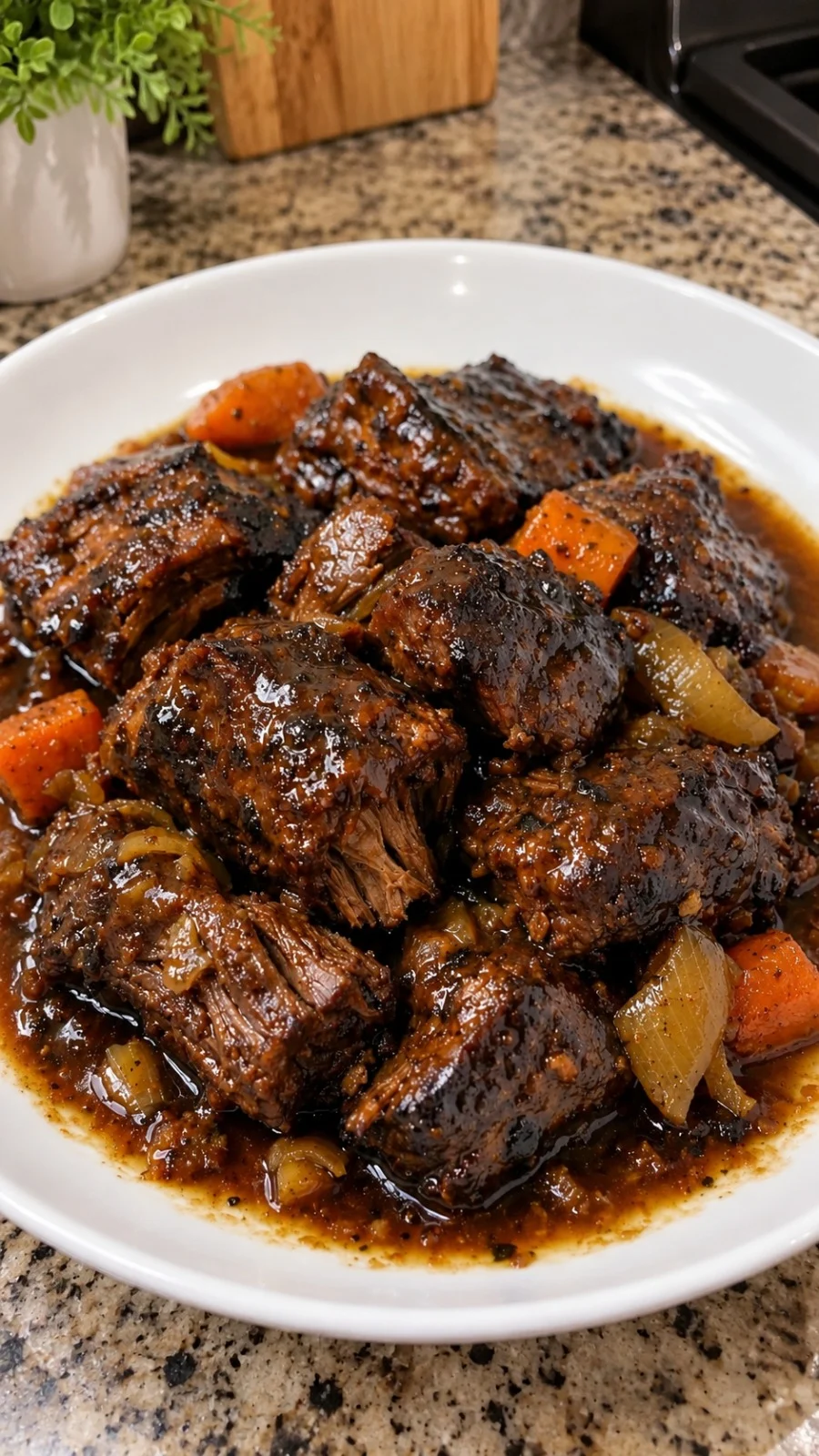
A Slow Cooker Pot Roast is the definition of comfort food, transforming a tough, economical cut of beef into something tender enough to fall apart with a fork. The result is a rich, dark gravy that clings to chunks of carrots and onions, creating a meal that feels substantial and deeply satisfying without requiring constant attention. This dish is particularly useful on busy weeknights or when you need a reliable centerpiece for a family gathering, as it cooks unattended while you handle other tasks. The slow, moist heat breaks down connective tissue over several hours, ensuring the meat remains juicy rather than drying out. It is a classic preparation that relies on simple ingredients but delivers complex, savory flavors that warm the home from the inside out.
For more delicious recipes and inspiration, Follow Hailee Recipes on Pinterest.
Why This Recipe Works
The success of this pot roast lies in the chemistry of low-and-slow cooking. Tough cuts of beef, such as chuck roast, are packed with collagen. When exposed to high heat quickly, these proteins tighten and squeeze out moisture, resulting in dry, chewy meat. However, when cooked slowly at a low temperature in a moist environment, the collagen converts into gelatin. This process creates a silky texture and thickens the cooking liquid naturally, eliminating the need for heavy roux-based thickeners.
Using a slow cooker provides a consistent, gentle heat that surrounds the meat evenly. Unlike an oven where heat radiates from the top and sides, the ceramic walls of a slow cooker maintain a steady temperature that prevents the exterior from overcooking before the interior becomes tender. The vegetables placed beneath and around the roast steam in their own juices and the beef drippings, absorbing the savory flavors of the meat and herbs. This method ensures that every component of the dish reaches its peak flavor simultaneously, creating a cohesive meal where the sauce is just as important as the protein.
Ingredients
To make a traditional and reliable pot roast, you need a few high-quality staples. The foundation is a well-marbled chuck roast, which provides the fat necessary for flavor and tenderness. You will also need aromatic vegetables to build the flavor base, along with a liquid to create the braising environment.
- 3 to 4 pounds beef chuck roast: Look for good marbling (white flecks of fat throughout the meat). Trim excess hard fat caps, but leave some intramuscular fat for flavor.
- 1 large yellow onion: Cut into thick wedges or large chunks.
- 4 large carrots: Peel and cut into 2-inch pieces.
- 4 cloves garlic: Minced or smashed with the flat side of a knife.
- 2 cups beef broth: Use a low-sodium variety so you can control the salt level yourself.
- 1 tablespoon tomato paste: Adds depth and a touch of sweetness to the gravy.
- 1 teaspoon dried thyme: Or 1 tablespoon fresh thyme leaves.
- 1 teaspoon dried rosemary: Crushed slightly between your fingers to release oils.
- 1 teaspoon kosher salt: Adjust to taste based on the saltiness of your broth.
- ½ teaspoon black pepper: Freshly ground is best.
- 2 tablespoons all-purpose flour: Optional, used for thickening the gravy if desired.
- 2 tablespoons olive oil: For searing the meat.
How To Make Slow Cooker Pot Roast
- Sear the Beef: Pat the chuck roast completely dry with paper towels. Season generously on all sides with salt and pepper. Heat the olive oil in a large skillet over medium-high heat until shimmering. Carefully place the roast in the pan and sear for 3 to 4 minutes per side until a deep brown crust forms. Do not crowd the pan; if necessary, sear in batches. Transfer the seared roast to the slow cooker insert.
- Prepare the Aromatics: In the same skillet, add the onion wedges and carrot pieces. Sauté them for about 3 minutes until they begin to soften and take on a little color. Add the minced garlic and cook for another minute until fragrant. Scrape up any browned bits stuck to the bottom of the pan, as these contain concentrated flavor.
- Combine Ingredients: Place the sautéed vegetables on top of and around the roast in the slow cooker. Sprinkle the dried thyme and rosemary over the meat and vegetables. Stir the tomato paste into the beef broth in a measuring cup until smooth, then pour the mixture over everything in the slow cooker. The liquid should come about halfway up the sides of the roast, not submerge it completely.
- Slow Cook: Cover the slow cooker with the lid. Cook on the Low setting for 8 to 9 hours. If you need to speed things up, you can cook on High for 5 to 6 hours, though Low yields a more tender texture. Avoid lifting the lid frequently, as this releases heat and extends the cooking time significantly.
- Thicken the Gravy (Optional): Once the meat is tender, remove it to a cutting board and tent with foil. If you prefer a thicker gravy, mix the flour with a small amount of cold water to create a slurry. Stir this into the hot liquid in the slow cooker. Cover and cook on High for an additional 15 to 20 minutes until the sauce has thickened to your liking. Alternatively, you can transfer the liquid to a saucepan on the stove to reduce and thicken it.

Doneness And Troubleshooting
Determining when the pot roast is ready requires checking the texture rather than relying solely on a timer. The meat is done when it shreds easily with a fork or pulls apart with minimal resistance. If you insert a fork into the thickest part of the roast and twist gently, the meat should separate cleanly. If the meat still feels firm or rubbery, continue cooking. It is better to undercook slightly and wait longer than to serve tough meat.
If the gravy turns out too thin after cooking, you have two options. You can whisk in a cornstarch slurry (equal parts cornstarch and cold water) directly into the slow cooker and cook on High for 15 minutes. Alternatively, skim the fat from the surface of the liquid using a spoon or fat separator, then simmer the liquid in a saucepan on the stovetop until it reduces and thickens naturally. If the roast seems dry despite the liquid, check that the lid was sealed tightly during cooking to prevent evaporation. Conversely, if the liquid evaporates too much, simply add a splash of water or broth to rehydrate the vegetables and meat.
Substitutions And Variations
This recipe is flexible, allowing for adjustments based on dietary preferences or what is available in your pantry. For a lower-carb option, you can replace the carrots with turnips or parsnips, which hold their shape well during long cooking times. If you do not have fresh herbs, dried herbs work perfectly fine; just use one-third the amount called for fresh herbs. Rosemary and thyme are classic pairings, but a bay leaf added during cooking can provide a subtle earthy note.
You can substitute beef broth with red wine for a richer, deeper flavor profile. If using wine, choose a dry variety like Cabernet Sauvignon and ensure the alcohol cooks off by letting the mixture simmer briefly before adding the meat. For those who prefer a sweeter undertone, adding a tablespoon of brown sugar or a few whole pearl onions instead of chopped ones works well. Always keep substitutions in mind regarding cooking times; root vegetables like potatoes may become mushy if added too early, so consider adding them in the last hour of cooking if you want them to retain some structure.
Serving Suggestions
Serve the pot roast immediately after slicing against the grain to ensure maximum tenderness. The generous amount of gravy makes it ideal for spooning over creamy mashed potatoes, which act as a perfect vehicle for soaking up the savory juices. Steamed green beans, roasted Brussels sprouts, or a simple garden salad provide a crisp contrast to the soft textures of the roast and vegetables. Crusty bread is excellent for dipping into the remaining sauce. For a heartier meal, you can shred the leftover meat and return it to the gravy to serve over egg noodles or rice.
Storage And Reheating
Leftover pot roast keeps well in the refrigerator. Allow the meat and gravy to cool to room temperature within two hours of cooking, then transfer them to an airtight container. Stored properly, the dish will remain safe to eat for 3 to 4 days. Interestingly, the flavors often improve the next day as the spices have more time to meld with the meat and vegetables.
To freeze the leftovers, portion the meat and gravy into freezer-safe bags or containers, removing as much air as possible. Label with the date and freeze for up to 3 months. Thaw overnight in the refrigerator before reheating. Reheat gently on the stovetop over low heat or in the microwave, adding a splash of water or broth if the gravy has thickened too much during storage. Avoid boiling the meat vigorously when reheating, as this can make the texture stringy.
Remember that patience is key when making this dish. Taking the time to sear the meat and let it slow cook results in a meal that rewards your effort with exceptional flavor and texture. Enjoy the warmth of this classic comfort dish with your family.
Slow Cooker Pot Roast
Ingredients
Method
- Pat the roast dry and season with salt and pepper. Sear in hot oil in a skillet until browned on all sides, then transfer to the slow cooker.
- Sauté onions and carrots in the same skillet for 3 minutes, add garlic for 1 minute, then transfer vegetables to the slow cooker.
- Mix tomato paste into the beef broth and pour over the meat and vegetables. Sprinkle with thyme and rosemary.
- Cover and cook on Low for 8 to 9 hours until the meat is fork-tender.
- Remove meat to rest. Whisk flour with cold water to make a slurry, stir into the liquid, and cook on High for 15 minutes to thicken.