Spicy Pickled Carrots
Spicy Pickled Carrots
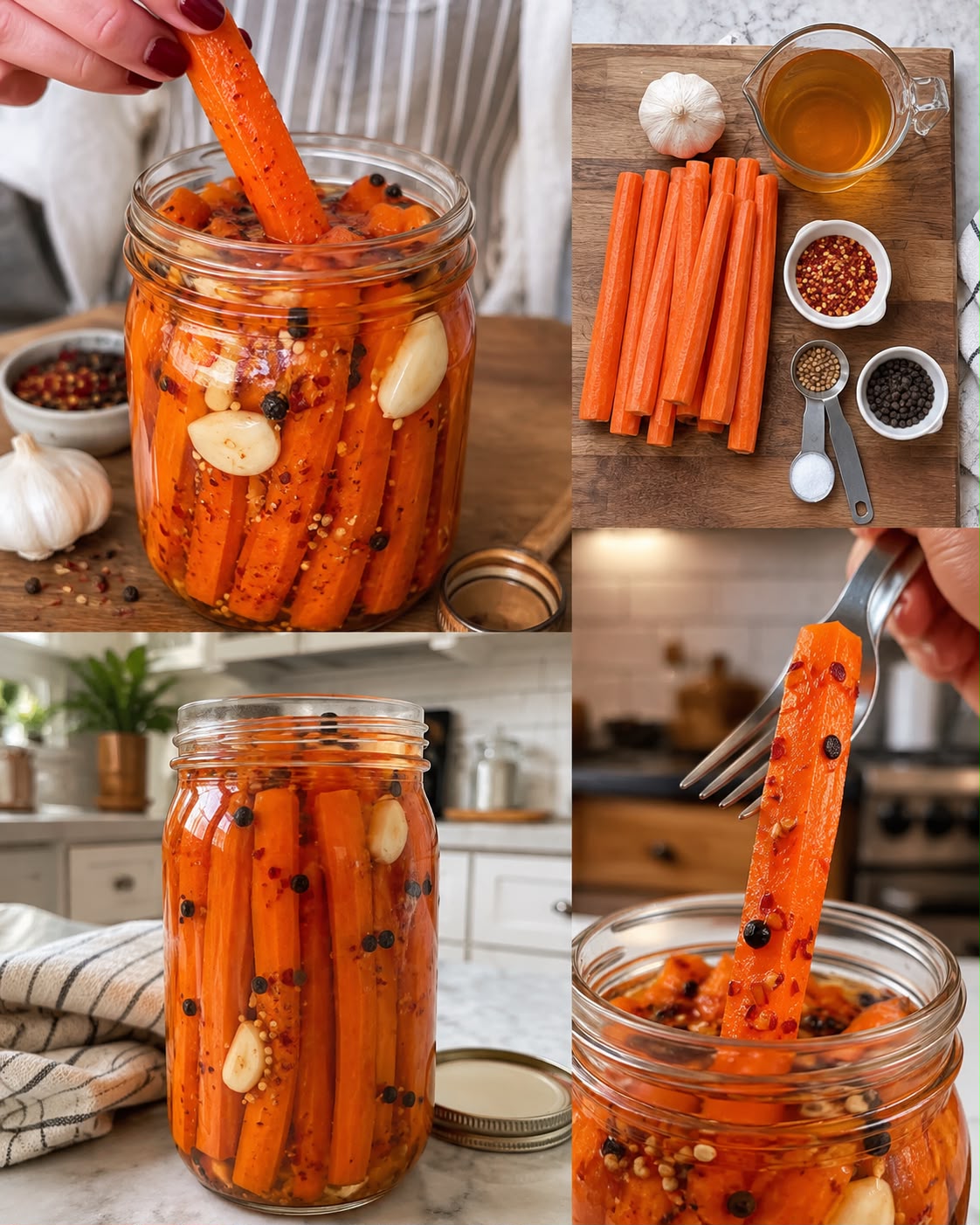
Spicy Pickled Carrots offer a vibrant crunch and a bold balance of heat, acid, and earthiness that transforms simple root vegetables into a pantry staple. These carrots are not merely a garnish; they are a condiment designed to cut through rich, fatty dishes or to add a zesty kick to grain bowls and sandwiches. The texture remains firm and crisp, providing a satisfying snap that contrasts beautifully with soft proteins or creamy sauces. This recipe relies on a quick-pickling method, meaning the carrots absorb the brine’s flavor within hours rather than weeks, making them an ideal solution for last-minute meal planning. Whether you are serving tacos, charcuterie boards, or roasted chicken, these bright orange sticks bring a necessary pop of color and complexity to the table.
For more inspiration on preserving seasonal produce and creating bold flavors, Follow Hailee Recipes on Pinterest.
Why This Recipe Works
The success of this dish lies in the precise ratio of vinegar to water and the strategic use of whole spices. Unlike traditional long-term pickles that rely on fermentation or heavy sugar content, this quick-pickle approach preserves the natural sweetness of the carrot while introducing a sharp, tangy profile. The inclusion of black peppercorns and mustard seeds provides a foundational warmth that lingers on the palate, while red pepper flakes deliver an immediate, clean heat without overwhelming the vegetable’s texture.
Using carrot sticks rather than rounds increases the surface area exposed to the brine, allowing for faster flavor penetration. This geometric choice ensures that every bite is evenly seasoned. Furthermore, the method requires no canning equipment or pressure cookers, making it accessible for any kitchen setup. The result is a condiment that maintains its structural integrity even after days in the refrigerator, offering a reliable crunch that many other pickled vegetables lose over time.
Ingredients
To achieve the correct balance of heat and acidity, precise measurements are essential. The following ingredients form the core of this recipe, ensuring the flavors meld correctly without one element dominating the others.
- Carrots: 1 pound (450g), peeled and cut into uniform sticks approximately 3 inches long and ¼ inch thick.
- White Vinegar: 1 cup (240ml), 5% acidity.
- Water: 1 cup (240ml), cold.
- Salt: 1 tablespoon, fine sea salt or kosher salt.
- Garlic Cloves: 4 cloves, lightly smashed to release their oils but left whole.
- Red Pepper Flakes: 1 teaspoon, adjust based on desired heat level.
- Black Peppercorns: 1 teaspoon, whole.
- Mustard Seeds: 1 teaspoon, yellow or brown.
How To Make Spicy Pickled Carrots
- Prepare the Vegetables: Begin by washing the carrots thoroughly under cold running water. Peel them to remove the outer skin, which can sometimes be tough or bitter depending on the age of the vegetable. Cut the carrots into sticks that are roughly 3 inches in length and about ¼ inch thick. Uniformity is critical here; if some pieces are significantly thicker than others, they will take longer to pickle and may remain crunchy while thinner pieces become too soft. Place the prepared carrot sticks into a medium-sized saucepan or a heat-safe bowl.
- Combine the Brine Ingredients: In the same saucepan used for the carrots, combine the white vinegar, water, salt, garlic cloves, red pepper flakes, black peppercorns, and mustard seeds. Ensure the salt is measured accurately, as it acts as a preservative and helps draw moisture out of the carrots slightly to enhance the brine absorption. Do not add the carrots to the liquid yet if you prefer to keep the pan clean for heating, though adding them now is acceptable if the pot is large enough.
- Heat the Mixture: Place the saucepan over medium-high heat. Bring the liquid mixture to a rolling boil, stirring occasionally to ensure the salt has completely dissolved. Once the liquid reaches a vigorous boil, reduce the heat slightly to maintain a steady simmer for about 2 minutes. This brief cooking period helps to soften the raw edge of the garlic and releases the essential oils from the peppercorns and mustard seeds, infusing the brine with maximum aroma before it hits the vegetables.
- Pour and Submerge: Carefully pour the hot brine directly over the carrot sticks in the saucepan or transfer everything into a glass jar or food-safe container. It is vital that the carrots are completely submerged in the liquid. If using a jar, press the carrots down gently with a spoon or chopstick to ensure no air pockets remain at the top. The liquid should cover the carrots by at least half an inch to prevent spoilage and ensure even pickling.
- Cool and Chill: Allow the mixture to cool to room temperature naturally. This process usually takes about 30 to 45 minutes. Do not rush this step by placing the hot container directly into the refrigerator, as rapid cooling can cause glass jars to crack and may affect the texture of the carrots. Once the liquid is no longer steaming and feels warm to the touch, seal the container tightly and place it in the refrigerator. Let the carrots sit for at least 4 hours, though overnight yields the best flavor development. The carrots are ready to eat once they have turned a deeper shade of orange and have absorbed the spicy, tangy notes of the brine.
Doneness And Troubleshooting
Determining when the pickled carrots are ready involves observing both color and texture. After the initial 4-hour chilling period, remove a stick and taste it. The carrot should still retain a distinct crunch, often described as “al dente.” If the carrot tastes too raw or overly fibrous, allow it to marinate for another 12 hours. Conversely, if the texture becomes too soft or mushy, the carrots were likely left in the boiling brine for too long during the heating phase or the brine was poured over them while scalding hot for an extended period before cooling.
If the flavor seems too mild, check your salt measurement. Insufficient salt can result in a bland brine that fails to penetrate the vegetable properly. If the heat is too intense, you can dilute the brine slightly with a splash of fresh water or add a pinch of sugar to balance the acidity, though this alters the classic profile. Another common issue is floating spices; ensure you stir the jar gently before serving so that the peppercorns and mustard seeds are distributed throughout the liquid for consistent seasoning in every bite.
Substitutions And Variations
This recipe is adaptable, but changes should be made with an understanding of how they impact the final product. For the vinegar, apple cider vinegar can be used instead of white vinegar. This will impart a slightly fruitier, softer acidity and may give the carrots a darker hue. However, avoid balsamic vinegar, as its strong molasses flavor will overpower the delicate spice blend.
If you do not have mustard seeds, you can omit them entirely, though the flavor profile will lack that specific nutty depth. Alternatively, you might substitute them with coriander seeds for a citrusy note, though the quantity should remain the same. For those who prefer less heat, reduce the red pepper flakes to ½ teaspoon or remove the seeds from the flakes before adding them. Conversely, for extra heat, add a sliced fresh jalapeño or a few dashes of hot sauce to the brine.
Regarding the carrots, baby carrots can be used if cut lengthwise into quarters to match the thickness of the standard sticks. Sweet potatoes can also be pickled using this exact method, but they require a longer marinating time to soften and absorb the flavors due to their denser starch content.
Serving Suggestions
These spicy pickled carrots are incredibly versatile in the kitchen. They serve as an excellent accompaniment to grilled meats, particularly pork chops, sausages, or brisket, where their acidity cuts through the fat. On a sandwich or wrap, they provide a textural contrast that elevates humble ingredients like turkey or roast beef. They are also a standout addition to a charcuterie board, pairing well with sharp cheddar, brie, and crusty bread.
In vegetarian cuisine, toss a handful into a grain bowl featuring quinoa or farro, or use them as a topping for avocado toast. They work surprisingly well with fried foods, such as fish tacos or tempura, acting as a palate cleanser between bites. Simply drain the excess brine before serving if you prefer a less wet texture, or drizzle a little of the flavorful liquid over the dish for added zest.
Storage And Reheating
Proper storage is key to maintaining the quality and safety of your pickled carrots. Keep the carrots in an airtight glass container in the refrigerator at all times. Under these conditions, they will maintain optimal flavor and texture for up to two weeks. While they remain safe to eat beyond this point, the carrots may begin to lose their crispness and the flavors may become muted or overly sour.
Do not freeze these pickled carrots. Freezing will cause the water inside the carrot cells to expand, resulting in a mushy, limp texture upon thawing that ruins the signature crunch. There is no need to reheat the carrots; they are intended to be served cold or at room temperature. If you notice any cloudiness in the brine, off-odors, or mold growth, discard the entire batch immediately. Always use a clean utensil when removing carrots from the jar to prevent cross-contamination.
This recipe offers a straightforward way to preserve the harvest of the season while adding a dynamic flavor profile to everyday meals. By mastering the balance of heat and acid, you create a condiment that is as useful as it is delicious.
Spicy Pickled Carrots
Ingredients
Method
- Peel carrots and cut into uniform sticks; place in a saucepan.
- Combine vinegar, water, salt, garlic, and spices in the saucepan.
- Bring to a boil and simmer for 2 minutes to dissolve salt and release spices.
- Pour hot brine over carrots, ensuring they are fully submerged.
- Cool to room temperature, then refrigerate for at least 4 hours before serving.