Tortellini Skillet with Ground Beef and Cheese
Tortellini Skillet with Ground Beef and Cheese
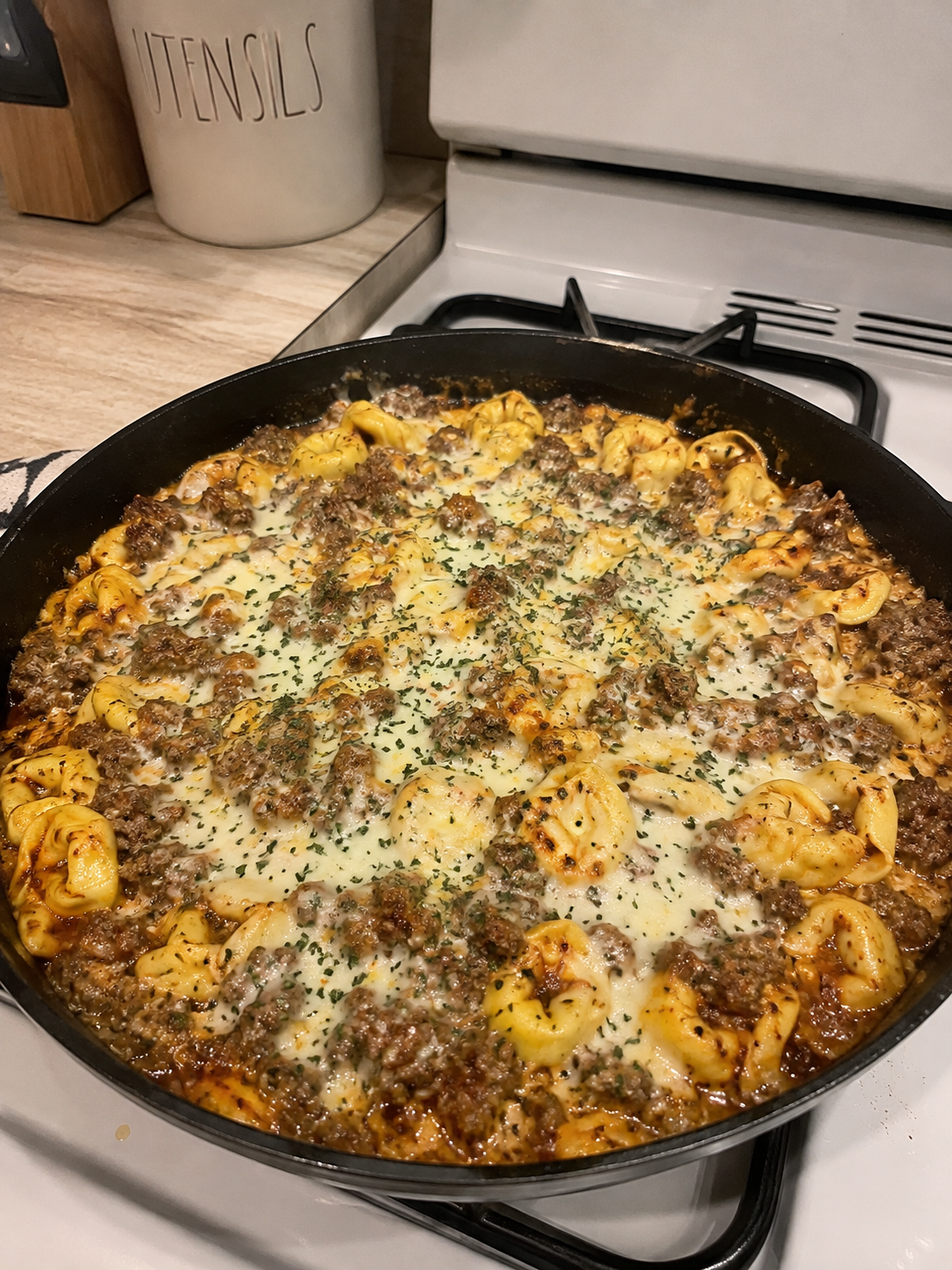
Tortellini Skillet with Ground Beef and Cheese
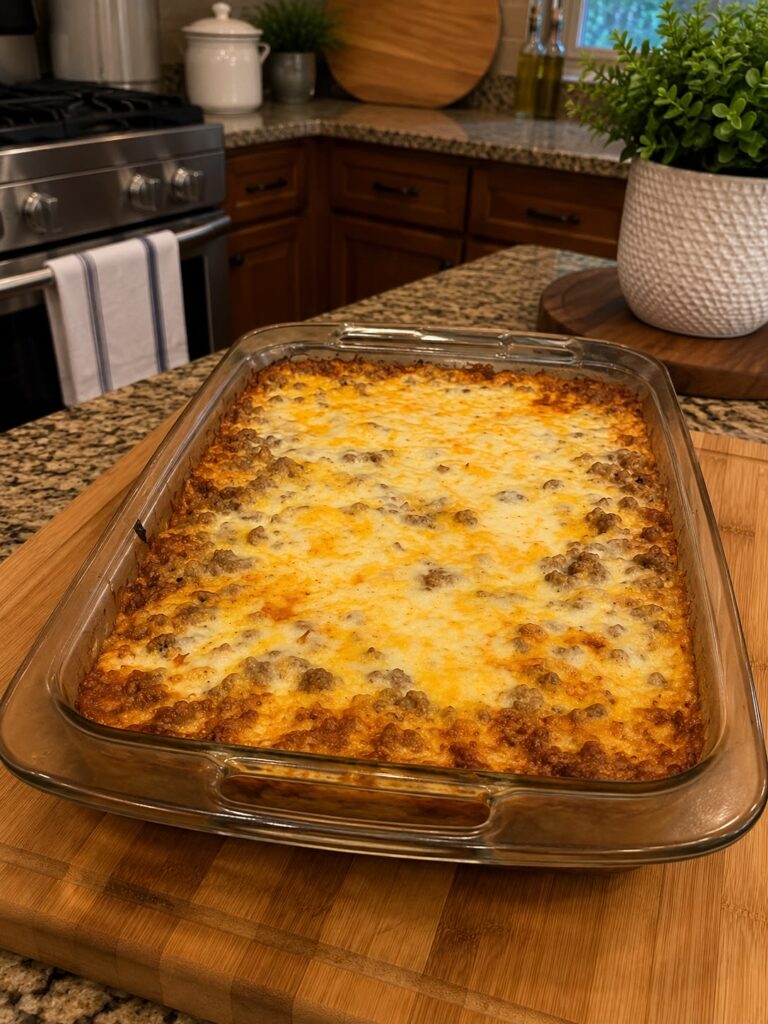
This Tortellini Skillet with Ground Beef and Cheese is a hearty, one-pan dinner that balances the savory richness of browned meat with the comforting creaminess of melted cheese and tender pasta. The dish features plump, cheese-filled tortellini simmered in a robust tomato-based sauce until the pasta absorbs the flavors without becoming mushy. A generous layer of melted cheese on top provides a gooey texture that contrasts beautifully with the slightly chewy bite of the noodles and the crumbly, seasoned ground beef. It is an ideal solution for busy weeknights when you need a substantial meal that comes together quickly but feels like it required hours of effort. The skillet method ensures that every ingredient cooks in harmony, reducing cleanup while maximizing flavor integration.
If you are looking for a reliable family favorite that satisfies hungry appetites without complicated techniques, this recipe delivers consistent results every time. The combination of earthy herbs, acidic tomatoes, and rich dairy creates a well-rounded profile that appeals to both children and adults. For more delicious ideas and visual inspiration, Follow Hailee Recipes on Pinterest.
Why This Recipe Works
The success of this skillet dish relies on the technique of cooking the pasta directly in the sauce rather than boiling it separately. By simmering the tortellini in the liquid created by the tomatoes, broth, and water, the starch released from the pasta thickens the sauce naturally, creating a velvety consistency that clings to every piece of meat and noodle. This method also infuses the filling of the tortellini with the savory notes of the beef and spices, ensuring that each bite is flavorful throughout.
Browning the ground beef thoroughly before adding liquids is another critical step. This process, known as the Maillard reaction, develops deep, complex flavors that cannot be achieved by simply steaming or boiling the meat. The rendered fat from the beef acts as a cooking medium for the aromatics, enhancing the overall taste of the dish. Finally, adding the cheese at the very end allows it to melt into a cohesive blanket over the hot ingredients without breaking or becoming greasy, preserving the creamy texture that defines this comfort food classic.
Ingredients
To prepare this dish, you will need a selection of fresh and pantry staples. The following list includes the core components required to make the recipe exactly as intended, along with specific notes on how to select and measure them for the best results.
- Ground Beef: 1 pound (450g) of 85% lean ground beef. Using beef with this fat content ensures the meat stays juicy during browning while providing enough flavor without being overly greasy.
- Tortellini: 1 package (9 ounces / 255g) of cheese-filled tortellini. Fresh or refrigerated varieties work best for this dish due to their tender texture, though high-quality frozen versions can be used if adjusted for cooking time.
- Marinara Sauce: 1 jar (24 ounces / 680g) of your favorite marinara sauce. Choose a brand with a balance of sweetness and acidity; avoid sauces that are too chunky unless you prefer a rustic texture.
- Beef Broth: 1 cup (240ml) of low-sodium beef broth. This adds depth and helps create the necessary liquid volume for the pasta to cook properly.
- Mozzarella Cheese: 1 cup (113g) of shredded mozzarella cheese. Shredding your own block of cheese yields better melting properties compared to pre-shredded bags, which often contain anti-caking agents.
- Parmesan Cheese: 1/4 cup (25g) of freshly grated Parmesan cheese. Freshly grated cheese melts more smoothly and offers a sharper, nuttier flavor than the powdered version found in green shakers.
- Garlic: 2 cloves, minced. Fresh garlic provides a pungent, aromatic kick that enhances the tomato base.
- Dried Oregano: 1 teaspoon. This herb pairs classically with tomato and beef dishes.
- Salt and Black Pepper: To taste. Always season to your preference after tasting the sauce, as the saltiness of the broth and cheeses varies by brand.
- Italian Seasoning: 1 teaspoon. A blend of dried basil, thyme, rosemary, and oregano that rounds out the flavor profile.
- Red Pepper Flakes: 1/4 teaspoon (optional). Add this if you enjoy a subtle heat that cuts through the richness of the cheese.
- Fresh Basil: 2 tablespoons, chopped. Use this as a garnish to add a burst of freshness and color.
How To Make Tortellini Skillet with Ground Beef and Cheese
- Brown the Ground Beef: Place a large, deep skillet or Dutch oven over medium-high heat. Add the ground beef to the pan, breaking it apart with a wooden spoon as it begins to sizzle. Cook the meat for about 6 to 8 minutes, stirring occasionally, until it is fully browned and no pink remains. If there is excessive grease left in the pan after browning, drain about half of it, leaving just enough to coat the bottom for sautéing the aromatics. This step ensures the final dish is not overly oily while retaining the savory fond on the bottom of the pan.
- Add Aromatics and Seasonings: Reduce the heat to medium. Stir in the minced garlic, dried oregano, Italian seasoning, and red pepper flakes (if using). Cook the mixture for 1 minute, stirring constantly, until the garlic becomes fragrant. Be careful not to burn the garlic, as it can turn bitter quickly. Once the spices are toasted and the garlic is soft, pour in the marinara sauce and beef broth. Stir well to combine the liquids with the meat and scrape up any browned bits from the bottom of the skillet, as these bits are packed with flavor.
- Simmer the Pasta: Bring the sauce to a gentle boil, then reduce the heat to low to maintain a steady simmer. Add the uncooked tortellini directly into the sauce. Stir gently to ensure the pasta is fully submerged. Cover the skillet with a lid and let it cook according to the package instructions for the tortellini, usually about 7 to 9 minutes. Check the pasta halfway through; if the liquid reduces too quickly before the pasta is tender, add a splash of water or additional broth. The goal is for the pasta to absorb most of the liquid while remaining al dente.
- Check Doneness and Adjust Consistency: Once the tortellini is cooked and floating, check the consistency of the sauce. It should be thick and creamy, coating the back of a spoon. If the sauce is too thin, remove the lid and simmer for another 2 to 3 minutes to allow excess moisture to evaporate. If it is too thick, stir in a tablespoon or two of water or broth until you reach your desired texture. Taste the dish now and adjust the seasoning with salt and black pepper as needed. Remember that the cheese added next will contribute additional saltiness.
- Melt the Cheese and Finish: Sprinkle the shredded mozzarella and grated Parmesan evenly over the top of the skillet. Cover the pan again and let it sit off the heat for 2 to 3 minutes, or place it under a broiler for 1 to 2 minutes if you prefer a golden-brown crust on the cheese. Watch closely during the broiling phase to prevent burning. Once the cheese is completely melted and bubbly, remove the skillet from the heat. Garnish with fresh chopped basil and serve immediately while the cheese is still warm and gooey.
Doneness And Troubleshooting
Knowing when the dish is ready involves observing both the texture of the pasta and the state of the sauce. The tortellini is done when it floats to the surface and feels tender when bitten, yet still offers a slight resistance in the center. If the pasta feels hard or chalky, it needs more cooking time and likely more liquid. Conversely, if the pasta is mushy and falling apart, it has been overcooked. In this case, you can salvage the dish by serving it immediately with extra cheese to mask the texture, though preventing overcooking is preferable.
A common issue is a sauce that becomes too dry before the pasta is cooked. This happens if the heat is too high or the skillet is too small. To fix this, simply add more liquid—water, broth, or even a splash of milk—to loosen the sauce. Another potential problem is a sauce that is too watery. If the pasta is cooked but the liquid remains thin, increase the heat to medium and uncover the pan to allow rapid evaporation. Stir frequently to prevent sticking. Finally, if the cheese separates or looks oily, it may have been heated for too long or at too high a temperature. Gentle melting over residual heat or brief broiling prevents this separation.
Substitutions And Variations
This recipe is versatile and can be adapted to suit various dietary preferences or pantry constraints. If you prefer a lighter protein, ground turkey or chicken can replace the beef. Keep in mind that poultry is leaner, so you may need to add a tablespoon of olive oil to the pan to prevent sticking and ensure the meat doesn’t dry out. For a vegetarian option, omit the beef entirely and use vegetable broth instead of beef broth. You might also add diced zucchini, bell peppers, or spinach during the simmering stage to increase the vegetable content and nutritional value.
Regarding the pasta, if cheese-filled tortellini is unavailable, other stuffed pastas like ravioli or gnocchi can work, though cooking times may vary slightly. For those avoiding dairy, you can substitute the mozzarella with a plant-based melting cheese, though the flavor profile will differ. Some cooks prefer to mix different types of cheese, such as adding a sprinkle of sharp cheddar or provolone for a tangier kick. If you want to boost the umami flavor, stir in a teaspoon of tomato paste or a dash of Worcestershire sauce (ensure it is vegan if needed) into the sauce before adding the pasta.
Serving Suggestions
This skillet dish is substantial enough to stand alone, but it pairs wonderfully with simple sides that complement its rich flavors. A crisp green salad with a light vinaigrette provides a refreshing contrast to the heavy, cheesy pasta. Garlic bread or a baguette is excellent for soaking up any remaining sauce in the pan. For a complete Italian-inspired meal, serve with roasted broccoli or sautéed green beans seasoned with lemon juice and garlic. A glass of red wine, such as a Chianti or Cabernet Sauvignon, also complements the tomato and beef elements beautifully.
Storage And Reheating
Leftovers can be stored in an airtight container in the refrigerator for up to 3 to 4 days. The flavors often meld and improve after sitting overnight. When reheating, add a splash of water or broth to the skillet or microwave-safe bowl to restore the creamy consistency, as the pasta will absorb moisture during storage. Reheat gently over medium-low heat on the stove, stirring frequently, or in the microwave in 30-second intervals until heated through. Ensure the internal temperature reaches 165°F (74°C) for food safety.
Freezing is possible but requires caution. Dairy-based sauces can sometimes separate or become grainy when frozen and thawed. If you plan to freeze this dish, consider freezing the pasta and meat mixture without the cheese, then adding the cheese upon reheating. Store the cooled mixture in freezer-safe containers for up to 3 months. Thaw overnight in the refrigerator before reheating. While the texture of the tortellini may soften slightly after freezing, the flavor remains enjoyable.
This Tortellini Skillet with Ground Beef and Cheese is a testament to the power of simple ingredients coming together in a single vessel. With its balanced flavors and minimal cleanup, it is a practical choice for any home cook looking to create a satisfying meal without stress.
Tortellini Skillet with Ground Beef and Cheese
Ingredients
Method
- Brown the ground beef in a large skillet over medium-high heat until fully cooked, then drain excess fat if necessary.
- Add minced garlic, oregano, Italian seasoning, and red pepper flakes; cook for 1 minute until fragrant.
- Stir in marinara sauce and beef broth, scraping up browned bits from the bottom of the pan.
- Add uncooked tortellini to the sauce, cover, and simmer for 7-9 minutes until pasta is tender and liquid is absorbed.
- Top with mozzarella and Parmesan cheese, cover to melt, garnish with fresh basil, and serve immediately.