Crispy Fish with Lemon Butter Sauce
Crispy Fish with Lemon Butter Sauce
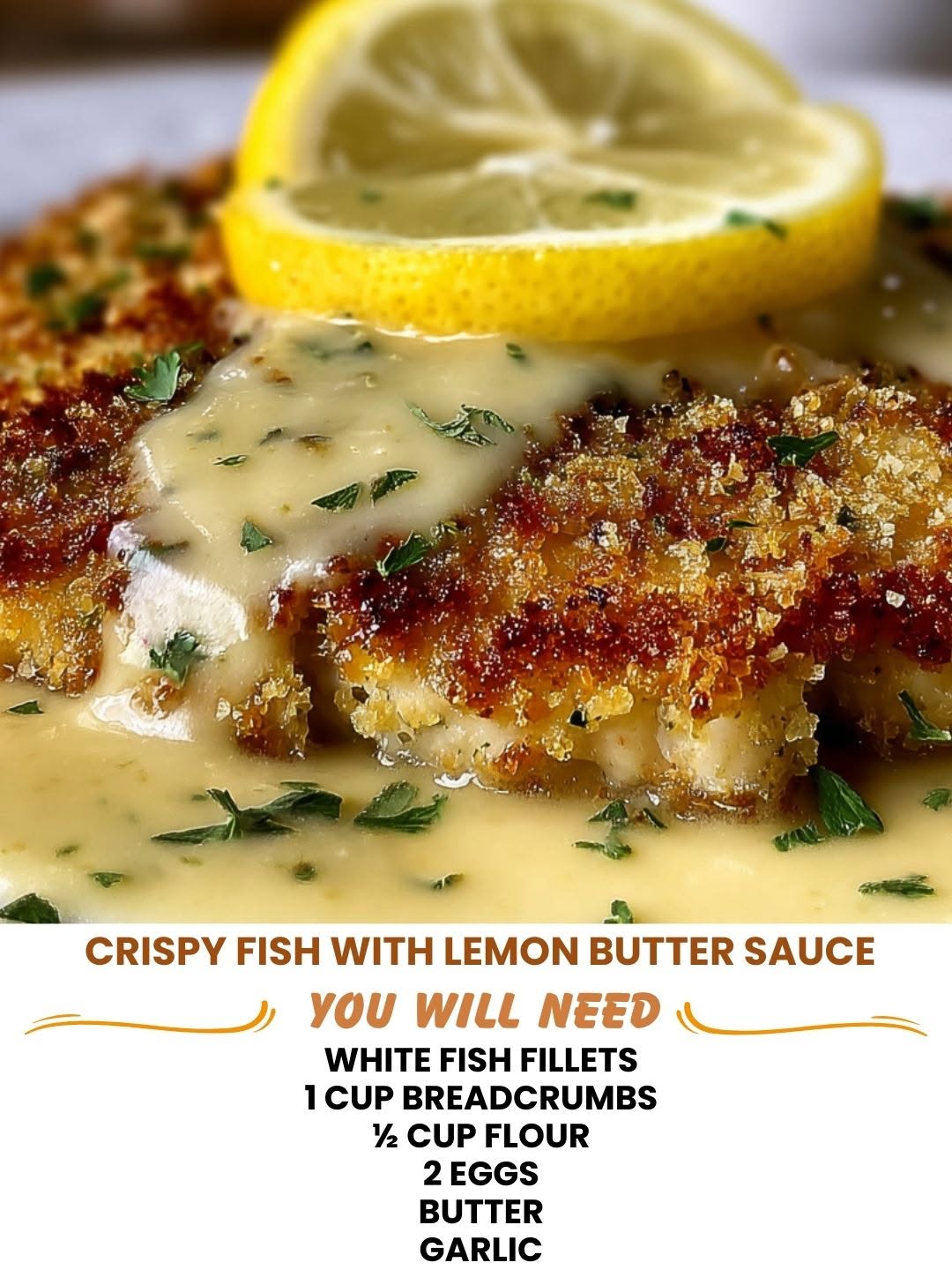
Crispy Fish with Lemon Butter Sauce: A Weeknight Dinner That Feels Special
You know that feeling when you’re standing in front of your fridge at 5 p.m., totally uninspired, and you just want something that tastes restaurant-quality but doesn’t require a culinary degree? That’s exactly where I was last Tuesday night. My partner was coming home from a long day at work, I had some beautiful cod fillets I’d grabbed at the market that morning, and I wanted to make something that felt like a little celebration without the stress.
So I made crispy fish with lemon butter sauce, and honestly? It changed my entire weeknight dinner game.
Here’s what I love about this recipe: it’s genuinely simple, it comes together in about 25 minutes, and it tastes like you’ve been cooking all day. The fish gets this incredible golden, crispy exterior while staying tender and flaky on the inside, and then you finish it with this silky, bright lemon butter sauce that just makes everything better. It’s the kind of dish that works for a casual Tuesday night or when you’re trying to impress someone. No judgment either way.
I’m going to walk you through exactly how I make it, including all the little tricks I’ve learned along the way and the mistakes I’ve definitely made so you don’t have to. Whether you’re a confident cook or someone who gets a little nervous around fish, I promise this is doable. Follow me on HaileeRecipes on Pinterest for more weeknight wins like this one.
Why You’ll Love This Recipe
Let me be real with you: this isn’t complicated, but it hits every mark you want in a dinner. The fish itself is crispy on the outside—and I mean actually crispy, not just browned—but the inside stays moist and flaky. That’s the magic of getting your pan hot enough and not overcooking the fish, which I’ll explain in detail later.
The lemon butter sauce is where the elegance comes in. It’s literally just butter, lemon juice, garlic, and a tiny bit of white wine, but when you combine those ingredients, you get something that tastes like it came from a fancy bistro. It’s silky, bright, and it brings the whole plate together without being heavy.
Beyond the taste, here’s why this recipe works for real life: it’s fast. You’re not standing over the stove for an hour. It’s flexible—you can use whatever white fish you have on hand. And it looks beautiful on the plate, which means it’s perfect whether you’re feeding your family or sitting down with someone special. Plus, it’s naturally lower in calories and higher in protein, so you don’t have to feel guilty about seconds.
Ingredients
- 4 white fish fillets (6 ounces each; I use cod, halibut, or sea bass)
- 1/2 cup all-purpose flour
- 1 teaspoon salt
- 1/2 teaspoon black pepper
- 1/2 teaspoon garlic powder
- 1/4 teaspoon paprika (optional but nice)
- 2 tablespoons olive oil (for cooking the fish)
- 4 tablespoons unsalted butter
- 3 cloves garlic, minced
- 1/4 cup dry white wine (or chicken broth if you prefer)
- 3 tablespoons fresh lemon juice (about 1 large lemon)
- 1 tablespoon fresh parsley, chopped (for garnish)
- Zest of 1 lemon (optional garnish)
Hailee’s Tip: The quality of your fish matters here. I buy mine from a fishmonger I trust, and I always ask them to check that it doesn’t smell fishy—good fish should smell clean and ocean-like, not pungent. If you’re buying from a grocery store, look for fillets that are firm and don’t have a strong smell.
Hailee’s Tip: Pat your fish fillets completely dry before cooking. This is the secret to getting them crispy. I use paper towels and really press them down. Moisture is the enemy of crispiness, so don’t skip this step.
Hailee’s Tip: Fresh lemon juice makes a huge difference in the sauce. Bottled lemon juice tastes flat and a little off to me. It takes literally 30 seconds to juice a fresh lemon, and your sauce will be so much brighter for it.
Optional Add-Ins and Variations
One of the best parts about this recipe is how flexible it is. Here are some things I’ve added that make it even better:
- Capers: A tablespoon of capers stirred into the sauce adds a salty, briny punch. I do this at least half the time.
- Fresh herbs: Dill, tarragon, or chives all work beautifully. Add them to the sauce or use them as a garnish.
- Red pepper flakes: If you want a little heat, a pinch of red pepper flakes in the flour mixture or sprinkled on top is lovely.
- Anchovy paste: I know this sounds wild, but just a tiny amount (like 1/4 teaspoon) adds this incredible umami depth that nobody can quite identify. They’ll just know it tastes amazing.
- Spinach or arugula: Toss some wilted spinach or fresh arugula into the sauce at the end for extra vegetables and nutrition.
Step-by-Step Method
Step 1: Get Your Fish Ready
Take your fish fillets out of the fridge about 10 minutes before you start cooking. You want them to be close to room temperature so they cook evenly. Pat them completely dry with paper towels—I cannot stress this enough. Wet fish will steam instead of crisp, and that’s not what we’re going for.
Step 2: Make Your Flour Mixture
In a shallow bowl, combine the flour, salt, pepper, garlic powder, and paprika if you’re using it. Mix it together with a fork. This is your coating, and it’s going to give your fish that beautiful golden crust.
Step 3: Heat Your Pan
This is crucial. Put a large skillet over medium-high heat and let it get hot for about 2 minutes. Add the olive oil and let it heat until it shimmers. You want the pan hot enough that when you put the fish in, it sizzles immediately. If it doesn’t sizzle, your pan isn’t hot enough yet.
What I Messed Up: For years, I cooked fish on medium heat because I thought I was being careful. Turns out, I was just steaming it. A properly hot pan is your friend here.
Step 4: Coat and Cook the Fish
Working with one fillet at a time, dredge it in your flour mixture, shaking off any excess. Place it in the hot pan, skin-side up if your fish has skin. Don’t move it. I know the urge to fiddle is strong, but let it sit for 3 to 4 minutes. You’ll see the edges start to turn opaque and golden. That’s when you know it’s ready to flip.
Flip it gently and cook for another 2 to 3 minutes on the other side until it’s golden all over. The internal temperature should reach 145 degrees Fahrenheit if you want to be precise about it. I usually just look at the thickest part and make sure it flakes easily with a fork. Transfer the cooked fish to a clean plate and repeat with the remaining fillets.
What I Messed Up: I used to flip the fish constantly because I was nervous it would burn. All that flipping just broke it apart and prevented the crust from forming. Patience is everything with crispy fish.
Step 5: Make the Sauce
Keep your pan on the stove over medium heat. Add the butter and minced garlic. Let the garlic cook for about 30 seconds until it’s fragrant but not brown. Pour in the white wine and let it simmer for about a minute—this cooks off some of the alcohol and concentrates the flavor.
Add the fresh lemon juice and stir everything together. Let it bubble gently for another minute. Taste it and adjust the seasoning if you need to. This sauce should taste bright and lemony but balanced, not aggressively sour.
Step 6: Plate and Serve
Put each piece of crispy fish on a plate and spoon that beautiful lemon butter sauce over the top. Garnish with fresh parsley and lemon zest if you have it. Serve immediately while everything is still warm.
Common Mistakes to Avoid
Cooking the fish on too low heat: This is the number one reason fish ends up rubbery and steamed instead of crispy. Your pan needs to be hot enough that the fish sizzles the moment it hits the oil.
Not drying the fish: Moisture prevents crispiness. Always pat your fillets dry before cooking, even if they seem already dry.
Overcooking the fish: Fish cooks fast. Once it starts looking opaque, you’re getting close. It will continue to cook a little bit after you remove it from the heat, so pull it off the pan when it’s just barely cooked through. Overcooked fish is dry and disappointing.
Using bottled lemon juice in the sauce: I know I mentioned this before, but it’s important enough to repeat. Fresh lemon juice makes a real difference in how the sauce tastes.
Letting the garlic brown: If your garlic browns, it becomes bitter and ruins the sauce. Keep the heat at medium and watch it closely. 30 seconds is usually plenty of time.
My Tested Substitutions
Different types of fish: I’ve made this with cod, halibut, sea bass, flounder, and even tilapia. Any white fish with a mild flavor works beautifully. Avoid very delicate fish like sole if you’re new to cooking fish—they fall apart more easily. Thicker fillets are more forgiving.
Butter alternatives: If you want to use ghee or a high-quality olive oil instead of some of the butter, that works. You’ll lose a little bit of that silky richness, but it’s still delicious. I wouldn’t go full oil though—the butter is what makes the sauce special.
Wine substitution: Don’t have white wine? Chicken broth works great and keeps the sauce savory and light. You can also use a splash of apple cider vinegar mixed with a little water. Skip the wine entirely if you prefer—the lemon butter sauce is still wonderful without it.
Flour alternatives: If you need to go gluten-free, cornstarch works well for crispiness. Use the same amount. Almond flour is less crispy but still tasty if that’s what you have on hand.
How to Customize
This recipe is genuinely flexible, and I love that about it. If you’re cooking for someone who loves bold flavors, add capers, anchovy paste, or fresh dill to the sauce. If you prefer lighter flavors, skip the wine and use just lemon juice and butter. If you want to add vegetables, sauté some asparagus or green beans in the pan after the fish is done, then pour the sauce over everything.
You can also change the coating. Instead of plain flour, try a mixture of panko breadcrumbs and flour for extra crunch. Add fresh herbs like dill or parsley to your flour mixture. The basic technique stays the same—you’re just playing with the details.
Serving Ideas
I usually serve this with something light and fresh on the side because the fish and sauce are already pretty rich. Here’s what I love with it:
- Roasted asparagus: Toss it with olive oil, salt, and pepper, and roast it at 400 degrees for about 12 minutes. It’s elegant and easy.
- A simple green salad: Something with arugula, lemon vinaigrette, and maybe some shaved parmesan. The acidity balances the richness of the sauce.
- Roasted potatoes: Small potatoes tossed with olive oil, garlic, and rosemary. Roast them while the fish cooks.
- Cauliflower rice or regular rice: If you want something to soak up that sauce, cauliflower rice is lighter or regular rice is comforting.
- Crusty bread: Honestly, a piece of good bread to soak up the extra sauce is never a bad idea.
Meal Prep and Storage
This dish is best served fresh and warm, so I don’t usually make it ahead. But here’s what I do: I prep the flour mixture in the morning and store it in a small container. I mince the garlic and juice the lemon ahead of time. Having those components ready means dinner comes together even faster when you’re actually cooking.
If you have leftovers (which is rare in my house), you can refrigerate the cooked fish and sauce in an airtight container for up to 2 days. Reheat it gently in a low oven at 300 degrees for about 10 minutes. Don’t use the microwave—it’ll make the fish rubbery. The fish won’t be quite as crispy, but it’s still tasty.
I wouldn’t recommend freezing this dish. The texture of the fish changes when frozen, and the sauce separates. It’s really best made fresh.
Nutritional Breakdown
Per serving (one 6-ounce fillet with sauce), this dish has approximately:
- Calories: 320
- Protein: 35 grams
- Carbohydrates: 12 grams
- Fat: 14 grams
- Fiber: 0 grams
The numbers can vary depending on the exact type of fish you use and how much sauce you pour over each fillet. But overall, this is a really solid dinner nutritionally—high in protein, moderate in calories, and it keeps you satisfied.
Final Thoughts
Honestly, this recipe changed how I think about cooking fish at home. For so long, I thought it had to be intimidating or complicated. But once I figured out that hot pan and crispy crust situation, everything clicked. Now I make crispy fish with lemon butter sauce regularly, and every time I do, it feels a little bit special.
What I love most is that this is the kind of meal that works for any night of the week. It’s simple enough for a Tuesday when you’re tired but want something better than takeout. It’s elegant enough for when you’re cooking for someone you want to impress. It’s healthy enough that you don’t feel guilty, but it’s delicious enough that you actually look forward to eating it.
I hope you make this soon, and I really hope it becomes one of your go-to dinners too. Let me know how it turns out if you feel like sharing. I love hearing what you’re cooking in your kitchen.
—
Recipe Card
Crispy Fish with Lemon Butter Sauce
Ingredients
Method
- Step 1: Get Your Fish Ready Take your fish fillets out of the fridge about 10 minutes before you start cooking. You want them to be close to room temperature so they cook evenly. Pat them completely dry with paper towels—I cannot stress this enough. Wet fish will steam instead of crisp, and that's not what we're going for. Step 2: Make Your Flour Mixture In a shallow bowl, combine the flour, salt, pepper, garlic powder, and paprika if you're using it. Mix it together with a fork. This is your coating, and it's going to give your fish that beautiful golden crust. Step 3: Heat Your Pan This is crucial. Put a large skillet over medium-high heat and let it get hot for about 2 minutes. Add the olive oil and let it heat until it shimmers. You want the pan hot enough that when you put the fish in, it sizzles immediately. If it doesn't sizzle, your pan isn't hot enough yet. What I Messed Up: For years, I cooked fish on medium heat because I thought I was being careful. Turns out, I was just steaming it. A properly hot pan is your friend here. Step 4: Coat and Cook the Fish Working with one fillet at a time, dredge it in your flour mixture, shaking off any excess. Place it in the hot pan, skin-side up if your fish has skin. Don't move it. I know the urge to fiddle is strong, but let it sit for 3 to 4 minutes. You'll see the edges start to turn opaque and golden. That's when you know it's ready to flip. Flip it gently and cook for another 2 to 3 minutes on the other side until it's golden all over. The internal temperature should reach 145 degrees Fahrenheit if you want to be precise about it. I usually just look at the thickest part and make sure it flakes easily with a fork. Transfer the cooked fish to a clean plate and repeat with the remaining fillets. What I Messed Up: I used to flip the fish constantly because I was nervous it would burn. All that flipping just broke it apart and prevented the crust from forming. Patience is everything with crispy fish. Step 5: Make the Sauce Keep your pan on the stove over medium heat. Add the butter and minced garlic. Let the garlic cook for about 30 seconds until it's fragrant but not brown. Pour in the white wine and let it simmer for about a minute—this cooks off some of the alcohol and concentrates the flavor. Add the fresh lemon juice and stir everything together. Let it bubble gently for another minute. Taste it and adjust the seasoning if you need to. This sauce should taste bright and lemony but balanced, not aggressively sour. Step 6: Plate and Serve Put each piece of crispy fish on a plate and spoon that beautiful lemon butter sauce over the top. Garnish with fresh parsley and lemon zest if you have it. Serve immediately while everything is still warm.