Bacon Wrapped Chicken
Bacon Wrapped Chicken
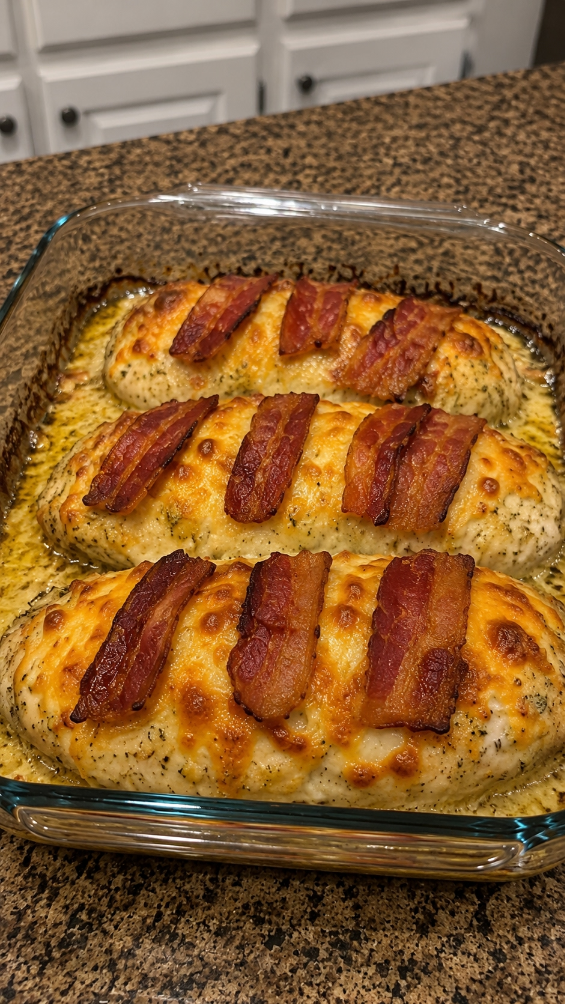
Bacon Wrapped Chicken is a classic comfort dish that balances the savory, smoky crunch of cured pork with the tender, juicy interior of boneless, skinless chicken breasts. This preparation transforms simple ingredients into an impressive main course suitable for weeknight dinners or casual gatherings. The bacon acts as both a protective layer, keeping the lean meat moist during cooking, and a flavorful crust that adds depth to every bite. Often paired with a slice of melted cheese nestled inside the fold, the dish offers a satisfying contrast between crisp exterior and soft, warm filling. It pairs exceptionally well with roasted vegetables, mashed potatoes, or a fresh green salad, making it a versatile option for any meal where you want to serve something hearty without spending hours in the kitchen.
If you are looking for a reliable dinner idea that feels special but remains straightforward, this recipe delivers consistent results. The combination of textures is what makes this dish stand out; the fat from the bacon renders down to baste the chicken while the meat cooks through evenly. For those who enjoy bold flavors, the saltiness of the bacon complements the mild taste of the poultry perfectly. You can find this type of dish often featured on home cooking boards, and Follow Hailee Recipes on Pinterest for more inspiration on how to elevate everyday meals with simple techniques.
Why This Recipe Works
The success of Bacon Wrapped Chicken relies on a few key culinary principles that ensure the chicken stays moist while the bacon achieves the ideal level of crispness. First, wrapping the chicken breast in bacon creates a barrier against direct heat. Chicken breasts are notoriously prone to drying out because they have very little fat content compared to other cuts. By encasing them in bacon, the rendered fat coats the surface of the meat, effectively basting it from the outside in as it cooks. This method prevents the protein fibers from tightening too quickly and squeezing out moisture.
Secondly, the high heat required to crisp bacon also works in favor of the chicken if managed correctly. Cooking at a moderately high temperature allows the bacon to render and brown before the chicken overcooks. The second principle involves the structural integrity of the wrap. When the bacon strips are wrapped tightly around the chicken, they hold the meat together, preventing it from curling up in the pan. This ensures even heat distribution across the entire surface area of the cutlet. Finally, the addition of cheese inside the wrap introduces a creamy element that melts into the chicken, adding richness and further insulation against dryness. These factors combine to create a dish that is difficult to mess up when following standard cooking times and temperatures.
Ingredients
To make this recipe successfully, you will need specific quantities to ensure the bacon wraps fit properly and the chicken cooks evenly. The following list includes the core components necessary for the dish, along with notes on selection and preparation.
- Chicken Breasts: 4 large boneless, skinless chicken breasts (about 6 to 8 ounces each). Look for uniform thickness to ensure even cooking.
- Bacon Strips: 12 slices of thick-cut bacon. Thick-cut bacon holds its shape better and provides a substantial crunch without burning too quickly.
- Cheese: 4 slices of cheddar, Swiss, or pepper jack cheese. Choose a cheese that melts well and complements the smokiness of the bacon.
- Butter: 2 tablespoons of unsalted butter, melted. This helps the bacon adhere to the chicken and promotes browning.
- Seasonings: 1 teaspoon of garlic powder, 1 teaspoon of onion powder, ½ teaspoon of black pepper, and ¼ teaspoon of salt. Adjust salt levels based on the saltiness of your chosen bacon.
How To Make Bacon Wrapped Chicken
- Prepare the Chicken: Preheat your oven to 400°F (200°C). Line a baking sheet with aluminum foil or parchment paper and place a wire rack on top. If using, lightly spray the rack with non-stick cooking spray. Place the chicken breasts on a cutting board. If the breasts vary significantly in thickness, place them between two sheets of plastic wrap and gently pound the thicker ends with a meat mallet or rolling pin until they are of uniform thickness, about ¾ inch. This step is crucial for ensuring the chicken cooks through at the same rate as the bacon crisps.
- Season and Fill: In a small bowl, mix together the garlic powder, onion powder, black pepper, and salt. Pat the chicken breasts dry with paper towels to help the seasoning stick. Rub the seasoned mixture generously over all sides of each breast. Lay one slice of cheese flat on top of each chicken breast, positioning it near the center but leaving a small border around the edges so the cheese doesn’t spill out completely during wrapping.
- Wrap the Bacon: Take three strips of bacon per chicken breast. Brush the chicken breast lightly with half of the melted butter. Starting at one end of the chicken, lay the first strip of bacon diagonally across the bottom corner. Wrap the bacon tightly around the chicken, overlapping slightly, until you reach the top. Repeat with the remaining two strips, staggering the start points so the bacon covers the chicken completely with no gaps. Secure the ends by tucking them under or using a toothpick if necessary, though the tightness of the wrap usually holds them in place.
- Arrange and Bake: Place the wrapped chicken breasts seam-side down on the prepared wire rack. Brush the exposed bacon generously with the remaining melted butter. This extra layer of fat encourages the bacon to become golden and crispy rather than chewy. Transfer the baking sheet to the preheated oven. Bake for 25 to 30 minutes. The exact time may vary depending on the thickness of your chicken and the brand of bacon used.
- Finish and Rest: Check the internal temperature of the thickest part of the chicken using an instant-read thermometer. Once the chicken reaches 165°F (74°C), remove the tray from the oven. If the bacon is not yet as crispy as you prefer, you can switch the oven to broil for the last 1 to 2 minutes, watching closely to prevent burning. Let the chicken rest on the rack for 5 minutes before serving. This resting period allows the juices to redistribute throughout the meat, ensuring a tender bite.
Doneness And Troubleshooting
Achieving the perfect balance between cooked chicken and crispy bacon requires attention to visual cues and temperature. The most reliable indicator of doneness is the internal temperature of the chicken. Insert your thermometer into the thickest part of the breast, avoiding the cheese or bone if present. When the reading hits 165°F (74°C), the chicken is safe to eat. However, do not wait for the bacon to be fully crisp before checking the temperature, as the bacon continues to cook after removal from the heat. If the bacon looks pale but the chicken is done, a brief stint under the broiler will fix the texture.
If you find the bacon is burning before the chicken is cooked through, try lowering the oven temperature to 375°F (190°C) and extending the cooking time by 5 to 10 minutes. Conversely, if the bacon is still limp after the chicken has reached temperature, the bacon might be too thin or the oven temperature was too low. Using thick-cut bacon is highly recommended for this reason. Another common issue is the chicken sliding out of the wrap. Ensuring the chicken is pounded to a uniform thickness and wrapping the bacon tightly with slight overlap solves this problem. Always let the chicken rest for at least five minutes; skipping this step can result in dry meat as the juices run out immediately upon cutting.
Substitutions And Variations
This recipe is adaptable to various dietary preferences and flavor profiles without compromising the structure of the dish. For a lighter option, you can substitute regular bacon with turkey bacon. Note that turkey bacon contains less fat, so it may not render as much liquid to baste the chicken, and it might not get as crispy. You may need to brush the turkey bacon with a bit more oil or butter to achieve a similar texture. Similarly, if you prefer a different cheese, mozzarella, provolone, or cream cheese work well. Cream cheese adds a tangy richness, while mozzarella provides a stretchy melt.
For those who enjoy a bit of heat, swap the plain cheddar for pepper jack cheese or sprinkle a pinch of cayenne pepper into the seasoning blend. You can also add a layer of spinach or sautéed mushrooms under the cheese for added nutrition and flavor complexity. If you are cooking for a gluten-free diet, ensure your seasonings do not contain hidden wheat starch, though pure spices are naturally gluten-free. When substituting ingredients, keep in mind that changes in fat content or moisture levels may slightly alter the cooking time, so rely on the internal temperature of the chicken rather than the clock alone.
Serving Suggestions
Bacon Wrapped Chicken is rich and savory, so it pairs best with sides that offer a contrasting texture or a bright, acidic element to cut through the fat. A simple side of steamed broccoli or green beans tossed with lemon juice and olive oil provides a fresh counterpoint. Roasted root vegetables like carrots, parsnips, or sweet potatoes complement the smoky notes of the bacon beautifully. For a heartier meal, serve the chicken alongside creamy mashed potatoes or a fluffy rice pilaf to soak up any juices released during carving.
A crisp garden salad with a vinaigrette dressing is another excellent choice, as the acidity helps cleanse the palate between bites of the fatty bacon. If you are hosting a dinner party, consider serving the chicken whole on a platter with a garnish of fresh parsley or chives. This presentation looks elegant and allows guests to serve themselves. The dish is also versatile enough to be sliced and added to sandwiches or salads the next day, though the bacon may lose some of its initial crunch upon reheating.
Storage And Reheating
Proper storage is essential to maintain the quality and safety of leftovers. Allow the cooked chicken to cool to room temperature within two hours of cooking. Store the leftovers in an airtight container in the refrigerator for up to 3 to 4 days. While the chicken remains safe to eat beyond this window, the texture of the bacon will degrade, becoming soggy rather than crisp.
To reheat, avoid using the microwave if possible, as it tends to steam the bacon and make it rubbery. Instead, preheat your oven or toaster oven to 350°F (175°C). Place the chicken on a baking sheet and cover loosely with foil to prevent the bacon from burning while the inside heats through. Heat for 10 to 15 minutes, or until the internal temperature reaches 165°F again. If you want to restore the crispiness of the bacon, remove the foil for the last few minutes of heating. Freezing is also an option; wrap individual portions tightly in plastic wrap and then foil. They can be frozen for up to 3 months. Thaw overnight in the refrigerator before reheating using the oven method described above.
Mastering this dish comes down to understanding the relationship between the lean chicken and the fatty bacon. By following these steps and paying attention to the visual cues, you can consistently produce a meal that satisfies hunger and delights the senses. Whether you are feeding a family of four or preparing a quick dinner for two, this recipe offers a reliable path to a delicious result.
Bacon Wrapped Chicken
Ingredients
Method
- Preheat oven to 400°F (200°C). Line a baking sheet with foil and place a wire rack on top. Pound chicken breasts to uniform thickness.
- Mix garlic powder, onion powder, pepper, and salt. Season chicken breasts and place a slice of cheese on top of each.
- Wrap each breast with 3 strips of bacon, securing tightly. Brush with half the melted butter.
- Place on the wire rack and brush bacon with remaining butter. Bake for 25-30 minutes.
- Check internal temperature; it should reach 165°F (74°C). Broil briefly if bacon needs more crispness. Rest for 5 minutes before serving.