Baked Beef Lasagna with Melted Cheese
Baked Beef Lasagna with Melted Cheese
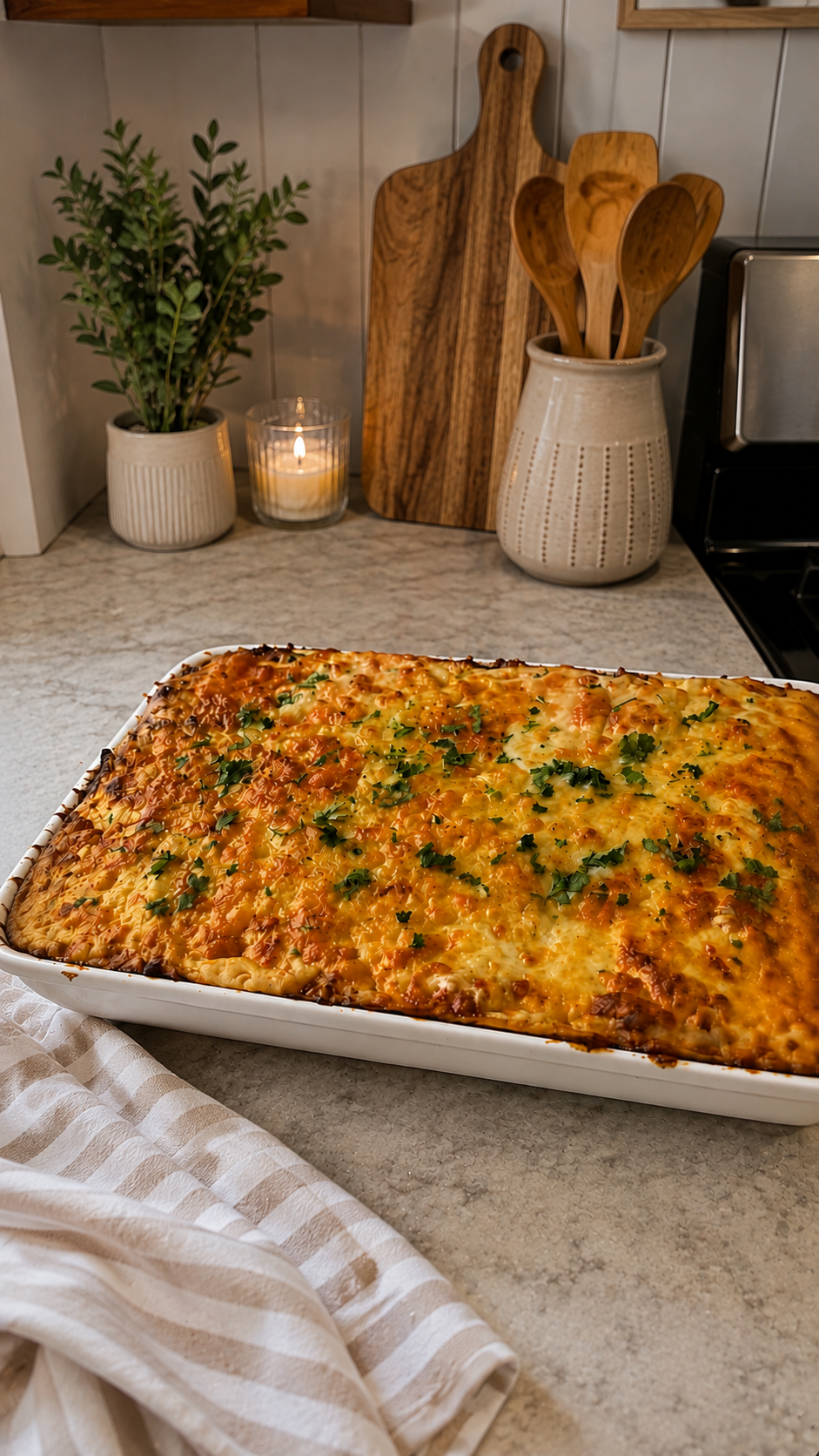
Baked Beef Lasagna with Melted Cheese
A hearty Baked Beef Lasagna with Melted Cheese is a classic comfort dish defined by its rich, savory layers and a golden, bubbling top. This version brings together tender ground beef simmered in a robust tomato sauce, creamy ricotta cheese, and sharp mozzarella, all sandwiched between wide, flat pasta sheets. The result is a dish that offers a satisfying contrast of textures: the slight chew of the noodles, the smoothness of the cheese filling, and the deep, umami flavor of the meat sauce. It is an ideal choice for family dinners on busy weeknights when you want something substantial, or for feeding a crowd at weekend gatherings where a large, shareable casserole is welcome.
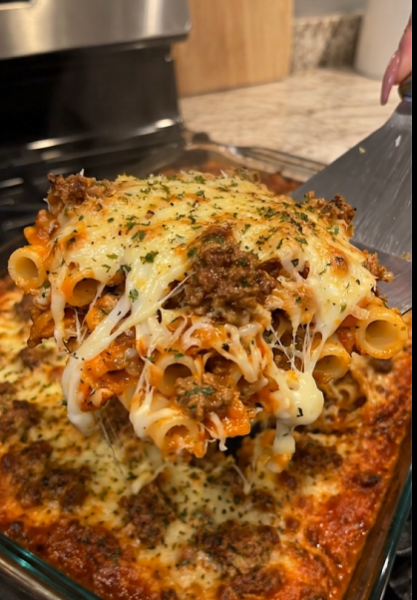
This recipe focuses on building flavor through simple techniques rather than complex ingredients. The cheese melts into a cohesive blanket over the pasta, ensuring every forkful delivers a balanced mix of meat, sauce, and dairy. Whether you are preparing it fresh or assembling it ahead of time, this lasagna holds up well, making it a reliable option for meal planning. For more visual inspiration and variations on classic dishes, Follow Hailee Recipes on Pinterest.
Why This Recipe Works
The success of this lasagna relies on three specific culinary factors that ensure the final dish is neither too dry nor too soupy. First, the method involves pre-cooking the ground beef to render out excess fat before adding the sauce components. This step prevents the final dish from becoming greasy, allowing the tomato and cheese flavors to shine without being masked by oil. Second, the layering technique uses a balance of wet and dry elements. By spreading a thin layer of sauce on the bottom of the pan first, we prevent the noodles from sticking, while alternating between the meat sauce, the cheese mixture, and the pasta ensures even distribution of moisture throughout the bake.
Third, the use of a generous amount of melted cheese on the top layer creates a protective seal. As the lasagna bakes, this cheese crust locks in steam, which helps cook the interior noodles evenly without drying them out. Unlike recipes that require boiling noodles separately until they are overly soft, this approach allows the pasta to absorb liquid directly from the sauce during baking, resulting in a texture that is tender but still has a bit of structure. The combination of these steps guarantees a consistent result every time you prepare it.
Ingredients
- Ground Beef: 1 pound (450g), lean or regular
- Onion: 1 medium yellow onion, finely diced
- Garlic: 3 cloves, minced
- Tomato Sauce: 2 cans (15 ounces each), low-sodium preferred
- Tomato Paste: 2 tablespoons
- Dried Oregano: 1 teaspoon
- Dried Basil: 1 teaspoon
- Salt: 1 teaspoon, plus more to taste
- Black Pepper: ½ teaspoon
- Ricotta Cheese: 15 ounces (one standard container)
- Egg: 1 large egg, beaten
- Mozzarella Cheese: 4 cups shredded, divided
- Parmesan Cheese: ½ cup grated
- Lasagna Noodles: 12 sheets, uncooked (standard size)
- Water: 1 cup (for adjusting sauce consistency if needed)
How To Make Baked Beef Lasagna with Melted Cheese
- Prepare the Meat Sauce: Preheat your oven to 375°F (190°C). In a large skillet over medium-high heat, add the ground beef and the diced onion. Cook, breaking up the meat with a wooden spoon, until the beef is browned and the onions are translucent, about 8 to 10 minutes. If there is significant excess fat, drain it carefully, leaving about one tablespoon in the pan. Stir in the minced garlic and cook for another minute until fragrant. Add the tomato sauce, tomato paste, oregano, basil, salt, and pepper. Stir well to combine, then reduce the heat to low. Simmer the sauce uncovered for 15 minutes, stirring occasionally, until it thickens slightly. If the sauce looks too thick, stir in the water gradually until it reaches a pourable consistency similar to a thick soup.
- Assemble the Cheese Filling: While the sauce simmers, prepare the ricotta mixture in a medium bowl. Combine the ricotta cheese, the beaten egg, half of the shredded mozzarella cheese (2 cups), and the grated Parmesan cheese. Mix gently with a fork until the ingredients are fully incorporated. You do not need to beat this mixture vigorously; just ensure there are no large lumps of cheese remaining. Set aside.
- Layer the Lasagna: Spread a thin layer of the meat sauce (about ½ cup) onto the bottom of a 9×13-inch baking dish to prevent sticking. Place three lasagna noodles side-by-side over the sauce, overlapping slightly if necessary to cover the bottom completely. Spoon one-third of the remaining meat sauce over the noodles, spreading it evenly to the edges. Next, dollop one-third of the ricotta mixture over the sauce and spread it gently with the back of a spoon. Sprinkle one-quarter of the remaining mozzarella cheese over the ricotta layer. Repeat this process two more times, creating three distinct layers of noodles, sauce, ricotta, and cheese. Finish with a final layer of noodles, the rest of the meat sauce, and the remaining 1 cup of mozzarella cheese on top.
- Cover and Bake: Cover the baking dish tightly with aluminum foil. Ensure the foil is sealed around the edges to trap steam, which is crucial for cooking the pasta. Place the dish in the center of the preheated oven and bake for 25 minutes. After 25 minutes, remove the foil carefully to avoid steam burns. Return the lasagna to the oven, uncovered, and bake for an additional 15 to 20 minutes. Watch closely for the cheese to become bubbly and develop golden-brown spots on the edges.
- Rest Before Serving: Remove the lasagna from the oven and place it on a wire cooling rack. Let it rest for at least 15 minutes before cutting. This resting period is essential as it allows the layers to set, preventing the lasagna from sliding apart when sliced. Use a sharp knife or a pizza cutter to slice into squares. Serve warm.
Doneness And Troubleshooting
Knowing when the lasagna is fully cooked involves observing both visual cues and texture. The most obvious sign is the state of the cheese topping; it should be actively bubbling across the entire surface, not just in the center. Additionally, the edges where the cheese meets the pan should show signs of browning. If the cheese browns too quickly before the inside is hot, loosely tent the dish with foil again for the last few minutes of baking.
If you find the noodles are still hard after baking, the sauce may have been too thick or the baking time insufficient. Always ensure the sauce has a good amount of liquid before assembling. Conversely, if the lasagna turns out soupy, the sauce might have been too watery, or the dish was not allowed to rest long enough for the noodles to absorb the excess moisture. A properly baked lasagna will hold its shape when lifted with a spatula, indicating the starches have gelatinized correctly.
Substitutions And Variations
You can adapt this recipe to suit dietary needs or ingredient availability without compromising the core structure. For a gluten-free option, substitute the standard wheat-based lasagna noodles with certified gluten-free varieties. Note that gluten-free noodles often require less liquid or a shorter baking time, so check the package instructions and consider reducing the baking time by 5 minutes if they seem soft. If you prefer a different pasta shape, you can use jumbo shells or manicotti, though the assembly method will change significantly to accommodate the new shape.
For those who enjoy vegetables, sautéed spinach, zucchini, or mushrooms can be added to the meat sauce layer. Sauté these vegetables first to remove excess moisture, then fold them into the sauce. Be aware that adding extra vegetables will increase the liquid content of the dish, so you may need to simmer the sauce longer to thicken it before assembling. If you wish to make the dish lighter, you can replace half of the ground beef with lentils or crumbled tofu, though this will alter the flavor profile and cooking time slightly.
Serving Suggestions
This Baked Beef Lasagna with Melted Cheese pairs beautifully with a crisp green salad dressed in a light vinaigrette to cut through the richness of the cheese and meat. Garlic bread or focaccia is a classic accompaniment for soaking up any extra sauce on the plate. A glass of red wine, such as a Chianti or Cabernet Sauvignon, complements the tomato and beef flavors well. For a complete meal, serve with roasted vegetables like broccoli or carrots to add color and nutritional balance to the plate.
Storage And Reheating
Leftovers can be stored in an airtight container in the refrigerator for up to four days. To reheat individual portions, place a serving on a microwave-safe plate and cover loosely with a damp paper towel to keep the pasta moist. Heat on medium power in 1-minute intervals until warmed through. For larger portions, reheat in the oven at 350°F (175°C) covered with foil for about 20 minutes, removing the foil for the last 5 minutes to crisp the top.
This dish freezes exceptionally well. Assemble the lasagna completely in a freezer-safe dish, wrap it tightly in plastic wrap, and then cover with foil. Freeze for up to three months. When ready to eat, thaw the lasagna overnight in the refrigerator before baking. You may need to add 10 to 15 minutes to the baking time since the dish will start cold. Do not refreeze once thawed.
Remember that the quality of the cheese and the freshness of the tomatoes play a significant role in the final flavor. Using high-quality ingredients will elevate this simple home-cooked meal into something truly special. Enjoy the process of layering and baking, knowing that the result is a comforting, satisfying dinner ready to be shared.
Baked Beef Lasagna with Melted Cheese
Ingredients
Method
- Brown ground beef and onion in a skillet; drain excess fat. Add garlic, tomato sauce, paste, and spices. Simmer for 15 minutes.
- Mix ricotta, egg, half the mozzarella, and Parmesan in a bowl.
- Layer sauce, noodles, meat sauce, ricotta mixture, and cheese in a 9x13 baking dish. Repeat layers twice. Top with remaining cheese.
- Cover with foil and bake at 375°F for 25 minutes. Remove foil and bake 15-20 minutes more until bubbly and browned.
- Rest for 15 minutes before slicing and serving.