Beef Bacon-Wrapped Prime Rib Roast
Beef Bacon-Wrapped Prime Rib Roast
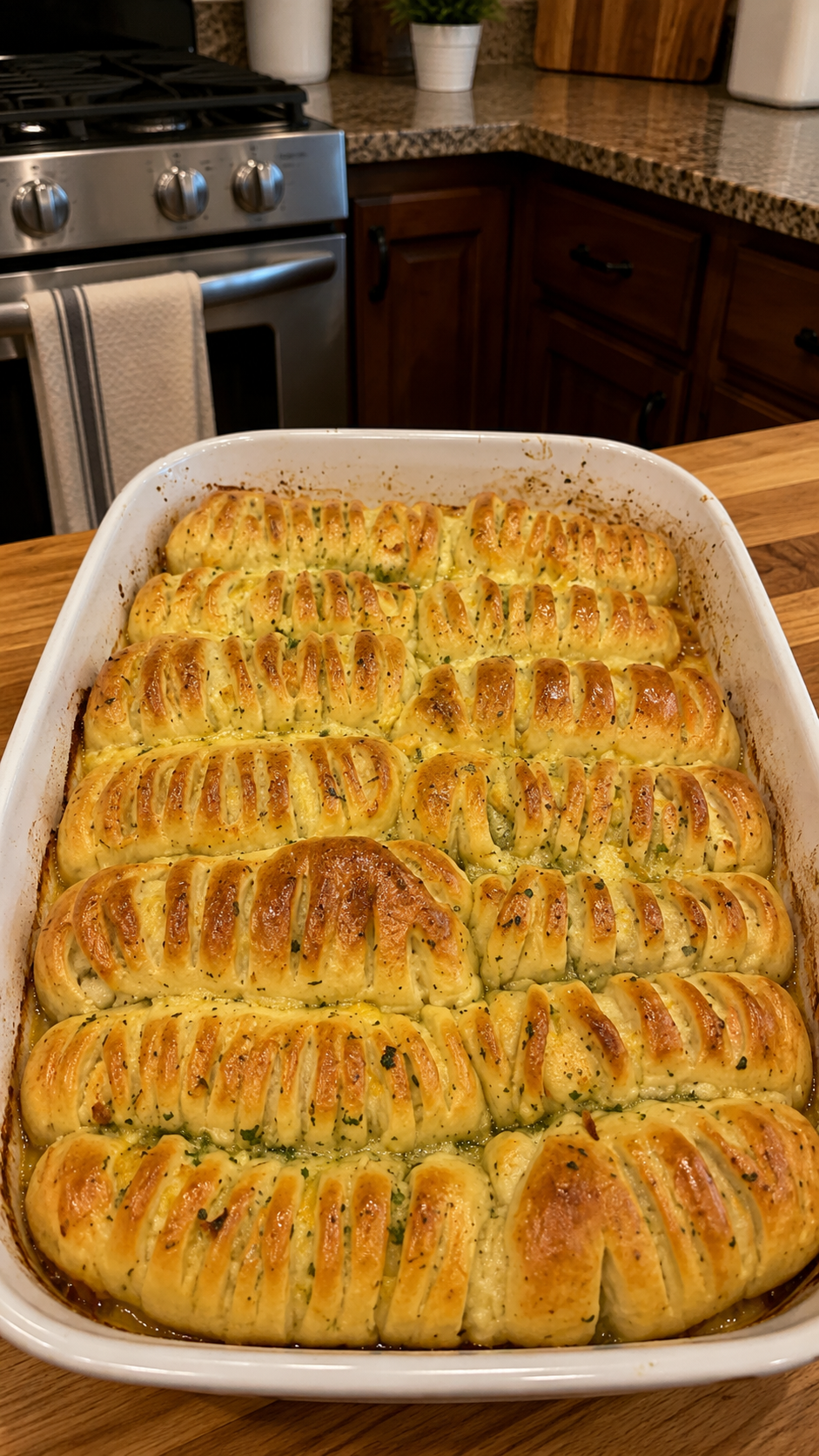
A Beef Bacon-Wrapped Prime Rib Roast transforms a classic holiday centerpiece into a rich, texturally complex dish that feels both luxurious and deeply comforting. The result is a roast where the tender, marbled beef of the prime rib meets the salty, smoky crunch of tightly wrapped bacon. This combination creates a savory crust that seals in juices while adding a distinct depth of flavor that plain roasting cannot achieve. It is an ideal choice for Sunday dinners, holiday gatherings, or any special occasion where you want to impress guests without sacrificing the tenderness of the meat. The fat from the bacon renders slowly, basting the roast as it cooks, ensuring every slice remains moist and flavorful.
This recipe balances simplicity with technique. By wrapping the roast, you create a protective layer that prevents the leaner parts of the meat from drying out during the long cooking process. The flavor profile is straightforward yet sophisticated: earthy herbs, garlic, and the natural sweetness of caramelized beef fat complement the saltiness of the bacon. Whether you are serving this to a small family or a large crowd, the visual appeal of the golden-brown, crispy exterior makes it a standout dish on any table.
For more inspiring recipes and culinary ideas, Follow Hailee Recipes on Pinterest.
Why This Recipe Works
The primary advantage of wrapping a prime rib roast in bacon lies in moisture retention and flavor enhancement. Prime rib is naturally fatty, but the outer edge can still dry out if exposed directly to high heat for too long. The bacon acts as a shield, rendering its own fat which continuously bastes the meat. This self-basting mechanism ensures the interior stays tender and pink without becoming tough.
Additionally, the bacon adds a necessary textural contrast. A traditional prime rib relies on the crispness of the seared crust, but the bacon provides a chewy, then crispy, element that complements the soft, yielding texture of the beef. The salt content in the bacon also seasons the meat from the outside in, reducing the need for excessive salting before cooking. This method simplifies the seasoning process while delivering a robust, savory profile that appeals to a wide range of palates.
Ingredients
- Prime Rib Roast: 5 to 6 pounds (bone-in or boneless), at room temperature before cooking.
- Bacon: 1 pound thick-cut bacon, uncooked strips.
- Garlic: 4 cloves, minced or pressed into a paste.
- Fresh Rosemary: 2 tablespoons, leaves stripped and finely chopped.
- Fresh Thyme: 1 tablespoon, leaves stripped and finely chopped.
- Black Pepper: 1 teaspoon freshly cracked coarse ground pepper.
- Kosher Salt: 1 tablespoon (adjust slightly based on bacon saltiness).
- Vegetable Oil: 1 tablespoon, for rubbing the meat before wrapping.
- Dry Mustard Powder: 1 teaspoon (optional, for added depth).
How To Make Beef Bacon-Wrapped Prime Rib Roast
- Prepare the Meat and Seasoning: Remove the prime rib roast from the refrigerator about two hours before cooking to bring it to room temperature; this promotes even cooking. Preheat your oven to 275°F (135°C). In a small bowl, combine the minced garlic, chopped rosemary, thyme, black pepper, kosher salt, and dry mustard powder. Rub the vegetable oil evenly over the entire surface of the roast, then press the herb mixture firmly onto the meat, ensuring full coverage.
- Wrap the Roast: Lay out the bacon strips on a clean cutting board or parchment paper, overlapping them slightly to create a sheet large enough to completely encase the roast. Place the seasoned roast in the center of the bacon sheet. Roll the bacon around the meat, tucking the ends underneath to secure the wrap. If the bacon does not stay in place, use kitchen twine to tie the roast at 1-inch intervals. Ensure there are no gaps in the bacon coverage, as exposed meat may burn.
- Initial Low-Roast: Place the wrapped roast on a rack inside a roasting pan, fat side up. Insert a meat thermometer into the thickest part of the meat, avoiding the bone if present. Roast in the preheated oven until the internal temperature reaches 115°F (46°C) for medium-rare or 120°F (49°C) for medium. For a 5-pound roast, this typically takes between 2 to 2.5 hours. The low temperature allows the bacon to render slowly without burning before the meat cooks through.
- Increase Heat for Crispness: Once the target internal temperature is reached, increase the oven temperature to 425°F (220°C). Continue roasting for another 15 to 20 minutes. Watch closely during this phase; the goal is to crisp the bacon and develop a deep brown crust on the meat without overcooking the interior. The bacon should be golden and firm to the touch.
- Rest the Roast: Remove the roast from the oven and transfer it to a cutting board. Tent loosely with aluminum foil and let it rest for at least 20 to 30 minutes. During this time, the internal temperature will continue to rise by 5 to 10 degrees (carryover cooking), and the juices will redistribute throughout the muscle fibers. Do not skip this step, as slicing immediately will cause the juices to run out, leaving the meat dry.
Doneness And Troubleshooting
Achieving the right doneness requires careful monitoring of the internal temperature rather than relying solely on time. For medium-rare, aim for a final resting temperature of 130°F to 135°F (54°C to 57°C). If you prefer medium, target 140°F to 145°F (60°C to 63°C). Remember that the temperature will rise while the meat rests, so pull the roast from the oven when it is 5 to 10 degrees below your desired final temperature.
If the bacon begins to darken too quickly before the meat reaches the target temperature, cover the roast loosely with a piece of foil to shield it from direct heat. Conversely, if the bacon is not crispy after the initial low-temperature cook, ensure you have finished the high-heat stage properly. If the bacon becomes burnt, trim the charred sections before serving; the underlying meat will still be safe to eat as long as the bacon was cooked thoroughly.
Substitutions And Variations
While thick-cut bacon is ideal for structural integrity and flavor, you can use regular bacon if thick-cut is unavailable. However, expect the bacon to cook faster and potentially become brittle sooner, requiring closer attention during the final crisping stage. If you need a gluten-free option, ensure your dry mustard and any other seasonings used are certified gluten-free, though bacon and beef are naturally gluten-free.
For a different flavor profile, you can substitute the fresh herbs with dried versions, using one-third the amount called for (e.g., 2/3 teaspoon dried rosemary instead of 2 tablespoons fresh). Note that dried herbs release their oils differently and may not provide the same aromatic punch as fresh. You might also add a layer of Dijon mustard under the bacon for extra tang, though this is an addition rather than a substitution.
Serving Suggestions
This roast pairs beautifully with classic sides that balance its richness. Creamy mashed potatoes or roasted root vegetables like carrots and parsnips absorb the savory drippings well. A simple green salad with a vinaigrette dressing cuts through the fat of the bacon and beef. Horseradish sauce is a traditional accompaniment that complements the beef flavor perfectly. Serve the roast sliced against the grain to ensure maximum tenderness in each bite.
Storage And Reheating
Leftovers can be stored in an airtight container in the refrigerator for up to three days. To maintain quality, allow the roast to cool completely before refrigerating. When reheating, slice the meat and warm it gently in a skillet with a little broth or butter to prevent drying out. Avoid microwaving the whole roast, as this can make the bacon rubbery and the meat tough. For longer storage, freeze the leftover slices in freezer-safe bags for up to three months; thaw overnight in the refrigerator before reheating.
This dish rewards patience and attention to detail. By following these steps, you ensure a result that is flavorful, visually stunning, and satisfying for everyone at the table.
Beef Bacon-Wrapped Prime Rib Roast
Ingredients
Method
- Bring roast to room temperature and preheat oven to 275°F. Mix garlic, herbs, salt, pepper, and mustard. Rub oil on meat and press seasoning mix onto roast.
- Overlap bacon strips to form a sheet. Wrap roast completely in bacon, securing with twine if necessary.
- Place on rack in roasting pan. Roast at 275°F until internal temp reaches 115°F for medium-rare (approx. 2 to 2.5 hours).
- Increase oven to 425°F. Roast for 15 to 20 minutes until bacon is crispy and meat is browned.
- Remove from oven and rest tented with foil for 20 to 30 minutes before slicing.