beef bolognese spaghetti
beef bolognese spaghetti
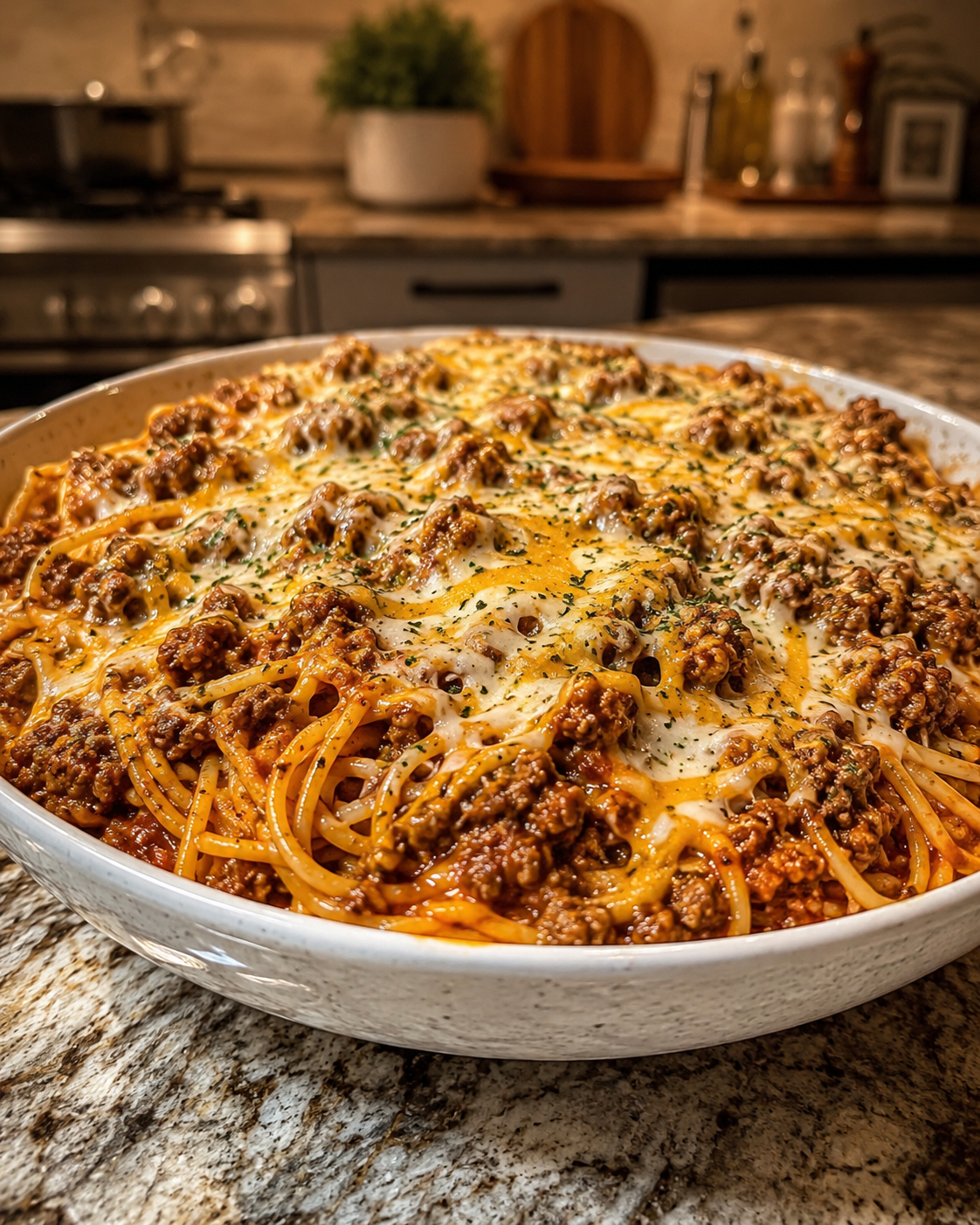
A classic beef bolognese spaghetti is a hearty, slow-simmered tomato sauce featuring ground beef, aromatic vegetables, and a splash of wine, all served over long strands of pasta. The result is a rich, savory dish where the meat breaks down into tender bits that cling to every noodle, creating a comforting texture that feels substantial yet balanced. This meal shines during cooler evenings or when you need a reliable dinner that satisfies a hungry crowd without requiring complex techniques. It is a staple in many households because it offers deep flavor development through patience rather than shortcuts. The sauce should be thick enough to coat the back of a spoon but loose enough to flow freely over the pasta. When prepared correctly, the acidity of the tomatoes mellows into sweetness, while the beef provides a robust umami backbone. For those seeking a practical weeknight solution that still feels special, this version delivers consistent results with ingredients found in most pantries.
Follow Hailee Recipes on Pinterest for more visual guides and recipe updates.
Why This Recipe Works
The success of this beef bolognese spaghetti relies on three fundamental culinary principles: proper browning, layering aromatics, and extended simmering time. First, browning the ground beef in batches ensures that the meat develops a deep, caramelized crust known as the Maillard reaction. If you overcrowd the pan, the meat steams instead of sears, resulting in a gray, bland texture rather than a flavorful, browned base. Second, cooking the onions, carrots, and celery (the soffritto) until they are soft and sweet before adding the liquid builds a flavor foundation that raw garlic or quick-cooked vegetables cannot achieve. Third, allowing the sauce to simmer gently for at least an hour gives the collagen in the beef time to break down, creating a velvety mouthfeel, and allows the tomato paste to cook out its raw metallic taste. This method transforms simple ingredients into a complex, cohesive sauce that tastes better the next day as the flavors continue to meld.
Ingredients
- 1 tablespoon olive oil: Use a high-quality extra virgin oil for sautéing the aromatics.
- 1 medium yellow onion: Finely diced to ensure it melts into the sauce.
- 1 medium carrot: Peeled and finely diced; this adds natural sweetness to balance the acidity.
- 1 stalk celery: Finely diced; provides an earthy depth that complements the beef.
- 3 cloves garlic: Minced finely; add later to prevent burning.
- 1 pound ground beef: Choose 80/20 lean-to-fat ratio for optimal flavor and moisture.
- 1 can (6 ounces) tomato paste: Do not dilute; this concentrates the tomato flavor.
- 1 cup dry red wine: A Cabernet Sauvignon or Merlot works well; avoid cooking wines.
- 1 can (28 ounces) whole peeled tomatoes: Crush them by hand or pulse briefly in a blender for texture.
- 1 cup beef broth: Low sodium is preferred so you can control the salt level.
- 1 teaspoon dried oregano: Adds a classic Italian herbal note.
- 1 teaspoon dried basil: Complements the oregano and tomato flavors.
- Salt and black pepper: To taste throughout the cooking process.
- 1 pound spaghetti: High-quality durum wheat pasta holds the sauce best.
- Parmesan cheese: Freshly grated for serving.
How To Make Beef Bolognese Spaghetti
- Prepare the Soffritto Base: Heat the olive oil in a large, heavy-bottomed pot or Dutch oven over medium heat. Add the diced onion, carrot, and celery. Cook these vegetables, stirring occasionally, for about 8 to 10 minutes until they have softened significantly and the onions are translucent. Do not rush this step, as browning the vegetables slightly will enhance the sweetness. Once soft, add the minced garlic and cook for just one minute until fragrant, being careful not to let it burn.
- Brown the Ground Beef: Increase the heat to medium-high. Add the ground beef to the pot, breaking it apart with a wooden spoon into small, bite-sized pieces. Allow the meat to sit undisturbed for a minute or two to develop a brown crust before stirring again. Continue cooking until the beef is fully browned and no pink remains. If excess fat accumulates in the pan, you may drain some, but leaving a little helps carry flavor. Stir in the tomato paste and cook it with the meat and vegetables for 2 to 3 minutes. This step cooks out the raw taste of the paste and deepens its color.
- Deglaze and Simmer: Pour in the red wine carefully, as it may splatter. Scrape the bottom of the pot vigorously with your spoon to release any browned bits stuck to the surface; these are packed with flavor. Let the wine simmer for 3 to 4 minutes until it reduces by half and the alcohol smell dissipates. Next, stir in the crushed whole tomatoes, beef broth, dried oregano, dried basil, and a generous pinch of salt and pepper. Bring the mixture to a gentle boil, then immediately reduce the heat to low.
- Long Slow Cooking: Cover the pot partially, leaving a small gap for steam to escape. Let the sauce simmer gently for at least 60 minutes. Stir it every 15 minutes to prevent sticking and to check the consistency. If the sauce becomes too thick, add a splash of water or additional broth. The goal is a rich, dark red sauce where the oil separates slightly from the top and the beef has become tender. Taste the sauce after 45 minutes and adjust seasoning with more salt or pepper if needed.
- Cook Pasta and Combine: While the sauce finishes, bring a large pot of salted water to a rolling boil. Add the spaghetti and cook according to package directions until al dente, meaning it still has a slight firmness when bitten. Before draining, reserve about 1 cup of the starchy pasta water. Drain the pasta and transfer it directly into the pot with the bolognese sauce. Toss everything together over low heat for 1 to 2 minutes, adding splashes of the reserved pasta water as needed to create a glossy emulsion that coats the noodles evenly.
Doneness And Troubleshooting
Knowing when the sauce is ready involves observing both texture and aroma. The sauce is done when it has thickened considerably, the beef is tender, and the liquid has reduced to a coating consistency rather than a soup-like state. You should see small bubbles breaking the surface slowly, indicating a gentle simmer. If the sauce tastes too acidic, it likely needs more simmering time to allow the natural sugars in the tomatoes to caramelize. Conversely, if the sauce is too thick before the beef is tender, simply add a little more broth or water and continue cooking. For the pasta, the ideal doneness is “al dente,” which means “to the tooth.” It should offer a slight resistance when chewed, not be mushy or hard. If the sauce clings too heavily to the pasta, the reserved starchy water will loosen it up instantly. Never rinse the cooked pasta, as this removes the starch necessary for the sauce to adhere.
Substitutions And Variations
This recipe is adaptable to various dietary preferences and pantry constraints. If you prefer a lighter protein, you can substitute half the ground beef with ground turkey or chicken, though the sauce will be slightly less rich and may require a bit more fat or butter added at the end. For a dairy-free option, omit the Parmesan cheese or use a plant-based alternative, noting that the flavor profile will change slightly. If you do not have red wine, you can replace it with an equal amount of beef broth mixed with a teaspoon of red wine vinegar to mimic the acidity, though the depth of flavor will be less complex. Some cooks add a bay leaf during the simmering stage for an herbal note, removing it before serving. Additionally, while spaghetti is traditional, this sauce pairs equally well with pappardelle, fettuccine, or even penne. If you are short on time, you can reduce the simmering time to 30 minutes, but the texture of the meat will remain firmer and the flavors less integrated.
Serving Suggestions
Serve the beef bolognese spaghetti hot, ensuring each plate receives a generous ladle of sauce tossed thoroughly with the noodles. Garnish with freshly grated Parmesan cheese, which adds a salty, nutty finish that contrasts beautifully with the rich tomato base. A side of crisp green salad dressed with a light vinaigrette cuts through the heaviness of the dish, providing a refreshing counterpoint. Garlic bread or toasted baguette slices are excellent for soaking up any remaining sauce on the plate. For a complete meal, consider serving roasted vegetables like broccoli rabe or asparagus on the side. The key is to keep sides simple so they do not compete with the dominant flavors of the bolognese. Ensure the pasta is plated immediately after tossing, as letting it sit too long can cause it to absorb too much sauce and become dry.
Storage And Reheating
Leftover beef bolognese spaghetti stores well in the refrigerator. Allow the sauce and pasta to cool completely before transferring them to an airtight container. Properly stored, the leftovers will last for up to 4 days. Note that the pasta will continue to absorb the sauce in the fridge, so the consistency will thicken over time. When reheating, add a splash of water, broth, or milk to the container to restore the sauce’s fluidity. Reheat gently on the stovetop over low-medium heat, stirring frequently, or microwave in intervals, covering the dish to retain moisture. For longer storage, freeze the sauce separately from the pasta for up to 3 months. Thaw the frozen sauce overnight in the refrigerator before reheating. Avoid freezing the cooked pasta, as it tends to become mushy and disintegrates upon thawing. Always ensure the internal temperature of the reheated food reaches 165°F (74°C) for safety.
This beef bolognese spaghetti offers a satisfying, home-style meal that rewards patience with deep, layered flavors. By focusing on proper technique rather than complicated ingredients, you can achieve a restaurant-quality dish right in your own kitchen. The versatility of the sauce makes it suitable for busy weeknights or leisurely weekend dinners alike.
beef bolognese spaghetti
Ingredients
Method
- Heat olive oil in a large pot over medium heat. Add onion, carrot, and celery; cook until soft (8-10 mins). Add garlic and cook 1 minute.
- Increase heat to medium-high. Add ground beef, breaking it up. Brown thoroughly. Stir in tomato paste and cook 2-3 minutes.
- Pour in red wine, scraping the bottom of the pot. Simmer until reduced by half. Add crushed tomatoes, broth, oregano, basil, salt, and pepper.
- Bring to a boil, then reduce heat to low. Cover partially and simmer gently for 60 minutes, stirring occasionally. Adjust seasoning.
- Boil spaghetti in salted water until al dente. Reserve 1 cup pasta water. Drain pasta and toss with sauce, adding pasta water as needed to coat.