cheesy mac and cheese
cheesy mac and cheese
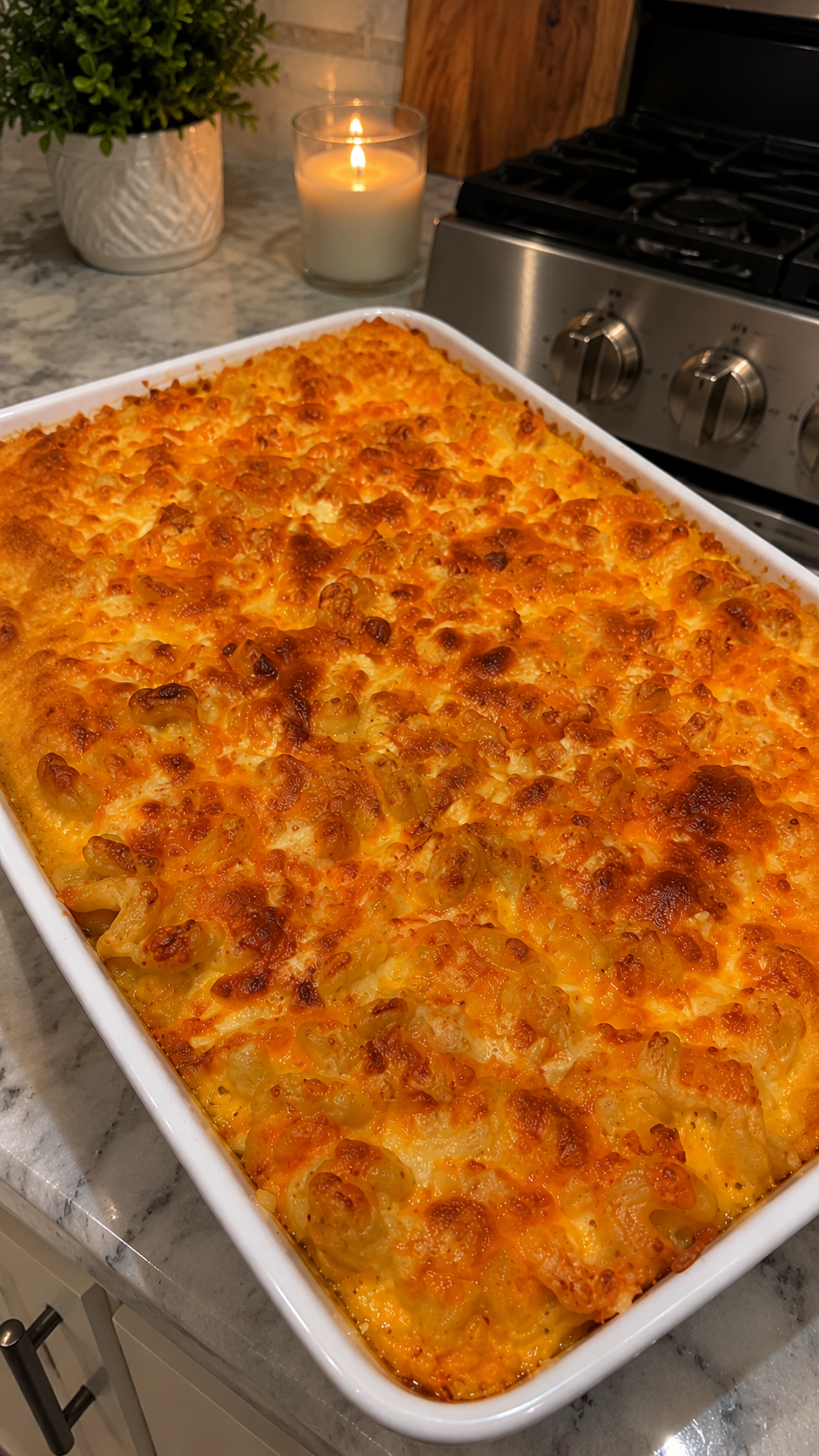
A classic cheesy mac and cheese delivers a rich, velvety sauce that clings to every curve of the pasta, creating a comforting dish with a golden, slightly crisp top layer. This version balances the sharpness of aged cheddar with the creaminess of milk and butter, resulting in a texture that is both smooth and substantial. It serves as an ideal side for roasted meats or a quick, satisfying main course when paired with a simple green salad. The flavor profile is deeply savory without being overwhelming, relying on proper emulsification rather than heavy thickeners to achieve its signature mouthfeel. Whether prepared for a busy weeknight dinner or a casual weekend gathering, this dish offers consistent results that please a wide range of palates.
Follow Hailee Recipes on Pinterest for more detailed guides on building flavorful sauces and mastering pasta textures.
Why This Recipe Works
The foundation of a great macaroni and cheese lies in how the cheese interacts with the liquid components. Many home cooks struggle with sauces that separate into oil and solids or become grainy upon cooling. This approach avoids those pitfalls by creating a stable roux before introducing the dairy. A roux, made from equal parts fat and flour, acts as a thickening agent that binds the water molecules in the milk to the fat molecules, preventing separation. By cooking the flour briefly, you eliminate any raw taste while ensuring the starch granules are ready to swell and thicken the sauce effectively.
Another critical factor is the choice of cheese. Pre-shredded cheeses often contain anti-caking agents like cellulose, which can interfere with melting and result in a gritty texture. Grating your own block of cheddar ensures that the proteins melt uniformly, creating a silky consistency. Using a combination of sharp and mild cheddars provides depth of flavor; the sharp variety contributes a tangy bite, while the mild cheese adds body and creaminess without overpowering the palate. Heating the milk slightly before adding it to the roux helps maintain a steady temperature, allowing the sauce to thicken gradually rather than seizing up from a sudden thermal shock.
Ingredients
- Pasta: 1 pound (450g) elbow macaroni or cavatappi. These shapes hold sauce well due to their curves and ridges.
- Butter: 4 tablespoons (56g) unsalted butter. Salted butter can be used, but reduce added salt in the recipe if so.
- All-Purpose Flour: 1/3 cup (42g). This creates the base for the roux.
- Milk: 3 cups (720ml) whole milk. Whole milk provides the necessary fat content for a rich sauce; lower-fat milks may result in a thinner consistency.
- Cheddar Cheese: 4 cups (approx. 400g) freshly shredded sharp cheddar. Use about half sharp and half mild for balance, or all sharp if you prefer a stronger flavor.
- Dry Mustard Powder: 1 teaspoon. This enhances the cheese flavor without adding a distinct mustard taste.
- Salt: 1 teaspoon, plus more to taste for the pasta water and final seasoning.
- Black Pepper: 1/2 teaspoon freshly ground black pepper.
- Baking Soda: 1/8 teaspoon. This small amount helps break down the protein structure in the cheese, promoting a smoother melt.
How To Make Cheesy Mac and Cheese
- Prepare the Pasta: Bring a large pot of generously salted water to a boil. Add the macaroni and cook according to package directions until al dente, meaning it should still have a slight firmness when bitten. You want the pasta to finish cooking in the sauce later, so do not overcook it at this stage. Drain the pasta in a colander and set it aside. Do not rinse the pasta, as the surface starch helps the sauce adhere to the noodles.
- Create the Roux: While the pasta cooks, melt the butter in a large Dutch oven or heavy-bottomed saucepan over medium heat. Once the butter is fully melted and bubbling slightly, whisk in the flour. Cook this mixture, stirring constantly with a wooden spoon or whisk, for about 2 minutes. The mixture should bubble gently and turn a pale blonde color. This step cooks out the raw flour taste and creates the thickening base for the sauce.
- Incorporate the Milk: Slowly pour in the warm milk while whisking vigorously to prevent lumps from forming. Continue to whisk as the mixture begins to simmer. Reduce the heat to medium-low and let the sauce cook for 5 to 7 minutes, stirring frequently, until it thickens enough to coat the back of a spoon. If the sauce becomes too thick, add a splash more milk; if too thin, continue cooking for another minute or two.
- Add Seasoning and Cheese: Remove the pan from the heat. Stir in the dry mustard powder, salt, black pepper, and baking soda. Gradually add the shredded cheddar cheese in handfuls, stirring gently after each addition until the cheese is completely melted and incorporated. Avoid boiling the sauce once the cheese is added, as high heat can cause the fats to separate and the sauce to become grainy. The residual heat is usually sufficient to melt the cheese smoothly.
- Combine and Serve: Add the drained pasta directly into the cheese sauce. Toss gently but thoroughly until every noodle is evenly coated. Taste the mixture and adjust the seasoning with additional salt or pepper if needed. Transfer the macaroni and cheese to a serving bowl immediately. For a baked version with a crispy top, transfer to a greased baking dish, sprinkle with breadcrumbs or extra cheese, and bake at 375°F (190°C) for 15-20 minutes until bubbly and golden.
Doneness And Troubleshooting
Knowing when the sauce has reached the right consistency is key to success. The sauce is ready when it leaves a clear path when you run a spatula through it on the bottom of the pan, and it coats the back of a spoon heavily. If the sauce appears too thick before adding the cheese, simply stir in a tablespoon or two of warm milk to loosen it. Conversely, if the sauce seems too thin after the cheese melts, return the pan to low heat and stir for a minute or two to allow excess moisture to evaporate.
If the sauce ever looks oily or separated, it likely means the heat was too high during the cheese-melting phase. To fix this, remove the pan from the heat immediately and whisk in a tablespoon of cold milk or a splash of cream. Sometimes, adding a tiny pinch of baking soda can also help re-emulsify the fats. If the pasta absorbs too much sauce while sitting, the dish will become dry. Always reserve a little bit of the starchy pasta water before draining; if the mac and cheese needs loosening before serving, stir in a splash of this water to restore the creamy texture.
Substitutions And Variations
While traditional cheddar is the standard, you can experiment with other cheeses to alter the flavor profile. Gruyère or fontina can be mixed with the cheddar to add nuttiness and extra creaminess. However, avoid using pre-shredded cheese blends, as they often contain additives that prevent smooth melting. For a lighter version, you might substitute half-and-half for some of the milk, though this will increase the richness. If you need a gluten-free option, use a gluten-free flour blend to make the roux, keeping in mind that some blends may require slightly different ratios to achieve the same thickening power.
Variations can easily elevate the dish. Adding cooked bacon bits, sautéed onions, or steamed broccoli florets introduces new textures and flavors. For a spicy kick, incorporate a pinch of cayenne pepper or diced jalapeños into the sauce. If you prefer a bread topping, mix panko breadcrumbs with melted butter and a little parmesan, then sprinkle over the top before baking. Remember that adding mix-ins like vegetables or meats may require adjusting the salt levels, as these ingredients often bring their own seasoning.
Serving Suggestions
This macaroni and cheese pairs exceptionally well with roasted chicken, grilled pork chops, or a simple herb-crusted salmon. The richness of the dish complements leaner proteins, balancing the meal. For a vegetarian option, serve it alongside a crisp garden salad dressed with a vinaigrette to cut through the creaminess. A side of steamed green beans or roasted Brussels sprouts adds necessary color and crunch to the plate. If serving as a main course, consider adding a fresh fruit compote or a light fruit salad to provide a sweet contrast to the savory pasta.
Storage And Reheating
Leftovers can be stored in an airtight container in the refrigerator for up to three days. As the dish cools, the sauce will naturally thicken and solidify. To reheat, place the portion in a microwave-safe dish and add a splash of milk or water to help restore the creamy texture. Cover loosely and heat in short intervals, stirring in between, until warmed through. Alternatively, reheat in a skillet over low heat with a little added liquid, stirring constantly until the sauce loosens. Freezing is possible but not recommended for best texture, as the dairy can sometimes separate upon thawing. If you must freeze, cool the dish completely, store in a freezer-safe container for up to one month, and thaw overnight in the refrigerator before reheating gently.
Consistency is achieved through patience and attention to detail. By following these steps, you ensure a dish that is comforting, flavorful, and reliably delicious every time.
cheesy mac and cheese
Ingredients
Method
- Boil salted water and cook pasta until al dente; drain and set aside.
- Melt butter in a large pot over medium heat and whisk in flour to create a roux; cook for 2 minutes.
- Slowly whisk in warm milk and simmer until the sauce thickens to coat the back of a spoon.
- Remove from heat and stir in mustard, salt, pepper, and baking soda; gradually add cheese and stir until melted.
- Combine pasta with the cheese sauce, toss to coat, and serve immediately or bake for a crispy top.