Baked Lasagna
Baked Lasagna
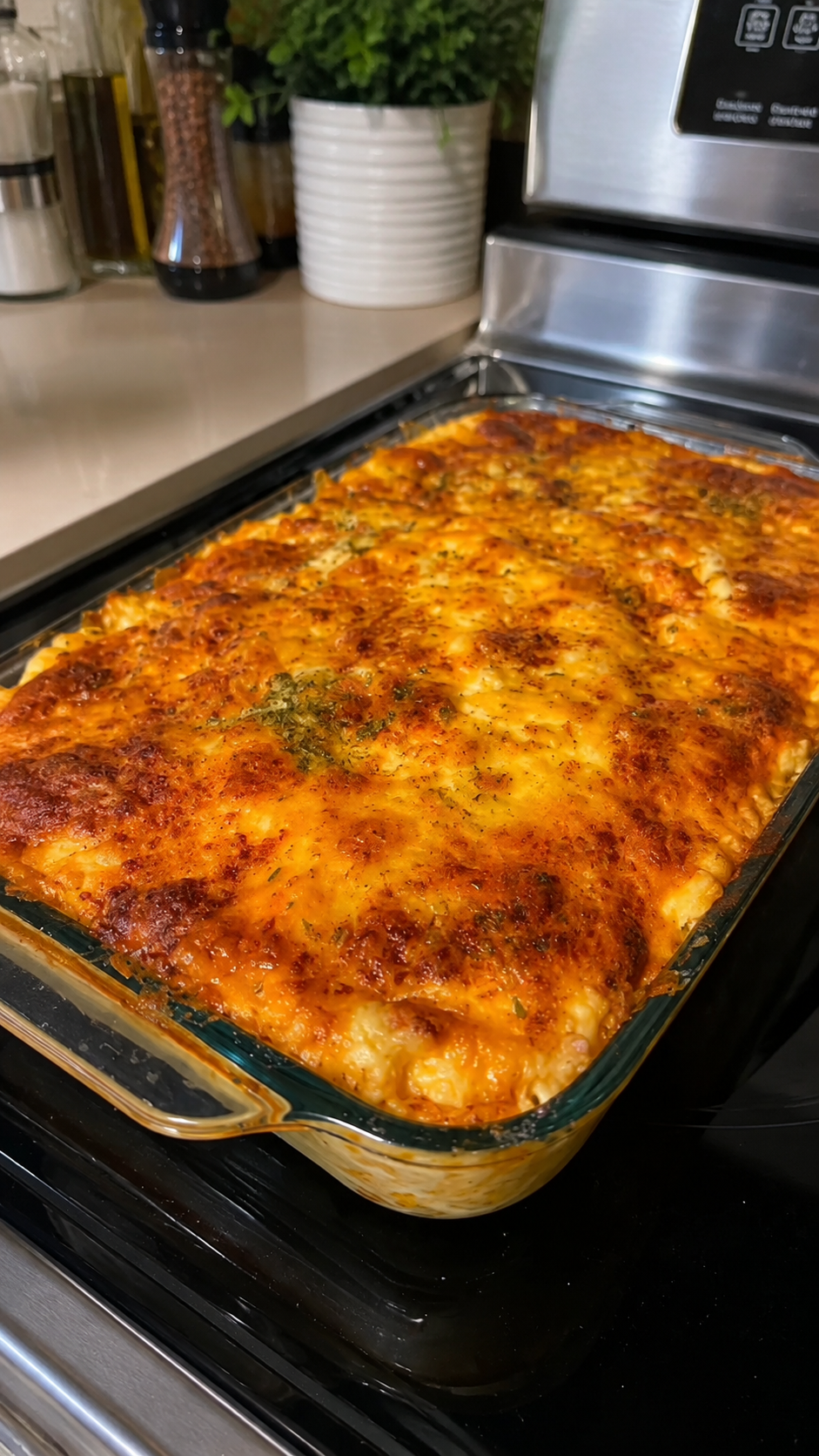
Baked Lasagna is a classic Italian-American dish defined by its comforting layers of pasta, rich meat sauce, and creamy cheese filling. This hearty meal features wide, flat noodles that absorb the savory flavors of tomato, garlic, and herbs, creating a cohesive texture that holds together when sliced. The result is a golden-brown, bubbling top layer of melted mozzarella and Parmesan cheese that contrasts beautifully with the tender, saucy interior. It is an ideal choice for family dinners, potlucks, or meal-prepping for the week ahead because it tastes even better the next day as the flavors have time to meld. Whether you are feeding a crowd or preparing a simple dinner for two, this version offers a straightforward approach without sacrificing depth of flavor.
If you enjoy traditional comfort food that feels substantial yet balanced, Baked Lasagna delivers exactly that. The dish relies on the interplay between the acidity of the tomatoes, the sweetness of the onions and carrots, and the richness of the dairy. It is versatile enough to be customized with different meats or vegetables while maintaining its core identity. For those looking to build a reliable routine in the kitchen, this recipe provides a solid foundation that can be adapted to various dietary needs or ingredient preferences. You can find more inspiration for similar dishes by visiting Follow Hailee Recipes on Pinterest.
Why This Recipe Works
The success of a baked lasagna often comes down to the balance of moisture and structure. In this recipe, we focus on preventing the common pitfall of a soggy bottom or dry edges. By simmering the meat sauce separately before assembling, we ensure that excess liquid evaporates, allowing the pasta to cook properly in the oven without becoming mushy. The use of no-boil or pre-cooked lasagna noodles (depending on your preference) simplifies the process, but the key remains in how the sauce is layered.
We incorporate a ricotta mixture seasoned with fresh herbs and egg to act as a binding agent. This ensures that each slice holds its shape when served, rather than sliding apart. The cheese blend on top is chosen specifically for its melting properties; mozzarella provides the stretch, while Parmesan adds a salty, nutty crust that browns beautifully under the broiler. This method creates distinct layers where every bite contains a bit of pasta, sauce, and cheese, delivering a consistent experience from the first forkful to the last.
Ingredients
To make this dish, you will need a selection of high-quality staples. The following list includes the exact components required to assemble a standard 9×13 inch pan of lasagna. Ensure all ingredients are at room temperature before beginning assembly to promote even cooking.
- Lasagna Noodles: 12 ounces (about 9-12 sheets), uncooked. You may use regular dried noodles that require boiling or “no-boil” varieties designed for direct baking.
- Ground Beef: 1 pound, lean (85/15 ratio). Ground turkey or Italian sausage can be substituted for a different flavor profile.
- Onion: 1 medium yellow onion, finely diced.
- Garlic: 4 cloves, minced.
- Crushed Tomatoes: 28 ounces (one large can).
- Tomato Paste: 6 ounces (two small cans or one large can).
- Dried Oregano: 1 tablespoon.
- Dried Basil: 1 teaspoon.
- Salt: 1 teaspoon, plus extra to taste.
- Black Pepper: ½ teaspoon.
- Ricotta Cheese: 15 ounces (one container), whole milk preferred.
- Egg: 1 large egg, beaten.
- Mozzarella Cheese: 16 ounces (4 cups), shredded. Freshly shredded melts better than pre-shredded bags which contain anti-caking agents.
- Parmesan Cheese: ½ cup, freshly grated.
- Vegetable Oil or Olive Oil: 2 tablespoons for sautéing.
How To Make Baked Lasagna
- Prepare the Sauce: Heat the oil in a large skillet or Dutch oven over medium-high heat. Add the ground beef and break it up with a wooden spoon. Cook until browned and no pink remains, about 5-7 minutes. Drain any excess fat if necessary. Stir in the diced onion and cook for another 3 minutes until softened. Add the minced garlic, oregano, basil, salt, and pepper, cooking for 1 minute until fragrant. Pour in the crushed tomatoes and tomato paste, stirring well to combine. Reduce the heat to low and let the sauce simmer uncovered for 15-20 minutes. This step concentrates the flavors and thickens the sauce so it isn’t too watery during baking.
- Cook the Pasta (if using regular noodles): If you are not using no-boil noodles, bring a large pot of salted water to a boil. Cook the lasagna sheets according to package directions until they are al dente (usually 1-2 minutes less than the recommended time). Drain the noodles and lay them flat on clean kitchen towels or parchment paper to prevent sticking. If using no-boil noodles, skip this step and keep them dry.
- Make the Cheese Filling:In a medium mixing bowl, combine the ricotta cheese, beaten egg, and half of the Parmesan cheese. Mix until smooth and well incorporated. Season lightly with a pinch of salt and pepper. Set aside.
- Assemble the Layers:Preheat your oven to 375°F (190°C). Spread a thin layer of the meat sauce on the bottom of a greased 9×13 inch baking dish to prevent sticking. Place a single layer of lasagna noodles over the sauce, overlapping slightly if necessary. Spread half of the ricotta mixture evenly over the noodles, followed by a generous layer of shredded mozzarella. Spoon about one-third of the remaining meat sauce over the cheese. Repeat the layers: noodles, remaining ricotta, mozzarella, and more sauce. Finish with a final layer of noodles, the rest of the meat sauce, the remaining mozzarella, and the reserved Parmesan cheese on top.
- Bake and Rest:Cover the baking dish tightly with aluminum foil, ensuring the foil does not touch the cheese directly (you can tent it). Bake for 25 minutes. Remove the foil and continue baking for another 20-25 minutes, or until the cheese is bubbly and starting to brown in spots. Let the lasagna rest on a wire rack for at least 15 minutes before slicing. This resting period is crucial as it allows the layers to set, making it much easier to cut clean squares without the filling sliding out.
Doneness And Troubleshooting
Knowing when your lasagna is fully cooked involves observing both visual cues and texture. The cheese on top should be deeply golden brown and bubbling vigorously around the edges. If the top is browning too quickly before the center is hot, loosely cover it with foil again and continue baking. The internal temperature should reach at least 165°F (74°C) to ensure the eggs and dairy are safe to eat.
If the lasagna turns out too dry, it likely means the sauce was too thick before assembly or the noodles absorbed too much liquid. Next time, add a splash of water or broth to the sauce before layering. Conversely, if the dish is soupy, the sauce may have been too thin or the noodles were over-soaked. Always drain your meat sauce thoroughly after simmering. Another common issue is a raw noodle center; this happens if the sauce lacks moisture or the baking time is insufficient. Ensure your sauce is loose enough to hydrate the pasta during the covered baking phase.
Substitutions And Variations
This recipe is adaptable to various dietary preferences and pantry staples. For a lighter version, substitute the ground beef with ground turkey or chicken. While these meats are leaner, they benefit from being sautéed with a little extra olive oil to maintain moisture. You can also swap the beef entirely for Italian sausage, either sweet or spicy, which adds a robust fennel flavor.
For a vegetarian option, replace the meat with a mixture of sautéed mushrooms, zucchini, and spinach. Sauté the vegetables until their moisture has evaporated before adding them to the sauce to prevent a watery lasagna. If you prefer gluten-free options, look for lasagna noodles made from rice or corn flour, though note that these may require slightly different cooking times and can be more fragile when handling.
Regarding the cheese, you can mix in some fontina or provolone for a deeper flavor profile. However, avoid using pre-shredded cheese for the main layers if possible, as the preservatives used to keep it from clumping can inhibit proper melting, resulting in a grainy texture. Freshly grated cheese always yields the smoothest, creamiest results.
Serving Suggestions
Baked Lasagna pairs wonderfully with a crisp green salad dressed in a light vinaigrette to cut through the richness of the cheese and meat. A side of garlic bread or focaccia is essential for soaking up any extra sauce left on the plate. For a complete Italian-inspired meal, serve with roasted broccoli or sautéed spinach seasoned with lemon juice and red pepper flakes.
When serving, use a sharp knife and a wide spatula to lift slices from the pan. Allow the lasagna to cool sufficiently before cutting to ensure neat portions. Garnish with fresh chopped parsley or basil leaves just before serving to add a pop of color and freshness to the warm dish.
Storage And Reheating
Leftover lasagna can be stored in an airtight container in the refrigerator for up to 4 days. To reheat, place individual portions in a microwave-safe dish with a splash of water or sauce to keep it moist, covering with a damp paper towel. Heat on medium power for 2-3 minutes until warmed through. Alternatively, reheat the entire dish in a 350°F (175°C) oven covered with foil for 20-30 minutes.
For longer storage, you can freeze the assembled, unbaked lasagna or the leftovers. Wrap the dish tightly in plastic wrap and then aluminum foil. Frozen lasagna can be kept for up to 3 months. When ready to eat, thaw it overnight in the refrigerator before baking. If baking from frozen, increase the baking time by approximately 50% and ensure the internal temperature reaches 165°F. Always label containers with the date to track freshness.
Mastering the art of baked lasagna requires attention to detail, particularly in managing moisture and layering. With these steps, you can create a reliable, delicious meal that satisfies everyone at the table.
Baked Lasagna
Ingredients
Method
- Brown the ground beef with onion and garlic; stir in tomatoes, paste, and spices; simmer for 15-20 minutes.
- Cook noodles until al dente if not using no-boil variety; drain and set aside.
- Mix ricotta, egg, and half the Parmesan cheese in a bowl.
- Layer sauce, noodles, ricotta mixture, mozzarella, and sauce in a greased 9x13 inch dish.
- Cover with foil and bake at 375°F for 25 minutes; remove foil and bake 20-25 minutes more until bubbly and browned.
- Rest for 15 minutes before serving.