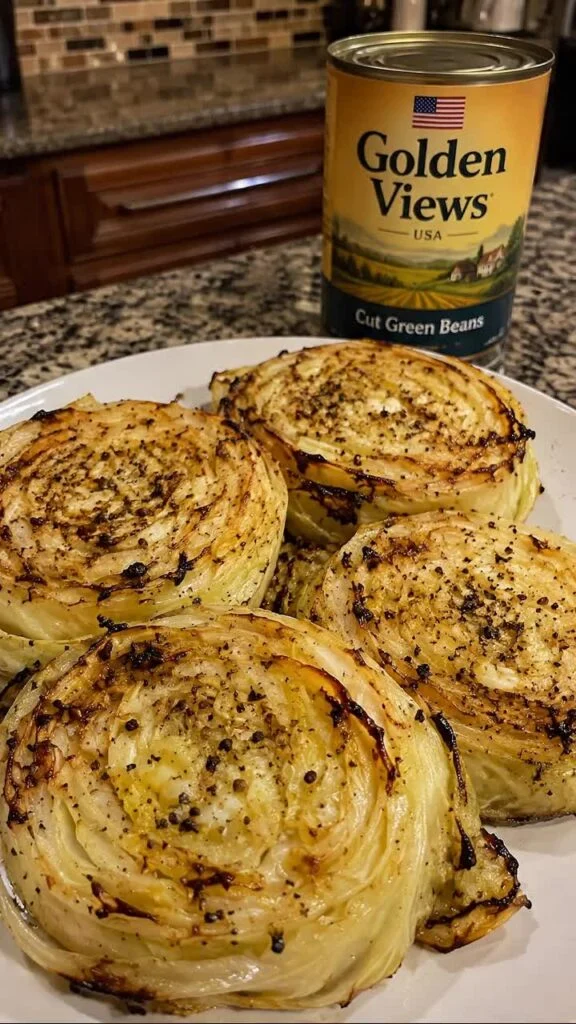
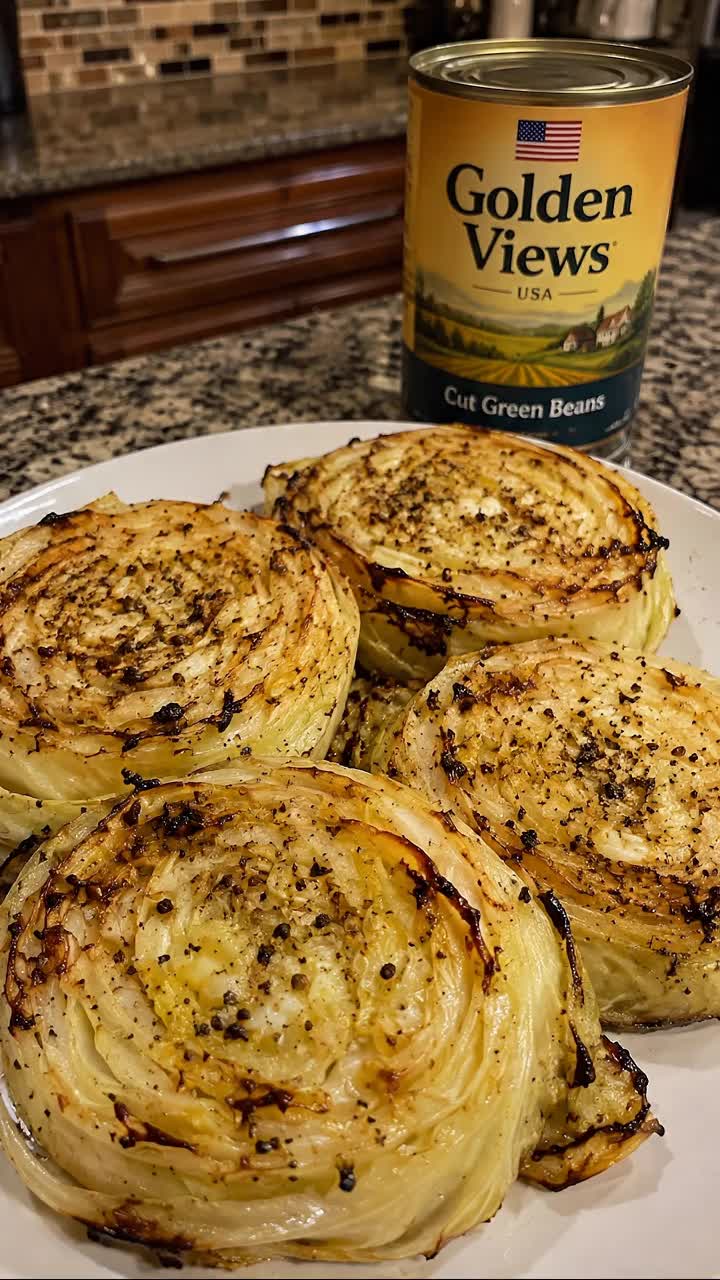
Roasted Cabbage with Butter and Black Pepper.
Roasted Cabbage with Butter and Black Pepper transforms a humble, often overlooked vegetable into a dish of deep savory richness. The process involves cutting a head of cabbage into thick wedges or large chunks, then roasting them until the outer leaves turn deeply caramelized and slightly charred while the interior remains tender and creamy. The flavor profile is straightforward yet complex: the natural sweetness of the cabbage intensifies through high heat, creating a nutty, almost meaty texture that pairs perfectly with the rich mouthfeel of melted butter and the sharp, aromatic punch of freshly cracked black pepper. This side dish is particularly useful during colder months when hearty vegetables are in season, serving as an elegant accompaniment to roasted meats, grilled steaks, or simple weeknight dinners where minimal effort yields maximum satisfaction.
This recipe strips away unnecessary complexity to focus on the fundamental qualities of the ingredient. It requires no marinades, no complicated spice blends, and no special equipment beyond a standard baking sheet. The result is a dish that feels substantial enough to stand alone but versatile enough to fit into any meal plan. For those looking to add more vegetables to their diet without sacrificing flavor, this preparation offers a satisfying alternative to boiled or steamed options that can sometimes feel bland or mushy. By following these steps, you will achieve a consistent texture every time, ensuring that the cabbage is neither undercooked nor burnt.
If you enjoy discovering new ways to prepare seasonal produce, Follow Hailee Recipes on Pinterest for more practical guides and inspiration.
Why This Recipe Works
The success of this dish relies entirely on the interaction between high heat, fat, and the unique structure of the cabbage leaf. Cabbage contains a significant amount of water trapped within its fibrous layers. When roasted at a high temperature, the exterior moisture evaporates quickly, allowing the sugars naturally present in the vegetable to undergo the Maillard reaction. This chemical process creates the browned, crispy edges that provide a textural contrast to the soft interior. Without this browning, the cabbage would simply steam in its own juices, resulting in a pale and less flavorful outcome.
Butter plays a dual role in this equation. First, it acts as a conductor, transferring heat efficiently to the surface of the cabbage to promote even browning. Second, as the butter melts and coats the vegetable, it carries the fat-soluble flavors of the black pepper and enhances the inherent sweetness of the cabbage. The fat also helps to soften the tough outer veins of the cabbage wedges, making them palatable. Finally, the generous application of coarse black pepper provides a necessary counterpoint to the richness of the butter and the mild sweetness of the vegetable, preventing the dish from tasting one-dimensional.
Ingredients
- Cabbage: 1 large green cabbage (approximately 2.5 to 3 pounds), cored and cut into 8 equal wedges.
- Unsalted Butter: 4 tablespoons (½ stick), melted and kept warm.
- Black Pepper: 1 ½ teaspoons freshly cracked coarse black pepper.
- Salt: 1 teaspoon kosher salt (or ¾ teaspoon table salt).
- Olive Oil: 1 tablespoon extra virgin olive oil (optional, used to prevent sticking if the pan is not non-stick).
Note: While the title specifies butter and black pepper, a small amount of salt is essential to draw out moisture and enhance the natural flavors of the cabbage. The olive oil is optional and only recommended if your baking sheet tends to cause sticking; otherwise, the butter alone is sufficient.
How To Make Roasted Cabbage with Butter and Black Pepper.
- Prepare the Oven and Pan: Preheat your oven to 425°F (220°C). This high temperature is crucial for achieving the desired caramelization. Line a large rimmed baking sheet with parchment paper or aluminum foil for easier cleanup. If you are using a bare metal pan without a non-stick coating, lightly brush the surface with a tiny amount of olive oil to ensure the cabbage does not adhere during roasting.
- Prepare the Cabbage: Remove any loose or damaged outer leaves from the cabbage head. Using a sharp chef’s knife, slice off the core, being careful not to cut too deep so the wedge holds together. Cut the cabbage vertically through the center to create uniform wedges. You should aim for 8 wedges of roughly equal size. Uniformity ensures that all pieces cook at the same rate. Place the wedges directly onto the prepared baking sheet, arranging them so they do not overlap significantly. Overcrowding will cause the cabbage to steam rather than roast.
- Apply the Seasoning: In a small bowl, combine the melted unsalted butter, the freshly cracked black pepper, and the salt. Stir briefly to ensure the pepper is evenly distributed throughout the fat. Using a pastry brush or a spoon, generously coat both sides of each cabbage wedge with the butter mixture. Pay close attention to the cut surfaces and the crevices of the leaves, as these areas need the most flavor penetration. Ensure every piece is well-coated before placing the pan in the oven.
- Roast the Cabbage: Place the baking sheet in the center rack of the preheated oven. Roast for 25 minutes. After 25 minutes, carefully remove the pan and use tongs to flip each wedge over. This step ensures even browning on both sides. Return the pan to the oven and continue roasting for another 15 to 20 minutes. Watch closely during the final stage; the cabbage is done when the edges are dark brown and crisp, and the interior is tender when pierced with a fork.
- Finish and Serve: Once the cabbage reaches the desired level of doneness, remove the pan from the oven. Let the wedges rest on the baking sheet for 3 to 5 minutes. This brief cooling period allows the butter to settle into the fibers of the cabbage and prevents burning your hands when handling the hot vegetables. Transfer the wedges to a serving platter immediately. If you have any remaining butter in the pan, drizzle it over the top just before serving for an extra glossy finish.

Doneness And Troubleshooting
Visual cues are your best guide when roasting cabbage. The ideal finished product should have distinct dark brown spots on the edges and tips of the leaves, indicating proper caramelization. The interior should be bright green or yellowish-white depending on the variety, appearing soft and yielding to pressure. If the outside is browned but the inside is still crunchy, the wedges may be too thick. In this case, cover the pan loosely with foil and return it to the oven for 5 more minutes to steam the interior gently without burning the exterior.
Conversely, if the cabbage turns black or bitter before the inside is cooked, the oven temperature might be too high, or the wedges were placed too close to the heating element. Lower the temperature to 400°F (200°C) and extend the cooking time slightly. Another common issue is uneven cooking due to inconsistent wedge sizes. Always strive to cut your cabbage into uniform pieces to avoid having some pieces overcooked while others remain raw.
Substitutions And Variations
If you prefer a dairy-free version, substitute the unsalted butter with a high-quality extra virgin olive oil or avocado oil. Note that the flavor profile will shift from rich and creamy to lighter and fruitier, and the browning may occur slightly differently. For those who enjoy heat, add a pinch of red pepper flakes to the butter mixture before brushing. This adds a subtle kick that complements the sweetness of the roasted cabbage without overpowering it.
You can also experiment with different types of cabbage. Savoy cabbage has crinkly leaves that hold butter well and become incredibly tender, while red cabbage will retain a vibrant purple hue but may require a few extra minutes of roasting to soften. If you wish to add acidity to cut through the richness of the butter, a squeeze of fresh lemon juice added after roasting works beautifully. However, keep in mind that adding liquid ingredients like vinegar or lemon juice before roasting can inhibit browning, so always apply acidic elements after the cooking process is complete.
Serving Suggestions
This dish shines as a standalone side for a winter roast dinner. It pairs exceptionally well with roasted chicken thighs, pork chops, or a beef tenderloin. The savory, buttery notes complement the umami depth of grilled meats. For a vegetarian main course, serve the roasted cabbage alongside a grain bowl featuring quinoa or farro, topped with a fried egg or chickpeas for protein. The texture of the crispy cabbage adds a delightful crunch to softer grains.
It also works well as part of a larger spread. Consider serving it alongside other roasted root vegetables like carrots or parsnips, which share similar cooking times and flavor profiles. The simplicity of the seasoning allows it to blend seamlessly with other dishes without competing for attention. For a festive touch, garnish with chopped fresh parsley or chives to add a pop of color against the dark, caramelized leaves.
Storage And Reheating
Leftover roasted cabbage can be stored in an airtight container in the refrigerator for up to three days. As the cabbage cools, it will release some moisture, so it is best to let it cool completely before sealing the container to prevent sogginess. When reheating, avoid using a microwave, as this will make the cabbage rubbery and lose its crisp edges. Instead, reheat the wedges in a skillet over medium heat with a small pat of butter until warmed through and the edges crisp up again. Alternatively, place them in a toaster oven or conventional oven at 375°F (190°C) for about 10 minutes.
Freezing is not recommended for this dish. The high water content of the cabbage means that freezing and thawing will result in a mushy texture upon reheating, destroying the delicate balance of crispy and tender that defines this recipe. It is best enjoyed fresh from the oven.
A Final Note
Roasting cabbage is a testament to the idea that simple ingredients, when treated with respect and the right technique, can produce extraordinary results. The transformation from a raw, firm vegetable to a tender, caramelized delight happens quickly once you understand the role of heat and fat. By focusing on the quality of your butter and the freshness of your pepper, you boost this humble side dish into something memorable. Enjoy the process of watching the colors deepen and the aromas fill your kitchen, knowing that a delicious, nutritious meal is just a few minutes away.
Roasted Cabbage with Butter and Black Pepper.
Ingredients
Method
- Preheat oven to 425°F (220°C). Line a rimmed baking sheet with parchment paper.
- Cut the cabbage into 8 uniform wedges and place on the baking sheet.
- Brush the wedges generously on both sides with a mixture of melted butter, salt, and pepper.
- Roast for 25 minutes, then flip the wedges and roast for another 15-20 minutes until edges are browned and tender.
- Let rest for 5 minutes before serving.