Classic Baked Custard Dessert
Classic Baked Custard Dessert
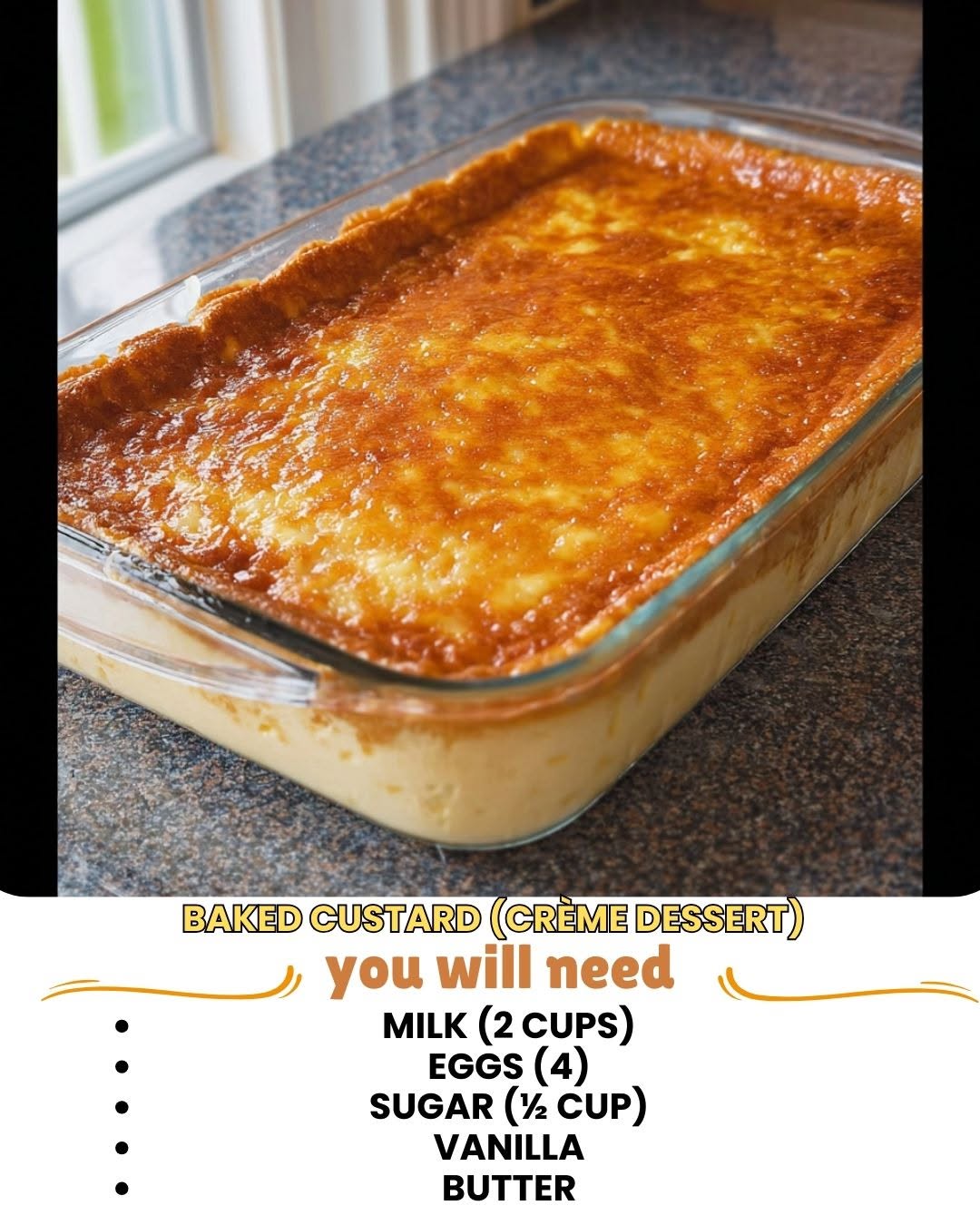
A Cozy Night In: My Love Letter to Classic Baked Custard Dessert
You know that feeling when you’re craving something warm, comforting, and just a little bit fancy—but you don’t want to spend three hours in the kitchen? That’s exactly where I was last Tuesday night. My partner had a rough day at work, and I wanted to make something that felt like a hug in dessert form. I reached into my mental recipe file, and there it was: Classic Baked Custard Dessert.
I grew up watching my grandmother make this. She’d crack eggs into a bowl with this practiced ease that made it look effortless, whisk in cream and sugar, and slide a ramekin into the oven. Twenty minutes later, the kitchen smelled like vanilla and caramelized sweetness. It’s one of those desserts that feels timeless—simple enough for a weeknight, elegant enough to serve to guests, and honestly, so satisfying that you won’t miss anything fussy.
This recipe is for anyone who loves the idea of silky, creamy custard with a delicate texture that jiggles just slightly when you move the ramekin. It’s for people who want to impress without stress. It’s for cozy nights, Sunday dinners, and those moments when you want something that tastes like comfort.
Here’s what makes this work: you’re basically making a custard base with eggs, cream, milk, and sugar, then baking it gently in a water bath. That water bath is the secret—it keeps the heat gentle and even, so you get that silky texture instead of a rubbery, overcooked mess. I’ll walk you through exactly how to nail it, plus all my real-life tips and mistakes I’ve learned so you don’t have to.
Want more cozy dessert inspiration? Follow me on HaileeRecipes on Pinterest for more recipes that feel like home.
Why You’ll Love This Recipe
Let me be real with you: this dessert checks a lot of boxes. First, it’s genuinely easy. You’re not folding meringues or tempering chocolate. You’re whisking, pouring, and baking. That’s it.
Second, it’s elegant without being pretentious. Individual ramekins make it look like you spent way more effort than you did. Your guests will think you’re a dessert wizard.
Third, the texture is unreal. It’s creamy, custard-like, with just enough structure to hold its shape but still jiggly in the center. It’s the kind of dessert that melts on your tongue.
Fourth, it’s flexible. You can serve it warm, room temperature, or chilled. You can dress it up with fruit, caramel, or chocolate. You can keep it simple with just a sprinkle of cinnamon. It works every single way.
And finally, it’s actually not heavy. Even though it sounds decadent, a proper custard is light and airy. You’ll feel satisfied without that overstuffed feeling you get from heavier desserts.
Ingredients for Classic Baked Custard Dessert
- 4 large eggs (room temperature is actually helpful here—they blend more smoothly)
- 1 cup whole milk (don’t use skim; you need the fat for silkiness)
- 1 cup heavy cream (this is where the magic happens)
- 1/3 cup granulated sugar (adjust to your sweetness preference)
- 1 teaspoon vanilla extract (real vanilla makes a difference, but imitation works too)
- 1/4 teaspoon salt (balances the sweetness and enhances flavor)
- 1/4 teaspoon ground nutmeg (optional but traditional; a tiny pinch goes a long way)
- Hot water (for the water bath—about 2 to 3 cups)
Hailee’s Tip: Use whole milk and heavy cream together. I’ve tried cutting corners with half-and-half or evaporated milk, and honestly, the combination of milk and cream just tastes better and has the best texture.
Hailee’s Tip: Room temperature eggs blend into the cream mixture more smoothly. If yours are cold, just run them under warm water for a minute or two before cracking.
Hailee’s Tip: That pinch of nutmeg isn’t just decoration—it’s been part of custard recipes for centuries because it actually complements the vanilla and eggs beautifully. Trust me on this one.
Optional Add-Ins and Variations
This is where you can have fun. The base recipe is perfect as-is, but here are some directions I take it depending on my mood:
- Caramel Custard: Make a simple caramel sauce by melting 1/4 cup sugar in a saucepan, then divide it among your ramekins before pouring in the custard mixture. It creates a caramel layer on the bottom.
- Chocolate Custard: Whisk 2 tablespoons of unsweetened cocoa powder into the cream mixture before baking. Add an extra tablespoon of sugar to balance the cocoa.
- Coffee Custard: Dissolve 1 tablespoon of instant coffee powder in the hot cream before mixing with eggs. Adds a subtle depth.
- Citrus Custard: Add the zest of one lemon or orange to the cream mixture. Reduces the vanilla to 1/2 teaspoon.
- Bourbon or Rum Custard: Add 1 tablespoon of bourbon or dark rum to the mixture. Adds sophistication and depth.
Step-by-Step Method
Step 1: Prep Your Equipment
Preheat your oven to 325°F. You want it lower than you’d normally bake desserts because we’re being gentle with these eggs. Grab four 6-ounce ramekins (or however many servings you’re making). Place them in a baking dish that’s larger than the ramekins themselves. This is going to hold your water bath.
Hailee’s Moment: I once forgot to put the ramekins in a larger baking dish and just tried to pour hot water around them directly on the oven rack. It was a disaster. Don’t be me. Use the dish.
Step 2: Heat Your Cream
Pour the heavy cream and whole milk into a small saucepan. Heat it over medium heat until it’s steaming and little bubbles form around the edges. You’re not boiling it—just warming it up. This helps everything blend smoothly and cook evenly. Remove from heat.
Step 3: Whisk the Eggs and Sugar
In a medium bowl, whisk together your eggs and sugar. Whisk for about a minute until the mixture is pale and slightly frothy. This incorporates a tiny bit of air, which helps the custard have a delicate texture. Add your salt, vanilla, and nutmeg. Whisk again to combine.
Step 4: Temper the Eggs
This is the part that sounds fancy but is actually simple. Slowly pour the warm cream mixture into the egg mixture while whisking constantly. Start with just a splash—whisk it in—then add a bit more. You’re gradually raising the temperature of the eggs so they don’t scramble. Keep whisking until all the cream is incorporated. Strain the mixture through a fine-mesh sieve into a measuring cup or bowl. This removes any bits of cooked egg and gives you a silky custard.
Step 5: Pour Into Ramekins
Divide the custard mixture evenly among your four ramekins. I use a small ladle to make it easier. If you have a steady hand, you can pour directly from the measuring cup.
Step 6: Create the Water Bath
Place the baking dish with the ramekins on your oven rack. Pour hot water into the baking dish until it comes halfway up the sides of the ramekins. This gentle, humid heat is what gives you that perfect creamy texture. If you’re worried about spilling, I fill the water after the dish is already in the oven—it’s safer.
Step 7: Bake
Bake for 20 to 25 minutes. You’re looking for custards that are set around the edges but still have a slight jiggle in the center when you gently shake the ramekin. The very center should wiggle just a bit—think of it like a gentle tremor, not a full wave. This is the sweet spot. If they’re completely firm, they’re overcooked.
Hailee’s Moment: I used to bake these until they looked completely set, and they’d end up rubbery. Now I actually set a timer for 20 minutes and check then. The jiggle is your friend.
Step 8: Cool and Chill
Remove the ramekins from the water bath and let them cool on the counter for about 10 minutes. Then refrigerate for at least 2 hours, though overnight is even better. They firm up as they chill and develop better flavor when they’ve had time to rest.
Common Mistakes to Avoid
Overbaking: This is the biggest one. Overbaked custard becomes rubbery and separates. Remember that jiggle in the center? That’s not a mistake—that’s done.
Skipping the Water Bath: I know it seems like an extra step, but it’s not optional. Direct oven heat will cook the edges too fast and leave the center undercooked. The water bath keeps everything gentle and even.
Using Cold Eggs: Cold eggs don’t blend as smoothly into the cream. They also cook unevenly. Let them sit out for 15 minutes before you start.
Not Straining the Mixture: That sieve step removes tiny bits of cooked egg and any lumps. It makes the difference between a smooth custard and one with a slightly grainy texture.
Forgetting to Temper: If you dump cold eggs into hot cream, they’ll scramble. Tempering is your safety net.
My Tested Substitutions
If You Don’t Have Heavy Cream: Use half-and-half, but know the custard will be slightly less rich. You can also use evaporated milk for a different texture—it’s more stable but less luxurious.
If You Don’t Have Whole Milk: 2% works fine. Skim will make it less creamy, so I’d avoid it if possible.
If You’re Dairy-Free: Use full-fat coconut milk or oat milk. The custard won’t be quite the same, but it’ll still be good. Add a tablespoon of cornstarch to help it set properly.
If You Don’t Have Vanilla Extract: Vanilla bean paste is wonderful if you have it. Or skip it and lean into the nutmeg. You can also use almond extract for a different flavor profile.
If You Only Have Brown Sugar: It works, but the custard will have a molasses undertone. Use it if you like that flavor, but white sugar is more neutral.
How to Customize
The beauty of this dessert is how adaptable it is. Want it less sweet? Reduce the sugar to 1/4 cup. Want it richer? Use all heavy cream instead of the milk. Want it spiced? Add a pinch of cinnamon or cardamom along with the nutmeg.
You can also play with serving temperature. Warm custard feels cozy and soft. Room temperature custard is elegant and classic. Chilled custard is refreshing and light.
Serving Ideas
This is where it gets fun. Here’s how I serve it depending on the occasion:
- Simple and Classic: Just a light dusting of nutmeg and maybe a cookie on the side.
- With Fresh Fruit: Top with berries, sliced peaches, or poached pears.
- With Caramel Drizzle: Warm caramel sauce over the top, maybe with a pinch of sea salt.
- With Shortbread: Serve alongside crispy shortbread cookies for dipping.
- With Chocolate Sauce: A drizzle of warm chocolate sauce and a sprinkle of fleur de sel.
- With Whipped Cream: A dollop of lightly sweetened whipped cream and a cookie.
Meal Prep and Storage
These custards actually get better after a day or two in the fridge. Make them up to three days ahead, and they’ll be perfectly fine. Store them covered in the refrigerator.
You can also prepare the custard mixture up to 8 hours ahead. Keep it covered in the fridge, then pour into ramekins and bake when you’re ready to serve. This is great for entertaining—do the prep work during the day, and bake just before dinner.
These don’t freeze well, so don’t try it. Stick with refrigerator storage.
Nutritional Breakdown
Per serving (makes 4 servings):
- Calories: approximately 320
- Protein: 6g
- Carbohydrates: 20g
- Fat: 25g
- Fiber: 0g
These are estimates based on standard ingredients. If you use substitutions, the numbers will shift. This is a rich dessert, so a little goes a long way.
Final Thoughts
Classic Baked Custard Dessert is one of those recipes that reminds me why I love cooking. It’s simple, it’s elegant, and it brings people joy. There’s something about sitting down with a warm ramekin of silky custard that just makes everything feel a little bit better.
I’ve made this recipe hundreds of times now, and I still get excited every time I pull it out of the oven. It never gets old. Whether you’re making it for a special dinner or just because it’s Tuesday and you deserve something nice, I promise you’re going to love it.
Start with the basic recipe. Get comfortable with it. Then play around with the variations. Make it yours. And please, come back and let me know how it goes. I love hearing about your kitchen adventures.
Happy baking, friends.
Recipe Card
Classic Baked Custard Dessert
Ingredients
Method
- Preheat oven to 325°F. Place four 6-ounce ramekins in a larger baking dish. Heat heavy cream and whole milk in a small saucepan over medium heat until steaming. Remove from heat. In a medium bowl, whisk together eggs and sugar until pale and frothy, about 1 minute. Add salt, vanilla, and nutmeg. Whisk to combine. Slowly pour warm cream mixture into egg mixture while whisking constantly to temper the eggs. Strain through a fine-mesh sieve. Divide custard mixture evenly among four ramekins. Place baking dish on oven rack and pour hot water into the dish until it reaches halfway up the sides of the ramekins. Bake for 20 to 25 minutes until custards are set around the edges but still have a slight jiggle in the center. Remove ramekins from water bath and cool on counter for 10 minutes. Refrigerate for at least 2 hours before serving.