Homemade Lasagna
Homemade Lasagna
Homemade Lasagna
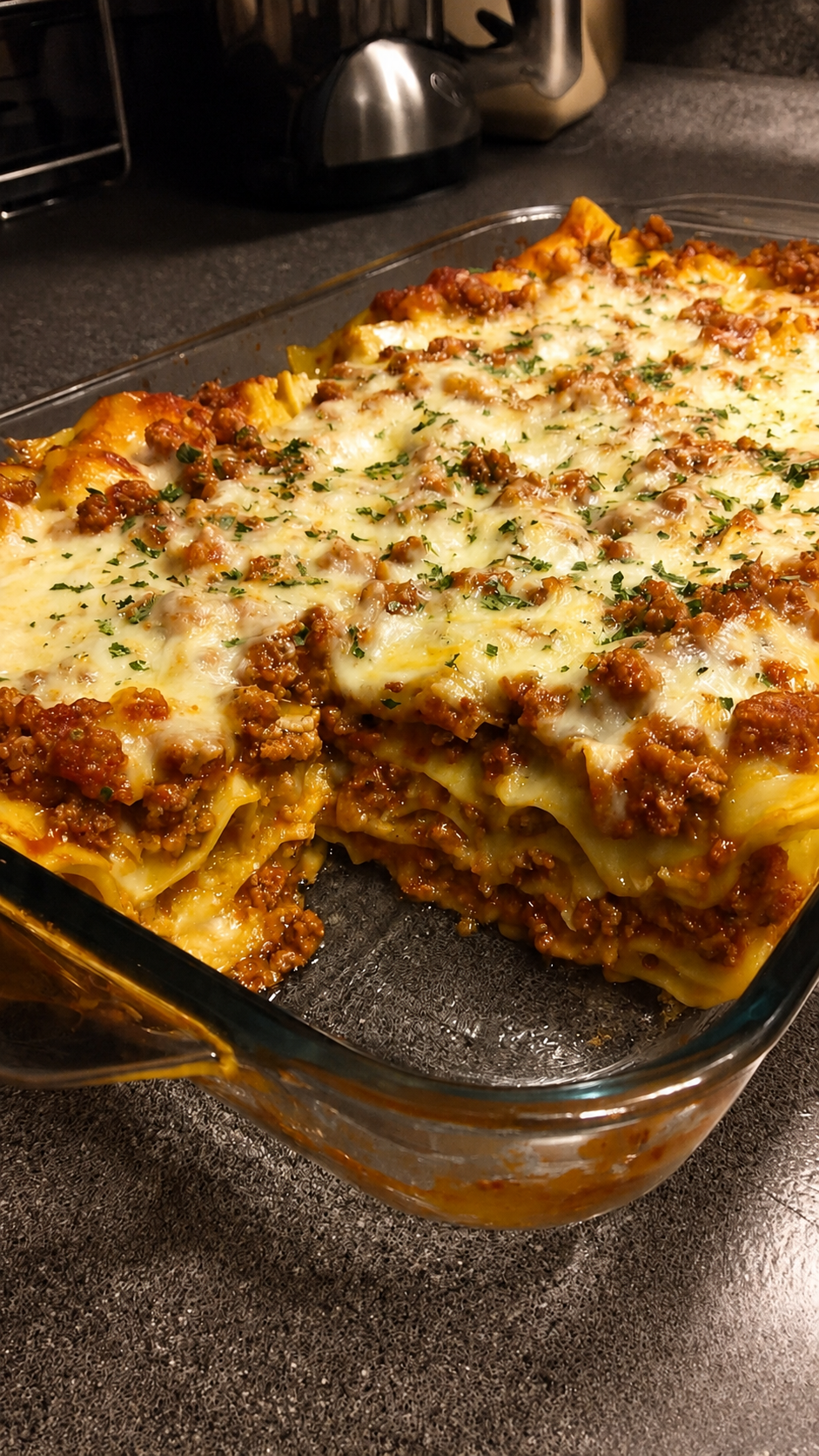
A classic Homemade Lasagna is a layered masterpiece of savory meat sauce, creamy ricotta filling, and tender pasta sheets, all bound together with melted mozzarella and a dusting of Parmesan. This dish delivers a comforting balance of textures: the slight chew of the noodles contrasts beautifully with the rich, velvety cheese layers and the robust, herb-infused tomato base. It is an ideal choice for family dinners on chilly evenings, holiday gatherings where feeding a crowd is necessary, or meal-prep sessions that promise delicious leftovers throughout the week. The aroma of simmering basil and garlic fills the kitchen, creating an inviting atmosphere that signals a hearty, satisfying meal is in progress.
While it requires some time to assemble, the process is straightforward and forgiving. The result is a cohesive slice that holds its shape perfectly on the plate, offering a warm, cheesy pull with every bite. For those who enjoy cooking from scratch, this recipe provides a solid foundation that can be adapted to personal tastes without losing its essential character. You can find more inspiration for your next kitchen project by visiting Follow Hailee Recipes on Pinterest.
Why This Recipe Works
The success of a great lasagna lies in the balance between moisture and structure. Many home cooks struggle with dishes that turn out either too dry or so soggy that they fall apart when sliced. This approach addresses both issues by focusing on three key elements: the consistency of the meat sauce, the texture of the cheese filling, and the preparation of the noodles.
First, the meat sauce is simmered until thickened but not reduced to a paste. This ensures there is enough liquid to cook the pasta during baking while preventing the final dish from becoming watery. Second, the ricotta mixture includes an egg and a touch of parmesan, which acts as a binder to keep the layers distinct rather than turning into a runny pool of cheese. Finally, using no-boil noodles or properly pre-cooked traditional noodles allows for even hydration. The layering technique creates steam pockets that gently soften the pasta sheets, resulting in a tender bite without mushiness.
Ingredients
To make this Homemade Lasagna, you will need high-quality ingredients that form the backbone of the flavor profile. The measurements below are designed for a standard 9×13 inch baking dish, yielding approximately 8 to 10 generous servings.
- For the Meat Sauce:
- 1 tablespoon olive oil
- 1 medium yellow onion, finely diced
- 3 cloves garlic, minced
- 1 pound ground beef (85% lean)
- 1 pound Italian sausage, casings removed
- 1 teaspoon dried oregano
- 1 teaspoon dried basil
- 1/2 teaspoon red pepper flakes (optional, for heat)
- 1 can (28 ounces) crushed tomatoes
- 1 can (6 ounces) tomato paste
- 1 cup water
- 1 teaspoon salt
- 1/2 teaspoon black pepper
- 1 tablespoon sugar (to balance acidity)
- For the Cheese Filling:
- 15 ounces whole-milk ricotta cheese
- 1 large egg
- 1/4 cup fresh parsley, chopped
- 1/2 teaspoon salt
- 1/4 teaspoon black pepper
- For Assembly and Topping:
- 12 to 14 no-boil lasagna noodles (or regular lasagna noodles, boiled al dente)
- 16 ounces low-moisture mozzarella cheese, shredded
- 1 cup grated Parmesan cheese
- Additional fresh parsley for garnish
How To Make Homemade Lasagna
- Simmer the Meat Sauce
Heat the olive oil in a large Dutch oven or heavy-bottomed pot over medium heat. Add the diced onion and sauté for about 5 minutes until soft and translucent. Stir in the minced garlic and cook for another minute until fragrant, being careful not to burn it. Increase the heat to medium-high and add the ground beef and Italian sausage. Break up the meat with a wooden spoon as it browns, cooking until no pink remains. Drain any excess fat if necessary, though leaving a little adds flavor. Stir in the oregano, basil, red pepper flakes, salt, and pepper. Add the crushed tomatoes, tomato paste, water, and sugar. Bring the mixture to a boil, then reduce the heat to low. Cover partially and let it simmer for at least 20 minutes, stirring occasionally, until the sauce has thickened slightly. Taste and adjust seasoning if needed. - Prepare the Cheese Mixture
While the sauce simmers, combine the ricotta cheese, egg, chopped parsley, salt, and pepper in a medium mixing bowl. Whisk these ingredients together until smooth and well combined. The egg helps bind the cheese so it doesn’t slide off the noodles during slicing. Set this aside at room temperature. - Preheat the Oven and Prep the Pan
Position a rack in the center of the oven and preheat to 375°F (190°C). Lightly grease a 9×13 inch baking dish with cooking spray or a thin layer of olive oil to prevent sticking. If you are using regular lasagna noodles instead of no-boil varieties, boil them in salted water according to package directions until they are al dente (usually 1-2 minutes less than the package suggests), then drain and lay them flat on a clean kitchen towel to prevent sticking. - Layer the Lasagna
Spread a thin layer of meat sauce (about 1 cup) on the bottom of the prepared baking dish. This prevents the noodles from sticking to the pan. Place a single layer of lasagna noodles over the sauce, overlapping them slightly if necessary to cover the surface completely. Spread half of the ricotta mixture evenly over the noodles, followed by a generous layer of shredded mozzarella and a sprinkle of Parmesan. Spoon about one-third of the remaining meat sauce over the cheese. Repeat the layers: noodles, remaining ricotta, more mozzarella and Parmesan, and another third of the sauce. Finish with a final layer of noodles, the rest of the meat sauce, the remaining mozzarella, and the rest of the Parmesan cheese. - Bake and Rest
Cover the baking dish tightly with aluminum foil, ensuring the foil does not touch the cheese topping. Bake for 25 minutes. Remove the foil carefully and continue baking for another 25 minutes, or until the cheese is bubbly and golden brown in spots. If the top browns too quickly before the cheese melts, tent loosely with foil again. Once baked, remove the lasagna from the oven and let it rest on a wire rack for at least 15 to 20 minutes before cutting. This resting period is crucial as it allows the layers to set, making it much easier to serve neat slices.
Doneness And Troubleshooting
Determining when your lasagna is fully cooked involves observing visual cues and understanding the behavior of the ingredients. The cheese on top should be deeply melted with some browned bubbles around the edges. If you are using no-boil noodles, ensure the sauce was sufficiently liquidy before assembly; the noodles absorb moisture during baking. If the noodles feel hard after baking, the sauce may have been too thick, or the baking time was insufficient. In this case, cover the dish with foil and return it to the oven for 10 more minutes.
If the top burns before the inside is hot, simply lower the oven temperature to 350°F (175°C) and cover with foil immediately. Conversely, if the lasagna looks undercooked in the center but the top is done, you can insert a knife into the center; if it slides in easily with no resistance, the pasta is likely tender. Always allow the resting time mentioned above. Cutting into a hot lasagna often results in a messy slide because the cheese and sauce are still fluid. Waiting 15 minutes lets the proteins in the cheese and egg firm up, holding the structure together.
Substitutions And Variations
This recipe is versatile and can be adjusted based on dietary preferences or ingredient availability. For a lighter version, substitute the ground beef and Italian sausage with ground turkey or chicken. Note that poultry is leaner, so you may want to add a splash of extra olive oil or a pinch more salt to maintain richness. Vegetarians can replace the meat entirely with a combination of lentils, mushrooms, or zucchini. If using vegetables, sauté them first to release moisture, then mix them into the tomato sauce.
For a gluten-free option, use certified gluten-free lasagna noodles. These often require specific boiling instructions or soaking times, so check the package directions carefully. Some brands work best with no-boil methods, while others need pre-cooking. Dairy-free alternatives are also possible; use a plant-based ricotta and dairy-free mozzarella shreds. Keep in mind that dairy-free cheeses may not melt or brown in the same way as cow’s milk cheese, potentially altering the texture slightly.
If you prefer a white lasagna, omit the tomato sauce and create a béchamel sauce using butter, flour, and milk, seasoned with nutmeg and garlic. Layer this with the ricotta and meats or vegetables. While delicious, this variation changes the cooking dynamics, so ensure the béchamel is thick enough to support the weight of the noodles.
Serving Suggestions
Homemade Lasagna pairs wonderfully with simple sides that complement its rich flavors without overwhelming the palate. A crisp green salad dressed with a light vinaigrette provides a refreshing contrast to the heavy, cheesy layers. Garlic bread or focaccia is excellent for scooping up any extra sauce left on the plate. For a complete meal, serve with roasted broccoli or sautéed spinach seasoned with lemon juice and garlic.
When serving, use a sharp chef’s knife or a dedicated pizza cutter to slice through the layers cleanly. Wiping the blade between cuts can help maintain neat edges. Garnish each plate with a small sprig of fresh parsley to add a pop of color and a hint of freshness. Red wine, particularly a Chianti or a medium-bodied Cabernet Sauvignon, complements the acidity of the tomatoes and the savoriness of the meat.
Storage And Reheating
Leftover lasagna stores very well, making it an ideal candidate for meal prep. Allow the lasagna to cool completely to room temperature before transferring it to storage containers. You can store individual slices in airtight containers in the refrigerator for up to 4 days. For longer storage, wrap the entire dish or individual portions tightly in plastic wrap and then aluminum foil, placing them in the freezer for up to 3 months.
To reheat refrigerated slices, place them on a microwave-safe plate and cover with a damp paper towel to prevent drying out. Heat on medium power for 2-3 minutes until warmed through. For a crisper texture, reheat in a toaster oven or conventional oven at 350°F (175°C) for about 15-20 minutes. If reheating from frozen, thaw the lasagna overnight in the refrigerator first, then bake covered at 350°F for 30 minutes, removing the foil for the last 10 minutes to crisp the top. Always ensure the internal temperature reaches 165°F (74°C) for food safety.
Remember that the flavors of lasagna often deepen after sitting in the refrigerator for a day, making leftovers just as enjoyable as the freshly baked version. By following these steps and tips, you can consistently produce a delicious Homemade Lasagna that brings warmth and satisfaction to your table.
Homemade Lasagna
Ingredients
Method
- Sauté onion and garlic in olive oil, then brown ground beef and sausage. Stir in spices, tomatoes, paste, water, and sugar. Simmer for 20 minutes.
- Mix ricotta, egg, parsley, salt, and pepper in a bowl.
- Preheat oven to 375°F (190°C). Grease a 9x13 inch baking dish.
- Layer sauce, noodles, ricotta mixture, mozzarella, and Parmesan in the dish. Repeat layers twice, finishing with cheese on top.
- Cover with foil and bake for 25 minutes. Remove foil and bake 25 minutes more until bubbly. Rest for 15 minutes before serving.