Baked Pasta Casserole
Baked Pasta Casserole
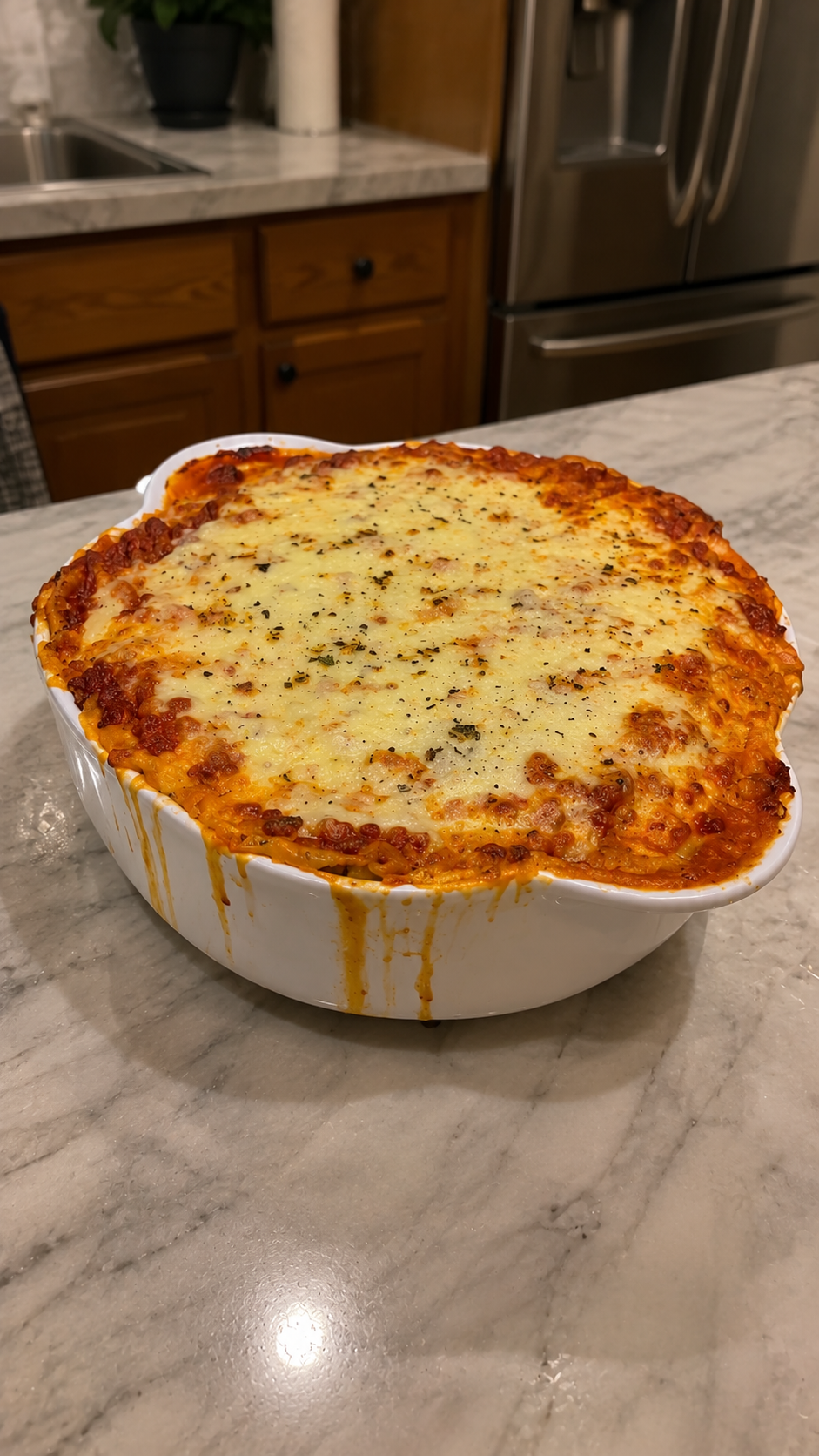
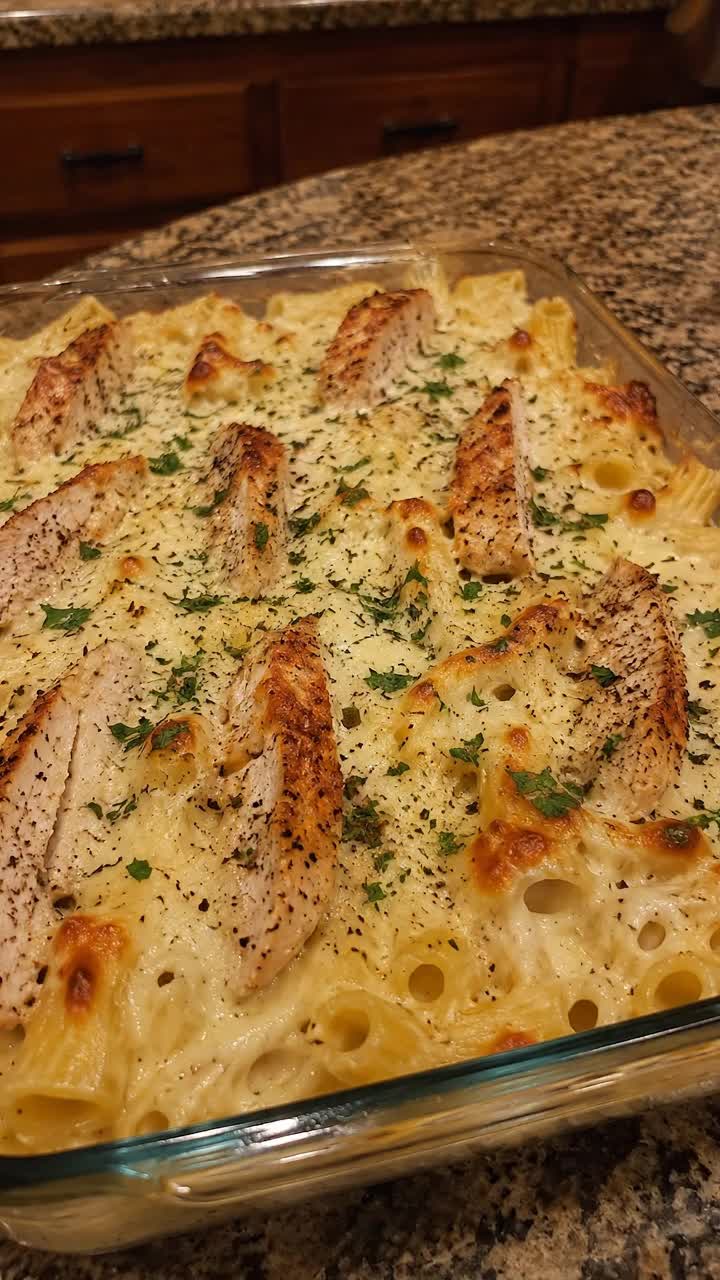
A Baked Pasta Casserole is the definition of comfort food, offering a harmonious blend of tender pasta, rich tomato sauce, and melted cheese that holds everything together. This dish is designed to be hearty and satisfying, making it an ideal choice for busy weeknight dinners when you need something substantial yet simple to prepare. The texture is key: the pasta should be cooked just enough to remain slightly firm before baking, ensuring it doesn’t turn mushy in the oven. The sauce coats every noodle, creating a savory depth, while the top layer browns into a golden, bubbly crust that provides a delightful contrast to the soft interior. Whether you are feeding a family of four or preparing a meal for a small gathering, this casserole delivers consistent results without requiring advanced culinary skills. It is a versatile base that can be customized with various proteins or vegetables, but its core identity remains rooted in classic flavors that appeal to everyone at the table.
For more inspiration on comforting dishes and family-friendly meals, Follow Hailee Recipes on Pinterest.
Why This Recipe Works
The success of a baked pasta casserole relies on balancing moisture levels and cooking times. Many home cooks struggle with casseroles that end up either too dry or soupy. This method addresses that by using a specific ratio of sauce to pasta. By undercooking the pasta slightly during the boiling stage, we ensure it absorbs the sauce perfectly during the baking process without disintegrating. The sauce used here is thickened naturally by reducing it slightly before mixing, which prevents the dish from becoming watery as it bakes.
Another critical factor is the cheese selection. Using a combination of cheeses provides both flavor and structural integrity. A hard, aged cheese like Parmesan adds a salty, umami punch, while a meltable cheese like mozzarella creates the signature gooey texture. The topping is applied generously to create a protective layer that locks in moisture while developing a crispy exterior. This technique ensures that the first bite has a satisfying crunch, followed by the warm, creamy interior. The result is a dish that feels homemade and nourishing, relying on fundamental techniques rather than complex ingredients.
Ingredients
To make this Baked Pasta Casserole, you will need standard pantry staples and fresh produce. The quantities below are calibrated for a standard 9×13 inch baking dish, yielding approximately six generous servings. Ensure all measurements are level for the most accurate results.
- Pasta: 12 ounces (about 340g) of penne, rigatoni, or ziti. These short, tubular shapes hold sauce well and provide a sturdy structure for baking.
- Tomato Sauce: 2 cups (480ml) of high-quality marinara sauce or crushed tomatoes. Choose a brand with minimal added sugar if possible.
- Cheese (Mozzarella): 2 cups (225g) of shredded low-moisture mozzarella cheese. Pre-shredded cheese works, but block cheese shredded fresh melts more smoothly.
- Cheese (Parmesan): ½ cup (50g) of freshly grated Parmesan cheese. Freshly grated offers better flavor and melting properties than pre-grated versions.
- Onion: ½ medium yellow onion, finely diced. This adds a sweet, aromatic base to the sauce.
- Garlic: 2 cloves, minced. Garlic provides the essential savory backbone for the dish.
- Olive Oil: 2 tablespoons. Used for sautéing the aromatics.
- Dried Oregano: 1 teaspoon. This herb complements the tomato flavor perfectly.
- Salt and Black Pepper: To taste. Essential for seasoning the pasta water and the final dish.
- Optional Garnish: Fresh basil leaves or parsley for color and freshness.
How To Make Baked Pasta Casserole
- Prepare the Pasta and Oven: Preheat your oven to 375°F (190°C). Bring a large pot of salted water to a boil. Add the pasta and cook according to the package directions, but reduce the cooking time by two minutes. You want the pasta to be “al dente” or slightly undercooked, as it will continue to cook in the oven. Drain the pasta and set it aside in a large bowl. While the water boils, place a large baking dish (9×13 inches) nearby.
- Sauté the Aromatics: While the pasta is cooking, heat the olive oil in a large skillet over medium heat. Add the diced onion and a pinch of salt. Sauté for about 4-5 minutes until the onion becomes translucent and soft. Add the minced garlic and dried oregano, stirring constantly for another minute until fragrant. Be careful not to burn the garlic, as it can become bitter.
- Combine Sauce and Pasta: Pour the tomato sauce into the skillet with the onions and garlic. Stir well to combine and let it simmer gently for 2-3 minutes to allow the flavors to meld. Remove the skillet from the heat. Add the drained pasta to the sauce mixture. Toss thoroughly until every piece of pasta is evenly coated. If the mixture looks too thick, add a splash of pasta water; if it is too thin, let it sit for a minute to thicken slightly.
- Assemble the Casserole: Transfer the pasta and sauce mixture into the prepared baking dish. Spread it out evenly with a spatula. Sprinkle the shredded mozzarella cheese evenly over the top layer. Finally, distribute the grated Parmesan cheese over the mozzarella. The cheese layer should be continuous to ensure even browning.
- Bake Until Golden: Place the baking dish in the center rack of the preheated oven. Bake for 20 to 25 minutes. Watch closely toward the end of the cooking time. The casserole is done when the cheese is fully melted, bubbling around the edges, and the top has developed golden-brown spots. If you prefer a darker crust, you can switch the oven to broil for the last 1-2 minutes, but keep a close eye on it to prevent burning.
Doneness And Troubleshooting
Knowing when the casserole is ready is crucial for the best texture. The primary visual cue is the cheese. It should be completely melted and bubbling vigorously around the sides of the dish. If the cheese is still white and unmelted in the center, it needs more time. Conversely, if the top is dark brown but the center is cold, the oven temperature might be too high, or the dish was placed too close to the heating element.
If the pasta appears dry after baking, it likely absorbed too much liquid during the initial boiling or the sauce was too thick. In future attempts, ensure you reserve some pasta water to adjust the consistency before transferring to the baking dish. If the bottom of the casserole seems soggy, it may indicate that the sauce was too watery. Simmering the sauce longer before adding the pasta can help thicken it. Another common issue is a lack of browning; this can be fixed by ensuring the top layer of cheese is not too thick, allowing heat to penetrate, or by using the broiler setting briefly at the end.
Substitutions And Variations
This recipe is flexible and can be adapted to suit dietary preferences or what you have on hand. For a lighter version, you can substitute half of the mozzarella with a part-skim variety or use a lower-fat cheese blend. If you are looking to increase the vegetable content, consider stirring in a cup of sautéed spinach, roasted bell peppers, or mushrooms into the sauce before combining with the pasta. These additions add nutrients and texture without altering the fundamental cooking method.
For those who enjoy protein, adding cooked ground beef, Italian sausage, or shredded chicken to the sauce mixture works beautifully. Simply brown the meat with the onions before adding the sauce. If you prefer a creamier texture, you can stir in a quarter cup of ricotta cheese or a splash of heavy cream into the sauce. However, note that adding dairy products like cream or ricotta will change the cooking time slightly, potentially requiring a few extra minutes in the oven to ensure the center is heated through.
Gluten-free options are also easily accessible. Use gluten-free pasta made from rice, corn, or quinoa blends. Be sure to follow the package instructions carefully, as gluten-free pasta often requires less cooking time and can become mushy if overcooked. Always taste a piece before draining to ensure it is still firm.
Serving Suggestions
A Baked Pasta Casserole is a complete meal on its own, but it pairs wonderfully with simple sides. A crisp green salad with a light vinaigrette cuts through the richness of the cheese and sauce, providing a refreshing contrast. Garlic bread or a crusty baguette is excellent for soaking up any remaining sauce on the plate. For a more robust dinner, serve the casserole alongside steamed broccoli or roasted Brussels sprouts. Fresh herbs like basil or parsley sprinkled on top just before serving add a pop of color and a bright, herbal aroma that elevates the entire dish.
Storage And Reheating
Leftovers can be stored safely in the refrigerator. Allow the casserole to cool to room temperature before transferring it to an airtight container or covering the baking dish tightly with plastic wrap or aluminum foil. It will keep well in the refrigerator for up to 4 days. When reheating, you can use the microwave for individual portions, heating them in 30-second intervals until warm. For larger portions, reheat in the oven at 350°F (175°C) covered with foil for about 15-20 minutes. Removing the foil for the last 5 minutes helps restore the crispiness of the cheese topping.
You can also freeze the casserole for longer storage. Assemble the dish up to the point of baking, cover it tightly with freezer-safe wrap, and freeze for up to 3 months. When ready to eat, thaw it overnight in the refrigerator before baking. If baking from frozen, add an additional 15-20 minutes to the cooking time and ensure the internal temperature reaches a safe level. Always check that the center is hot and bubbling before serving.
This Baked Pasta Casserole is a reliable staple for any kitchen. Its simplicity allows it to be a quick solution for dinner while still delivering the warmth and satisfaction of a slow-cooked meal. With the right balance of ingredients and attention to detail, you can create a delicious dish that brings people together around the table.
Baked Pasta Casserole
Ingredients
Method
- Preheat oven to 375°F (190°C). Boil pasta in salted water for 2 minutes less than package directions. Drain.
- Heat olive oil in a skillet. Sauté diced onion until soft, then add garlic and oregano.
- Add tomato sauce to the skillet, simmer for 2 minutes, then toss with the drained pasta.
- Transfer mixture to a 9x13 inch baking dish. Top with mozzarella and Parmesan cheese.
- Bake for 20-25 minutes until cheese is bubbly and golden brown. Let rest 5 minutes before serving.