Baked Lasagna with Melted Cheese and Parsley
Baked Lasagna with Melted Cheese and Parsley
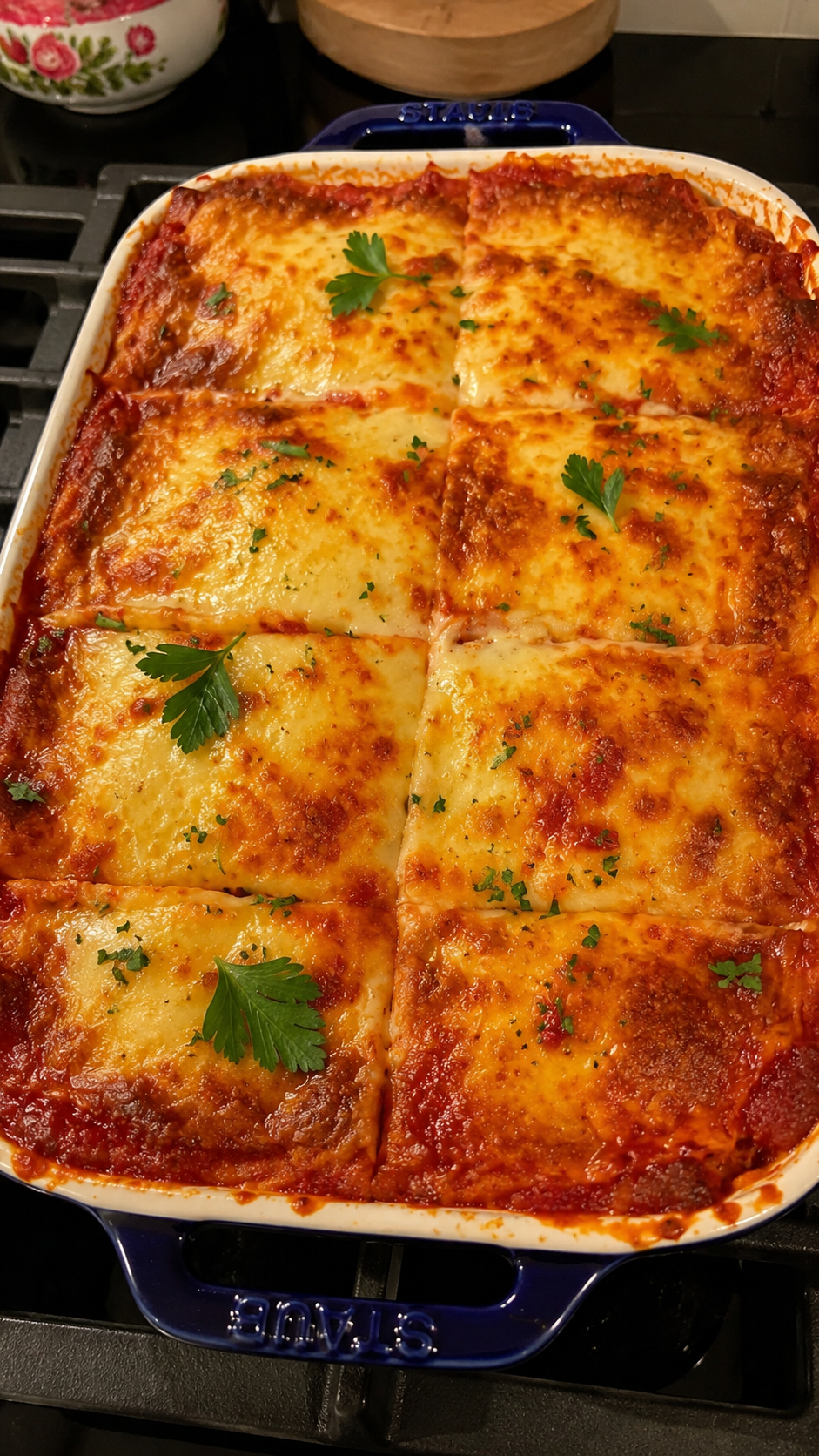
Baked Lasagna with Melted Cheese and Parsley is a classic comfort dish that balances rich, savory layers with bright, fresh finishes. This version features tender pasta sheets nestled between a robust tomato sauce and generous amounts of melted cheese, creating a hearty texture that holds together beautifully when sliced. The final touch of chopped parsley adds a necessary pop of color and a grassy freshness that cuts through the richness of the dairy and meat. It is an ideal meal for family dinners, potlucks, or any occasion where you need a substantial dish that can be prepared ahead of time. The recipe relies on standard pantry staples and common grocery items, making it accessible for home cooks of all skill levels while delivering restaurant-quality results.
For more delicious recipes and cooking inspiration, Follow Hailee Recipes on Pinterest.
Why This Recipe Works
The success of this lasagna lies in the balance between moisture control and layering technique. Using no-boil lasagna noodles simplifies the process significantly, allowing the pasta to absorb liquid directly from the sauce during baking without becoming mushy or falling apart. The key to achieving distinct, melty cheese layers rather than a greasy pool of fat is the method of mixing ricotta with egg and herbs before spreading it. This creates a stable curd that sets nicely in the oven, providing structure to each slice.
The inclusion of fresh parsley at the end is not merely decorative; it serves a culinary purpose by introducing a volatile aromatic oil that lifts the heavy flavors of the slow-simmered tomato sauce. By assembling the dish in a specific order—starting with a thin layer of sauce to prevent sticking, followed by alternating pasta, meat sauce, and cheese mixtures—the heat distributes evenly throughout the casserole. This ensures that the center reaches the proper temperature for melting the cheese without overcooking the edges. The result is a cohesive dish where every bite contains a harmonious blend of textures: soft pasta, creamy cheese, and chunky sauce.
Ingredients
This recipe requires standard ingredients found in most kitchens. The quantities are calibrated for a standard 9×13 inch baking dish, which yields approximately eight to ten servings depending on slice size.
- Lasagna Noodles: 12 sheets (no-boil variety recommended for ease)
- Ground Beef: 1 pound (80/20 lean-to-fat ratio works best for flavor)
- Onion: 1 medium yellow onion, finely diced
- Garlic: 3 cloves, minced
- Canned Crushed Tomatoes: 28 ounces (one large can)
- Tomato Paste: 6 ounces (half a standard can)
- Dried Oregano: 1 teaspoon
- Dried Basil: 1 teaspoon
- Salt: 1 teaspoon, plus extra to taste
- Black Pepper: ½ teaspoon
- Ricotta Cheese: 15 ounces (full-fat preferred)
- Egg: 1 large egg, beaten
- Mozzarella Cheese: 4 cups shredded (low-moisture block style melts best)
- Parmesan Cheese: 1 cup freshly grated
- Fresh Parsley: ¼ cup, finely chopped (for garnish and mixing into cheese)
- Olive Oil: 2 tablespoons
- Water: 1 cup (to adjust sauce consistency if needed)
How To Make Baked Lasagna with Melted Cheese and Parsley
- Prepare the Meat Sauce: Preheat your oven to 375°F (190°C). In a large skillet over medium-high heat, add the olive oil. Once shimmering, add the ground beef and break it up with a wooden spoon. Cook until browned and no pink remains, about 5 to 7 minutes. Drain excess fat if desired, though leaving a small amount adds flavor. Add the diced onion to the skillet and sauté until softened and translucent, roughly 4 minutes. Stir in the minced garlic and cook for another minute until fragrant. Reduce heat to low and stir in the crushed tomatoes, tomato paste, oregano, basil, salt, and pepper. Simmer the sauce gently for 10 minutes, stirring occasionally, to allow the flavors to meld. If the sauce looks too thick, add a splash of water to reach a pourable consistency.
- Make the Cheese Filling: While the sauce simmers, combine the ricotta cheese, beaten egg, half of the chopped fresh parsley, and a pinch of salt in a medium bowl. Mix thoroughly until the egg is fully incorporated and the mixture is smooth. This step is crucial as the egg acts as a binder, preventing the ricotta layer from sliding out of the lasagna when sliced.
- Assemble the First Layer: Spread a thin layer of the meat sauce (about ½ cup) onto the bottom of a 9×13 inch baking dish. This prevents the noodles from sticking to the pan and burning during the bake. Place three lasagna noodles side-by-side over the sauce, ensuring they do not overlap significantly but cover the entire width of the dish.
- Build the Layers: Spread one-third of the remaining meat sauce over the noodles. Top this with one-third of the ricotta mixture, spreading it carefully to the edges. Sprinkle one-third of the mozzarella and one-third of the parmesan cheese over the ricotta. Repeat this process two more times: noodles, sauce, ricotta mixture, and cheeses. For the final layer, place the remaining noodles on top, cover them with the rest of the meat sauce, and sprinkle the remaining mozzarella and parmesan generously. Ensure the top layer is well-covered with sauce and cheese to prevent the pasta from drying out.
- Bake and Rest: Cover the baking dish tightly with aluminum foil. Bake for 25 minutes. Remove the foil and continue baking for an additional 15 to 20 minutes, or until the cheese is bubbly and golden brown in spots. The internal temperature should reach at least 165°F (74°C). Remove the dish from the oven and let it rest uncovered for 15 minutes before serving. This resting period allows the layers to set, making it much easier to cut clean squares without the filling spilling out.
Doneness And Troubleshooting
Knowing when the lasagna is perfectly done involves observing both visual cues and timing. The cheese on top should be fully melted with some darker, caramelized bubbles forming around the edges. If the cheese browns too quickly before the center is hot, loosely tent the dish with foil again for the remainder of the baking time. Conversely, if the top is pale after the full baking time, switch the oven to broil for 2-3 minutes, watching closely to avoid burning.
If the lasagna seems dry after cutting, it may have been under-hydrated during assembly. This can happen if the sauce was too thick or if the noodles absorbed too much liquid. In future attempts, ensure there is enough sauce to coat the noodles completely. If the lasagna falls apart when sliced, it likely needs more resting time. The proteins in the cheese and egg need time to cool and firm up. A minimum of 15 minutes is essential for structural integrity. Additionally, using no-boil noodles requires sufficient liquid; if the sauce was reduced too much before assembly, the noodles might remain hard. Adding a bit of water to the sauce before layering can help hydrate the pasta properly.
Substitutions And Variations
This recipe is versatile and can be adapted to suit dietary preferences or ingredient availability. For a lighter version, substitute ground beef with ground turkey or chicken. Note that poultry has less fat, so you may want to increase the olive oil slightly or add a pinch of red pepper flakes for depth. Vegetarians can replace the meat entirely with sautéed mushrooms, spinach, or zucchini slices. When adding vegetables, ensure they are cooked down first to remove excess moisture, which could otherwise make the lasagna watery.
If you prefer whole wheat or gluten-free pasta, check the package instructions. Gluten-free noodles often require longer soaking times or different liquid ratios, so monitor the sauce consistency closely. For those who dislike ricotta, a mixture of cottage cheese blended until smooth can serve as a direct substitute, offering a similar texture with a slightly tangier profile. You can also swap the dried herbs for fresh ones; use about three times the amount of fresh herbs compared to dried (e.g., 3 teaspoons of fresh oregano instead of 1 teaspoon dried), adding them during the simmering stage of the sauce.
Serving Suggestions
Baked Lasagna with Melted Cheese and Parsley pairs exceptionally well with simple sides that complement its richness. A crisp green salad with a vinaigrette dressing helps cut through the creaminess of the cheese. Garlic bread or focaccia is a classic choice for dipping into the leftover sauce. For a complete meal, serve with roasted vegetables like broccoli, asparagus, or Brussels sprouts seasoned with lemon and olive oil. A glass of red wine, such as Chianti or Cabernet Sauvignon, complements the acidity of the tomato sauce and the savory notes of the beef.
Storage And Reheating
Leftover lasagna can be stored in an airtight container in the refrigerator for up to four days. To maintain quality, allow the dish to cool completely before covering it to prevent condensation from making the noodles soggy. For longer storage, individual portions can be frozen for up to three months. Wrap the cooled lasagna tightly in plastic wrap and then in aluminum foil, or place slices in freezer-safe containers. Thaw overnight in the refrigerator before reheating.
To reheat, preheat the oven to 350°F (175°C). Place the portion in an oven-safe dish, cover with foil to retain moisture, and bake for 20 to 30 minutes until heated through. If using a microwave, cover the plate with a microwave-safe lid and heat in 1-minute intervals, stirring or rotating if possible, until hot. Avoid overheating, as this can cause the cheese to separate and become oily.
This recipe delivers a satisfying, home-style meal that brings people together. With careful attention to layering and resting times, even novice cooks can achieve impressive results. The combination of savory meat, rich cheese, and fresh herbs creates a timeless dish that is sure to become a regular favorite in your kitchen rotation.
Baked Lasagna with Melted Cheese and Parsley
Ingredients
Method
- Brown ground beef with onion and garlic; simmer with tomatoes, paste, and spices for 10 minutes.
- Mix ricotta, egg, and half the parsley in a bowl.
- Spread a thin layer of sauce in a 9x13 dish, add noodles, sauce, ricotta mix, and cheeses.
- Repeat layers twice, finishing with noodles, sauce, and remaining cheeses.
- Cover and bake at 375°F for 25 minutes; uncover and bake 15-20 minutes more; rest 15 minutes before serving.