Cheesy meatballs
Cheesy meatballs
Cheesy meatballs
Follow Hailee Recipes on Pinterest
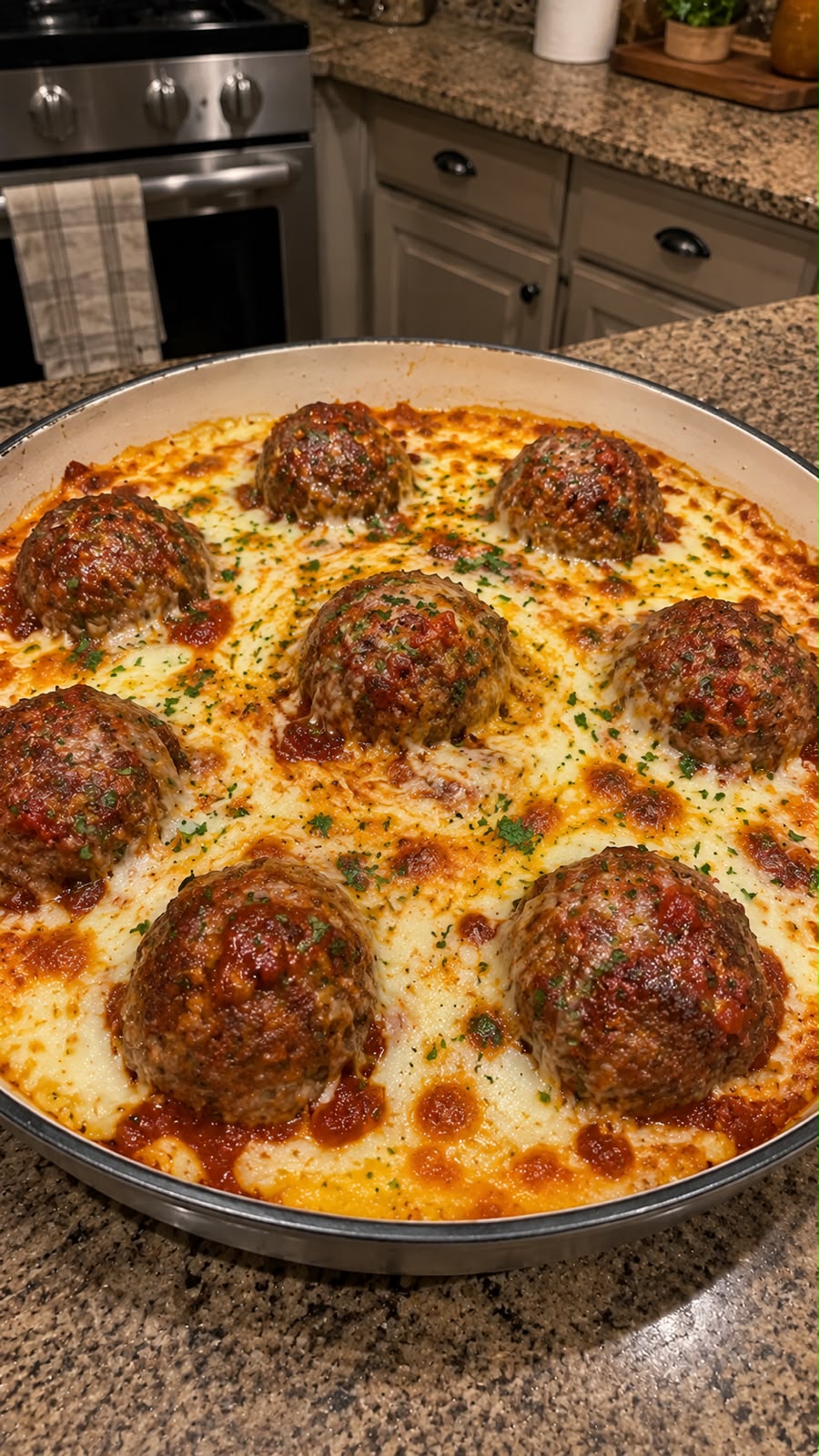
Cheesy meatballs offer a comforting balance of savory ground beef and rich, melted cheese encased in a tender breadcrumb binder. These bites are designed to be juicy inside with a slightly firm exterior that holds together well when tossed in sauce or served as an appetizer. The flavor profile is robust yet approachable, relying on the natural savoriness of the meat enhanced by aromatic onions, garlic, and a blend of sharp cheddar and parmesan cheeses. This dish is particularly useful for busy weeknight dinners where you need a protein that can be prepared quickly and served over pasta, rice, or crusty bread. It also works exceptionally well as a party finger food, easily skewered and kept warm in a slow cooker.
The texture is the defining feature here; unlike dense, dry meatloaf-style balls, these are crafted to remain moist through the addition of milk-soaked breadcrumbs and careful handling. They are versatile enough to stand alone with a dipping sauce or to become the star of a creamy tomato soup. Whether you are feeding a family of four or hosting a small gathering, this recipe provides a reliable foundation that yields consistent results without requiring advanced culinary skills.
Why This Recipe Works
The success of these meatballs relies on three specific culinary techniques that prevent them from becoming tough or falling apart during cooking. First, the use of panade—a mixture of breadcrumbs soaked in milk—creates a barrier between the muscle fibers of the meat. This prevents the proteins from tightening too much under heat, ensuring the interior stays tender rather than rubbery. Second, the inclusion of finely grated hard cheese like Parmesan adds salt and umami directly into the meat mixture, reducing the need for excessive added salt which can draw out moisture prematurely. Finally, browning the meatballs before simmering them in sauce creates a Maillard reaction on the surface. This step locks in juices and adds a deep, roasted flavor that boiling or steaming alone cannot achieve.
Another critical factor is the ratio of fat to lean meat. Using ground beef with 85% lean content provides enough intramuscular fat to keep the balls moist without rendering so much grease that they lose their shape. The cheese choice is also deliberate; using a mix of sharp cheddar for meltability and Parmesan for flavor depth ensures that every bite offers a distinct textural contrast between the soft meat and the gooey cheese pockets.
Ingredients
To make this batch of Cheesy meatballs, you will need the following items. Ensure all ingredients are at room temperature before mixing to promote even blending.
- Ground Beef: 1 pound (450g), preferably 85% lean.
- Breadcrumbs: 3/4 cup plain dried breadcrumbs.
- Milk: 1/2 cup whole milk, for soaking the breadcrumbs.
- Onion: 1/2 cup finely minced yellow onion.
- Garlic: 2 cloves, minced very fine.
- Egg: 1 large egg, beaten.
- Sharp Cheddar Cheese: 1 cup shredded (about 4 ounces).
- Parmesan Cheese: 1/2 cup freshly grated.
- Dried Parsley: 1 tablespoon.
- Salt: 1 teaspoon, plus more to taste.
- Black Pepper: 1/2 teaspoon freshly ground.
- Olive Oil: 2 tablespoons, for searing.
How To Make Cheesy meatballs
- Prepare the Panade: In a medium bowl, combine the breadcrumbs and milk. Stir gently and let the mixture sit for about 5 minutes. You want the breadcrumbs to absorb the liquid fully until they form a thick, mushy paste. This step is crucial for the final texture of the meatballs.
- Sauté Aromatics: While the panade rests, heat a small skillet over medium heat with a tiny splash of oil. Add the minced onion and cook for 3 to 4 minutes until softened and translucent. Do not brown them deeply, as you only want sweetness, not char. Remove from heat and stir in the minced garlic, letting it cool for a minute before adding it to the main bowl.
- Combine the Mixture: In a large mixing bowl, place the ground beef, the cooled onion-garlic mixture, the soaked breadcrumbs, the beaten egg, both types of cheese, parsley, salt, and pepper. Use your hands to mix everything together. Stop mixing as soon as the ingredients are just combined. Overworking the meat will result in a dense, tough texture.
- Form the Balls: Lightly dampen your hands with water to prevent sticking. Scoop up about 1.5 tablespoons of the meat mixture and roll it between your palms to form a smooth ball. Place the formed meatballs on a baking sheet lined with parchment paper. Repeat until all the mixture is used. You should have approximately 20 to 24 meatballs depending on their size.
- Initial Searing: Heat the olive oil in a large skillet or Dutch oven over medium-high heat. Once the oil shimmers, carefully add the meatballs in batches, ensuring they are not crowded. Cook for 2 to 3 minutes per side, turning occasionally, until they are deeply browned on all sides. They do not need to be cooked through at this stage. Transfer the seared meatballs to a plate and set aside.
- Finish Cooking: If making a sauce, pour your desired amount of marinara or tomato sauce into the same skillet used for searing. Bring the sauce to a gentle simmer. Return the browned meatballs to the skillet, nestling them into the sauce. Cover the pot, reduce the heat to low, and let them simmer for 15 to 20 minutes. This allows the meatballs to finish cooking gently while absorbing the flavors of the sauce.
Doneness And Troubleshooting
Ensuring your Cheesy meatballs are safe to eat and perfectly textured requires observing specific visual and tactile cues. The most reliable method to confirm doneness is using an instant-read thermometer inserted into the center of a meatball. The internal temperature should reach 160°F (71°C). At this temperature, the beef is fully cooked, and the cheese inside will be melted but not separated into oil.
If the meatballs are browning too quickly on the outside before the inside reaches the safe temperature, lower the heat immediately and cover the pot tightly. The trapped steam will help cook the center without burning the exterior. Conversely, if the meatballs feel dry or crumbly after cooking, it may indicate that the meat was overworked during mixing or that the breadcrumbs absorbed too much liquid. In future batches, ensure you squeeze out excess milk from the panade if it seems overly soupy, though the standard ratio usually works well.
A common issue is meatballs falling apart. This typically happens if the mixture is too wet or if the eggs were not distributed evenly. If your mixture feels loose, chill it in the refrigerator for 20 minutes before rolling. The cold fat will solidify slightly, helping the balls hold their shape during the initial sear. Another sign of trouble is a greasy sauce. If rendered fat separates from the meat, it often means the beef had too high a fat content or the meatballs were overcrowded in the pan. Always sear in batches to allow proper air circulation.
Substitutions And Variations
This recipe is adaptable to various dietary needs and flavor preferences, provided you understand how changes affect the outcome. For a lighter version, you can substitute half of the ground beef with ground turkey or chicken. However, poultry has less fat, so you may need to add an extra tablespoon of olive oil to the mixture or increase the milk slightly to maintain moisture. Be aware that the texture will be softer and less robust than with beef.
If you prefer a dairy-free option, omit the cheeses and replace the milk with unsweetened almond milk or water mixed with a teaspoon of olive oil. You will lose the creamy richness, so consider adding nutritional yeast or extra herbs like oregano to compensate for the missing savory notes. For those avoiding gluten, swap the standard breadcrumbs for gluten-free panko or crushed gluten-free crackers. Note that gluten-free breadcrumbs sometimes absorb liquid differently, so check the consistency before forming the balls.
Variations in cheese are easy to implement. You can use mozzarella for a stretchier pull or fontina for a nuttier flavor. Just ensure any cheese used is shredded fresh from a block, as pre-shredded cheeses contain anti-caking agents that can prevent smooth melting. Adding a pinch of red pepper flakes to the meat mixture introduces a subtle heat that pairs well with the mild creaminess of the cheese.
Serving Suggestions
Cheesy meatballs are incredibly versatile when it comes to plating. The most classic presentation involves serving them over a bed of spaghetti or penne tossed in a rich marinara sauce. The cheese within the meatballs melts further upon contact with the hot pasta, creating a unified dish. Alternatively, serve them alongside creamy mashed potatoes and a side of green beans for a complete comfort meal.
For a low-carb alternative, spoon the meatballs and sauce over zucchini noodles or cauliflower rice. The acidity of the tomato sauce cuts through the richness of the meat and cheese beautifully in this context. If you are serving these as an appetizer, arrange them on a platter with toothpicks and offer a variety of dipping sauces such as ranch, honey mustard, or a spicy sriracha mayo. They also make an excellent filling for sliders; place a meatball on a toasted bun with a slice of provolone and a dollop of pesto.
When serving a crowd, keeping the meatballs warm is essential. Transfer the finished meatballs and sauce to a slow cooker set to the “warm” setting. This keeps them moist and allows the flavors to meld further while guests arrive. Avoid keeping them on high heat for extended periods, as this can cause the cheese to separate and the meat to dry out.
Storage And Reheating
Proper storage is key to maintaining the quality of leftover Cheesy meatballs. Allow the meatballs and sauce to cool completely to room temperature before transferring them to an airtight container. Store them in the refrigerator for up to 3 to 4 days. The sauce acts as a preservative, but the cheese can begin to dry out if left exposed to air.
For longer storage, freeze the meatballs separately from the sauce or together if you plan to reheat them in one go. Place them in a single layer on a baking sheet to flash freeze, then transfer to a heavy-duty freezer bag. They will keep well for up to 3 months. When reheating, thaw overnight in the refrigerator. Reheat gently in a saucepan over low heat with a splash of water or broth to restore moisture. Microwaving is possible but can lead to uneven heating and a rubbery texture, so stovetop reheating is preferred.
Always ensure leftovers reach an internal temperature of 165°F (74°C) before consuming. Do not refreeze previously frozen meatballs once they have been thawed and reheated. If the sauce separates upon reheating, simply whisk in a teaspoon of cornstarch mixed with water to thicken it back up.
Remember that these meatballs rely on simple, high-quality ingredients to shine. By following the steps for proper mixing and cooking temperatures, you will achieve a dish that is hearty, flavorful, and satisfying for any occasion.
Ingredients
Method
- Combine breadcrumbs and milk in a bowl; let soak for 5 minutes to form a panade.
- Sauté minced onion until soft, add garlic, and cool slightly.
- Mix ground beef, onion mixture, panade, egg, cheeses, parsley, salt, and pepper until just combined.
- Roll mixture into 20-24 uniform balls and place on a parchment-lined tray.
- Sear meatballs in olive oil over medium-high heat until browned on all sides.
- Simmer meatballs in sauce, covered, over low heat for 15-20 minutes until internal temperature reaches 160°F.