Classic Baked Lasagna
Classic Baked Lasagna
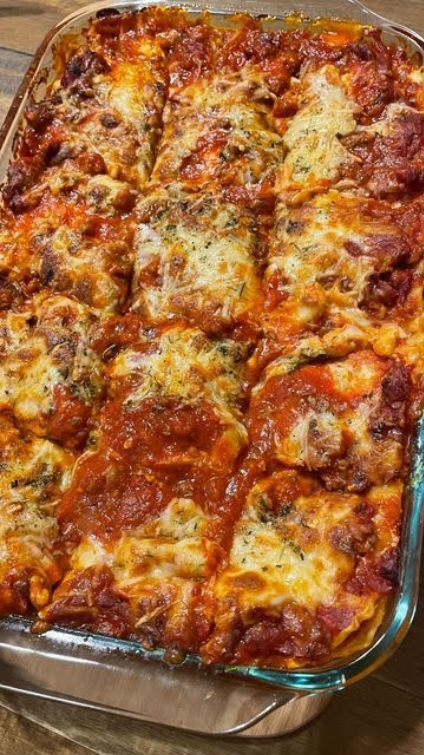
Classic Baked Lasagna: A Recipe That Feels Like Home
There’s something about a bubbling pan of lasagna that just says “I care.” I’m not exaggerating—I genuinely believe that making lasagna from scratch is one of the most love-filled things you can do in a kitchen. Maybe it’s the layers, maybe it’s the way your whole house smells like garlic and tomato and melted cheese, or maybe it’s just the fact that you’re sitting down to something that took real time and real effort.
I grew up watching my mom assemble lasagna on Sunday afternoons. She’d have her apron on, a wooden spoon in one hand, and this focused expression that meant business. I’d stand on a stool next to her, sneaking tastes of the meat sauce and asking a thousand questions. Those afternoons taught me that lasagna isn’t just dinner—it’s a ritual. It’s comfort. It’s the kind of meal that brings people together and makes them feel genuinely nourished, not just full.
This classic baked lasagna recipe is my version of that Sunday tradition. It’s straightforward enough that you won’t stress, but it’s also packed with real flavor and texture. The meat sauce is rich and savory, the cheese layers are creamy and indulgent, and the whole thing comes together in a way that feels both impressive and totally doable. Whether you’re cooking for your family, meal prepping for the week, or bringing a dish to a potluck, this recipe works. I’ve made it dozens of times, tweaked it, learned from my mistakes, and I’m sharing all of that with you here.
If you love this kind of cozy, from-scratch cooking, I’d love to have you follow me on HaileeRecipes on Pinterest where I share all my favorite comfort food recipes and kitchen tips.
Why You’ll Love This Recipe
Let me be honest about what makes this lasagna worth your time. First, it actually tastes like something you’d order at a good Italian restaurant—not overly complicated, just genuinely delicious. The sauce has depth from slow-simmered tomatoes and ground beef, the noodles are tender but still have some bite, and the cheese is melty without being one-dimensional.
Second, it’s forgiving. Unlike some recipes that require you to be exact with timing or technique, lasagna actually rewards a little flexibility. If your noodles are a touch thicker or thinner, if your sauce simmers five minutes longer, if your layers aren’t perfectly even—it all still works beautifully.
Third, it feeds a crowd without requiring you to multiply everything ten times over. One pan of lasagna comfortably serves six to eight people, and it’s the kind of meal that feels special without being fussy.
And finally, this is a recipe that actually improves when you make it ahead. The flavors meld together overnight, the noodles absorb the sauce in the best way possible, and you can pop it in the oven whenever you’re ready. That’s a huge win in my book.
Ingredients
- 2 tablespoons olive oil
- 1 pound ground beef (or a mix of beef and Italian sausage if you like)
- 1 medium onion, finely diced
- 4 cloves garlic, minced
- 1 can (28 ounces) crushed tomatoes
- 1 can (6 ounces) tomato paste
- 2 teaspoons dried oregano
- 1 teaspoon dried basil
- 1 teaspoon salt, plus more to taste
- ½ teaspoon black pepper
- ½ teaspoon sugar (to balance acidity)
- 1 box lasagna noodles (about 1 pound)
- 15 ounces ricotta cheese
- 2 cups shredded mozzarella cheese
- ½ cup grated Parmesan cheese
- 1 egg
- ¼ cup fresh parsley, chopped (optional but really nice)
Hailee’s Tip: Buy whole milk ricotta if you can find it. It makes the cheese layer richer and creamier. Also, don’t skip the Parmesan—it adds a sharpness that makes the whole dish more interesting.
Hailee’s Tip: For the mozzarella, I use a mix of whole milk mozzarella and low-moisture mozzarella. The whole milk version melts beautifully, and the low-moisture prevents the lasagna from being watery. If you only have one type, that’s totally fine—just use what you have.
Optional Add-Ins and Variations
The beauty of lasagna is that it’s a canvas. Here are some additions I love:
- A handful of fresh spinach mixed into the ricotta layer adds nutrition and a subtle earthiness
- Roasted vegetables like zucchini, bell peppers, or mushrooms layered between the cheese and sauce
- A splash of red wine in the meat sauce for deeper flavor
- Fresh basil sprinkled between layers (not dried, and add it fresh right before baking)
- A pinch of red pepper flakes if you like a little heat
- Fennel seeds if you want to mimic Italian sausage flavor even with ground beef
Step-by-Step Method
Make the Meat Sauce
Step 1: Heat olive oil in a large, heavy-bottomed pot over medium-high heat. Once it’s shimmering, add your ground beef. Break it up with a wooden spoon as it cooks, stirring occasionally. You want it browned and crumbly, which takes about five to seven minutes. Don’t rush this—let it get a little color on it.
Hailee’s moment of truth: I used to drain all the fat from the meat immediately, but I’ve learned to leave just a little. It adds flavor and keeps the sauce from being too lean. If there’s a pool of grease, drain some of it, but don’t be obsessive.
Step 2: Add your diced onion to the browned meat. Stir it around and cook for about three minutes until it softens and becomes fragrant. Then add the minced garlic and cook for another minute. This is where the sauce starts smelling like something special.
Step 3: Stir in the tomato paste. Let it cook in the pot for about two minutes—this deepens the flavor significantly. Then pour in your crushed tomatoes, oregano, basil, salt, pepper, and sugar. Give everything a good stir.
Step 4: Bring the sauce to a gentle simmer and let it bubble away for about twenty to thirty minutes. You’re not looking for a rolling boil; you want it to simmer quietly. Stir it every few minutes. The sauce will darken slightly and thicken, and the flavors will meld together beautifully. Taste it and adjust the salt and pepper if needed.
Cook the Noodles
Step 5: While your sauce is simmering, bring a large pot of salted water to a boil. Salt it generously—it should taste like the sea. Add your lasagna noodles and cook them according to the package directions, but pull them out about one minute before they’re completely done. They should still have just a tiny bit of firmness. Drain them in a colander and lay them flat on parchment paper or a clean kitchen towel so they don’t stick together.
Hailee’s tip: Don’t rinse the noodles with cold water. That starchy coating helps them hold together in the lasagna.
Make the Cheese Mixture
Step 6: In a medium bowl, combine your ricotta, one and a half cups of the mozzarella, Parmesan, egg, fresh parsley if using, and a pinch of salt and pepper. Mix it gently with a fork until everything is combined. Don’t overmix—you just want it evenly distributed. This mixture should be creamy and spreadable.
Assemble the Lasagna
Step 7: Preheat your oven to 375 degrees Fahrenheit. Grab a nine-by-thirteen-inch baking dish and spread a thin layer of meat sauce on the bottom—just enough to coat it. You want about a quarter cup or so.
Step 8: Now comes the layering. Place three to four noodles on top of that sauce layer, breaking them to fit if needed. Spread a third of your cheese mixture over the noodles. Then add another layer of sauce—about a cup. Repeat: noodles, cheese mixture, sauce. You’re aiming for three layers of noodles total.
Step 9: For your final layer, lay down noodles, then top with the remaining sauce. Sprinkle the reserved half cup of mozzarella over the top. This creates a gorgeous, melty cheese layer.
Hailee’s note: The first time I made lasagna, I overfilled it and it bubbled over everywhere. Now I leave about an inch of space from the rim of the dish. It’s not a dealbreaker if you go over, but it makes cleanup easier.
Bake
Step 10: Cover your lasagna loosely with aluminum foil and bake for twenty-five minutes. Then remove the foil and bake for another fifteen to twenty minutes until the cheese on top is bubbly and starting to brown slightly. The edges should be bubbling actively.
Step 11: Remove from the oven and let it rest for ten minutes before cutting. I know this is hard—I always want to dig in immediately—but this resting time lets everything set so you get clean slices instead of a cheesy mess. Well, a slightly less cheesy mess anyway.
Common Mistakes to Avoid
Overcooking the noodles: If you cook them all the way through before assembling, they’ll turn to mush in the oven. Slightly undercook them, and they’ll finish perfectly.
Skipping the resting time: I get it, but ten minutes really does make a difference. Use that time to set the table or pour a glass of wine.
Making the sauce too watery: If your sauce seems thin after simmering, let it go a bit longer. A thick sauce is easier to work with and tastes more concentrated.
Using only low-moisture mozzarella: It doesn’t melt as smoothly. A blend is truly better, but if you only have one type, low-moisture will still work fine.
Not seasoning the cheese layer: That egg and cheese mixture needs salt and pepper. Don’t skip it—it makes a real difference.
My Tested Substitutions
If you’re working with what you have, here’s what I’ve successfully swapped:
Ground beef: Use Italian sausage, ground turkey, or a mix of beef and sausage. Vegetarian? Brown some finely chopped mushrooms with the onions and garlic, then add lentils for texture and protein.
Ricotta: In a pinch, I’ve used a mix of cottage cheese and cream cheese. It’s not identical, but it works. Use about one cup cottage cheese mixed with four ounces cream cheese.
Fresh parsley: Totally optional. If you don’t have it, the lasagna is still wonderful. If you do, it adds a fresh note that’s really nice.
Crushed tomatoes: You can use tomato sauce or even marinara sauce. The flavor will be slightly different, but it’s still delicious. Avoid chunky-style tomatoes for this recipe—you want something that spreads evenly.
How to Customize
Want to make this recipe your own? Here are some directions to take it:
Lighter version: Use ground turkey or chicken instead of beef, use part-skim ricotta and mozzarella, and add plenty of vegetables. It’s still comforting and feels less heavy.
Heartier version: Add Italian sausage to the beef, use whole milk cheeses, and don’t hold back on the Parmesan. This version is rich and indulgent.
Vegetable-forward: Layer in sautéed spinach, roasted zucchini, bell peppers, and mushrooms. You can keep the meat or skip it entirely. The vegetables add moisture and nutrition.
Spicy version: Add red pepper flakes to the sauce, use spicy Italian sausage, and add jalapeños between layers. This is my version for anyone who loves heat.
Serving Ideas
Lasagna is pretty perfect on its own, but here’s what I like to serve alongside it:
- A simple green salad with a lemon vinaigrette to cut through the richness
- Garlic bread or toasted ciabatta for soaking up extra sauce
- Roasted vegetables like broccoli or green beans for color and nutrition
- A glass of red wine—Chianti or a simple Sangiovese pairs beautifully
- Fresh fruit like berries or melon for dessert to keep things light
Meal Prep and Storage
This is where lasagna truly shines. You can make it ahead and it actually tastes better.
Make-ahead: Assemble the entire lasagna, cover it with plastic wrap and foil, and refrigerate for up to twenty-four hours before baking. When you’re ready, just add about ten extra minutes to the baking time since it’ll be cold.
Freezing: Assemble your lasagna in a disposable aluminum pan, wrap it tightly in plastic wrap and then foil, and freeze for up to three months. Bake from frozen, adding about thirty to forty minutes to the cooking time. Cover with foil for the first half of baking so the top doesn’t burn before the inside is heated through.
Leftovers: Store covered in the refrigerator for up to four days. Reheat individual portions in the microwave or reheat the whole pan covered with foil in a 350-degree oven for about twenty minutes until warmed through.
Pro tip: Lasagna actually freezes beautifully in individual portions. I like to cut it into squares, wrap each one in plastic wrap and foil, and freeze them. Then I can grab one whenever I want a quick, homemade meal.
Nutritional Breakdown
Per serving (based on eight servings):
- Calories: approximately 520
- Protein: approximately 32 grams
- Carbohydrates: approximately 42 grams
- Fat: approximately 22 grams
- Fiber: approximately 2 grams
This is a filling, protein-rich meal. The exact numbers will vary depending on the specific brands you use and any substitutions you make.
Final Thoughts
Making a classic baked lasagna is one of those cooking experiences that feels bigger than just following a recipe. You’re creating something warm and nourishing and deeply satisfying. You’re making memories in the form of dinner. You’re doing something that people will genuinely appreciate and remember.
I hope this recipe becomes part of your regular rotation. I hope you make it for people you love, and I hope it turns out beautifully. And if something doesn’t go perfectly the first time—if the layers shift or the top browns too fast or the cheese isn’t quite as melty as you hoped—just remember that even imperfect homemade lasagna is infinitely better than anything else. You made it with your own hands, and that matters.
Come back and let me know how it goes. I genuinely love hearing about your kitchen adventures, your tweaks, your family reactions. That’s what makes this whole thing real and meaningful.
—
Recipe Card
**Ingredients**
* 2 tablespoons olive oil
* 1 pound ground beef
* 1 medium onion, finely diced
* 4 cloves garlic, minced
* 1 can (28 ounces) crushed tomatoes
* 1 can (6 ounces) tomato paste
* 2 teaspoons dried oregano
* 1 teaspoon dried basil
* 1 teaspoon salt, plus more to taste
* 1/2 teaspoon black pepper