High-Protein Creamy Beef Pasta
High-Protein Creamy Beef Pasta
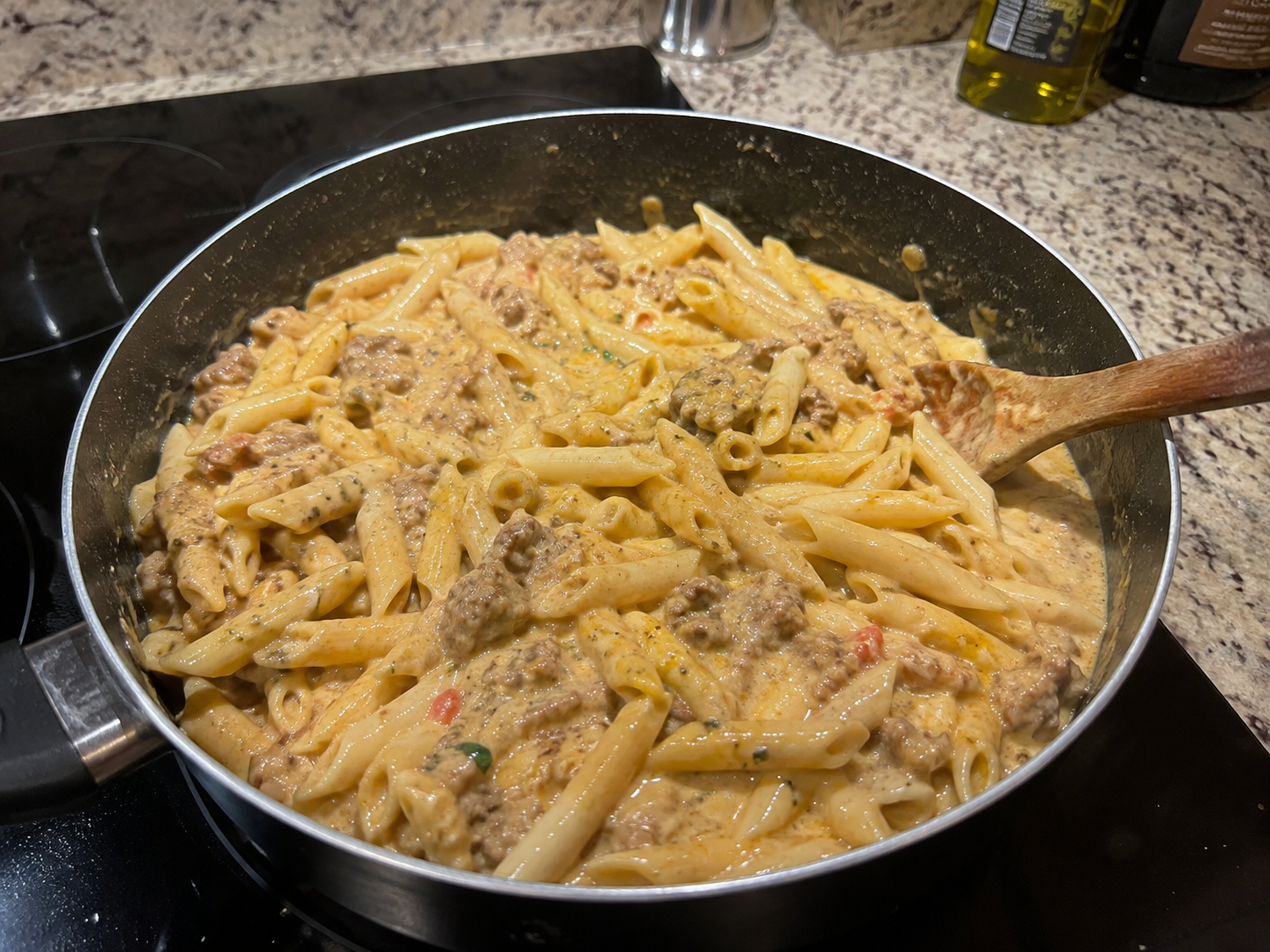
High-Protein Creamy Beef Pasta delivers a rich, velvety sauce that clings to every strand of pasta, balanced by the savory depth of browned ground beef. This dish is designed for busy weeknights when you need a meal that feels indulgent but actually fuels your body with substantial protein and energy. The texture is smooth and comforting, avoiding the heaviness of heavy cream while maintaining a luxurious mouthfeel through the use of Greek yogurt or ricotta cheese. It is an ideal solution for families seeking a quick dinner, athletes needing post-workout recovery fuel, or anyone looking to reduce their reliance on processed takeout without sacrificing flavor.
This recipe bridges the gap between a classic comfort food and a nutritious main course. By focusing on lean meat and smart dairy choices, you get a satisfying meal in under thirty minutes. For more delicious ideas like this one, Follow Hailee Recipes on Pinterest.
Why This Recipe Works
The success of this dish lies in the technique used to build the sauce. Traditional creamy pastas often rely on heavy cream, which can be high in saturated fat and calories. This version utilizes a combination of low-fat milk and a thickening agent, such as a small amount of cornstarch slurry or simply reducing the liquid with starchy pasta water, to achieve a glossy consistency without the heaviness.
Browning the beef properly is the second critical factor. When ground beef is cooked over medium-high heat until it develops a deep brown crust rather than just turning gray, it releases flavorful Maillard reaction compounds. These compounds provide a robust, umami-rich base that prevents the dish from tasting bland or one-dimensional. The acidity from a splash of lemon juice or a pinch of red pepper flakes cuts through the richness of the dairy, ensuring the flavors remain bright and balanced.
Finally, the choice of pasta matters. Short shapes like penne, rigatoni, or fusilli are superior here because their ridges and hollow centers trap the creamy sauce effectively. Long strands like spaghetti can sometimes slide off the plate if the sauce is too thin, whereas short pasta ensures every bite contains a perfect ratio of meat, sauce, and noodles.
Ingredients
To make this dish, you will need standard pantry staples and fresh produce. Ensure your ground beef is lean, ideally 90% lean or higher, to keep the final dish from becoming greasy. You will also want to have your pasta ready before starting the sauce to ensure everything comes together at the right time.
- Ground Beef: 1 pound (450g), preferably 90% lean
- Pasta: 12 ounces (340g) of penne, rigatoni, or fusilli
- Onion: 1 medium yellow onion, finely diced
- Garlic: 3 cloves, minced
- Milk: 1 cup (240ml) of whole milk or unsweetened almond milk
- Cream Cheese: 4 ounces (115g), softened to room temperature
- Chicken Broth: ½ cup (120ml), low-sodium preferred
- Tomato Paste: 1 tablespoon
- Dried Oregano: 1 teaspoon
- Dried Basil: 1 teaspoon
- Salt and Black Pepper: To taste
- Red Pepper Flakes: A pinch, optional for heat
- Fresh Parsley: 2 tablespoons, chopped, for garnish
- Cooking Oil: 1 tablespoon olive oil or vegetable oil
How To Make High-Protein Creamy Beef Pasta
- Prepare the Pasta Water: Fill a large pot with water and bring it to a rolling boil. Add a generous amount of salt, roughly 1 tablespoon, to season the water. Once boiling, add the pasta and cook according to the package directions until al dente. Before draining, carefully reserve about ¾ cup of the starchy pasta cooking water. Drain the pasta and set it aside in a colander.
- Brown the Beef: While the water heats, place a large skillet or Dutch oven over medium-high heat. Add the olive oil. Once the oil shimmers, add the ground beef. Break the meat apart with a wooden spoon, ensuring no large chunks remain. Cook undisturbed for 2-3 minutes to allow a crust to form, then stir and continue cooking until the beef is fully browned and no pink remains. If there is excessive grease, drain about half of it, leaving enough to sauté the vegetables.
- Sauté Aromatics: Push the beef to the sides of the pan or remove it temporarily if the pan is crowded. Add the diced onion to the center of the pan. Sauté for 3-4 minutes until the onion becomes translucent and soft. Add the minced garlic and tomato paste, stirring constantly for 1 minute until the garlic is fragrant and the tomato paste darkens slightly. Stir the beef back into the mixture if you removed it, combining everything evenly.
- Create the Sauce Base: Sprinkle the dried oregano, basil, salt, black pepper, and red pepper flakes over the meat and onion mixture. Pour in the chicken broth to deglaze the pan, scraping up any browned bits stuck to the bottom with your spoon. Let the broth simmer for 2 minutes to reduce slightly. Reduce the heat to low and stir in the softened cream cheese, whisking gently until it melts completely into the liquid.
- Combine and Finish: Slowly pour in the milk, stirring continuously to prevent curdling. Allow the sauce to warm through and thicken slightly, which should take about 3-4 minutes. If the sauce seems too thick, add a splash of the reserved pasta water. Toss the cooked pasta directly into the skillet, using tongs to coat every noodle thoroughly. If the mixture looks dry, add another splash of pasta water until the desired creamy consistency is reached. Remove from heat and garnish with fresh parsley before serving.
Doneness And Troubleshooting
Knowing when the dish is ready involves observing the texture of both the meat and the sauce. The beef should be crumbly and deeply browned; if it is still gray or steaming, it needs more time to develop flavor. The sauce is done when it coats the back of a spoon and leaves a clear trail when you run your finger through it. It should not be watery, nor should it be so thick that it clumps around the pasta.
If the sauce breaks or separates, appearing grainy or oily, it usually means the heat was too high when the dairy was added. Lower the heat immediately and whisk vigorously. Adding a splash of cold pasta water can sometimes help re-emulsify the fats. Conversely, if the sauce is too thick and gloppy, simply stir in more reserved pasta water a tablespoon at a time until it flows smoothly. Remember that the pasta will continue to absorb sauce once plated, so it is better to keep the sauce slightly looser in the pan.
Substitutions And Variations
This recipe is flexible, allowing for adjustments based on dietary preferences or ingredients on hand. For a lower-calorie option, substitute the cream cheese with plain non-fat Greek yogurt. However, do not let the yogurt boil, as it may curdle; instead, stir it in at the very end, off the heat, and warm it gently. You can also swap the ground beef for ground turkey or chicken for a lighter protein profile, though the cooking time may be slightly shorter.
If you prefer a different pasta shape, rotini or farfalle work well. For a vegetarian version, replace the beef with lentils or mushrooms. When using mushrooms, sauté them separately first to release their moisture, then add them to the sauce. To increase the vegetable content, stir in a cup of frozen peas or spinach during the last two minutes of cooking. The spinach will wilt quickly, adding color and nutrients without altering the flavor profile significantly.
Serving Suggestions
This dish pairs beautifully with a simple green salad dressed in a light vinaigrette to cut through the creaminess of the pasta. A side of garlic bread or toasted baguette is excellent for soaking up any remaining sauce on the plate. For a complete meal, serve with roasted broccoli or asparagus seasoned with lemon zest and parmesan cheese.
If you are serving children who are picky eaters, you might omit the red pepper flakes and blend the onions and garlic into the sauce until they are nearly invisible. Adults who enjoy bold flavors can top the dish with extra grated parmesan cheese and a drizzle of high-quality olive oil. A glass of crisp white wine or sparkling water complements the savory notes of the beef and herbs.
Storage And Reheating
Leftovers can be stored in an airtight container in the refrigerator for up to three days. The sauce will thicken significantly as it cools due to the starches in the pasta and the dairy. When reheating, add a small splash of milk, broth, or water to loosen the sauce before warming it over low heat on the stove. Microwaving is also an option; cover the bowl and heat in 30-second intervals, stirring between each interval to ensure even heating.
You can freeze this dish, though the texture of the dairy-based sauce may change slightly upon thawing. Freeze portions in freezer-safe containers for up to two months. Thaw overnight in the refrigerator before reheating. If the sauce appears separated after freezing, whisk it well over low heat while adding a little liquid to restore the creamy consistency. Always ensure the internal temperature reaches 165°F (74°C) when reheating leftovers to ensure food safety.
A Final Note
Cooking this pasta is about balancing simplicity with flavor. The key is patience during the browning phase and careful attention to the heat when adding dairy. With these steps, you create a meal that is hearty, satisfying, and packed with protein, making it a reliable staple for your weekly rotation.
High-Protein Creamy Beef Pasta
Ingredients
Method
- Boil salted water and cook pasta until al dente; reserve ¾ cup pasta water before draining.
- Brown ground beef in a large skillet over medium-high heat until fully cooked and crumbly; drain excess grease if needed.
- Add diced onion to the pan and sauté until translucent, then add garlic and tomato paste, cooking for 1 minute.
- Stir in spices, deglaze with chicken broth, then reduce heat and melt in cream cheese followed by milk.
- Toss cooked pasta into the sauce, adjusting consistency with reserved pasta water, and garnish with parsley.