Lasagna with Béchamel Sauce
Lasagna with Béchamel Sauce
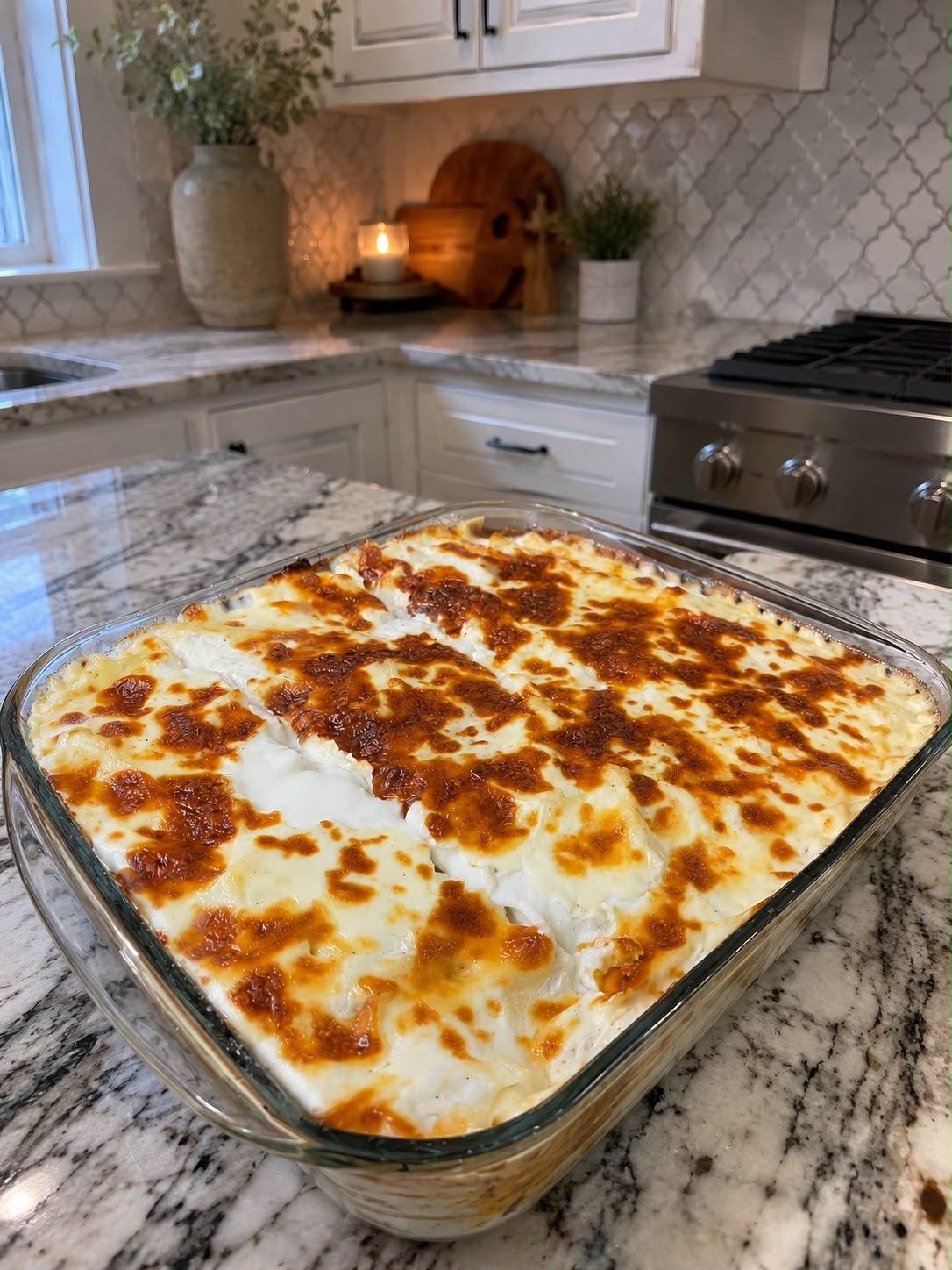
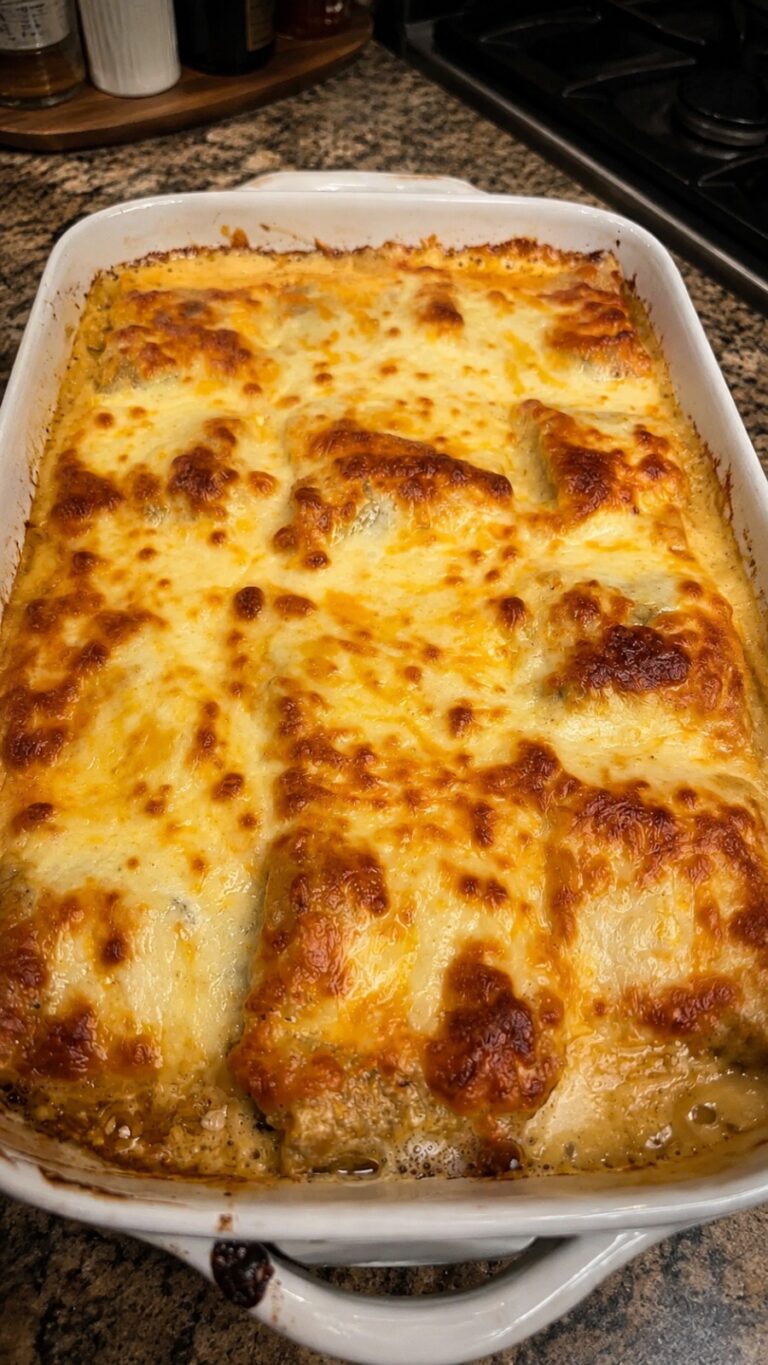
Lasagna with Béchamel Sauce is a classic Italian comfort dish defined by its rich, creamy layers and tender pasta. Unlike many American versions that rely on a heavy tomato-based meat sauce for moisture, this preparation features a velvety white sauce made from butter, flour, and milk, which coats the noodles and filling in a delicate embrace. The result is a dish with a sophisticated flavor profile where the earthiness of mushrooms or the sweetness of sautéed vegetables shines through without being overwhelmed by acidity. It is an ideal choice for a Sunday family dinner, a holiday gathering, or any occasion where you want to serve something elegant yet deeply satisfying. The texture should be soft and yielding, with distinct layers that hold together when sliced but melt in the mouth.
This recipe offers a practical approach to mastering a dish that often intimidates home cooks. By breaking down the process into manageable steps, you can achieve restaurant-quality results in your own kitchen. For more inspiration and visual guides, Follow Hailee Recipes on Pinterest.
Why This Recipe Works
The success of this lasagna lies in the balance between the béchamel sauce and the filling. Traditional recipes sometimes struggle with dryness because the cheese sauce can separate or become too thick during baking. This method creates a stable emulsion by whisking the roux (butter and flour mixture) thoroughly before adding warm milk, ensuring a smooth consistency that penetrates every layer of pasta. Using no-boil lasagna noodles simplifies the assembly significantly, as they absorb the moisture from the sauce directly in the oven, eliminating the need for pre-cooking and reducing the risk of soggy or undercooked sheets.
Furthermore, the inclusion of a light vegetable or meat filling prevents the dish from becoming overly heavy. The béchamel acts as a binder, holding the layers together so that each slice maintains its structure without falling apart. The top layer of cheese provides a golden, slightly crisp crust that contrasts beautifully with the soft interior. This technique ensures that the flavors meld together during the resting period after baking, allowing the heat to distribute evenly throughout the casserole.
Ingredients
- No-boil lasagna noodles: 12 sheets. These are essential for ease of assembly and proper hydration during baking.
- Unsalted butter: 4 tablespoons. Use high-quality butter for the best flavor in the sauce.
- All-purpose flour: 4 tablespoons. This creates the thickening agent for the béchamel.
- Milk: 4 cups. Whole milk yields the richest texture, but 2% works well if preferred.
- Nutmeg: A generous pinch. Freshly grated nutmeg adds a subtle warmth that complements dairy.
- Salt: To taste. Season the sauce generously, as it needs to stand up to the other ingredients.
- Black pepper: To taste. Freshly cracked pepper adds a mild bite.
- Shredded mozzarella cheese: 3 cups. Divide this between the layers and the top.
- Grated Parmesan cheese: 1 cup. Use freshly grated for better melting and flavor.
- Filling base: 1 pound of ground beef, Italian sausage, or a mix of sautéed mushrooms and spinach. Choose one option based on preference.
- Marinara sauce: 1 jar (24 ounces). A good quality store-bought or homemade marinara adds depth.
- Garlic powder and dried oregano: 1 teaspoon each. These seasonings enhance the savory notes of the filling.
How To Make Lasagna with Béchamel Sauce
- Prepare the Filling: If using meat, brown the ground beef or sausage in a large skillet over medium-high heat until fully cooked and crumbled. Drain excess fat if necessary. Stir in the marinara sauce, garlic powder, and dried oregano. Simmer for 5 minutes to allow the flavors to meld. If using vegetables like mushrooms or spinach, sauté them in a little olive oil until tender and any released liquid has evaporated. Mix in half of the marinara sauce if desired, or keep the vegetable layer plain for a lighter taste. Set aside.
- Make the Béchamel Sauce: In a medium saucepan over medium heat, melt the butter until it foams but does not brown. Whisk in the flour and cook, stirring constantly, for about 2 minutes to remove the raw flour taste. Slowly pour in the warm milk while whisking vigorously to prevent lumps. Continue cooking and stirring until the sauce thickens enough to coat the back of a spoon, which usually takes 5 to 7 minutes. Remove from heat and stir in the nutmeg, salt, and pepper. Taste and adjust seasoning as needed.
- Preheat and Prep: Preheat your oven to 375°F (190°C). Lightly grease a 9×13 inch baking dish with butter or non-stick spray. Ensure you have all your components ready: the sauce, the filling, the cheeses, and the uncooked noodles.
- Assemble the Layers: Spread a thin layer of béchamel sauce on the bottom of the prepared dish to prevent sticking. Place three lasagna noodles side-by-side over the sauce. Spread a portion of the meat or vegetable filling over the noodles, followed by a ladle of marinara sauce if using meat. Sprinkle a layer of mozzarella and a dusting of Parmesan. Pour a generous amount of béchamel sauce over the cheese to ensure the next layer of noodles will hydrate properly. Repeat this process until you have used all the noodles, ending with a final layer of noodles topped with the remaining béchamel sauce, marinara, and cheeses.
- Bake and Rest: Cover the baking dish tightly with aluminum foil. Bake for 25 minutes. Remove the foil and continue baking for another 15 to 20 minutes, or until the cheese is bubbly and golden brown on the edges. If the top browns too quickly, tent loosely with foil. Once baked, remove the lasagna from the oven and let it rest for at least 15 to 20 minutes before slicing. This step is crucial for the layers to set and for the sauce to thicken slightly, making clean cuts possible.
Doneness And Troubleshooting
Knowing when your lasagna is done involves observing both visual cues and texture. The edges should be bubbling vigorously, and the top cheese layer should be a deep golden brown. If the sauce looks too thin or watery after baking, it may indicate that the béchamel was not thickened enough before assembly; however, the resting period usually helps resolve minor liquidity issues. Conversely, if the noodles appear hard or crunchy, the dish likely did not bake long enough, or there was insufficient liquid in the sauce to hydrate the no-boil noodles. In such cases, cover the dish with foil and return it to the oven for an additional 10 minutes.
If the top burns before the center is hot, simply cover it with foil immediately to shield the cheese while the interior finishes cooking. Another common issue is a dry lasagna. This often happens if the béchamel ratio is off or if the filling absorbs too much moisture. Ensuring your sauce is creamy and generous between every layer prevents this. Always check the internal temperature if you are unsure; the center should reach at least 165°F (74°C) for food safety, particularly if using meat.
Substitutions And Variations
You can easily adapt this recipe to suit dietary preferences or ingredient availability. For a vegetarian version, omit the meat entirely and increase the vegetable content. Sautéed zucchini, eggplant, or roasted red peppers work exceptionally well. When using fresh pasta sheets instead of no-boil noodles, you must blanch them in boiling water for 2-3 minutes before assembling to prevent them from remaining tough. Note that fresh pasta requires less liquid absorption, so you may need to slightly reduce the amount of béchamel or add a splash of water to the sauce.
If you prefer a lighter sauce, substitute whole milk with a blend of half-and-half and skim milk, though the texture will be slightly less rich. For those avoiding gluten, use a gluten-free all-purpose flour blend for the roux and certified gluten-free lasagna noodles. Keep in mind that gluten-free noodles may require longer baking times or more liquid to soften properly. You can also swap the mozzarella for provolone or fontina for a different melting characteristic, or add a sprinkle of ricotta cheese between layers for extra creaminess.
Serving Suggestions
This lasagna pairs beautifully with a simple green salad dressed with a vinaigrette to cut through the richness of the cheese and béchamel. A side of garlic bread or crusty baguette is perfect for soaking up any extra sauce. For a complete meal, serve with roasted asparagus or steamed broccoli seasoned with lemon and herbs. A glass of medium-bodied red wine, such as a Chianti or Sangiovese, complements the savory notes of the dish without overpowering the delicate white sauce.
Storage And Reheating
Leftovers can be stored in an airtight container in the refrigerator for up to 4 days. To maintain quality, ensure the lasagna has cooled completely before refrigerating to prevent condensation from making the noodles soggy. For longer storage, wrap individual portions tightly in plastic wrap and freeze for up to 3 months. Thaw overnight in the refrigerator before reheating.
To reheat, place a portion in an oven-safe dish, cover with foil, and bake at 350°F (175°C) for 20-25 minutes until heated through. If using a microwave, cover the plate with a damp paper towel and heat in 1-minute intervals, stirring gently if possible, to ensure even warming. Avoid overheating, as this can cause the cheese to separate and the sauce to become grainy.
Mastering the balance of sauces and layers transforms a simple weeknight meal into a culinary delight. With careful attention to the béchamel consistency and proper resting time, you will consistently produce a dish that is comforting, flavorful, and visually impressive.
Lasagna with Béchamel Sauce
Ingredients
Method
- Brown meat or sauté vegetables; mix with marinara and seasonings.
- Melt butter, whisk in flour, slowly add warm milk, and cook until thickened; season with nutmeg, salt, and pepper.
- Preheat oven to 375°F (190°C) and grease a 9x13 inch baking dish.
- Layer noodles, filling, marinara, cheeses, and béchamel sauce repeatedly until ingredients are used.
- Cover with foil and bake for 25 minutes; remove foil and bake 15-20 minutes more until golden; rest for 20 minutes before serving.